Maryland Raccoons and Opossums
For many Marylanders, raccoons and opossums are just a blurry flash of eyes in the headlights or a rustling in the trash can. But these common nocturnal critters can be a real headache for homeowners and an engaging quarry for hunters and trappers. This guide will take a deep dive into the lives of Maryland's raccoons and opossums, exploring their habits, the challenges they present, and how you can manage them, whether you're trying to keep them out of your chicken coop or looking to pursue them for their fur.
Understanding Maryland's Nocturnal Neighbors
Maryland is a diverse state, from the mountains of Garrett County to the flat marshes of the Eastern Shore, and these two species have adapted to thrive almost everywhere humans do. They're often misunderstood, but knowing a bit about their natural history can help you appreciate their resilience – even when they're raiding your bird feeder.
The Elusive Raccoon: Characteristics and Habits
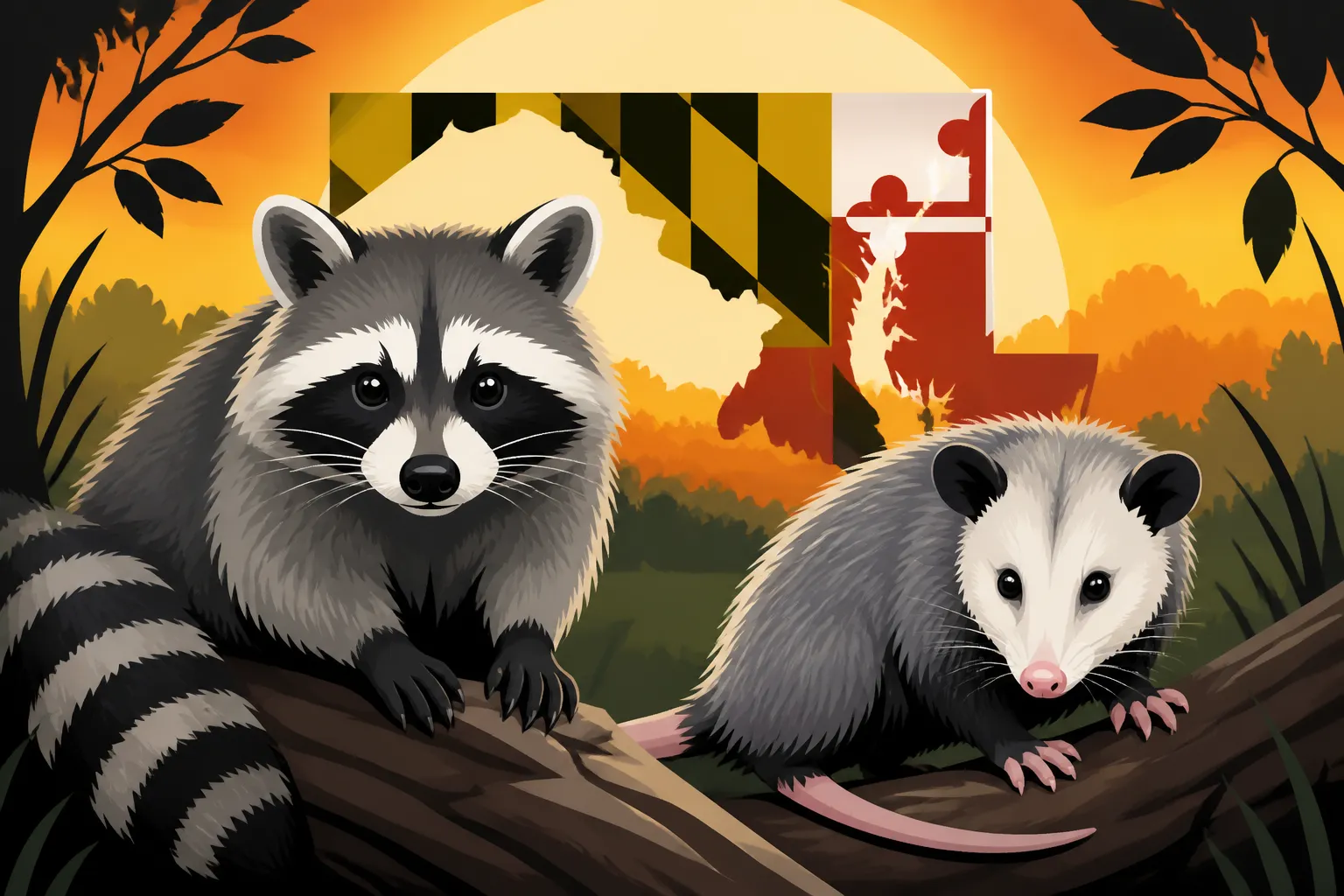
Raccoons, with their distinctive black masks and ringed tails, are truly iconic North American animals, and Maryland is no exception. They're incredibly intelligent and adaptable, a big reason why they've spread so successfully throughout urban, suburban, and rural landscapes alike. They're primarily nocturnal, meaning they're most active from dusk till dawn, which is why you might only catch a glimpse of them as they dart across a road or disappear into the shadows.
These creatures are incredibly curious, and that curiosity often leads them into conflict with people. They have remarkably dexterous front paws, almost like tiny human hands, which they use to manipulate objects, open latches, and "wash" their food—a behavior that's less about hygiene and more about tactile exploration. While they primarily eat fruits, nuts, insects, and small animals, they're opportunists through and through, readily taking advantage of human food sources like garbage cans, pet food left outdoors, and garden produce. Their ability to learn and problem-solve is truly impressive, often frustrating homeowners trying to keep them out of unwanted spaces.
The Unique Opossum: Traits and Adaptations
The Virginia opossum holds a special place in the Maryland ecosystem as North America's only native marsupial. This means, like their Australian relatives, the females carry and nurse their young in a pouch. Opossums are perhaps best known for their involuntary defense mechanism: "playing 'possum'," where they feign death, entering a catatonic state complete with drooling and an open mouth, which can last for minutes or even hours. It's not a conscious choice, but a stress response designed to deter predators.
Unlike raccoons, opossums are often seen as less intelligent, but what they lack in cunning, they make up for in sheer tenacity and an incredible immune system. They're resistant to many diseases, including rabies, though they can still carry other parasites. Their prehensile tail, while not strong enough to hang by for long periods, helps them balance as they climb trees and navigate obstacles. They are opportunistic feeders, just like raccoons, and will eat almost anything, from carrion and insects to fruits, berries, and even garden pests like slugs and snails. Their presence can actually be beneficial in some ways, as they consume ticks and other unwanted invertebrates.
Why They Thrive Across Maryland
Both raccoons and opossums are generalist species, meaning they don't rely on one specific type of food or habitat. This adaptability is their superpower. Maryland offers an incredible array of habitats, from dense forests in places like Savage River State Forest and Green Ridge State Forest, to agricultural fields, to sprawling suburban neighborhoods, and even bustling city parks. They utilize all of it. The presence of water sources, whether natural streams or man-made ponds, is a huge draw for raccoons, who often "wash" their food. Opossums are also frequently found near water, as it provides a ready source of food and cover.
Furthermore, human development, while often seen as detrimental to wildlife, has actually created new opportunities for these adaptable animals. Our trash cans are an endless buffet, our sheds and attics offer safe denning sites, and our gardens provide easy pickings. This constant availability of food, water, and shelter in close proximity to human dwellings means their populations often remain robust, even as other more specialized species struggle. Understanding this dynamic is crucial for effective management and hunting strategies.
Habitat and Diet: Where They Live and What They Eat
Understanding the habitat and diet of raccoons and opossums is key, whether you're trying to keep them out of your yard or find them for a late-night hunt. Their incredible adaptability means they're not picky, but they do have preferences that can guide your efforts.
Raccoon Rendezvous: From Woods to Suburbia
Raccoons are master opportunists when it comes to habitat. In rural Maryland, you’ll find them heavily concentrated along creek bottoms, river corridors, and the edges of agricultural fields, especially those bordering woodlands. They love mature hardwood forests that offer den trees—old hollow trees where they can raise their young and shelter from the elements. Look for them in areas with abundant mast crops like acorns and hickory nuts, which are prime food sources in the fall.
However, their true genius lies in their ability to exploit suburban and even urban environments. They’ll readily den in abandoned buildings, under sheds, in culverts, and, much to the homeowner's dismay, in attics and chimneys. They're drawn to suburban areas by the consistent availability of food—pet food, birdseed, and, of course, the ever-present overflowing trash can. Places like those found when hunting Maryland's Suburban Deer Management Hunts often have thriving raccoon populations because of this mix of natural cover and human resources. Their tracks are often seen along muddy streambanks or even on paved driveways after a rain.
Opossums' Omnivorous Palate: Masters of Scavenging
Opossums are the ultimate scavengers, and their diet reflects it. They truly eat almost anything, making them highly successful in a variety of environments. Their natural diet includes insects, snails, slugs, small rodents, birds, eggs, fruits, berries, and nuts. They are also well-known for consuming carrion, acting as nature's clean-up crew. This diet, especially their love for insects and ticks, can be a surprising benefit to homeowners.
In developed areas, they're not shy about taking advantage of human-provided meals. Pet food left on porches, discarded scraps from outdoor grills, and fallen fruit from backyard trees are all fair game. While they might occasionally get into gardens, they're more likely to be cleaning up dropped produce rather than actively raiding healthy plants. Because they are slower and less agile than raccoons, they tend to stick closer to ground level for foraging, though they are capable climbers. Their presence often indicates a plentiful and diverse food supply in the area.
Impact on Local Ecosystems and Human Property
While both species play a role in the ecosystem, their adaptability and burgeoning populations in some areas can lead to conflicts. Raccoons, being intelligent and strong, can cause significant property damage. They might tear open garbage cans, raid chicken coops, damage gardens, or even gain entry into homes through weak attic vents or uncapped chimneys, leading to costly repairs and potential health risks from their droppings. Their opportunistic diet means they can also impact ground-nesting bird populations or raid turtle nests, which can be a concern in conservation areas.
Opossums generally cause less direct property damage than raccoons, but they can still be a nuisance. They might den under sheds or decks, startling homeowners or leaving behind droppings. Their scavenging habits can also be a vector for certain parasites, although their resistance to rabies is a notable positive. From a hunting perspective, their high numbers can mean a ready supply of targets, but for landowners, it often means finding ways to coexist or control their presence without resorting to extreme measures. Understanding their distinct impacts helps in choosing the right approach for management.
When Raccoons and Opossums Become a Nuisance
It's one thing to appreciate wildlife from a distance, but when raccoons and opossums decide your attic is their new home or your trash can is their personal buffet, they quickly transition from fascinating creatures to frustrating nuisances. Addressing these issues effectively means understanding the specific problems they cause and the best ways to tackle them.
Common Damages and Health Concerns
The most immediate and visible sign of a nuisance raccoon or opossum is often property damage. Raccoons are notorious for tearing open trash cans, raiding bird feeders, and, if given the opportunity, destroying garden crops. They can be incredibly destructive if they get into an attic or chimney, tearing up insulation, chewing on wires, and creating latrine sites that pose significant health hazards due to the bacteria and parasites found in their droppings. Their strength allows them to pry open screens, vents, and even loose siding. For those with backyard poultry, a raccoon can decimate a chicken coop in a single night.
Opossums, while generally less destructive than raccoons, can still cause problems. They might den under porches or sheds, creating an unpleasant odor and attracting other pests. They are also known to raid compost piles and feed on pet food left outdoors. While opossums are remarkably resistant to rabies, they can carry other diseases like leptospirosis, tularemia, and tuberculosis, as well as parasites such as fleas and ticks, which can be transferred to pets or humans. The presence of either animal, especially if it's habitual, warrants action to protect your home and health.
Deterrents and Prevention Strategies for Homeowners
Prevention is always the best medicine when it comes to nuisance wildlife. The primary goal is to make your property less appealing. Start by securing all outdoor food sources. This means using heavy-duty, raccoon-proof trash cans with locking lids, bringing pet food indoors at night, and ensuring bird feeders are truly squirrel- and raccoon-proof, perhaps even removing them entirely if the problem persists. Keeping your barbecue grill clean and storing firewood away from the house can also help.
Next, focus on securing your home's entry points. Walk around your house and look for any potential openings larger than a golf ball. This includes gaps under eaves, loose siding, uncapped chimneys, and damaged attic vents. Repair these immediately. Consider installing wire mesh over vents and chimney caps. For persistent issues with raccoons trying to climb, adding a "baffle" or metal collar around trees or downspouts can prevent them from reaching roofs or attics. For opossums denning under structures, try to seal off entry points once you're certain the animal is not inside, perhaps after observing it leave at dusk. Motion-activated lights and sprinklers can sometimes deter these nocturnal visitors, at least temporarily.
Legalities of Nuisance Wildlife Control in Maryland
Dealing with nuisance wildlife in Maryland isn't just about practical solutions; it's also about understanding the law. While raccoons and opossums are generally considered furbearers and game species, there are specific regulations regarding their capture and relocation, especially when they become a nuisance. In most cases, landowners are allowed to remove or dispatch these animals that are causing damage to property, but there are rules to follow.
It's critical to check the current Maryland Department of Natural Resources (DNR) regulations regarding nuisance wildlife permits and acceptable methods of control. For example, some trapping methods may be restricted, and relocation of animals might require specific permits or be prohibited entirely to prevent the spread of disease or the transfer of a nuisance problem to someone else. If you're considering trapping, you'll need to understand Maryland Trapping License Requirements. Often, professional wildlife control operators are the best solution for complex nuisance situations, as they are licensed and knowledgeable about state and local laws. They can ensure the animal is removed humanely and legally. Remember, even in nuisance situations, animal cruelty laws still apply.
Hunting and Trapping Raccoons and Opossums in Maryland
Beyond nuisance control, raccoons and opossums offer excellent opportunities for hunters and trappers in Maryland. They are plentiful, provide challenging pursuits, and can even yield valuable fur and meat.
Seasons, Regulations, and Licensing for Furbearers
Maryland has established seasons for hunting and trapping raccoons and opossums, recognizing them as valuable furbearers. These seasons typically run through the colder months, when their fur is prime. It's crucial to consult the latest Maryland hunting and trapping regulations guide from the DNR, as dates and specific rules can change. Generally, hunters need a valid Maryland hunting license, and trappers need a separate Maryland Trapping License Requirements. Additionally, specific stamps or permits might be required, so always double-check before heading out.
For hunting, raccoons and opossums can often be pursued at night, which adds a unique dimension to the experience. However, there are strict rules regarding weapon types, shooting hours (e.g., specific times after sunset or before sunrise), and the use of lights. For instance, the use of certain lights to spot and shoot can be legal for these furbearers when it wouldn't be for deer. Trapping regulations are often even more detailed, covering trap types, trap size, trap placement, and visitation requirements. These rules are in place to ensure ethical take, minimize non-target catches, and conserve wildlife populations. Make sure you're familiar with Trapping Season Dates by Species before setting your first trap.
Effective Hunting and Trapping Methods
Hunting raccoons and opossums primarily involves two common methods: still-hunting and hunting with dogs. Still-hunting, often done at night with a strong light (where legal), involves slowly moving through areas known to hold these animals, such as creek bottoms, old orchards, or the edges of cornfields. It requires stealth and keen observation. Using a .22 caliber rimfire rifle or a small-gauge shotgun is common for still-hunting.
Hunting with dogs, particularly coonhounds, is a cherished tradition in Maryland. Dogs are released in prime habitat, and they track the scent of raccoons or opossums, eventually "treeing" them. Hunters then locate the treed animal, often requiring navigating dense cover and rugged terrain in the dark. This method can be incredibly exciting and challenging, offering a deep connection to hunting heritage. For opossums, dogs may also tree them, or simply corner them on the ground, making for a quick take.
Trapping is another effective method, particularly for managing populations or for those interested in fur harvesting. Common traps include foothold traps (often padded or offset-jaw to reduce injury) and cage traps. Set traps near known travel routes, den sites, or feeding areas, such as along creek banks, under brush piles, or near nuisance points. Baiting with sweet foods like marshmallows or fruit, or even fish-based baits, can be highly effective for raccoons. Opossums are less discerning and will readily enter traps for a variety of baits. Regular trap checks are crucial for the welfare of any captured animal and to comply with Maryland regulations.
Utilizing Their Value: Fur and Meat
Historically, both raccoons and opossums were highly valued for their fur, especially during colder months when the pelts are thickest and richest. While fur prices fluctuate, some trappers still pursue them for this purpose, providing a sustainable harvest and contributing to the conservation of these species by helping to manage populations. Processing fur requires skill and effort, including skinning, fleshing, and stretching, but it can be a rewarding pursuit.
Beyond fur, the meat of both raccoons and opossums is edible and has been consumed by generations of American frontiersmen and country folk. Often described as a dark, rich meat, it requires proper preparation, typically slow cooking or stewing, to become tender and flavorful. For those interested in self-sufficiency and fully utilizing their harvest, exploring recipes for these animals can be a unique culinary adventure. This practice connects hunters and trappers to a long tradition of subsistence and respect for the animals they pursue.
Finding Hunting Opportunities for Raccoons and Opossums
Once you understand the animals and the regulations, the next step is finding a place to hunt or trap. Maryland offers a mix of public and private land opportunities, each with its own set of considerations.
Public Lands and Their Specific Rules
Maryland boasts a considerable amount of public land managed by the DNR, including Wildlife Management Areas (WMAs) and State Forests, that offer opportunities for hunting and trapping raccoons and opossums. Places like Fishing Bay Wildlife Management Area or Myrtle Grove Wildlife Management Area might be great options, depending on your location. However, it's never as simple as just showing up. Each public land unit often has specific rules beyond statewide regulations, such as designated hunting zones, restrictions on vehicle access, sign-in/check-out requirements, and even specific prohibitions on night hunting or certain trap types.
Before you go, it's absolutely vital to research the specific WMA or State Forest you intend to visit. The DNR website is an excellent resource for maps and regulations for individual units. Some public lands may have stricter rules regarding the use of dogs, or may have earlier closing times for night hunting. It’s a good idea to scout these areas during the day to identify potential den trees, water sources, and travel corridors, and to understand the terrain. Knowing the layout will save you a lot of time and frustration when you're navigating in the dark. Also, be mindful of other users; public lands are shared resources, and courtesy goes a long way.
Securing Private Land Access
While public lands are an option, some of the best raccoon and opossum hunting and trapping can be found on private land, especially farms and timber tracts. These areas often have less hunting pressure and abundant food sources. However, gaining access to private land requires permission from the landowner. This is where patience, respect, and good communication become your most valuable tools.
Start by identifying potential properties, perhaps using online mapping tools that show property boundaries and ownership. Then, make a polite, in-person approach to the landowner. Introduce yourself, explain what you'd like to do, and emphasize your commitment to safety and respect for their property. Offering to help with nuisance animals, such as removing raccoons from a chicken coop, can sometimes open doors. A strong, respectful relationship with landowners can provide invaluable access, not just for furbearers, but potentially for other game species like deer or turkey. Remember, "getting private land permission in Maryland" is a skill in itself, and it's built on trust.
Leveraging Technology for Scouting
In today's hunting world, technology can be a huge asset in finding and pursuing raccoons and opossums, whether on public or private ground. Mapping apps like GoHunt have revolutionized how hunters scout and navigate. These platforms allow you to overlay property lines, topographic maps, aerial imagery, and even layers showing public land boundaries. This is incredibly useful for identifying creek bottoms, timber stands, old fields, and potential denning areas that might hold these nocturnal creatures.
You can use GoHunt to mark potential travel corridors, locate abandoned structures, or pinpoint specific clusters of oak trees that might indicate a food source. For trappers, marking precise trap locations and checking them off on a digital map can streamline your trapline. Even for nuisance control, understanding the layout of a property, where cover meets potential food sources, can help in strategically placing deterrents or traps. While these tools don't replace boots on the ground, they certainly make your scouting efforts more efficient, giving you a better understanding of the terrain before you even step foot in the woods. This is especially helpful when trying to figure out "Scouting Maryland Public Land Before Season."
Disclaimer
This article is for general informational purposes only and does not constitute professional advice. Laws, prices and regulations vary by location and change over time. Consult a qualified professional for guidance on your specific situation.