Maryland Cottontail Habitat and Numbers
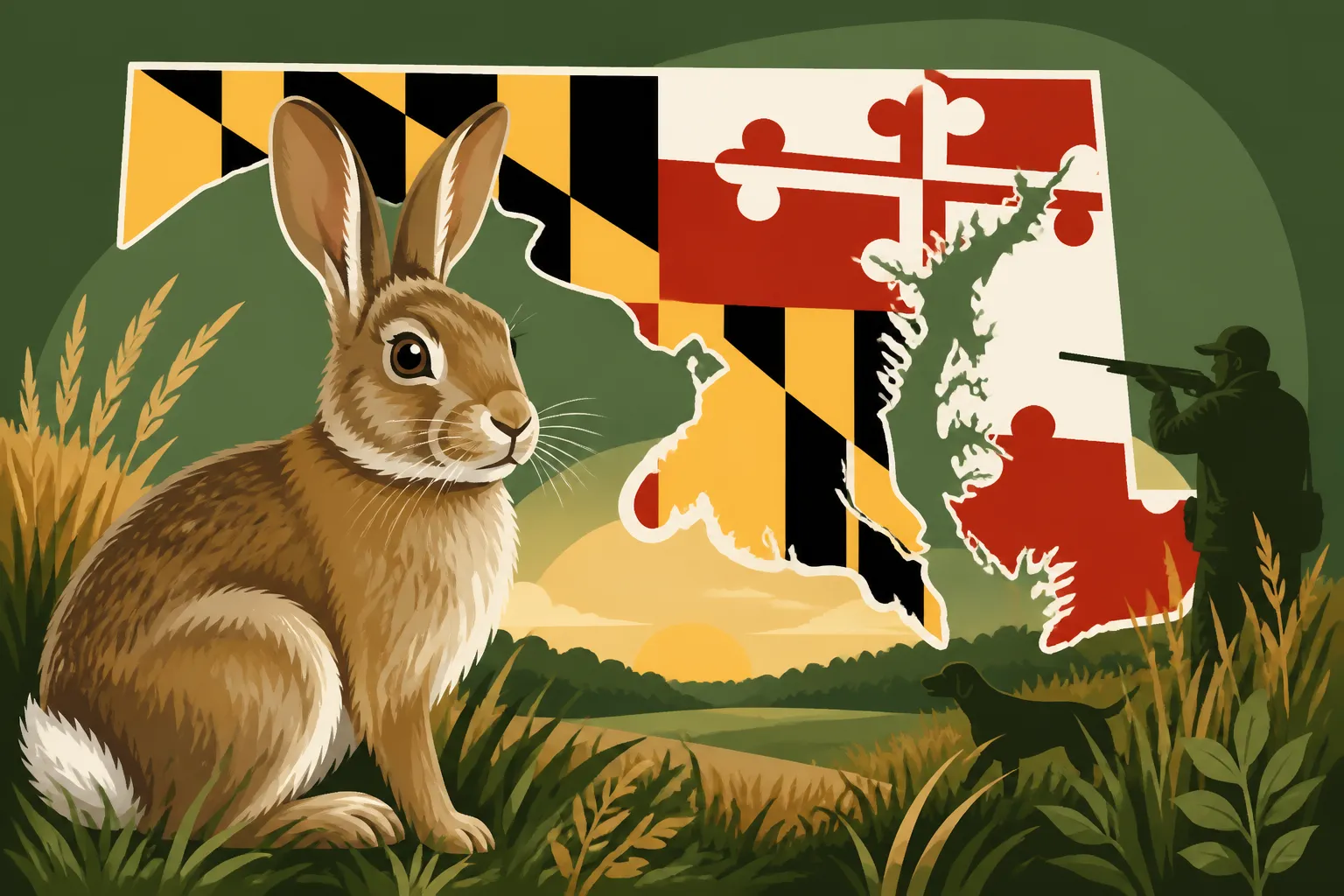
For many of us who grew up chasing rabbits, the thought of Maryland's cottontail population might bring a pang of nostalgia, or perhaps a hint of frustration. It’s not always as easy as it once was to find a thick bramble patch teeming with these quick little critters. If you're wondering where Maryland's cottontails are holding out and what kind of numbers we're seeing, this guide is going to break down their preferred habitats and give you a realistic look at what to expect when you head afield.
Understanding Maryland's Cottontail Population Dynamics
Let's face it, cottontail rabbits are a cornerstone of small game hunting, and their presence is often an indicator of healthy, diverse habitat. In Maryland, we certainly have cottontails, but their numbers can ebb and flow dramatically depending on a lot of factors, from habitat changes to weather patterns. It's not always a booming population everywhere you look, which can be a bit disheartening if you remember the "good old days" when every brush pile seemed to hold a rabbit or two.
General Population Trends in Maryland
Across much of Maryland, cottontail populations are fairly stable, but often localized. You won't find them spread uniformly across the entire state. Instead, they thrive in pockets where conditions are just right. We’re talking about areas with a mosaic of open fields, brushy edges, and dense cover – the kind of places that provide both food and immediate refuge. This isn't like deer, which you can find almost anywhere; rabbits are much more particular about their immediate surroundings. If you're seeing fewer rabbits than you used to, it's often a sign of habitat fragmentation or changes in land use in your specific hunting area.
Regional Differences in Cottontail Abundance
Maryland is a diverse state, from the mountains of the west to the flat farmlands of the Eastern Shore, and this diversity plays a huge role in where you'll find rabbits. Western Maryland's rugged terrain, with its woodlots and old clear-cuts, can hold good numbers, especially where agriculture meets timber. The Eastern Shore, with its vast agricultural fields, often offers excellent opportunities in hedgerows and fallow fields, but only if that crucial cover is present. Southern Maryland's mix of woods and small farms also supports cottontails, particularly in creek bottoms and overgrown fields. It truly depends on micro-habitats rather than broad regions. A good place to start your research and scout for these crucial micro-habitats, even from your couch, is by using a mapping tool. Services like GoHunt can really help you visualize the landscape and identify potential rabbit hot spots before you even tie your boots.
Key Habitats for Maryland Cottontails
When you're looking for cottontails, you're essentially looking for security and food, often within just a few yards of each other. These little guys don't roam far from home, so understanding their preferred living spaces is absolutely crucial for any successful hunt. It’s all about the edges, the thick stuff, and those overlooked pockets of cover.
Brush Piles, Hedgerows, and Thickets
This is quintessential cottontail country. A tangled brush pile, whether natural or man-made from clearing efforts, provides instant escape from predators like hawks, foxes, and coyotes. Hedgerows, those linear strips of trees and shrubs that often divide farm fields, are absolute superhighways for rabbits. They offer both travel lanes and incredible cover. Think about those old fencerows that have grown up over decades – those are prime rabbit hideouts. Thickets of multiflora rose, greenbrier, and honeysuckle are also invaluable. These dense, thorny patches are often impenetrable for larger predators, giving rabbits a safe haven. When Rabbit Hunting Maryland Farm Hedgerows, these are the features you should be keying in on.
Field Edges and Abandoned Fields
Rabbits are grazers, so they love to be near open areas where they can feed on grasses, clover, and young forbs. The edge where a field meets a woodline or a brushy fencerow is a classic spot. They can quickly dart into cover if danger approaches. Abandoned fields, left to grow wild with tall grasses, weeds, and scattered brush, are incredibly productive. These fields often become a dense, tangled mess that's perfect for rabbits, offering food, cover, and a maze of escape routes. It’s common to find both deer and rabbits utilizing these neglected plots, creating a bustling wildlife corridor.
Creek Bottoms and Swamps
Don't overlook wet areas, especially during drier spells or in colder weather. Creek bottoms often have dense, overgrown banks with a mix of brush, fallen trees, and briars. The slightly higher moisture content can also mean a more lush growth of vegetation for food. Swamps, especially the drier edges or islands within them, provide exceptional thermal cover in winter and dense escape cover year-round. These can be tough places to hunt, but for the persistent small game hunter, they can yield some surprising results. Sometimes, finding these areas on public land requires a bit more effort. Using mapping applications to identify dense vegetation near water sources can be incredibly helpful for your pre-season scouting.
Factors Affecting Cottontail Abundance
The number of cottontails bouncing around isn't just a matter of good habitat; it's a complex interplay of environmental factors, human influence, and the constant battle for survival in the wild.
Habitat Loss and Fragmentation
This is probably the biggest challenge facing cottontails, and indeed much of Maryland's small game. As farms give way to development, or as older, brushy farms are "cleaned up" for more intensive agriculture, those vital hedgerows, brush piles, and fallow fields disappear. Rabbits thrive in that "edge habitat" – the transition zone between different cover types. When large tracts of land become monocultures or are paved over, those crucial edges vanish. Even small patches of suitable habitat become isolated, making it harder for rabbit populations to expand or recover from local declines. You might drive past huge, beautiful farms, but if they lack those tangled fencerows and brushy corners, you won't find many rabbits there. This makes Scouting Maryland Public Land Before Season even more critical to identify suitable habitat before you commit to a hunting trip.
Predation and Disease
Cottontails are near the bottom of the food chain, which means they are a primary food source for a wide array of predators. Foxes, coyotes, bobcats (in western Maryland), raccoons, hawks, and owls all feast on rabbits. While a healthy ecosystem includes predators, a localized surge in predator numbers, especially when combined with poor cover, can put a real dent in a rabbit population. Diseases, although less frequently discussed, can also periodically impact rabbit numbers. Things like tularemia or fibromas (those weird skin tumors) can weaken or kill rabbits, especially during stress periods.
Weather Patterns and Climate
Mother Nature plays a significant role in how many rabbits we see year to year. Mild winters with less snow cover can be a boon, allowing rabbits easier access to food and better survival rates for young. Conversely, harsh winters with deep, prolonged snow can make it hard to find food and leave rabbits more exposed to predators. Wet springs can also impact rabbit nesting success, as young rabbits are vulnerable to cold, damp conditions. Droughts can reduce forage availability, while excessive rains can flood burrows. It’s a delicate balance, and cottontail populations are very sensitive to these environmental shifts.
Hunting Maryland Cottontails: Strategies and Seasons
So, you've scouted, you've identified some prime habitat, and now you're ready to put boots on the ground. Hunting cottontails in Maryland is a fantastic way to enjoy the outdoors, get some exercise, and put some delicious meat on the table. Knowing when and how to hunt them is just as important as knowing where they live. Remember to check Small Game Season Dates and Daily Limits before you head out.
When to Hunt Cottontails
Maryland’s small game season typically offers a generous window for rabbits. Early season, when the leaves are still on and cover is thick, can be challenging but rewarding. As fall progresses and winter sets in, vegetation dies back, making rabbits easier to spot and push from cover. Colder weather also tends to make rabbits hold tighter, giving you more time to get a shot off. Many hunters find late season, after deer season has wound down, to be excellent for rabbit hunting, especially after a fresh dusting of snow which can make tracking easier.
Effective Hunting Methods
One of the most classic and effective ways to hunt rabbits is with a good dog, particularly beagles. Their keen noses and enthusiastic barking can drive rabbits out of the thickest cover, often circling back to where they were jumped. It's an exciting, active hunt that brings a lot of joy to both hunter and dog. If you're going without a dog, still-hunting or jump-shooting is the name of the game. Slowly and methodically working through dense cover, pausing frequently to listen and look, can surprise a rabbit. Kicking brush piles and walking parallel to hedgerows are also productive tactics. Many small game hunters will combine efforts, with a few individuals walking abreast to effectively cover a patch of woods or a brushy field.
| Habitat Type | Key Features | Cottontail Attraction | Hunting Strategy |
|---|---|---|---|
| Brush Piles | Tangled wood, branches, debris | Immediate escape cover, thermal refuge | Kick through, walk around slowly |
| Hedgerows | Linear strips of dense shrubs/trees between fields | Travel corridors, dense cover, food | Walk parallel, push through |
| Abandoned Fields | Overgrown grass, weeds, scattered brush | Abundant food, dense cover, nesting | Grid search, walk edges |
| Creek Bottoms | Dense bank vegetation, fallen trees, briars | Moisture, year-round green food | Work banks, push thickets |
| Thickets | Multiflora rose, greenbrier, honeysuckle | Impenetrable predator protection | Slow push with dog, careful walk |
Equipment and Safety for Rabbit Hunting
For rabbit hunting, a shotgun is typically the weapon of choice. A 12-gauge or 20-gauge with light game loads (like #6 or #7.5 shot) is ideal. Wear briar-proof pants or chaps, as you'll be pushing through some nasty stuff. Good, sturdy boots are essential. And, of course, blaze orange is a must, especially when hunting with a group or dogs. Safety glasses are also a smart choice to protect your eyes from snapping branches. Remember, rabbits are fast, and shots can come quickly, often in dense cover. Always know your shooting lanes and what’s beyond your target.
Whether you’re a seasoned rabbit hunter or looking to try your hand at small game, understanding the habitat and habits of Maryland's cottontails will significantly increase your odds. It's a challenging but deeply satisfying pursuit that connects you to the simpler traditions of hunting.
Disclaimer
This article is for general informational purposes only and does not constitute professional advice. Laws, prices and regulations vary by location and change over time. Consult a qualified professional for guidance on your specific situation.