Why Snow Goose Numbers Keep Climbing
Snow goose population growth stems from successful Arctic breeding and abundant food along agricultural migration routes.
Know what you’re after.
Big game, small game, upland birds, and waterfowl — identification, behavior, rut and migration timing, and how each species moves through the season.
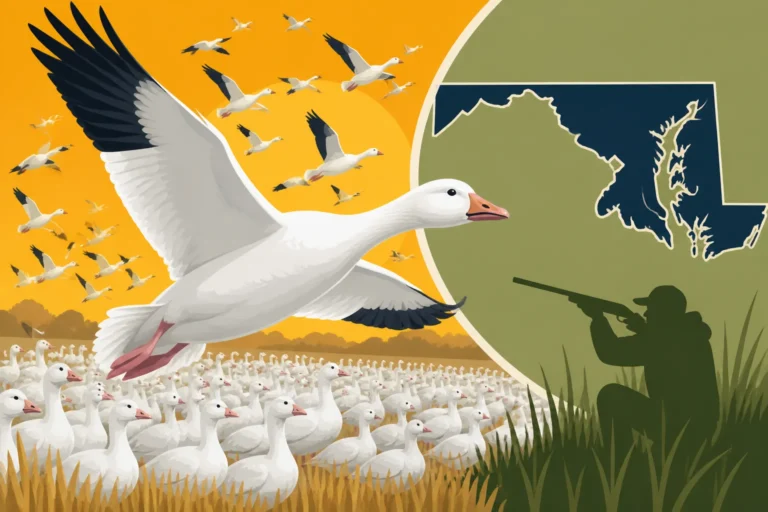
Snow goose population growth stems from successful Arctic breeding and abundant food along agricultural migration routes.
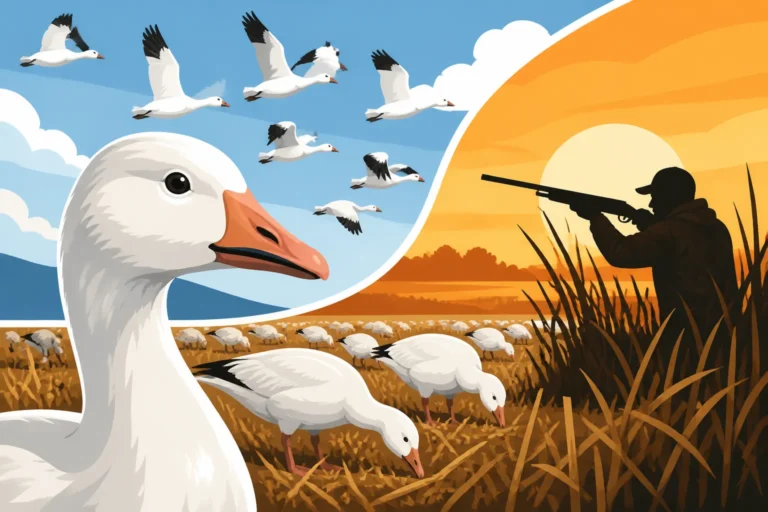
Snow goose feeding habits on Maryland’s Upper Eastern Shore target corn, soybeans, and winter wheat fields near the Chesapeake Bay.
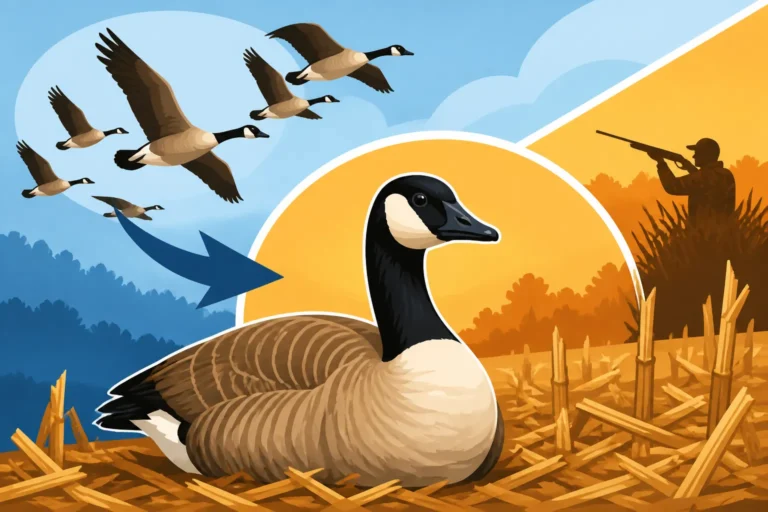
Maryland resident Canada geese stay all year instead of migrating because local human environments provide reliable food and water sources.
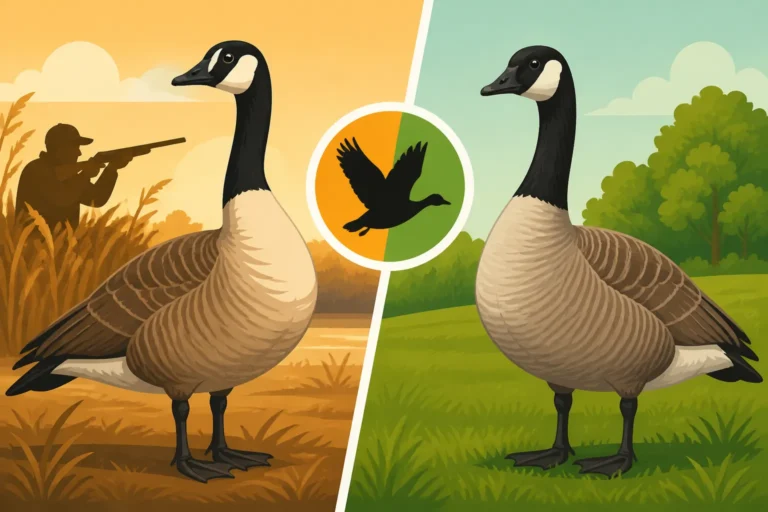
Resident Canada geese in Maryland are larger and heavier, while migratory Atlantic Population geese are smaller and sleeker.
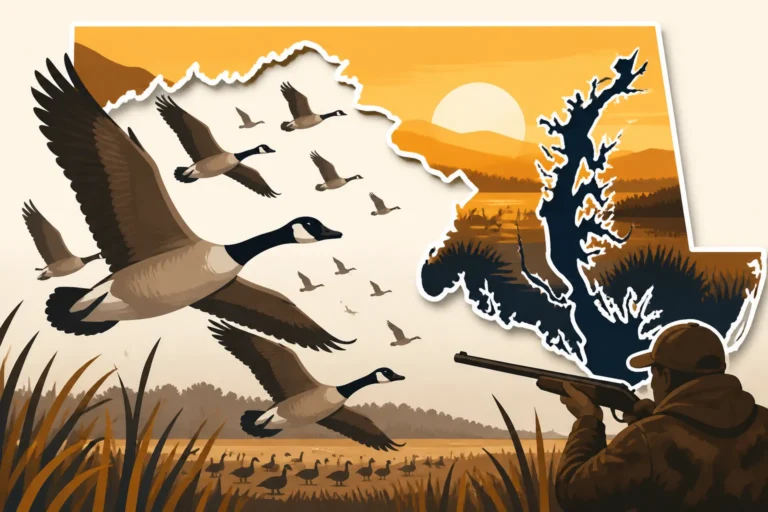
Maryland wintering Canada geese comprise two distinct groups: migratory Atlantic Population birds and year round resident geese.
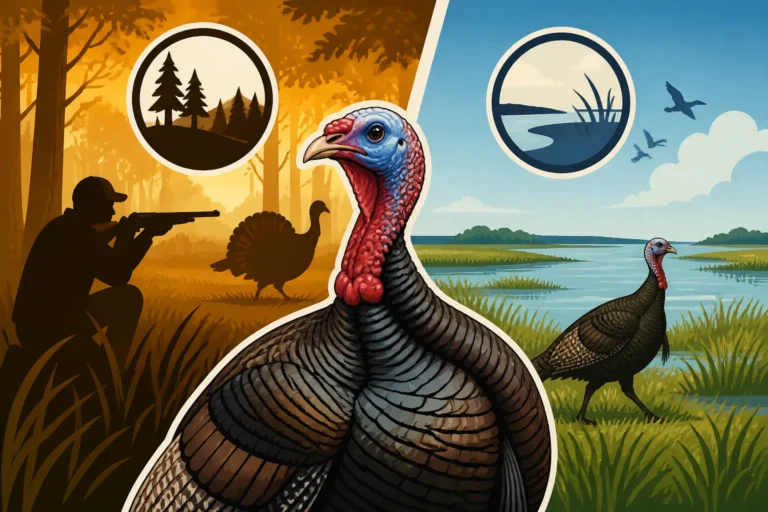
Maryland Eastern Shore wild turkeys live in flat agricultural landscapes and react differently to hunters because of abundant grain fields.
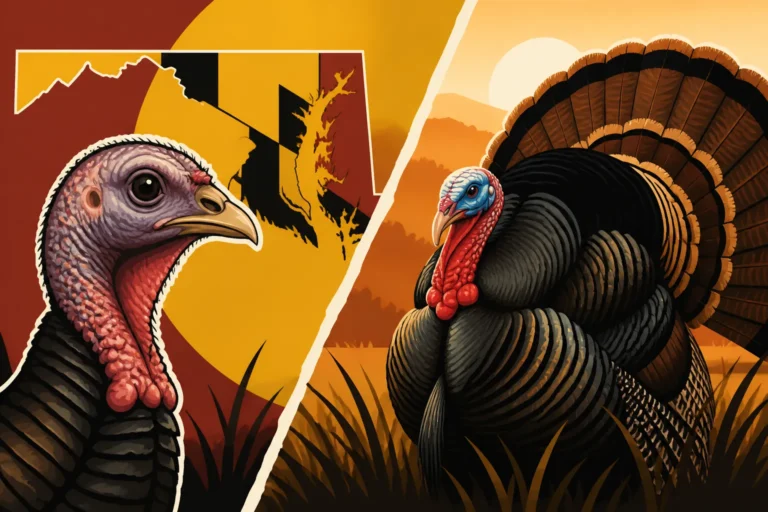
Maryland turkey hunting identification separates jakes from mature longbeards to ensure ethical and legal spring harvests.
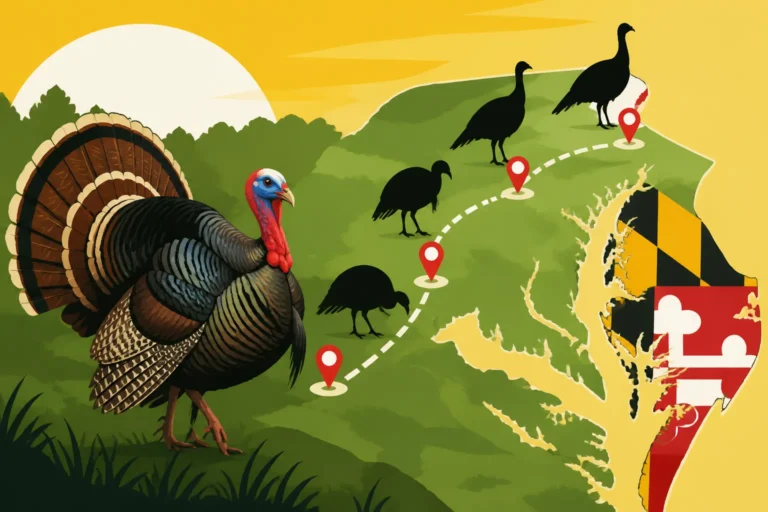
Maryland wild turkeys travel half a mile to a mile daily, moving from roost trees to foraging fields and midday resting covers.
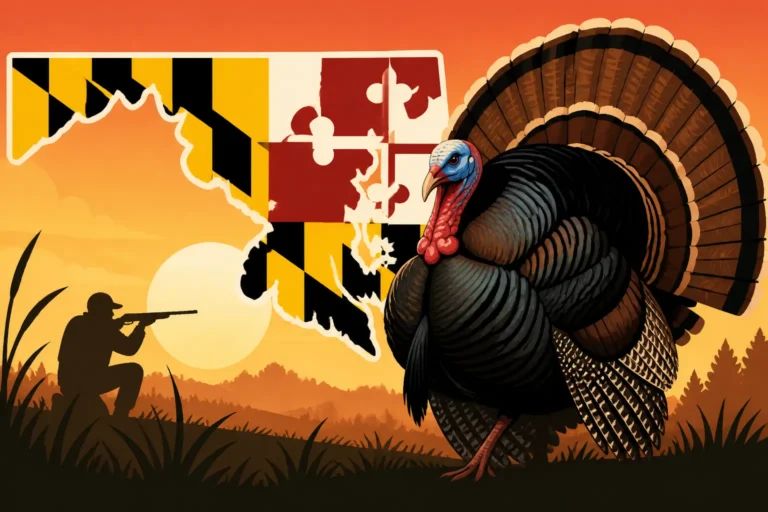
Maryland turkey behavior, driven by increasing daylight and surging hormones, explains when gobblers start strutting in early spring.
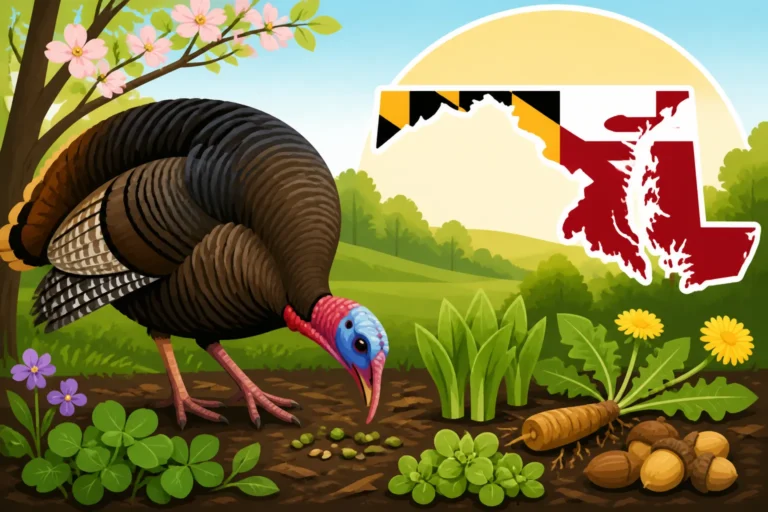
Maryland wild turkeys eat emerging greens, leftover acorns, winter wheat, and protein-rich insects throughout the spring season.