Why Snow Goose Numbers Keep Climbing
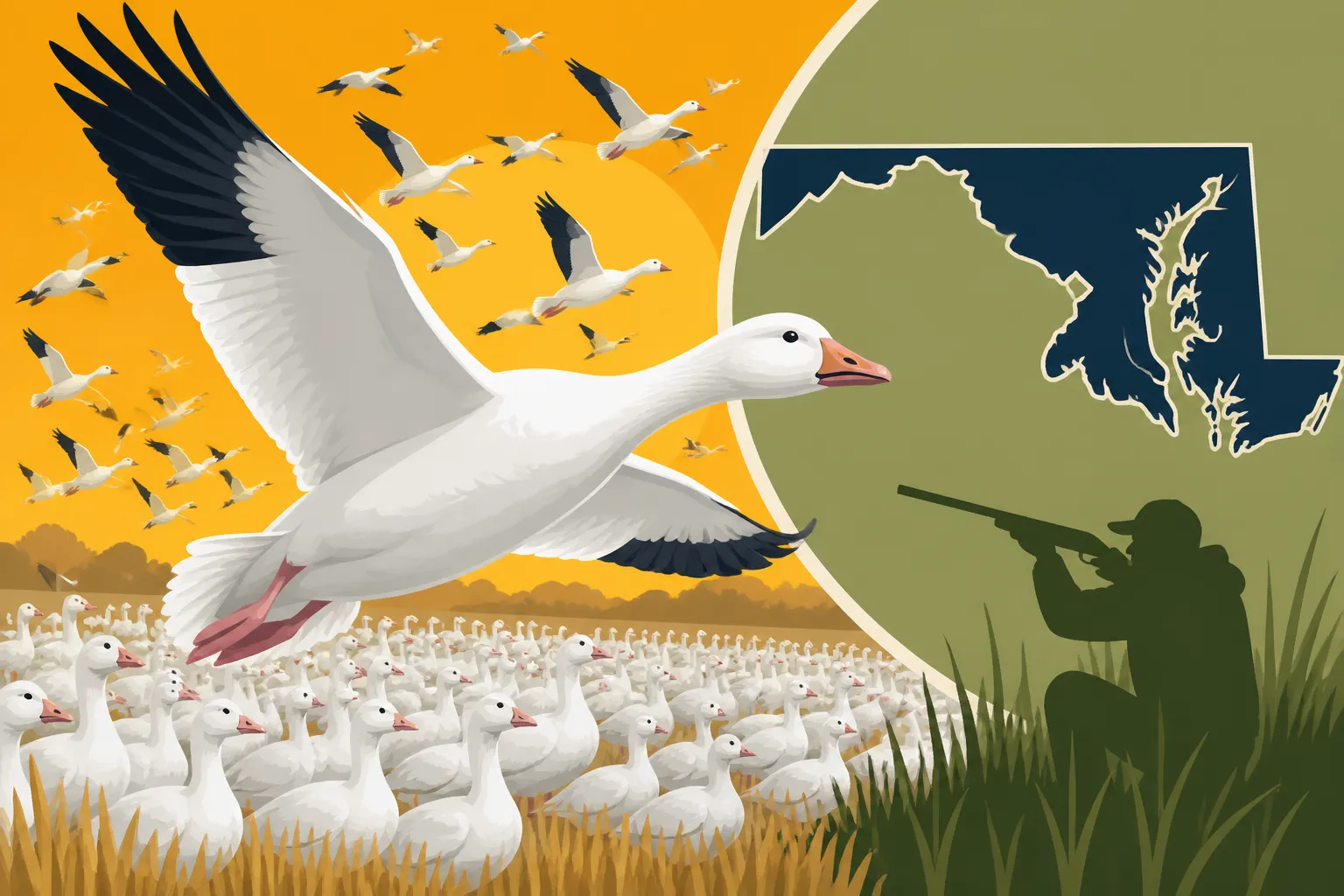
If you've spent any time hunting the fields of Maryland's Eastern Shore, especially in late winter, you've probably witnessed it: the overwhelming, almost dizzying spectacle of thousands upon thousands of snow geese. It’s a sight that leaves many hunters scratching their heads, wondering how on earth there can be so many, especially when other waterfowl populations seem to be a constant struggle. You're not alone in that observation; the sheer abundance of snow geese is truly remarkable, and it’s a story rooted in a unique combination of biology, environment, and human interaction. This guide dives deep into the fascinating reasons why snow goose numbers continue their upward trend, offering a clearer picture of this resilient and ever-present species.
The Unstoppable Arctic Breeding Machine
One of the primary drivers behind the escalating snow goose population lies squarely in their incredible breeding success and resilience in their Arctic nesting grounds. Unlike many other species that might struggle with unpredictable weather or limited food sources in harsh northern environments, snow geese seem almost perfectly adapted to thrive. They return to the Arctic with a singular focus: to lay eggs and raise as many young as possible in the short, intense summer.
Their nesting strategy is nothing short of phenomenal. Snow geese arrive in the Arctic in massive colonies, often numbering in the tens of thousands, immediately after the snowmelt. They lay large clutches of eggs, typically 4-6, sometimes more, in shallow nests on the tundra. This high reproductive rate gives them a significant edge. Furthermore, their precocial young – goslings that can walk and feed themselves shortly after hatching – allows them to capitalize on the brief Arctic summer without extended parental care in the nest. They're built for speed and efficiency when it comes to procreation.
Over the decades, changes in the Arctic environment have, in some ways, inadvertently favored snow geese. While climate change might bring challenges for some species, for snow geese, a longer open-water season and earlier snowmelt in certain areas can mean more time to forage and a longer breeding window. They are extremely adaptable, often able to switch nesting sites if one area becomes too disturbed or less productive, maintaining consistent reproductive output. This adaptability, combined with their sheer numbers, makes them a formidable breeding machine that pumps out new birds year after year.
An All-You-Can-Eat Buffet on the Migration Route
While their Arctic breeding grounds set the stage, the true secret to the snow goose boom might just be found thousands of miles south, right here in the agricultural heartlands they traverse during migration, including Maryland. Imagine flying thousands of miles, burning immense amounts of energy, only to arrive at stopover points and wintering grounds that are essentially endless, highly nutritious buffets. That's the reality for snow geese.
The shift in agricultural practices across North America, particularly the proliferation of large-scale grain farming, has provided an unprecedented food source for migrating and wintering snow geese. Fields of waste corn, soybeans, and winter wheat offer a high-energy diet that wasn't as readily available a century ago. These abundant food sources allow the geese to not only survive the winter but to actually build up significant fat reserves, which are critical for their arduous migration back to the Arctic and for successful breeding. A well-fed goose is a goose that lays more eggs and raises healthier goslings.
In Maryland, particularly on the Eastern Shore, vast expanses of farm fields provide crucial winter forage. After harvest, many fields still contain enough dropped grain to sustain huge flocks. Whether it's the corn stubble fields of Kent County or the soybean fields of Dorchester, these agricultural landscapes have become a haven. This easy access to high-calorie food means fewer birds succumb to starvation during the colder months, and those that survive are in peak condition to reproduce, fueling the population surge. You can often scout these fields using tools like GoHunt to pinpoint where the birds are concentrating.
Adaptive Feeding Strategies and Diet Flexibility
Snow geese aren't just benefitting from agriculture; they've also become incredibly adept at exploiting it. Their feeding strategies have evolved to maximize caloric intake from these abundant sources. While historically they might have grubbed for tubers and roots in marshlands and coastal plains – and they still do that, especially for species like the lesser snow goose – they've largely shifted their primary winter diet to agricultural waste grains.
This dietary flexibility is a massive advantage. If one field is picked over or covered in snow, they can simply move to another. They are also incredibly efficient grazers, capable of consuming large quantities of grain quickly. This often results in "burn out" spots in fields, where their intense feeding can decimate remaining crop residue. Such efficient feeding helps them sustain large numbers and minimizes competition for food, even within their massive flocks. It's a key reason why you see them in such dense groups.
Their physical adaptations also play a role. Snow geese possess strong bills adapted for grubbing and pulling up roots and grain kernels. They can also shift their feeding habits based on immediate availability and nutritional needs. This means they're not reliant on a single type of food source, making them incredibly resilient to changes in specific crop rotations or localized conditions. This adaptability ensures that they consistently find enough sustenance, even when conditions might challenge other, more specialized waterfowl.
Management Efforts and Hunter Response
The exponential growth of the snow goose population has not gone unnoticed by wildlife managers. In fact, their numbers have reached a point where they are causing significant ecological damage to their fragile Arctic nesting grounds, denuding vast areas of vegetation and threatening the habitat of other Arctic species. This concern led to the implementation of aggressive management strategies aimed at reducing their numbers.
One of the most significant responses has been the establishment of the Snow Goose Conservation Order Rules. This special hunt typically allows for extended seasons, increased bag limits, and the use of previously restricted hunting methods, such as electronic calls and unplugged shotguns, to encourage hunters to take more birds. The goal is clear: increase hunter harvest to help bring the population back to a more sustainable level. These liberal regulations are a direct acknowledgement of the population problem.
Hunters across Maryland and other flyway states have embraced the challenge, with many participating in these conservation order hunts. While bagging a snow goose can be notoriously difficult due to their wariness and sheer numbers, the conservation order provides a unique opportunity. It's an interesting dynamic where hunters are actively participating in wildlife management to help control an overabundant species. Tools like GoHunt can be invaluable for scouting large tracts of land for these elusive birds, helping hunters increase their chances during these challenging hunts.
Table: Snow Goose vs. Canada Goose Key Differences
| Feature | Snow Goose (Lesser Snow Goose) | Canada Goose (Atlantic Population/Resident) |
|---|---|---|
| Primary Breeding Habitat | Arctic Tundra (massive colonies) | Sub-Arctic to Temperate Zones (dispersed or smaller colonies) |
| Clutch Size (Eggs) | High (4-6+ eggs per nest) | Moderate (3-5 eggs per nest) |
| Diet (Winter) | Highly opportunistic; primarily agricultural waste grains (corn, wheat, soy) | More varied; waste grains, grasses, aquatic vegetation |
| Vocalization | High-pitched, often nasal "barking" or "honking" | Deeper, resonant "honk" |
| Population Trend | Rapidly increasing, currently overabundant | Stable to increasing (Atlantic) or overabundant (Resident) in many areas |
| Management Focus | Population reduction (Conservation Order) | Sustained harvest, local control (Resident) |
The Broader Environmental Impact
The ever-increasing number of snow geese isn't just a fascinating biological phenomenon or a boon for hunters during the conservation order; it's also a serious environmental concern, especially in their Arctic breeding grounds. The sheer volume of geese can literally turn vast expanses of fragile tundra into barren mudflats. Their "grubbing" behavior, where they pull up vegetation by the roots, destroys the delicate ecosystem that has taken centuries to form.
This habitat destruction has cascading effects on other Arctic wildlife. Many shorebirds, caribou, and other species rely on the same tundra vegetation for food and nesting cover. When snow geese decimate these areas, it displaces other wildlife and can lead to declines in their populations. It's a stark reminder that while one species might thrive, its unchecked growth can come at a significant cost to the broader ecosystem. This ecological imbalance is precisely what drives the urgent need for population management.
Furthermore, the vast migrations of these birds can impact agricultural areas they traverse. While farmers often tolerate some feeding by geese, extremely large flocks can cause significant crop damage, especially to newly sprouted winter wheat or emerging corn. This creates conflicts between wildlife conservation and agricultural livelihoods, adding another layer of complexity to managing this abundant species. Understanding these dynamics is crucial for anyone interested in Maryland's Canada Geese and Their Two Populations or Maryland Waterfowl Zones and Season Dates.
The story of the snow goose population boom is truly multifaceted. It's a testament to their incredible biological resilience, their uncanny ability to exploit human-modified landscapes, and the challenges wildlife managers face in balancing species populations. For hunters in Maryland, it means both an exciting, albeit challenging, opportunity during the Snow Goose Conservation Order Rules and a constant reminder of the intricate connections within our natural world. While you might be focused on Decoying Canada Geese on the Upper Eastern Shore or Pass-Shooting Geese Over Cut Corn for other species, the sight and sound of those massive snow goose flocks will always be a prominent feature of Maryland's waterfowl landscape.
Disclaimer
This article is for general informational purposes only and does not constitute professional advice. Laws, prices and regulations vary by location and change over time. Consult a qualified professional for guidance on your specific situation.