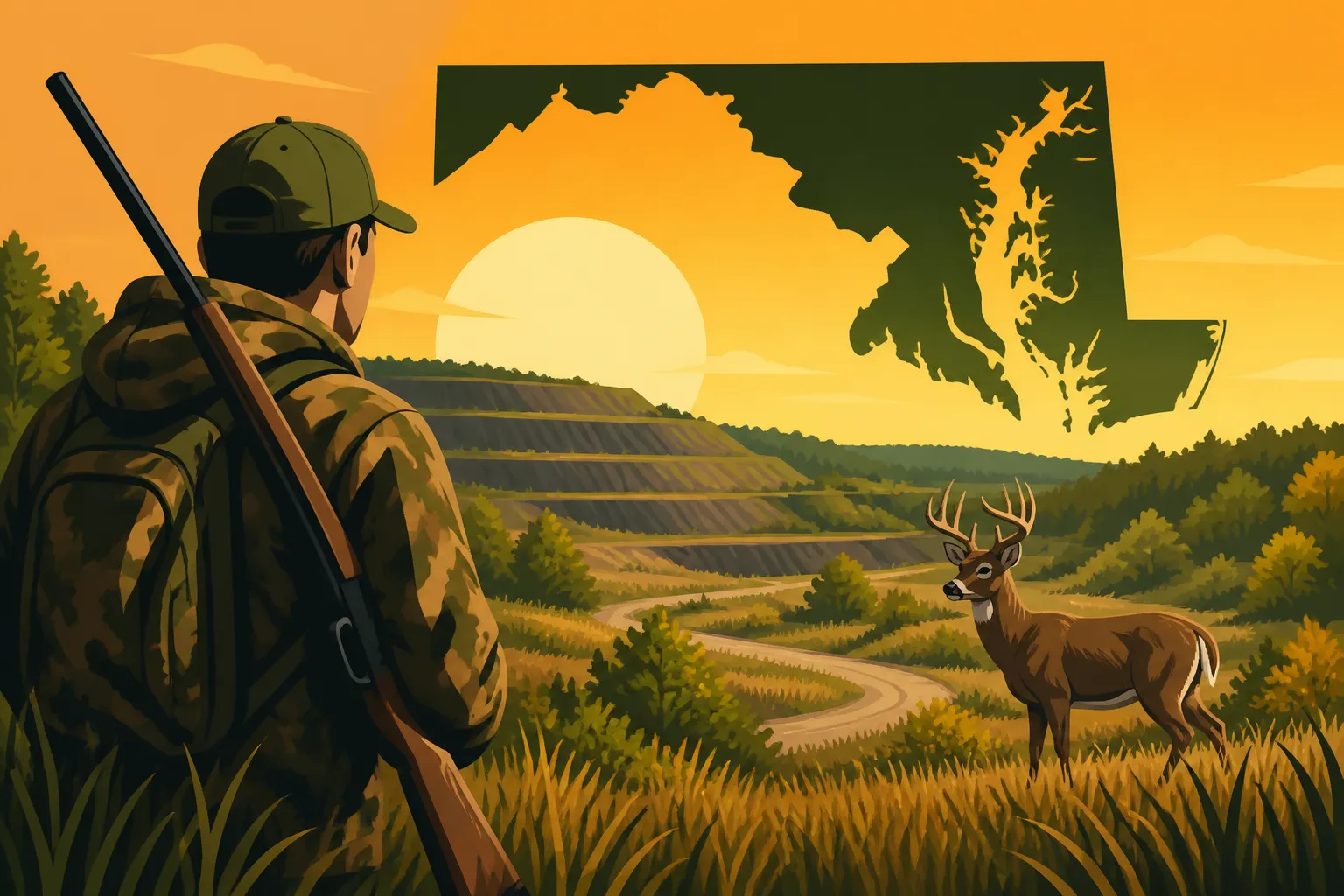
Hunting Maryland’s Reclaimed Mine Lands
Hunting reclaimed mine lands in Maryland can be an incredibly rewarding experience, offering unique challenges and diverse opportunities for the intrepid hunter. However, these aren't your typical managed forest lands or manicured farm edges. Many hunters get frustrated trying to figure out how to even access these areas, let alone how to effectively hunt them, due to their rugged terrain, sparse signage, and sometimes confusing history. This guide will walk you through everything you need to know about navigating and successfully hunting Maryland's reclaimed mine lands, uncovering their hidden potential.
Understanding Reclaimed Mine Lands in Maryland
When we talk about "reclaimed mine lands" in Maryland, we're primarily looking at the western part of the state, especially Allegany and Garrett counties. These are areas that were once extensively surface mined for coal, leaving behind a scarred landscape of spoil piles, highwalls, and acidic drainage. Over decades, these sites have undergone restoration efforts, transforming them into new ecosystems. But they are far from "natural" in the traditional sense, and understanding their unique characteristics is key to hunting them effectively.
What Makes Them Different
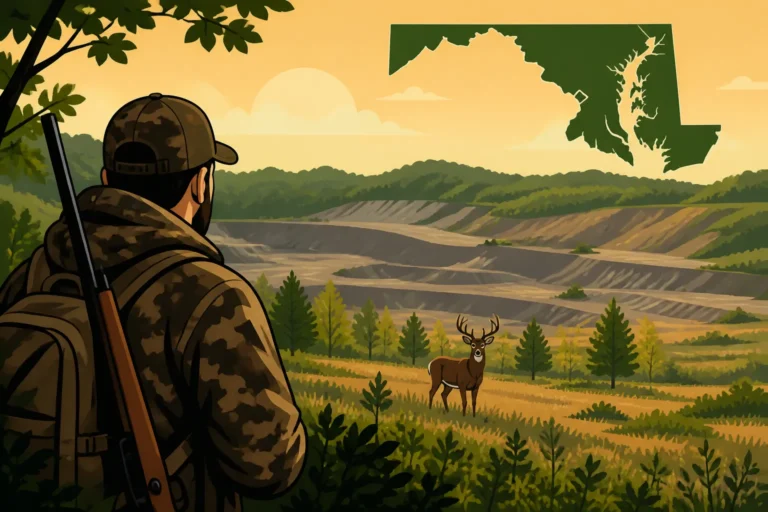
Unlike mature, old-growth forests or agricultural fields, reclaimed mine lands are a patchwork of different successional stages. You might find areas dominated by grasses and pioneering plants, dense thickets of young conifers planted for reforestation, or even bare rock and shale where reclamation is still ongoing or less successful. This creates a very different kind of habitat mosaic than what many Maryland hunters are accustomed to. The topography is often dramatic, with steep slopes, deep cuts, and sudden drops, a stark reminder of the earthmoving equipment that shaped the land. These areas can feel wild and untamed, offering a sense of solitude that's increasingly rare on more heavily trafficked public lands.
The Ecological Transformation
The reclamation process aims to stabilize the land, prevent erosion, improve water quality, and establish vegetation. Often, this involves flattening some of the more extreme contours, covering acidic soils with topsoil, and planting a mix of grasses, legumes, and trees. While native species are often prioritized, some non-native, fast-growing species might also have been used to quickly establish cover. This diverse planting regime, combined with the varied topography, creates unique microclimates and habitats. Areas with mature plantings can offer dense thermal cover and browse, while younger, open areas might provide crucial foraging opportunities. The result is a landscape that, while man-made in its origins, now supports a surprising array of wildlife, from deer and turkey to rabbits and coyotes. It's a testament to nature's resilience, even after significant disturbance, and offers a prime example of how land can be repurposed for conservation and recreation.
The Unique Challenges of Hunting Reclaimed Mine Lands
Hunting reclaimed mine lands is definitely not for the faint of heart or those seeking easy access. These areas present a distinct set of challenges that can deter many hunters, but for those willing to adapt, they often yield incredible opportunities precisely because of this difficulty. Forget about paved parking lots and well-marked trails in many spots; you'll be earning your access here.
Navigating Rugged Terrain
The terrain on reclaimed mine lands can be incredibly rugged and unforgiving. Picture steep, uneven slopes, often covered in loose rock or thick, brushy growth. You might encounter sudden drops, old haul roads that are overgrown or washed out, and areas with dense, nearly impenetrable thickets of saplings and briars. This isn't flat ground; it's a constant up-and-down, side-hill battle. Even areas that appear somewhat level on a map can be broken up by hidden swales, pits, or old spoil piles. This makes moving quietly a significant challenge, especially when still-hunting. Your physical conditioning will be tested, and you'll quickly learn the importance of sturdy, ankle-supporting boots. Still-Hunting Western Maryland Mountain Timber is a good read if you're not used to this kind of ground.
Identifying Productive Habitat Pockets
Because of the mosaic nature of reclaimed lands, finding where the game actually is can be like solving a puzzle. Unlike a mature oak flat where you know deer will be looking for acorns, or a marsh where sika deer seek phragmites, these areas don't always offer obvious patterns. Deer, turkeys, and small game will gravitate towards specific "pockets" of habitat that meet their needs for food, water, and cover. This might be a dense stand of young pines offering thermal protection, a patch of early successional hardwoods providing browse, or a secluded bench between two steep slopes. The challenge lies in identifying these productive areas amidst the less desirable ones. You'll need to develop an eye for subtle changes in vegetation, terrain features, and animal sign that indicate a good spot. It’s a process of elimination and keen observation, requiring more scouting than many other hunting environments.
Dealing with Limited Public Access Points
Access is often one of the biggest headaches when it comes to hunting reclaimed mine lands. While some areas might be designated as Wildlife Management Areas (WMAs) or State Forests, parking and designated entry points can be few and far between. Many of these lands are tucked away, requiring a good understanding of local roads and property boundaries. You might find yourself walking significant distances from your vehicle just to reach the huntable ground. Furthermore, some reclaimed areas might still be under private ownership, or managed by a mix of state agencies and private entities, making clear identification of public access crucial. Don't assume that just because it looks like public land, it actually is. Always double-check your maps and respect private property lines. The effort to gain access, however, often means less hunting pressure once you're in there.
Deer Hunting Strategies on Reclaimed Mine Lands
Deer thrive in the dense cover and varied terrain that reclaimed mine lands offer. While it can be tough slogging for the hunter, these areas provide incredible sanctuary for whitetails, allowing them to grow older and larger. Your approach needs to be different from hunting open farm fields or classic hardwood ridges.
Locating Prime Bedding and Feeding Areas
Deer on reclaimed mine lands are masters of using the complex topography and dense vegetation to their advantage. Prime bedding areas often consist of thick, young conifer stands (like planted pines or spruces), dense briar patches, or secluded benches and saddles high on spoil piles that offer good visibility and scent-checking ability. Look for areas where the wind swirls or thermals funnel, providing deer with an edge against predators.
Feeding areas can be more varied. Young, regenerating clearings or patches of early successional hardwoods provide abundant browse. Acorns, if present from scattered mature oak trees, will always be a magnet. Don't overlook low-lying, moist areas that might hold different forage. During late season, deer might concentrate on specific food sources that remain, such as green briar or even lichen on rocks, making these areas productive. Scouting is paramount. Use tools like onX Hunt to identify changes in vegetation types, contour lines, and potential water sources which can lead you to these spots.
Effective Still-Hunting and Stand Placement
Given the dense cover and broken terrain, still-hunting can be incredibly effective on reclaimed mine lands, especially during bow or muzzleloader seasons. Moving slowly, stopping frequently, and using the terrain to your advantage allows you to pick apart the cover. Focus on moving into the wind, or crosswind, utilizing the noisy ground to mask your footsteps. Follow old gas lines, mining roads, or faint game trails that cut through the thick stuff. Reading Sign in Maryland Mountain Timber can provide some valuable insights here, even if the timber is younger on mine lands.
When considering stand placement, look for natural funnels created by the topography – saddles between spoil piles, pinch points where dense cover narrows, or benches that deer use to traverse steep slopes. Edges where thick cover meets more open regenerating areas are also excellent spots. Since visibility can be limited, focus on areas where deer movement is concentrated, forcing them into closer range. A mobile approach with climbing or hang-on stands can be advantageous, allowing you to adapt to new sign or changing deer patterns. Be prepared to trim shooting lanes extensively.
The Impact of Heavy Cover on Deer Movement
The sheer amount of heavy cover on reclaimed mine lands fundamentally alters how deer move. Instead of wide-open travel corridors, deer will create tunnel-like trails through the dense vegetation. These trails are often deeply worn and incredibly tight, so you might have to literally crawl through them in places. Deer feel incredibly secure in these thickets, which means they are less likely to travel far to escape pressure, often circling back or simply holding tight. This can make tracking challenging but also means that patient, persistent hunting in these heavy cover areas can pay off. During the rut, mature bucks will use this cover to cruise for does without being easily spotted, making ambush points along these hidden travel routes highly effective. Hunting the Rut in Early to Mid November applies here, perhaps even more so, as bucks are still seeking cover.
Small Game and Predator Opportunities
While deer hunting often takes center stage, Maryland's reclaimed mine lands offer fantastic opportunities for small game and predator hunting as well. The varied habitat provides homes for a diverse range of species, making these areas dynamic and exciting for different types of hunts.
Rabbit and Grouse Habitat
The mix of dense brush, briar thickets, and regenerating clearings makes reclaimed mine lands prime habitat for cottontail rabbits. These areas provide both abundant food in the form of young vegetation and impenetrable cover from predators. Hunters with beagles can have incredible success working these thick patches, though it requires physical effort to keep up. Rabbit Hunting Maryland Farm Hedgerows might give you some ideas, but swap "farm hedgerows" for "mine land thickets." Look for sunny slopes with dense, low-growing vegetation.
Ruffed grouse, though declining in many parts of Maryland, can still be found in pockets of western Maryland's reclaimed lands, particularly where there's a mix of young, aspen-like growth and older, more mature timber edges. They rely on dense, early successional forests for cover and food. The challenge of finding grouse in these thickets is part of the allure, and the explosive flush of a bird can be quite exhilarating. A good bird dog is almost essential for consistent success.
Coyote and Fox Hunting Potential
The abundance of small game, deer, and the wild nature of these lands make them excellent territory for predators like coyotes and foxes. Coyotes, in particular, thrive in varied landscapes that offer both dense cover for denning and travel, and open areas for hunting. The broken topography and old haul roads provide ideal vantage points for calling setups, allowing you to survey a large area.
Calling coyotes on reclaimed mine lands can be highly productive, especially during the colder months when prey is scarcer. Using distress calls can draw them in from surprising distances. Foxes also inhabit these areas, particularly the grays, which are excellent climbers and utilize the dense brush and rocky outcrops. Predator hunting on reclaimed mine lands offers a challenging and active pursuit, contributing to local wildlife management by helping to balance prey populations. Coyote Calling in Maryland Farm Country is a great resource, but remember the setting is different here – swap "farm fields" for "overgrown clear-cuts."
Essential Gear and Safety Considerations
Hunting reclaimed mine lands demands specific gear and a heightened awareness of safety. The unique environment, with its challenging terrain and potential hidden hazards, means you need to be well-prepared for anything. Cutting corners on gear here can lead to a miserable, or even dangerous, experience.
Footwear and Clothing for Demanding Terrain
Your feet are your most important tool when tackling reclaimed mine lands. Invest in high-quality, waterproof hunting boots that offer excellent ankle support and a stiff sole. The uneven ground, loose rock, and steep slopes will punish lesser footwear. Blisters are a common complaint from hunters who underestimate the demands of this terrain, so broken-in boots are a must. Consider wearing gaiters to keep debris out of your boots and protect your lower legs from briars.
Clothing should be durable, briar-resistant, and layered. You'll be working hard, generating a lot of body heat, even in cold weather. Wicking base layers are crucial to manage sweat. Outer layers should protect against thorns and thick brush. Blaze orange is a non-negotiable, especially during firearms seasons, given the often-limited visibility. Carry more than the minimum required How Much Blaze Orange Maryland Requires to ensure you're visible from all angles.
Navigation Tools and Emergency Preparedness
Lost in the labyrinth of old mine cuts and spoil piles is not where you want to be. A reliable GPS unit or a smartphone with a robust mapping app like onX Hunt is absolutely essential. Download offline maps before you go, as cell service is often spotty or non-existent in these remote areas. Mark your vehicle's location and any key features or trails. A physical compass and map, and the knowledge to use them, should always be a backup.
Beyond navigation, carry a comprehensive emergency kit. This includes a first-aid kit, a headlamp with extra batteries, fire-starting materials, a knife, enough water and high-energy snacks for longer than you expect to be out, and a whistle. Consider carrying a personal locator beacon (PLB) or satellite messenger, especially if hunting alone. Tell someone exactly where you are going and when you expect to return. The ruggedness that makes these areas great for hunting also makes them challenging for emergency services to access.
Understanding Old Mine Hazards
It's critical to be aware of the lingering hazards on reclaimed mine lands. While reclamation efforts aim to make these areas safe, remnants of their industrial past can still pose dangers. These include:
- Highwalls and Steep Drop-Offs: Sudden, sheer cliffs that were once part of the mining operation. Always be cautious near abrupt changes in elevation.
- Unstable Spoil Piles: Loose rock and soil on steep slopes can shift unexpectedly, causing falls or slides.
- Acid Mine Drainage: Pockets of water, especially stagnant ponds or slow-moving streams, can be highly acidic and contain heavy metals, making them unsuitable for drinking and potentially harmful to skin. Avoid contact where possible and never drink from them.
- Hidden Openings: While rare, uncapped mine shafts or subsidence holes can exist. Stick to well-traveled routes if possible, and be vigilant.
- Old Equipment or Debris: Though most heavy equipment is removed, you might still encounter metal fragments, cables, or other industrial waste.
Always stay alert, watch your footing, and treat any unfamiliar feature with caution. The beauty of these reborn landscapes hides a rugged history that still demands respect.
Navigating Access and Regulations
Successfully hunting Maryland's reclaimed mine lands isn't just about understanding the game; it's equally about understanding the rules of the land. These properties are often complex regarding ownership and specific regulations, and knowing where you can and cannot go is paramount.
Identifying Open-Access Areas
Many of Maryland's reclaimed mine lands are managed under the umbrella of State Forests or Wildlife Management Areas (WMAs). Good examples include parts of Green Ridge State Forest or Savage River State Forest, which have undergone reclamation projects over the years. However, not every acre within these broader boundaries might be reclaimed, and not every reclaimed acre is necessarily public.
Your first step should always be to consult the Maryland Department of Natural Resources (DNR) website for maps and regulations specific to potential hunting areas. Look for detailed WMA maps or State Forest management plans. These resources will typically highlight areas open to hunting, designated access points, and any special restrictions. Don't assume. Always verify. Public Hunting Land in Maryland is a critical resource to check before you even leave your driveway.
Understanding Specific WMA Rules
Even once you've confirmed public access, each Wildlife Management Area or State Forest can have its own unique set of rules. For example, some WMAs might require special permits for hunting certain species or for access during specific seasons. Others might have restrictions on vehicle use, requiring you to park and walk further than you'd like. There could be specific rules about Treestand Rules on Maryland Public Land or ground blinds.
It's not uncommon for reclaimed mine lands, due to their unique ecology and ongoing restoration, to have additional guidelines designed to protect sensitive areas or ensure public safety. Always check the signage at entry points, read the specific regulations for that public land unit, and adhere strictly to them. Ignorance of the rules is never an excuse, and violating them can lead to fines, loss of hunting privileges, and even damage to crucial conservation efforts.
Leveraging Digital Mapping Tools
This is where modern technology truly shines for hunting these challenging landscapes. Tools like onX Hunt are invaluable for navigating reclaimed mine lands. They allow you to:
- Identify property boundaries: Clearly see the lines between public and private land, preventing accidental trespass.
- Visualize topography: Understand the steepness of slopes, identify saddles, draws, and benches that might not be obvious on a paper map.
- Scout vegetation types: Some mapping layers can show different forest or habitat types, helping you pinpoint likely bedding or feeding areas.
- Mark waypoints: Drop pins for old roads, potential water sources, game sign, or your vehicle's location.
- Offline capability: As mentioned,
onX Huntallows you to download maps for areas with no cell service, which is a lifesaver in these remote locations.
Before heading out, spend considerable time e-scouting with these tools. Identify potential access points, plan your routes, and mark areas of interest. This preparatory work can save you immense amounts of time and energy on the ground, making your hunt safer and more efficient. For those who enjoy planning and strategic hunting, this level of detail offers a tremendous advantage.
| Feature | Benefits on Reclaimed Mine Lands | Why it's Important |
|---|---|---|
| Rugged Terrain | Offers seclusion, natural funnels, challenging for other hunters | Requires physical stamina, durable boots, strategic movement for still-hunting |
| Dense Cover | Excellent deer sanctuary, thermal cover, security for all game | Limits visibility, requires closer shots, good for still-hunting and ambush points |
| Varied Habitat | Diverse food sources and cover for multiple species | Demands keen scouting to identify productive pockets and animal concentrations |
| Limited Access | Reduces hunting pressure from other individuals | Requires thorough e-scouting, map reading, and sometimes long walks |
| Old Mine Hazards | A unique historical aspect to be aware of | Mandates heightened safety awareness, good navigation, and emergency preparedness |
| Public Ownership | Open to all licensed hunters in specified areas | Requires understanding WMA/State Forest rules, permits, and specific regulations |
Disclaimer
This article is for general informational purposes only and does not constitute professional advice. Laws, prices and regulations vary by location and change over time. Consult a qualified professional for guidance on your specific situation.