Opening Weekend Crowds on Maryland Public Land
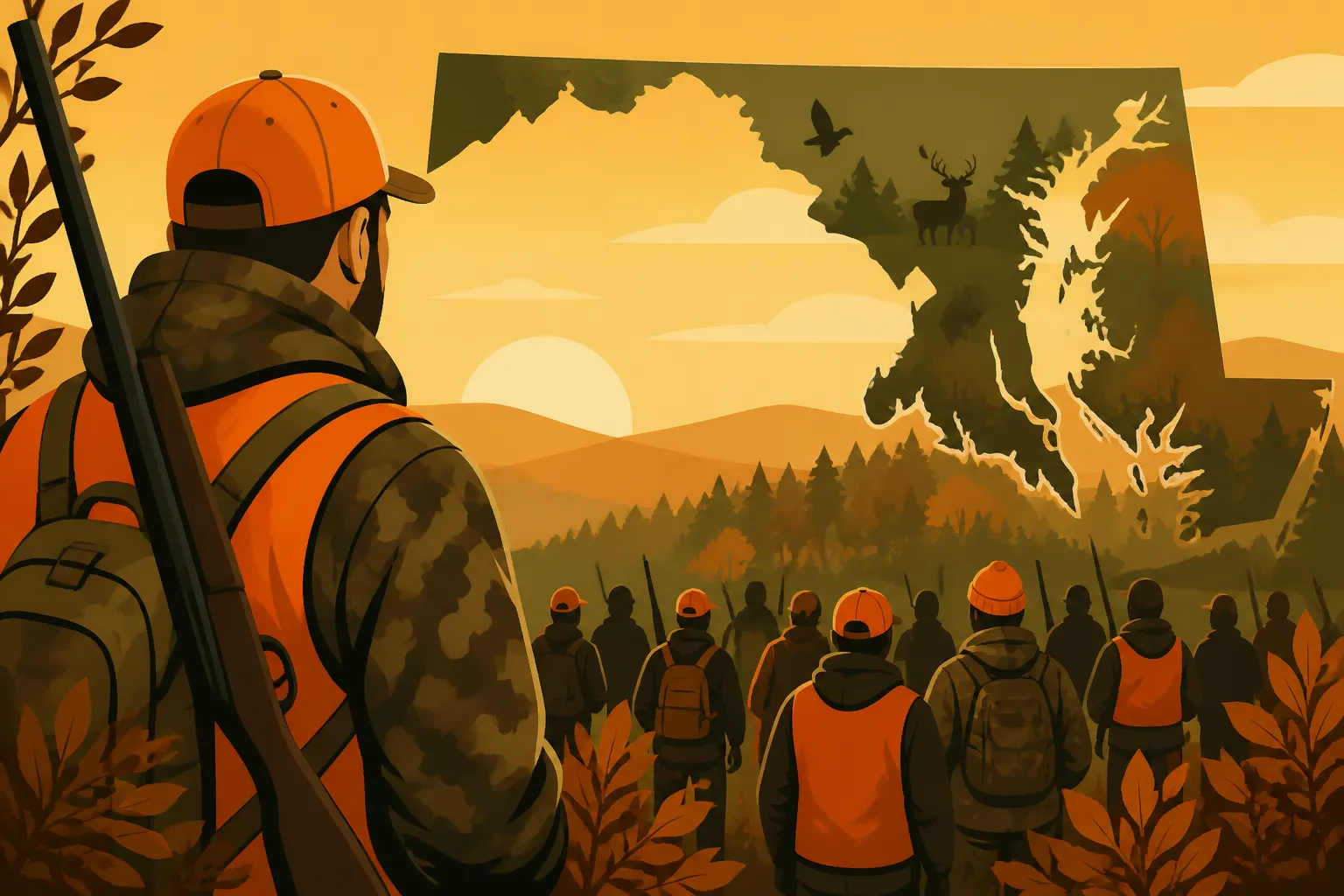
The thrill of opening weekend on Maryland public land is undeniable, but so is the deflating feeling of pulling into a parking lot before dawn only to find it already packed with trucks and trailers. It’s a common frustration for many hunters, creating a sense of urgency and competition before you even step foot in the woods. This guide aims to help you navigate those notorious opening weekend crowds, equipping you with strategies and insights to find quieter corners and a more rewarding experience, even when everyone else has the same idea.
Understanding Why Opening Weekend Draws Such a Crowd
Let's face it, opening day is almost a holiday for many of us. There’s a palpable excitement in the air, a culmination of months of scouting, gear prep, and anticipation. But this collective enthusiasm, while wonderful in spirit, creates a very real challenge when it comes to finding solitude on public ground. Understanding why these areas get so busy can help you predict where the pressure will be and, more importantly, where it might not.
The Allure of Tradition and First Opportunity
For many, opening weekend isn't just about bagging a deer or a limit of birds; it's a deep-seated tradition. Families gather, friends reunite, and there's a strong desire to be out there on the very first day. This cultural aspect drives a significant portion of the crowd. Add to that the simple fact that it’s the first chance to hunt a particular species after a long wait, and you've got a perfect recipe for high traffic. Everyone wants that initial shot, that chance to capitalize on animals that haven't been pressured yet. This is especially true for popular seasons like the statewide archery opener in September or the firearms deer season kickoff in November. The collective hope is that a less-pressured animal will be more predictable.
Limited Access and Perceived Best Spots
Maryland offers a variety of public hunting opportunities, from sprawling state forests to smaller wildlife management areas (WMAs), but compared to some western states, our public land footprint isn't massive. This can lead to concentrated pressure on available tracts, especially those known for good deer or turkey numbers. Hunters often gravitate to the easiest-to-access areas, like those with well-maintained parking lots and obvious trail systems. These perceived "best spots" — perhaps a field edge, a known bedding area, or a popular creek crossing — become magnets for hunters. If you've ever seen a dozen trucks parked along a two-track road leading into a WMA, you know exactly what I'm talking about. Everyone reads the same scouting reports, looks at the same aerial photos, and often comes to similar conclusions about where to go. This isn't a knock on anyone's scouting; it's simply a reality of shared resources.
The "I Have To Be There" Mentality
There's a strong psychological pull to be part of the opening day action. Missing out feels like a lost opportunity, a chance potentially squandered. This "fear of missing out" (FOMO) means many hunters prioritize being out there, even if it means bumping into others. They'd rather be among the crowds than sitting at home wondering what they're missing. This mindset often overlooks the potential downsides: spooked game, safety concerns, and the simple lack of the quiet, immersive experience many of us seek in the woods. The idea that "the big one" will be taken on opening day if you're not there can be a powerful motivator.
Strategies for Finding Solitude Amidst the Crowds
While opening weekend crowds are a reality, they don't have to ruin your hunt. With a bit of strategic thinking and a willingness to work harder than the next person, you can absolutely find pockets of solitude and increase your chances of success. It's all about playing the odds and understanding hunter behavior.
Go Deeper, Go Harder: The Path Less Traveled
This is the most time-tested advice for a reason: most hunters don't want to walk too far. The majority of opening weekend pressure will be within the first half-mile to a mile of parking areas, trailheads, and easily accessible roads. To truly escape the crowds, you often need to commit to going deeper. This means:
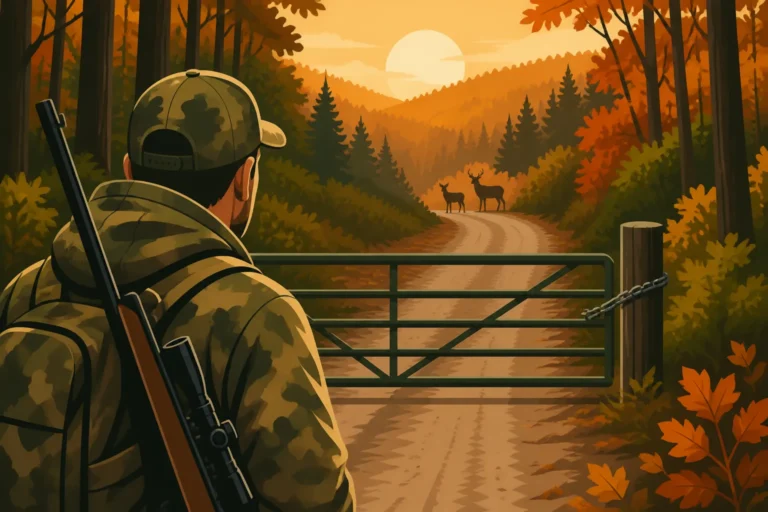
- Embrace the Hike: Plan for longer treks into remote sections of a state forest or WMA. This might involve strapping on a pack, carrying extra water, and being prepared for an all-day affair. Consider areas that require a significant hike or even a boat access, if applicable, to truly separate yourself. Hunting a Gated Forest Road Beyond the Lot is a great way to access areas others overlook.
- Target Tough Terrain: Look for areas on a map that feature challenging topography – steep hills, thick swamps, dense briar patches, or rugged creek bottoms. These are natural deterrents for many hunters. While it might be a tougher climb in, you'll often find less-pressured game on the other side. A small ravine or an unexpected rock outcrop can be enough to funnel deer away from the easy paths.
- Utilize Mapping Software: Tools like onX Hunt are invaluable here. You can identify property lines, topography, and even public/private land interfaces that might create natural barriers or pinch points where game feels secure. Look for those hidden corners where public land extends beyond a well-worn trail or a section that requires navigating some less-than-ideal terrain to reach. This kind of detailed scouting on your computer before you even leave the house can save you hours of wasted effort.
Hunting Weekdays Instead of Weekends
If your schedule allows, the single most effective way to avoid opening weekend crowds is to simply not hunt opening weekend. The pressure on public land typically drops significantly after the first two or three days of any season.
- Mid-Week Magic: If you can take a day off work or shift your schedule, hunting on a Tuesday, Wednesday, or Thursday a week or two after opening day will often feel like you have the entire woods to yourself. The deer will still be active, and they'll be far less wary without a constant stream of hunters moving through their territory. This allows you to hunt more naturally, taking your time, and experiencing the true solitude of the outdoors.
- Late Season Rewards: Don't discount the late season. While the weather can be colder and conditions tougher, many hunters have filled their tags or simply lost enthusiasm by late December or January. This means less competition for prime spots and often more predictable deer behavior as they focus heavily on remaining food sources. Late Season Food Sources for Maryland Deer can be crucial in these quieter times.
Focusing on Overlooked Species or Areas
Sometimes, the best way to escape the crowd is to simply hunt what everyone else isn't. While deer and turkey get the lion's share of opening weekend attention, Maryland offers other fantastic hunting opportunities.
- Small Game Opportunities: While everyone else is focused on deer, consider chasing squirrels, rabbits, or even pheasants on designated release areas. Small game hunting often requires different tactics and usually takes you into different types of cover than big game, meaning less direct competition. Squirrel Hunting Maryland Hardwood Ridges or Rabbit Hunting Maryland Farm Hedgerows can offer a truly enjoyable and uncrowded experience. These pursuits can also be fantastic for introducing new hunters to the field without the pressure of an antlered buck.
- Unique Terrain for Big Game: Instead of sticking to the classic hardwood ridges, explore different habitat types. For instance, in parts of the Eastern Shore, some hunters focus on Sika Deer Hunting in Maryland's Tidal Marshes. This unique environment naturally deters many hunters who aren't equipped or willing to deal with the mud, water, and dense vegetation. While it's a niche hunt, it's often a much more solitary experience once you're in the marsh.
Leveraging Technology for Smarter Hunting
In today's hunting world, technology isn't just about fancy scopes; it's about smarter scouting and navigating the landscape. Utilizing digital tools can give you a significant edge in avoiding crowded areas and finding those hidden gems on public land.
Digital Mapping: Your Eye in the Sky
Gone are the days of relying solely on paper maps, though they still have their place as a backup. Digital mapping applications have revolutionized how we scout and hunt, especially on public land.
- Boundary Lines and Land Ownership: The biggest advantage of apps like onX Hunt is the ability to instantly see property boundaries. On public land, this is critical. It allows you to confirm you're on legal ground, but more importantly, it helps you identify public land fingers or secluded corners that might butt up against private property, forming natural sanctuaries where deer feel safe from hunters on the easily accessible public side. You can see precisely where public land ends and private land begins, helping you avoid accidental trespass and strategically position yourself. This is incredibly helpful when you're trying to Finding Maryland Property Lines Before You Hunt.
- Topography and Satellite Imagery: High-resolution satellite imagery helps you identify key habitat features from your couch. Look for thick cover, natural funnels, potential bedding areas, and water sources. Combining this with topographic maps allows you to find steep ridges, deep ravines, or swampy areas that are difficult to access, which often equate to less hunter pressure. You can literally trace out a route that avoids common trails and takes you through more challenging, but less-traveled, terrain.
- Hunter Activity Layers: Some apps offer layers that show public land access points, parking areas, and even historical hunter activity. While you can't see live hunter locations (and shouldn't expect to), understanding where the most common entry points are can help you plan your approach from a different direction or identify areas that are likely to be heavily pressured. This insight is powerful for finding less-used sections of a WMA or State Forest.
Online Scouting Resources and Hunter Forums
Beyond just mapping, the internet offers a wealth of information if you know where to look. While you need to sift through opinions, some resources can provide valuable insights.
- State DNR Websites: The Maryland Department of Natural Resources (DNR) website is a treasure trove of information. They often have maps of WMAs, specific regulations for public lands, and sometimes even reports on hunter harvests or surveys that can indicate pressure levels in certain regions. Looking up specific Maryland's Wildlife Management Areas or Maryland's State Forests Open to Hunters can yield detailed maps and rules.
- Hunting Forums and Social Media Groups: Be careful with these, as some information can be misleading or outdated, but often you can glean general insights into hunter behavior or local conditions. You might find discussions about what certain areas are known for, or get a general sense of how busy specific tracts tend to be. Websites like GoHunt might offer state-specific forums or articles that provide general strategic advice for public land hunting, allowing you to learn from the collective experience of others. Always take advice with a grain of salt and cross-reference with official sources.
- Weather and Seasonal Patterns: Use online weather forecasts to plan your hunt around less favorable conditions that might deter other hunters, such as a cold front, light rain, or high winds. While these might make for a less comfortable hunt, they often thin out the crowds. Animals also tend to move more predictably during certain weather events.
Maximizing Your Public Land Experience Beyond Opening Weekend
The truth is, while opening weekend offers unique energy, the most consistent and often most rewarding public land hunting usually happens after the initial frenzy subsides. Smart hunters know that the woods settle down quickly, and the opportunities can actually improve.
The Mid-Season Advantage
Once the initial rush of opening day and the first weekend are over, a different rhythm settles into the woods. Deer, turkey, and other game animals will have adjusted to some level of pressure, but the sheer volume of hunters will have dropped considerably.
- Predictable Animal Behavior: After being bumped around, animals will often revert to more predictable patterns, seeking out secure bedding areas and predictable feeding routes. They become much more responsive to calling or patient stand hunting. This is when your in-depth scouting really pays off, allowing you to intercept animals moving between cover and food. Hunting the Rut in Early to Mid November on a weekday can be incredibly productive, as bucks are often less cautious.
- More Space to Hunt: With fewer hunters, you have more freedom to move and explore. You won't feel as confined to a small area or worry as much about another hunter walking through your setup. This allows for still-hunting, slow-stalking, or setting up in areas you might have avoided on opening day due to perceived pressure. Consider Still-Hunting Western Maryland Mountain Timber during a quiet mid-week afternoon.
- Adapting to Pressure: Even if there's still some pressure, deer quickly learn where safe zones are. Look for thickets, swamps, or even small overlooked parcels near private land that act as sanctuaries. Deer will often bed down in these areas during the day and only move out at dusk or dawn. Finding these security cover spots is key to consistent success.
Late Season Opportunities
Don't hang up your gear too soon! Maryland's late seasons often offer excellent hunting, especially for those willing to brave the colder weather.
- Food Source Focus: By late season, many natural food sources are depleted. Deer will concentrate heavily on remaining acorns, browse, or agricultural fields. Identifying these key food sources becomes paramount. Late Season Food Sources for Maryland Deer will often dictate where deer are, and thus, where hunters should be.
- Minimal Hunter Competition: The woods are typically quiet during the late firearms or muzzleloader seasons in December and January. Many hunters are done for the year, leaving ample space for dedicated individuals. This can be a fantastic time for still-hunting or methodical stand hunting. Hunting the January Firearms Reopening can be a surprisingly peaceful and productive time.
- Snow Tracking: If we get snow, late season offers the ultimate scouting tool: fresh tracks. You can easily identify travel corridors, bedding areas, and feeding zones. This visual evidence makes it much easier to plan an effective hunt.
Public Land Hunter Behavior & Counter-Strategies
| Hunter Behavior on Opening Weekend | Counter-Strategy for Solitude | Best for (Game/Location) |
|---|---|---|
| Crowding at easily accessible spots | Hike further in, target remote areas >1 mile from parking. | Deer/Turkey in State Forests (Green Ridge, Savage River) |
| Hunting visible trails/road edges | Bushwhack off-trail, use thick cover as entry/exit. | Deer in WMAs (Indian Springs, Sideling Hill) |
| Hunting popular food plots/field edges | Focus on deep cover bedding areas or lesser-known food sources. | Deer/Small Game in less-used parts of WMAs |
| Morning rush, then midday lull at truck | Hunt all day, especially 10 AM-2 PM when others are resting. | Deer in any public land |
| Leaving at first sign of adverse weather | Hunt during light rain, snow, or high winds (safely). | Deer/Small Game in varied public areas |
| Ignoring challenging terrain | Seek out steep ravines, thick swamps, or dense briar patches. | Sika Deer in tidal marshes (Fishing Bay, Deal Island) |
Navigating opening weekend crowds on Maryland public land doesn't mean you have to give up on the excitement of the season opener. It just means being a little smarter, a little tougher, and sometimes, a little more patient. By understanding why crowds gather, employing strategic tactics, and leveraging modern tools, you can transform a potentially frustrating experience into a rewarding and successful hunt. Whether you're hiking deeper into the Western Maryland mountains or slip-hunting a quiet Eastern Shore WMA, the solitude and the game are out there for those willing to work for it.
Disclaimer
This article is for general informational purposes only and does not constitute professional advice. Laws, prices and regulations vary by location and change over time. Consult a qualified professional for guidance on your specific situation.