Asking a Maryland Landowner for Permission
One of the biggest hurdles many Maryland hunters face isn't learning how to shoot straight or calling in game, but simply finding a good place to hunt. With public land often crowded and permission becoming harder to come by, approaching a private landowner can feel intimidating. This guide is here to walk you through the process, helping you understand how to respectfully and effectively ask for hunting permission in Maryland, increasing your chances of gaining access to those coveted private acres.
Understanding the Landowner's Perspective
Before you even think about knocking on a door or making a phone call, you need to put yourself in the shoes of the landowner. They own that ground, and for them, it's not just a place to hunt; it's their home, their livelihood, or their sanctuary. Approaching them with empathy and understanding will set you miles ahead of the competition.
Why Landowners Might Say No
Let's be real: landowners have been burned before. They've probably had hunters trespass, leave gates open, litter, damage crops, or even shoot too close to their homes or livestock. These negative experiences build up over time and create a natural distrust of strangers asking for access. They worry about liability if you get hurt on their property, especially with all the stories you hear these days. They might have specific concerns about their children or pets being safe, or they simply value their peace and quiet. Some landowners might even have relatives or friends who hunt the property already, and they don't want to create any awkward situations by adding another person to the mix. It's not usually personal; it's often a combination of past bad experiences and genuine concerns for safety and privacy. This is why your approach needs to be respectful and reassuring, addressing these unspoken worries head-on.
What Landowners Value in a Hunter
Conversely, if a landowner does decide to grant permission, it's usually because you've demonstrated qualities that they value. At the top of that list is respect – respect for their property, their privacy, their family, and their rules. They want someone who is responsible, who understands Maryland Trespass and Permission Law, and who will treat their land as if it were their own. Safety is paramount; they need to trust that you're a safe hunter, understand Maryland Hunter Education Requirements, and won't put anyone or anything in danger. Honesty and clear communication are also huge. They want to know when you'll be there, what you're hunting, and where you'll be. Offering to help out around the farm or property can also go a long way. Maybe they need a hand mending fences, clearing brush, or even just keeping an eye on things when they're away. Building a relationship based on mutual trust and benefit is the ultimate goal.
Pre-Approach Research: Knowing Before You Ask
Never approach a landowner cold. The more homework you do beforehand, the more prepared and credible you'll appear. This preparation demonstrates your seriousness and respect for their property.
Identifying Potential Properties and Landowners
This is where technology really shines. Start by looking at aerial maps of your desired hunting areas. You might be interested in Hunting the Edge of a Soybean Field at Dusk or perhaps Hunting a Funnel Between Two Grain Fields. Identify parcels that look like good habitat, especially those bordering public land or large tracts of timber. Once you've pinpointed a promising property, tools like onX Hunt are invaluable. They allow you to overlay property lines onto aerial imagery and often identify the landowner's name and sometimes even their mailing address. This takes the guesswork out of finding out who actually owns the land you're looking at. Without this kind of information, you're essentially just driving around hoping to spot a "No Hunting" sign, or worse, knocking on the wrong door. Remember, your goal isn't just to find any property, but to find one that aligns with the type of hunting you want to do and where you believe you can make a positive impression.
Gathering Information on the Landowner and Their Land
Beyond just the name, try to learn a little more about the landowner themselves. Are they a farmer with active crops, or do they own a timber stand for logging? Do they have livestock? Do they live on the property, or is it an absentee owner? This information helps you tailor your approach and offers. For example, a farmer might be thrilled if you offer to help with chores during planting or harvest season, or if you can assist with deer damage. Knowing if they have specific crops that deer are hammering could lead to a conversation about you potentially helping with Deer Damage Permit Rules for Landowners. This level of thoughtful research shows you're not just looking for a place to shoot something, but that you're genuinely interested in their property and potential needs. Always be discreet in your information gathering – you're doing research, not stalking! A simple conversation with a neighbor (if you know one) or looking for signs of active farming can tell you a lot.
Knowing the Local Laws and Regulations
Every county in Maryland can have slightly different rules regarding weapon types, setback distances, and even Sunday hunting. Before you approach any landowner, know the specific regulations for that county. For instance, some counties have restrictions on Maryland Legal Deer Rifles by County, while others might allow Maryland Straight-Wall Rifle County Rules. You should also be familiar with Maryland's Sunday Hunting Rules by County. Being able to confidently discuss these regulations shows you are a knowledgeable and responsible hunter, which instills trust. If a landowner asks about a particular rule and you can answer it correctly and clearly, it boosts your credibility. It also ensures that if you do get permission, you'll be hunting legally and responsibly, protecting both yourself and the landowner from potential issues. Carry your Maryland Hunting Licenses and What They Cost and any relevant stamps with you, ready to show if asked.
Making the Approach: How to Ask for Permission
This is the moment of truth. How you present yourself and your request can make all the difference. Be confident, respectful, and prepared for any answer.
The Initial Contact: Choosing Your Method
There are generally a few ways to make that first contact, and each has its pros and cons.
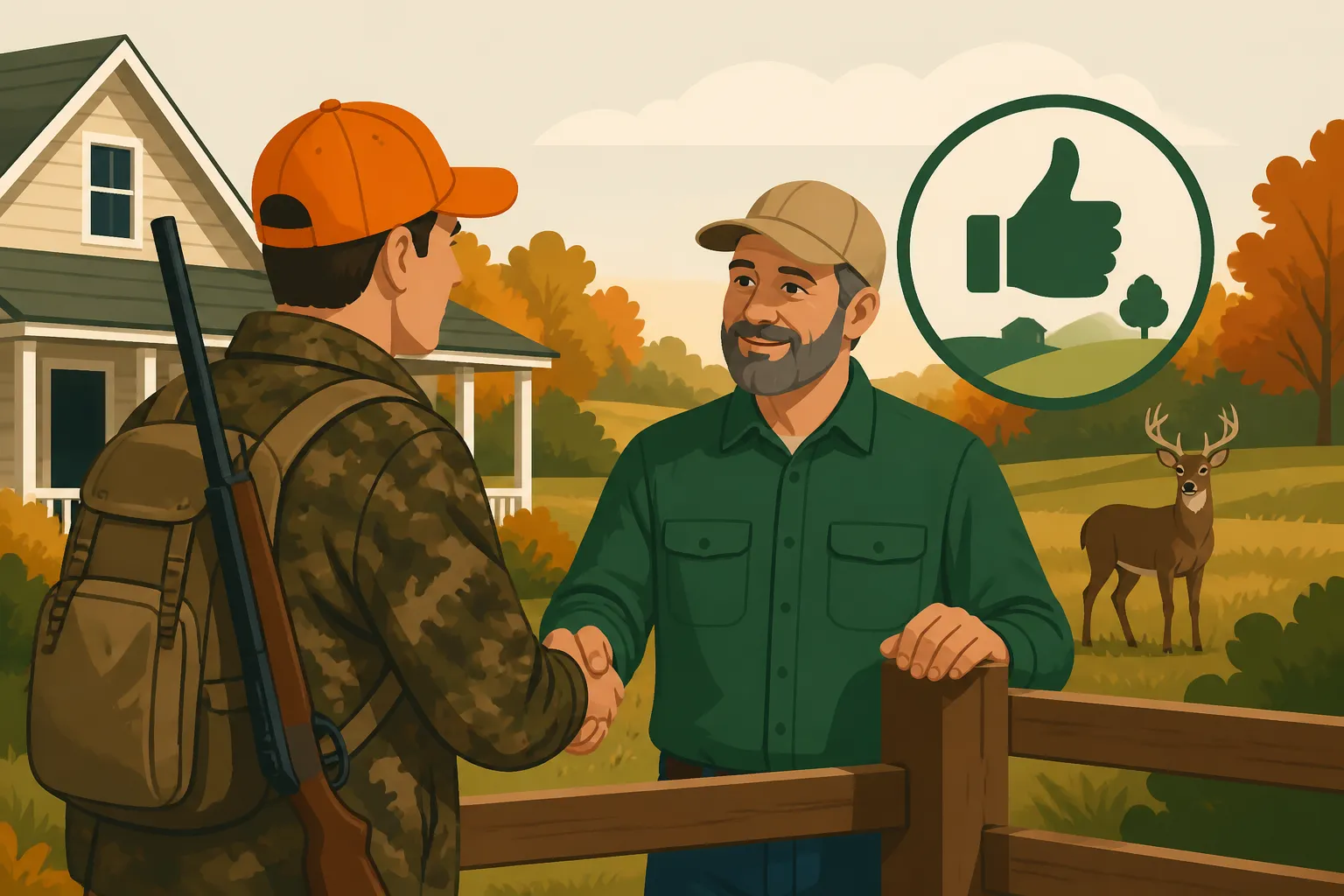
- In-Person (Best Option): If possible, a face-to-face meeting is usually the most effective. It allows the landowner to see you, hear your voice, and get a sense of your character. Pick a time when they likely aren't busy, like a weekday afternoon rather than Sunday dinner or early morning chores. Dress neatly and conservatively – no camouflage or strong hunting scents. Be polite, make eye contact, and introduce yourself clearly.
- Letter: If the landowner lives far away or you can't catch them in person, a well-written letter can be a good alternative. Keep it concise, polite, and professional. Briefly introduce yourself, explain why you're interested in their property, and clearly state what you're asking for. Include your contact information and perhaps a small, professional resume of your hunting experience and safety record.
- Phone Call: A phone call is better than nothing if other options aren't available, but it lacks the visual impact of an in-person meeting. Be prepared to state your case quickly and clearly. Have a script ready so you don't stumble over your words. Always ask if it's a good time to talk, and if not, politely ask when a better time would be.
No matter the method, remember to be patient. It might take several attempts to connect with them.
What to Say and What Not to Say
When you finally get to speak with them, your words matter. Here's a quick guide:
| Do's | Don'ts |
|---|---|
| Do introduce yourself clearly and state your purpose. | Don't assume they know who you are or why you're there. |
| Do be polite and respectful. | Don't be aggressive, demanding, or entitled. |
| Do mention any mutual acquaintances if you have them. | Don't lie or exaggerate your experience. |
| Do ask about their concerns first. | Don't immediately launch into all your hunting accomplishments. |
| Do offer to provide references or proof of hunter education. | Don't bring a weapon or wear full camo to the first meeting. |
| Do offer to help them with tasks around the property. | Don't argue if they say no. |
| Do be specific about what you want to hunt (e.g., deer, turkey). | Don't ask for "general hunting access" if you only want deer. |
| Do discuss your safety practices and insurance. | Don't ask about "their biggest buck" or make it all about you. |
Start by saying something like, "Hello, Mr./Ms. [Landowner's Last Name], my name is [Your Name], and I live nearby. I've always admired your property, and I was wondering if you ever allow respectful hunters to access your land for [specific game, e.g., archery deer hunting] during the season." Then, pause and listen. This opens the door for them to share their concerns. Be ready to explain your hunting ethics, your commitment to safety, and your understanding of local regulations.
Presenting Your Value and Addressing Concerns
This is where you shine by demonstrating how you can be an asset, not just a burden. Many landowners struggle with deer overpopulation or crop damage. If you've done your research, you can offer to help manage their deer herd. Explain that you're a safe, ethical hunter who respects property boundaries and will always follow their rules. Mention that you carry liability insurance (many homeowner policies offer this, or you can get a specific hunting policy) to ease their concerns about you getting hurt. Offer to share some of your venison after a successful hunt.
Consider offering specific services. Maybe you can check fences, mend gates, clean up trash, or even help with small repairs. If they are an older couple, perhaps offer to clear snow from their driveway in winter. This proactive approach shows you're not just looking to take, but to contribute. You could even offer to monitor their property for trespassers or suspicious activity when you're there, turning your presence into a benefit for their security. You're trying to build a relationship, and like any good relationship, it should be mutually beneficial. If you're passionate about Planting a Fall Food Plot on Maryland Ground, perhaps offer to help them with something similar for their property, aligning your interest with theirs.
Building and Maintaining the Relationship
Getting permission is just the first step. The true test of a good hunter is how they maintain that relationship over time. A one-time permission can turn into years of access if you prove yourself reliable.
Following Through on Your Promises
This cannot be stressed enough: do exactly what you say you're going to do. If you promise to call before you come, call. If you say you'll close all gates, close them every single time. If you offer to help fix a fence, make sure you show up with tools and put in the work. Consistency is key to building trust. One broken promise can undo all the hard work you put into getting permission in the first place. Landowners remember bad experiences far more vividly than good ones. This means being punctual, leaving no trace, and respecting their space. If you say you're only hunting a certain field, don't wander into another area without explicit permission.
Respecting Boundaries and Rules
Every landowner will have a set of implicit or explicit rules. Some might not want you hunting near their house, others might have certain times they prefer you not to be there. Always clarify these rules upfront and stick to them diligently. Ask about vehicle access, where to park, and if there are any specific areas that are off-limits (like certain fields, pastures with livestock, or boundary lines near neighbors). Use tools like onX Hunt to double-check property boundaries and ensure you're not accidentally trespassing. If you're on a multi-species property, clarify what you're allowed to hunt. For instance, if you got permission for deer, don't suddenly show up with a shotgun for rabbits unless you've specifically asked and received permission. When you're Hunting Whitetails on the Same Ground as Sika, ensure you understand the specific guidelines for each species. It’s better to ask a question than to assume and make a mistake.
Giving Back to the Landowner
A small gesture of appreciation can go a long way in solidifying your relationship. This doesn't have to be monetary. After a successful hunt, offer to share some of the meat. A thank-you note or a small gift around the holidays is always appreciated. Maybe it's a gift basket from a local shop, or a gift certificate for dinner. If they have a farm, perhaps a gift of tools or supplies for their operation. Remember those tasks you offered to help with? Periodically check in and offer to lend a hand, even if it's just for an hour or two. A bag of fresh vegetables from your garden, if you have one, or even just stopping by to chat and see how things are going can keep that relationship warm. The goal is to be a welcome guest, not just someone who shows up when they want something. Consider sending them updates on the deer you're seeing or any interesting wildlife observations you've made, showing that you're engaged with their land beyond just the act of hunting.
Disclaimer
This article is for general informational purposes only and does not constitute professional advice. Laws, prices and regulations vary by location and change over time. Consult a qualified professional for guidance on your specific situation.