St. Mary’s County Public Hunting Ground
If you've ever tried to find a decent chunk of public hunting ground in St. Mary's County, you know the frustration is real. It can feel like looking for a needle in a haystack, especially when you're just trying to get out there and enjoy Maryland's abundant wildlife without having to trespass or break the bank on a lease. This guide is here to walk you through the realities of public hunting in St. Mary's and the surrounding Southern Maryland region, offering insights and practical advice to help you find success.
Navigating Public Land Opportunities in St. Mary's County
Let's be honest, St. Mary's County isn't exactly famous for vast tracts of public hunting land like some of our Western Maryland counties. Many hunters get discouraged quickly, assuming there's nowhere to go without private land access. But while direct, large-scale public hunting opportunities right within St. Mary's County itself might be limited, it doesn't mean you're out of luck. The key is understanding the unique landscape of public access here and knowing where to look, sometimes even just beyond the county lines.
Understanding the Landscape of Public Access
The Southern Maryland region, including St. Mary's, Charles, and Calvert counties, is characterized by a mix of agricultural lands, suburban development, and dense woodlands often interspersed with tidal creeks and rivers. This creates a patchwork, rather than sweeping forests. For hunters, this means fewer expansive state forests or large wildlife management areas (WMAs) compared to, say, Garrett or Allegany counties. The public land that is available often comes in smaller, more fragmented parcels, sometimes managed by state parks, local governments, or even federal entities.
This fragmentation presents both challenges and unique opportunities. On one hand, you'll likely deal with more hunting pressure on these smaller parcels, as everyone else is looking for the same limited spots. On the other hand, these smaller, often overlooked areas can hold some real gems, especially if you're willing to put in the legwork to scout them out. Deer, turkeys, and even small game often thrive in these transitional zones between developed areas and wilder spaces, making smart scouting absolutely critical. It's not about finding the biggest wilderness, but finding the right pockets of habitat.
Key Public Hunting Areas to Explore
While St. Mary's County might not boast a massive WMA within its borders, hunters can look to nearby areas for opportunities. Your focus should be on the regional landscape rather than just a single county line. The Maryland Department of Natural Resources (DNR) manages several properties within the greater Southern Maryland region that can provide hunting access. These might include various State Forests or Wildlife Management Areas that are a reasonable drive from St. Mary's.
For instance, the Patuxent River corridor often offers limited, specific hunting opportunities, sometimes through lottery or special permit hunts on federal or state-owned parcels. You'll also want to look at places like Myrtle Grove Wildlife Management Area in Charles County or even Cedarville State Forest which, while a bit further north in Prince George's County, represents the type of public forest you might encounter. These areas provide diverse habitats ranging from mature hardwoods to pine plantations and marshy bottoms, supporting a variety of game. Always check the specific regulations for each property, as rules can vary greatly. Some might require daily permits, while others have specific weapon restrictions or Sunday hunting limitations. It’s never a one-size-fits-all situation.
Essential Tools for Scouting and Planning
In a region where public land can be scarce and fragmented, your scouting game needs to be top-notch. Forget just driving around looking for "No Trespassing" signs. You need digital tools that provide detailed aerial imagery and land ownership information. This is where modern hunting apps truly shine. Services like onX Hunt or GoHunt have revolutionized how hunters locate and prepare for hunts on public ground.
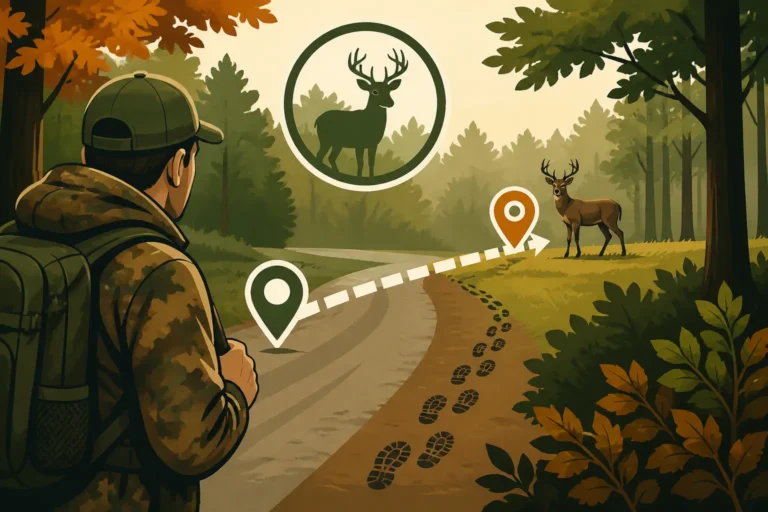
These apps allow you to see property boundaries, public land designations, and even topographic features right on your phone or computer. You can scout from your couch, identifying potential access points, natural funnels, bedding areas, and food sources before you ever set foot in the woods. Look for features like creek bottoms, subtle ridge lines, changes in timber type, or isolated pockets of cover near agricultural fields – these are often overlooked by casual hunters and can hold game. Marking waypoints for stand locations, trails, and sign is also incredibly helpful. Don't underestimate the power of these tools; they can turn a seemingly barren map into a treasure trove of potential hunting spots. Combine these digital maps with boots-on-the-ground reconnaissance, and you’ll be far ahead of the curve.
What You Can Hunt on St. Mary's Public Ground
Even with limited public access, Southern Maryland, including St. Mary's County, still offers a surprising diversity of game species for the persistent hunter. The region's mix of agriculture, woodlands, and proximity to the Chesapeake Bay and its tributaries creates varied habitats, from deep woods to marsh edges. Knowing what to expect and what species are most prevalent will help you focus your efforts.
Deer Hunting Prospects in Southern Maryland
White-tailed deer are, without a doubt, the primary big game animal for most hunters in St. Mary's County and the wider Southern Maryland area. The deer herd here is generally healthy, with good numbers, especially where there's a mix of dense cover and agricultural food sources. Farmers often deal with crop damage, which indicates a robust deer population. Public lands, even smaller ones, can offer excellent deer hunting if you're willing to work for it.
When hunting deer on public ground in St. Mary's or nearby, focus on areas that provide security cover close to food. Think thickets, overgrown clear-cuts, creek bottoms with dense vegetation, or swampy areas that most other hunters avoid. Deer in these pressured areas are masters of evasion, often bedding down very close to human activity and only moving during low light hours. Archery hunting can be particularly effective on these smaller parcels, as it allows for a quieter, more precise approach. Be sure to understand Maryland's Deer Bag Limits and Antler Rule before you head out, and remember that Maryland's Legal Weapons by County can vary, so always check what's permitted in St. Mary's or any neighboring county you hunt.
Small Game and Upland Bird Opportunities
Beyond deer, Southern Maryland's public lands can offer some fantastic opportunities for small game hunters. Squirrels and rabbits are quite common, especially in areas with mature hardwoods for squirrels and brushy hedgerows or thickets for rabbits. Squirrel Hunting Maryland Hardwood Ridges or Rabbit Hunting Maryland Farm Hedgerows can be very rewarding, offering a more active and fast-paced hunt.
If you enjoy hunting with a dog, these smaller public parcels might be ideal for chasing cottontails. Look for old fields that have grown up into briars and brush, or the edges of dense timber stands. For squirrels, find acorn-producing oak and hickory trees, especially early in the season. While less common, some properties may even have small populations of resident pheasants or be sites for Hunting Maryland's Released Pheasant Days. Always check the specific property regulations and Small Game Season Dates and Daily Limits for the most up-to-date information before planning your trip.
Waterfowl and Other Migratory Birds
Given St. Mary's County's extensive shoreline along the Chesapeake Bay, the Patuxent River, and various other tidal creeks, waterfowl hunting can be a significant draw, even on public access points. While true "public land" for waterfowl might be more limited to designated blind sites that require licensing, there are often opportunities for jump-shooting ducks on small guts or creeks accessible from public easements or small boat launches.
Species like mallards, black ducks, wood ducks, and various diving ducks can be found in appropriate habitats. Public access for waterfowl often means securing a licensed blind site through the state's lottery system or scouting for open water areas where you can legally hunt from a boat or shoreline. Mourning doves can also be found in agricultural areas, particularly around harvested grain fields, sometimes on public access land or through specific managed hunts. For those interested in migratory birds, make sure you're aware of the Maryland Migratory Game Bird Stamp Cost and HIP registration requirements.
Rules, Regulations, and Best Practices for St. Mary's Hunters
Hunting public land in St. Mary's County, or anywhere in Maryland for that matter, comes with its own set of responsibilities and rules. It's not just about knowing where to go; it's about knowing how to go about it legally, safely, and ethically. Ignoring these details can not only ruin your hunt but also lead to serious penalties.
Understanding Local and Statewide Hunting Regulations
Maryland has a comprehensive set of hunting regulations, and some can be county-specific, especially concerning weapon choices and Sunday hunting. For St. Mary's County, it's crucial to be aware of what firearms are permissible for deer hunting. Unlike some Western Maryland counties that allow high-powered rifles, the Southern Maryland counties often have more restricted weapon rules. Shotguns, muzzleloaders, and archery equipment are generally common, but always verify Maryland's Legal Weapons by County directly with the DNR regulations for St. Mary's.
Beyond weapons, be sure to understand general rules like Maryland Shooting Hours and Legal Light, blaze orange requirements, and tagging and registration procedures. Every deer, turkey, and bear harvested must be registered within a specific timeframe, often through the COMPASS online system or phone app. Not following these steps can invalidate your harvest.
Here's a quick reference for common legal weapon types for deer in St. Mary's County (always verify current regulations):
| Weapon Type | Deer Hunting in St. Mary's County (General) | Notes |
|---|---|---|
| Archery | Yes (Vertical Bow, Crossbow) | Longest season, excellent for pressured areas. Crossbow Season Eligibility and Age Rules applies. |
| Muzzleloader | Yes | Specific muzzleloader seasons apply. |
| Shotgun | Yes | Shotgun slugs are typical; buckshot may have specific restrictions. |
| Straight-Wall Cartridge Rifle | Yes | Many counties now allow these; check current DNR rules for specifics on calibers. |
| Airgun | Yes | Specific caliber requirements for deer. Airgun Deer Hunting Rules and Calibers |
| Centerfire Rifle | Generally No | Not typically allowed for deer in most Southern Maryland counties. |
This table provides a general overview, but you must consult the current Maryland Guide to Hunting & Trapping for exact, up-to-date regulations.
Navigating Access and Permitting Requirements
Many public lands in Maryland, even if they appear open, might require specific permits beyond your standard hunting license and stamps. Some Wildlife Management Areas or state parks have sign-in boards, daily permit systems, or even require reservations for certain hunt dates. It's not uncommon for state-managed public lands to have Maryland Public Land Registration Requirements for hunters to help manage pressure and track usage.
Before heading out, identify the specific property you intend to hunt and check its individual rules and access procedures on the Maryland DNR website. Don't assume that because it's public, you can just show up. Failing to follow permit rules can result in fines and loss of hunting privileges. Also, be mindful of surrounding private property; always know where the public land boundaries lie, which is another area where a onX Hunt or GoHunt subscription is invaluable for displaying parcel lines. Remember, What Maryland Trespass Law Requires is serious business.
Minimizing Pressure and Maximizing Success
Public lands in St. Mary's and surrounding areas will inevitably see pressure, especially on opening days and weekends. To maximize your success, you need a strategy to avoid or mitigate this pressure.
- Hunt Mid-week: If your schedule allows, hunting on Tuesday, Wednesday, or Thursday will often put you in the woods when fewer people are around.
- Go Deeper: Most hunters don't venture far from parking areas or established trails. If you're willing to walk an extra half-mile or more, you'll likely find areas that see significantly less pressure. This might mean Finding Maryland Ground Others Walk Past.
- Scout Hard and Smart: Look for overlooked areas—small corners, thickets, or swampy sections that seem inconvenient to access. Deer and other game will often gravitate to these sanctuaries.
- Hunt the Edges: Animals often use the edges of public land that border private fields or dense cover for feeding and bedding. These transition zones can be highly productive.
- Be Stealthy and Patient: On pressured land, loud movements, excessive calling, or frequent stand changes can quickly spook game. Move slowly, quietly, and commit to longer sits.
- Utilize Scouting Maryland Public Land Before Season: Pre-season scouting for fresh sign, rubs, scrapes, and travel corridors is far more effective than trying to find it on opening day.
- Know Your Thermals and Wind: Pay close attention to wind direction and how thermals behave in the terrain, especially in the morning and evening, to keep your scent away from game.
Hunting public land successfully in St. Mary's County means being prepared, flexible, and often willing to work harder than those hunting private, managed ground. But the satisfaction of earning a deer or bagging some small game on public land is a reward all its own.
Disclaimer
This article is for general informational purposes only and does not constitute professional advice. Laws, prices and regulations vary by location and change over time. Consult a qualified professional for guidance on your specific situation.