Hunting Maryland’s Junior Turkey Day
Bringing a young hunter out for their first turkey hunt can be one of the most rewarding experiences in the woods, but it also comes with unique challenges, from navigating specific regulations to ensuring they have a positive, safe, and memorable day. This guide is all about equipping you, the mentor, with the insights and strategies to make Maryland's Junior Turkey Day an unforgettable adventure for the next generation of hunters, focusing on fun, education, and ethical pursuit.
Understanding Maryland's Junior Turkey Day
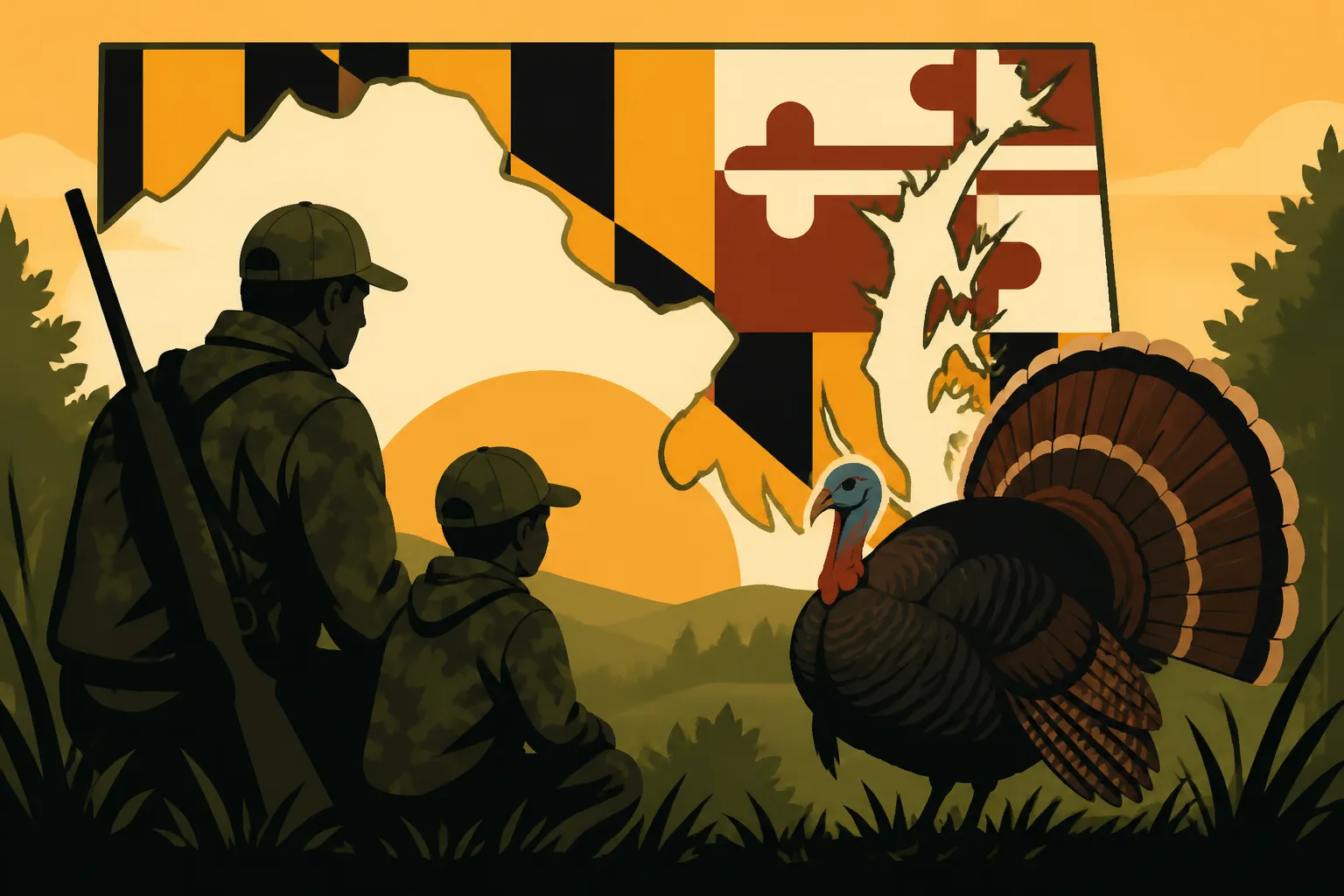
Maryland's Junior Turkey Day is a fantastic initiative designed to give young hunters a head start on the spring gobbler season. It's not just about harvesting a bird; it's about fostering a love for the outdoors, teaching responsible hunting practices, and creating lasting memories. This special day provides a less pressured environment for kids to learn and experience the thrill of turkey hunting before the general season opens to all.
What is Junior Turkey Day and Why It Matters
Junior Turkey Day is specifically set aside for youth hunters, typically occurring the Saturday prior to the statewide opening of Maryland's regular spring turkey season. This exclusive window offers several crucial advantages. For starters, it means less competition in the woods. When the general season opens, public lands can become crowded, and pressured gobblers can be notoriously difficult to call in. Giving young hunters a dedicated day allows them to experience the woods with fewer distractions and potentially more responsive birds. It's a chance to hear the woods wake up, witness nature unfold, and truly connect with the experience without the added stress of feeling rushed or competing with adult hunters. The emphasis is entirely on the youth hunter's experience, providing a focused, low-pressure introduction to the exciting world of spring turkey hunting.
Moreover, Junior Turkey Day serves as a vital pathway for conservation. By providing a structured, mentored hunting opportunity, Maryland is investing in the future of its hunting heritage. Kids who have positive early hunting experiences are more likely to become lifelong participants, contributing to wildlife management through license sales and engaging in habitat conservation efforts. It's a day designed to build confidence, teach patience, and instill a deep respect for wildlife and the outdoors. The lessons learned, whether a bird is harvested or not, often resonate for a lifetime, shaping young individuals into responsible stewards of Maryland's natural resources.
Eligibility Requirements for Young Hunters
To participate in Maryland's Junior Turkey Day, young hunters must typically be under the age of 16. The specific age cut-off often means that once a hunter turns 16, they participate in the regular season as an adult. All junior hunters are required to possess a valid Maryland Junior Hunting License. This license is critical and must be purchased before the hunt. For any young hunter born after July 1, 1973, completing an approved Maryland Hunter Education Requirements course is mandatory before they can purchase a hunting license. This course covers vital topics like firearm safety, wildlife identification, ethics, and regulations, ensuring that all new hunters have a foundational understanding of responsible hunting.
Additionally, junior hunters must be accompanied by a licensed adult mentor. This mentor must be at least 18 years old and possess a valid Maryland hunting license, including the necessary turkey stamp. The mentor's role is absolutely crucial, extending beyond just supervision. They are responsible for ensuring the young hunter adheres to all safety rules, understands the regulations, and makes ethical decisions. While the mentor cannot carry a firearm or bow to hunt on Junior Turkey Day, they are there to guide, assist, and call for the young hunter, making it a true team effort. This mentorship aspect is central to the program's success, providing hands-on learning and fostering safe hunting practices from the very beginning.
Key Dates and Season Structure
Maryland's Junior Turkey Day is a well-established tradition, carefully placed to maximize opportunities for youth. Typically, it falls on the Saturday immediately preceding the statewide opening of the regular spring turkey season. For instance, if the main season opens on a Monday, Junior Turkey Day would be the preceding Saturday. This precise timing gives young hunters a full weekend day to hunt when turkeys might be less wary before facing sustained hunting pressure. It’s important for mentors to consult the Maryland Department of Natural Resources (DNR) annual hunting guide or their website to confirm the exact Junior Turkey Hunt Date and Rules for the upcoming season, as dates can sometimes shift slightly from year to year.
Beyond the specific Junior Day, it's beneficial to understand how it fits into the broader turkey season. While Junior Day offers an exclusive window, the regular spring season then continues for several weeks. This extended period allows for flexibility if the Junior Day hunt doesn't yield a bird or if the young hunter simply wants more time in the woods. Knowing the full schedule of Maryland Spring Turkey Season Dates helps in planning follow-up hunts or even thinking about future seasons. The bag limit on Junior Turkey Day is typically one bearded turkey, which contributes to the overall spring season bag limit. Understanding these limits and the specific shooting hours, such as Maryland Shooting Hours and Legal Light, is crucial for a lawful and successful hunt.
Essential Gear and Preparations for Success
Taking a young hunter out requires a thoughtful approach to gear. Comfort, safety, and suitability for their size are paramount. You want them to focus on the experience, not on being cold, uncomfortable, or struggling with ill-fitting equipment. Proper preparation ensures that the gear enhances, rather than detracts from, their day in the turkey woods.
Shotgun Selection and Ammunition
When it comes to shotguns for junior hunters, fit is king. A firearm that is too heavy, too long, or has excessive recoil can quickly sour a young hunter's experience. The 20-gauge shotgun is often considered the sweet spot for youth turkey hunting. It offers a good balance of effective range and manageable recoil, especially when paired with youth-model stocks or adjustable stocks that can be shortened. While a .410 can work, its effective range for turkeys is significantly more limited, demanding perfect setups and close shots, which can be challenging for new hunters. A 12-gauge, while powerful, is generally too much gun for most juniors due to its weight and recoil. Look for models from brands like Mossberg, Stevens, or Winchester that offer youth-specific options.
Beyond the gauge, selecting the right ammunition and choke is critical for ethical turkey hunting. For 20-gauge shotguns, modern heavy-load turkey specific shells loaded with #5 or #6 shot provide excellent patterns and knockdown power out to 30-40 yards. A tight turkey choke (e.g., full or extra-full) is essential to ensure a dense pattern at ethical distances, maximizing the chances of a clean kill. It's a wise investment to pattern the shotgun with the chosen ammunition and choke before the season. This involves shooting at a turkey target at various distances (20, 30, 40 yards) to see where the shot clusters, giving the young hunter confidence in their effective range and ensuring they only take shots they can make cleanly.
Camouflage, Blinds, and Safety Gear
Effective concealment is vital for turkey hunting, and this holds especially true for junior hunters who might have trouble staying perfectly still. Full camouflage, from head to toe, including a face mask and gloves, helps break up their outline and allows them to blend into the surroundings. Opt for patterns that match Maryland's spring woods – typically greens, browns, and some earthy tones. Beyond personal camo, a ground blind can be an absolute game-changer for hunting with youth. It provides excellent concealment, allows for some subtle movement without spooking birds, and offers shelter from wind or light rain, significantly increasing comfort and patience levels. Brands like Primos or Ameristep offer durable, easy-to-set-up ground blinds perfect for turkey hunting.
Safety gear, of course, is non-negotiable. Ear protection (muffs or plugs) is mandatory for both the young hunter and the mentor when shooting to prevent hearing damage. Eye protection is also highly recommended. While turkey hunting generally involves wearing full camo, remember Maryland's blaze orange regulations. Although not required while actively hunting from a fixed position for turkeys, if you are walking to or from your hunting spot, especially on public lands during a period when other hunting might be allowed, it's a good practice for both the mentor and youth to wear a blaze orange vest or hat. This ensures visibility to other hunters and can be quickly removed once in the blind or set up. Always have a small first-aid kit, water, and snacks packed for the day.
Calls and Decoys for Junior Hunters
Turkey calls are an integral part of the experience, and introducing a young hunter to calling can be incredibly engaging. While advanced diaphragm calls can be difficult for beginners, friction calls like slate calls, pot calls, or box calls are excellent starting points. They are relatively easy to learn, produce realistic hen vocalizations, and allow the young hunter to actively participate in the hunt. Push-button calls are also fantastic for youth, as they require minimal technique to create reliable turkey sounds, building confidence quickly. Encourage the junior hunter to practice before the season, making it a fun activity rather than a chore.
Decoys also play a huge role in drawing gobblers into range, making them crucial for junior hunters who need closer, higher-percentage shots. A common and effective setup is a single hen decoy, positioned within ethical shooting range (e.g., 20-25 yards) from your blind or setup. To add more appeal and potentially trigger a gobbler's territorial instincts, a jake decoy paired with a hen can be very effective. Ensure proper Decoy Placement for Pressured Maryland Gobblers, making sure the decoys are visible and facing a direction that presents a clear shot angle for the youth when a gobbler approaches. Some hunters prefer realistic decoys from companies like Avian-X or Dave Smith Decoys, while others find foam decoys sufficient and easier to carry. Position them in an open area where the gobbler can easily spot them without having to search through thick brush.
Scouting and Strategy for Junior Day Success
Successful turkey hunting, especially with a junior, hinges on good scouting and a well-thought-out strategy. You can't just show up on Junior Day and expect birds to magically appear. Pre-season work significantly increases the odds of a memorable encounter.
Pre-Season Scouting for Gobbler Roosts and Strut Zones
The groundwork for a successful Junior Turkey Day starts long before the season opener. Effective pre-season scouting is paramount to locating active gobblers. Begin by identifying potential hunting areas, whether it's public land such as a Wildlife Management Area, or private property you have access to. Utilize online mapping tools like GoHunt, which can help you identify key features like roosting trees near water sources or along ridgelines, open fields where turkeys might strut, and travel corridors between feeding and roosting areas. Look for signs of turkey activity like tracks, droppings (larger and J-shaped for gobblers), and shed feathers. GoHunt's detailed satellite imagery and property line overlays can be invaluable for understanding the terrain and avoiding trespass issues.
The most critical part of pre-season scouting is locating roosting sites. In the evenings, just before dark, listen for gobblers flying up to their roosts, and in the mornings, before first light, listen for them gobbling on the limb. This allows you to pinpoint their general location and understand their morning routine. Knowing where turkeys are roosting gives you a significant advantage, enabling you to set up strategically before daylight. Observing their patterns will also help you identify preferred strut zones, often open fields or food plots where gobblers display for hens. Look for visible "strut marks" – wing drag marks on the ground. Understanding these behaviors will guide your setup on Junior Day, increasing the chances of calling a bird into range. If you find multiple potential roosts, consider which one offers the safest and most comfortable setup for your young hunter.
Setting Up for the Hunt with a Young Hunter
Choosing the right setup location for Junior Turkey Day is a blend of strategy and practicality. You need a spot where you anticipate turkeys will approach, but it also needs to be comfortable and safe for a young hunter. Ideally, you want to set up before first light, well within hearing distance of a roosted gobbler, but not so close that you risk spooking him. A good setup offers clear shooting lanes for the young hunter in the direction you expect the turkey to come from, with a solid natural backstop to ensure safety. Consider using a ground blind for maximum comfort and concealment, especially if your junior hunter is prone to fidgeting. Ensure the blind is oriented to block direct sunlight from shining in, which can make it hard to see or heat up the blind too much.
When positioning yourself and the young hunter, always prioritize safety. The young hunter should have a comfortable seat, with their shotgun resting in a ready but safe position. Make sure they have a clear understanding of their shooting zones and what constitutes a safe shot. It’s often beneficial to place decoys at a known distance (e.g., 20-25 yards) so the young hunter knows exactly how far a bird is when it reaches that spot. Consider the terrain – a slight rise or a field edge can provide a commanding view. Remember, patience is a virtue in turkey hunting, but even more so with a child. Choose a spot that offers some interesting things to observe – squirrels, songbirds, or other wildlife – to keep them engaged during lulls. Setting up against a large tree, as detailed in Setting Up Against a Big Oak for Turkeys, can provide both concealment and a solid backrest for prolonged sitting.
Calling Strategies Tailored for Junior Hunters
Calling turkeys on Junior Turkey Day should be approached with a focus on simplicity and effectiveness, keeping the young hunter engaged. While experienced callers might use complex sequences, a more straightforward approach is often best for a mentored youth hunt. Start with soft tree yelps and clucks before fly down, imitating a hen on the roost. Once on the ground, switch to more consistent yelps, clucks, and purrs, mimicking a contented hen looking for companionship. The goal is to pique the gobbler's interest and draw him in, not necessarily to have an intense "calling duel." Involve the junior hunter by letting them try some simple calls; even rudimentary sounds can be exciting for them and sometimes surprisingly effective.
Observe the gobbler's reaction to your calls. If he's hot and gobbling aggressively, you might call a bit more frequently. If he's hesitant, back off the calling and let him wonder where the hen went. Silence can often be a powerful call itself. Positioning decoys correctly, as discussed previously, can make your calls even more convincing. The visual cue of a hen (and perhaps a jake) can be the final piece of the puzzle to bring a reluctant gobbler into range. Remember that the young hunter needs to be ready to shoot when the gobbler commits. Your role as the mentor is to call, observe the turkey, and quietly guide the young hunter into position for a safe and ethical shot. Don't overcall; sometimes less is more, especially with a bird that's already interested.
Making the Junior Turkey Day Experience Memorable
Beyond the pursuit of a gobbler, Junior Turkey Day is a prime opportunity to build character, teach valuable life lessons, and create cherished memories. The success of the day isn't solely measured by a filled tag, but by the quality of the experience.
Prioritizing Fun and Learning Over a Harvest
It's easy to get caught up in the desire to see a young hunter harvest a turkey, but for Junior Turkey Day, the absolute priority must be the overall experience – not just the kill. This is about fostering a lifelong love for the outdoors, and that means making it fun, engaging, and educational. The best way to approach this day is with low expectations for a harvest, and high expectations for enjoyment. Encourage the young hunter to observe everything around them: the sunrise, the sounds of other birds, the rustle of squirrels, the intricate details of a wildflower. Point out animal tracks, interesting trees, or explain how the wind affects sound in the woods. These teaching moments are often more impactful than any shot fired.
Bring snacks, a comfortable cushion, and be prepared for breaks. Short attention spans are natural for kids, so don't be afraid to take a few minutes to stretch, talk, or even play a quiet game in the blind during lulls. Celebrate small victories, like a perfect call by the junior hunter, spotting a deer, or identifying a bird song. Reassure them that not every hunt results in a harvest, and that the process, the effort, and the time spent together are what truly matter. The emphasis on Taking a Youth Out on Junior Turkey Day should always be on the mentorship and the shared experience, laying a foundation for future adventures regardless of the outcome of this particular hunt.
Field Care and Registration After a Successful Harvest
Should your junior hunter be fortunate enough to harvest a gobbler, this moment becomes another invaluable teaching opportunity for ethical hunting practices. The first step, after ensuring the bird is dispatched humanely, is to teach proper field care. This includes carefully tagging the bird immediately according to Maryland regulations, ensuring the tag is filled out completely and correctly. Then, demonstrate how to field dress the turkey. Explain the importance of cooling the bird down quickly, especially in warmer spring weather, to preserve the meat quality. Walk them through the process, showing them how to remove the entrails and clean the bird appropriately in the field.
After field dressing, the next critical step is registration. Maryland requires all harvested turkeys to be registered within a specific timeframe, usually within 24 hours of harvest. This can typically be done online through the Maryland DNR COMPASS portal or via a toll-free telephone number. Involve the young hunter in this process; let them provide the information, reinforcing their responsibility as a hunter. This is where they learn about Turkey Registration Requirements After the Kill and how their harvest contributes to wildlife management data. Take photos to commemorate the moment, celebrating their success responsibly and respectfully. These steps are crucial for instilling a sense of pride and accountability in young hunters.
Safety First: Instilling Good Habits
Safety is not just a rule; it's a culture that must be deeply ingrained in every young hunter from their very first outing. On Junior Turkey Day, the mentor's primary responsibility is to ensure absolute firearm safety at all times. This means constant vigilance and consistent reinforcement of the fundamental rules: always point the muzzle in a safe direction, treat every firearm as if it's loaded, keep your finger off the trigger until ready to shoot, and be sure of your target and what is beyond it. Before the hunt, review these rules thoroughly, perhaps even having the junior hunter recite them back to you.
During the hunt, the mentor should always be aware of the young hunter's muzzle direction, especially when moving or adjusting positions. Before any shot is taken, the mentor must confirm the target is indeed a legal gobbler and that the backdrop is safe. Use clear, concise communication. For instance, instead of "shoot that turkey," try "Confirm you see the gobbler. Is the background clear? Okay, take your shot when ready." After the shot, ensure the firearm is made safe before approaching the bird. Instilling these habits early on creates confident, responsible hunters who prioritize safety above all else, ensuring not just a memorable day, but a lifetime of safe hunting experiences.
Challenges and Overcoming Them on Junior Day
Hunting with a young person, while rewarding, often comes with its own set of unique challenges. Anticipating these and having a plan to address them can significantly contribute to a more positive and successful experience for everyone involved.
Dealing with Impatient or Fidgety Young Hunters
One of the most common challenges when hunting with kids, especially for turkeys, is their natural inclination to be impatient or fidgety. Sitting still for long periods, often in silence, can be incredibly difficult for a young hunter. The key to overcoming this is to be prepared and flexible. First, choose a comfortable setup; a spacious ground blind with a comfortable chair or cushion makes a huge difference compared to simply leaning against a tree. Second, bring plenty of snacks and water. Short, quiet snack breaks can help reset their focus. Small, quiet activities can also be beneficial – a nature journal, a simple field guide for identifying birds or plants, or even a book with captivating stories (read softly, of course, during lulls) can keep them engaged without disturbing the hunt.
Third, manage expectations. Explain that patience is a huge part of turkey hunting, but also reassure them that it’s okay to take breaks or move if the birds aren't cooperating after a reasonable time. Sometimes, a short walk to stretch their legs can rejuvenate their spirit, just be sure to do so safely and away from active hunting areas. Incorporate them into the hunt by letting them use calls, glass for birds, or help scan for movement. The more involved they feel, the less likely they are to get bored. Remember, the goal is to make it an enjoyable experience, even if it means sacrificing a few potential minutes of hunting to keep them happy and engaged.
Handling Missed Shots or Tough Gobblers
It’s almost inevitable that a young hunter, or even an experienced one, might miss a shot or face a particularly "tough" gobbler that just won't commit. How you, as the mentor, handle these moments can profoundly impact their future interest in hunting. If a shot is missed, the most important thing is positive reinforcement. Immediately reassure the young hunter that it happens to everyone, even seasoned veterans. Avoid any hint of blame or disappointment. Instead, calmly discuss what might have happened – did they lift their head, flinch, or misjudge the distance? Use it as a constructive learning opportunity for next time, but keep the tone light and encouraging. Perhaps it's a good time to review how to properly shoulder the shotgun or remind them of their effective range.
When facing a gobbler that hangs up, meaning it stays out of range and won't come in, explain to the young hunter that this is also a very common turkey hunting scenario. Discuss why it might be happening – maybe there are real hens with him, or he feels safer in his current spot. Use it as a lesson in turkey behavior and strategy. You could talk about trying a different calling sequence, adjusting decoy placement, or even moving to a new spot. The key is to turn frustration into an educational moment, emphasizing resilience and problem-solving. This helps prevent discouragement and builds their understanding of the complexities and challenges inherent in ethical hunting.
Weather and Environmental Considerations
Spring weather in Maryland can be notoriously unpredictable, swinging from frosty mornings to warm afternoons, often with rain thrown in for good measure. Being prepared for these environmental factors is crucial for keeping a young hunter comfortable and focused. Check the forecast thoroughly before Junior Turkey Day and pack layers of clothing. A warm base layer, a fleece mid-layer, and a waterproof/windproof outer shell are essential. It's always better to overpack clothes and shed layers as the day warms up than to be caught unprepared in the cold or wet. Warm, waterproof boots are also a must, especially in the damp spring woods.
Beyond clothing, consider other environmental factors. Spring can mean bugs, particularly ticks and mosquitoes. Apply insect repellent (such as picaridin or DEET-based repellents) to clothing and exposed skin before heading out. Keep an eye out for potential hazards like snakes, especially as temperatures rise. Staying hydrated is also important; bring plenty of water, even on cool days. If rain is forecast, a ground blind offers excellent shelter, but ensure all gear is waterproofed. By carefully planning for the weather and environment, you minimize discomfort and allow the young hunter to fully immerse themselves in the hunting experience, regardless of what Mother Nature throws your way.
| Feature | 20 Gauge Shotgun | .410 Bore Shotgun |
|---|---|---|
| Typical Youth Age | 10+ years old | 8-12 years old |
| Recoil | Moderate, manageable with proper technique and recoil pad | Very Low, excellent for recoil-sensitive new shooters |
| Effective Range | 30-40 yards (with turkey loads/choke) | 20-25 yards (with specialized turkey loads) |
| Ammunition Cost | Moderate to High (specialized turkey loads) | Moderate to High (specialized turkey loads) |
| Shot Count | High (more pellets, denser patterns) | Low (fewer pellets, sparse patterns) |
| Versatility | Good for various small game and turkeys | Best for close-range small game; limited for turkey |
| Pros for Youth | Good power, manageable recoil, wider range | Very low recoil, excellent for building confidence |
| Cons for Youth | Can still be intimidating for some | Very limited effective range, less forgiving |
Disclaimer
Hunting is an inherently dangerous activity. This guide provides general information and recommendations but does not substitute for formal hunter education, adherence to all Maryland hunting laws and regulations, and personal judgment. Always prioritize safety, ethics, and legal compliance. Consult the official Maryland Department of Natural Resources (DNR) website and regulations guide for the most current and accurate information.