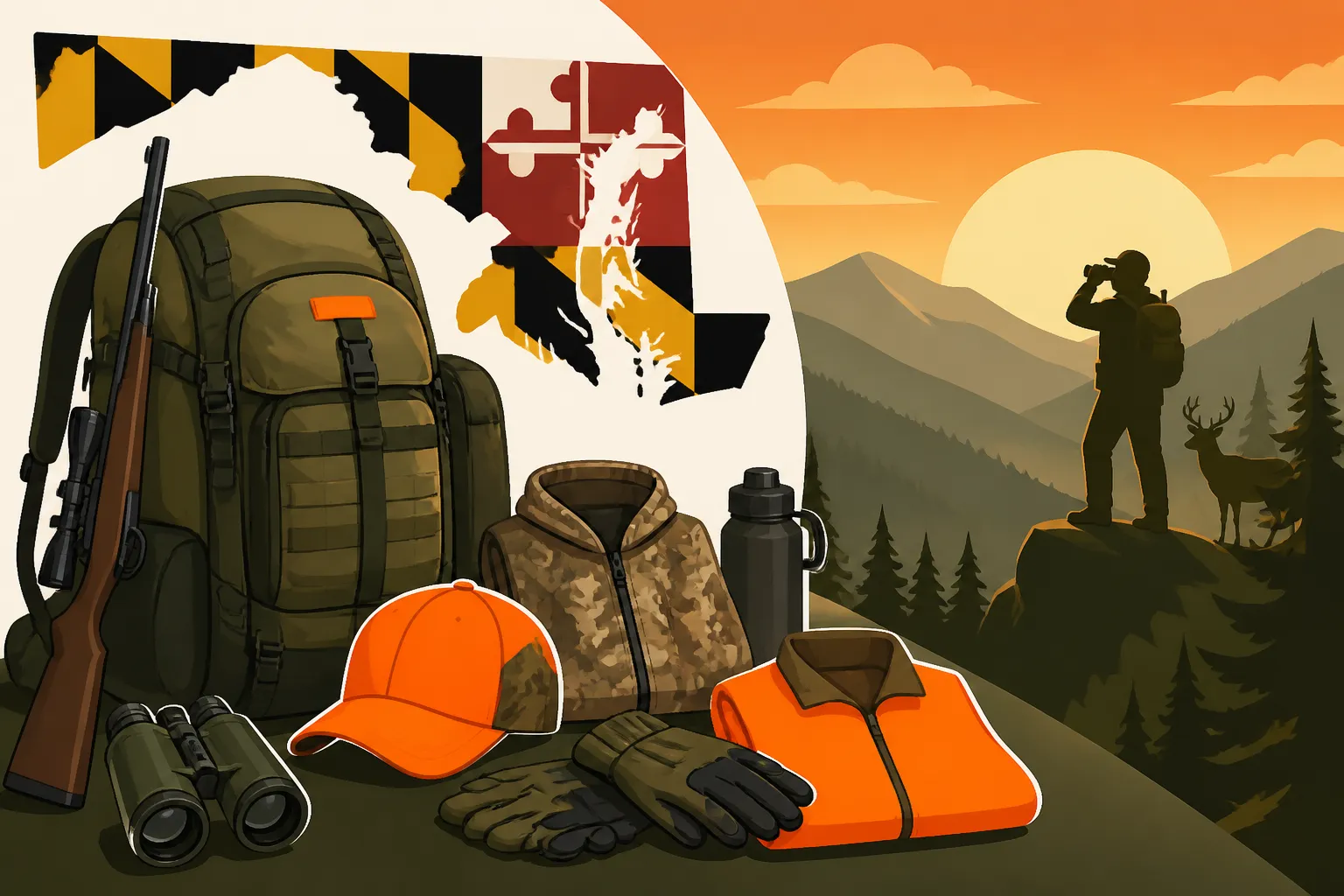
What to Pack for a Maryland Mountain Hunt
Heading into Maryland's western mountains for a hunt is an incredible experience, but it comes with its own unique set of challenges. The terrain is rugged, the weather can change on a dime, and you're often far from the beaten path. Nothing is worse than being miles deep into Green Ridge State Forest or Savage River State Forest only to realize you've forgotten a critical piece of gear or, worse, packed the wrong kind of clothing for the conditions. This guide is here to walk you through exactly what you need to pack for a successful and comfortable mountain hunt in Maryland, ensuring you're prepared for anything the wild throws your way.
Essential Clothing and Layering for Mountain Weather
The mountains of Western Maryland are beautiful, but they don't play around when it comes to weather. You can start your morning with crisp, cold air, find yourself sweating profusely by midday climbing a steep ridge, and then get hit with a sudden rain shower or even an early-season snow flurry before sunset. This constant fluctuation means that layering isn't just a good idea; it's absolutely crucial for comfort and safety. You can't just throw on a heavy coat and call it a day; you need a system that adapts.
Understanding the Layering System
A proper layering system for mountain hunting typically consists of three main components: a base layer, a mid-layer, and an outer shell. Each plays a vital role in regulating your body temperature and protecting you from the elements. Ignoring any one of these can lead to discomfort, or worse, put you at risk of hypothermia in cold, wet conditions. Think of it like building a house: you need a solid foundation, good insulation, and a strong roof to keep everything safe and sound inside.
The base layer is what sits directly against your skin. Its primary job is to wick moisture away from your body. When you're hiking up a steep incline, your body is going to produce sweat, even in cold weather. If that sweat stays on your skin, it cools rapidly and can make you feel freezing once you stop moving. Materials like merino wool or synthetic blends are fantastic for this because they pull moisture away, allowing it to evaporate. Avoid cotton at all costs for your base layer; once cotton gets wet, it stays wet, loses its insulating properties, and is incredibly slow to dry, becoming a dangerous liability in cold mountain air.
The mid-layer provides insulation. This is your primary warmth provider. Fleece, down, or synthetic puff jackets are common choices here. The key is to choose something that provides warmth without being overly bulky, allowing for freedom of movement and easy packing. On colder days, you might wear a thicker mid-layer, or even two lighter ones, to achieve the desired warmth. When the sun comes out or you're exerting yourself, you can shed this layer easily, stuffing it into your pack to prevent overheating and sweating through your base layer. This adaptability is key when Wind and Thermals in Western Maryland Terrain are constantly shifting.
Finally, the outer shell is your protection from wind and precipitation. This layer needs to be waterproof and windproof but ideally still breathable enough to allow some moisture vapor from your body to escape. A good quality shell will keep you dry during rain or snow, block biting winds on exposed ridges, and prevent you from getting chilled. Look for durable fabrics that can stand up to brush and briars, as you'll likely be pushing through thick cover while Still-Hunting Western Maryland Mountain Timber. Make sure it’s quiet too; a noisy jacket can spook game at the worst possible moment.
Specialty Clothing Items and Blaze Orange
Beyond the core layers, there are a few other clothing items that are absolutely essential for a Maryland mountain hunt. A good quality pair of waterproof hunting boots is non-negotiable. You'll be covering uneven, often wet, ground, climbing over rocks, and navigating through mud. Your boots need to provide ankle support, traction, and keep your feet dry. Invest in a pair that fits well and is broken in before your hunt to avoid painful blisters. Remember, cold, wet feet can quickly end a hunt and make for a miserable experience.
Socks are just as important as boots. Again, ditch the cotton. Opt for merino wool or synthetic blends that wick moisture and provide cushioning. Many hunters wear a thin liner sock underneath a thicker wool sock to further reduce friction and enhance moisture management. A warm, well-fitting hunting hat (or two, one for warmth and one for rain/sun) and gloves are also vital. Your head and hands are critical areas for heat loss, and protecting them will go a long way in keeping your entire body warm.
And, of course, blaze orange. Maryland hunting regulations require hunters to wear a certain amount of blaze orange during specific seasons for safety. For firearms deer season, for instance, you'll need to wear at least 250 square inches of blaze orange on your head, back, and chest, visible from all directions. Always check the current regulations for the specific season you're hunting, but generally, a blaze orange vest and hat are a good starting point. This isn't just a rule; it's a critical safety measure that makes you visible to other hunters, especially when you're hunting in areas shared with others, which is often the case on Maryland Public Land Hunting Permits.
Gear for Navigation, Safety, and Communication
When you’re deep in the rugged mountains of Western Maryland, whether it's the sprawling acreage of Green Ridge or the dense forests of Savage River, getting lost or encountering an emergency is a real possibility. Cell service can be spotty or nonexistent in remote areas, making reliable navigation and safety gear paramount. Thinking ahead and packing these items can truly be the difference between a safe trip and a perilous one.
Navigational Essentials
Even if you're hunting with an experienced guide or have studied the maps extensively, carrying your own navigation tools is a non-negotiable personal responsibility. A good, detailed topographic map of your hunting area, coupled with a reliable compass, should be your primary backup. Knowing how to use them is just as important as having them. Practice before you go! Relying solely on electronic devices can be risky, as batteries die and signals can be lost.
However, modern GPS devices and smartphone apps are incredibly powerful tools. An app like onX Hunt, for example, allows you to download offline maps, mark waypoints, track your movements, and identify property boundaries – which is crucial if you're hunting near private land or areas with specific access rules. Just remember to carry a portable power bank (or two) to keep your devices charged. There's nothing more frustrating than having your GPS die just when you're trying to figure out how to get back to the truck after Recovering a Deer From a Tidal Marsh on the Eastern Shore, let alone a mountain.
Beyond basic navigation, consider marking trails subtly or using unique landmarks to orient yourself. When you’re still-hunting through thick timber, it’s easy to get turned around, especially when focused on tracking game. Having a plan for how to navigate back to a known point or your vehicle is crucial. This proactive approach ensures you spend more time hunting effectively and less time worrying about where you are.
Safety and Emergency Preparedness
A comprehensive first-aid kit is an absolute must-have. It should be tailored for hunting situations, including bandages for cuts and scrapes, pain relievers, antiseptic wipes, blister treatment, and any personal medications you might need. A small roll of athletic tape can also be incredibly versatile for sprains or gear repair. You don't want to be caught unprepared miles from help with an injury.
In addition to first aid, always carry a good headlamp with extra batteries. Daylight hours shrink quickly in the woods, and you might find yourself walking out after dark, or even needing to field dress an animal in low light. A reliable knife, beyond what you use for game processing, is also essential for general utility, opening packages, or emergency situations. A fire starter (waterproof matches, lighter, or ferro rod) and a small emergency blanket can be lifesavers if you get stranded in cold weather.
Communication is another critical safety component. While cell service is often unreliable, a satellite messenger device (like those offered by Garmin inReach or Zoleo) can provide two-way communication and an SOS function, even when outside of cell coverage. These devices allow you to check in with family or summon help in a true emergency, giving incredible peace of mind when Hunting Maryland's Western Mountain Forests. Always let someone know your hunting plan, including where you'll be and when you expect to return. This "float plan" is a simple but incredibly effective safety measure.
Food, Water, and Comfort on a Multi-Day Hunt
A successful mountain hunt isn't just about bagging game; it's about sustaining yourself physically and mentally in challenging conditions. Proper nutrition and hydration are paramount, especially when you're exerting yourself over rugged terrain for long hours. You need to pack smart to keep your energy levels up and remain comfortable.
Hydration Strategies
Dehydration can quickly sap your strength and mental focus, which is dangerous in a hunting scenario. Carrying enough water for a full day of strenuous activity is crucial. A hydration bladder in your pack, combined with a couple of water bottles, is a good system. This allows you to sip water throughout the day without stopping. For longer hunts or when you want to minimize weight, consider packing a portable water filter or purification tablets. This allows you to replenish your water supply from natural sources like streams or springs, provided you know they are safe and legal to use.
Always research water sources in your hunting area beforehand. Don't assume you'll find potable water just anywhere. On a multi-day trip, having the ability to filter water means you don't have to carry as much, significantly reducing your pack weight. This is especially true if you are on a Black Bear Hunting in Western Maryland expedition, where you might be covering vast distances and needing to remain mobile. Remember to also stay hydrated the days leading up to your hunt; you can't play catch-up once you're already in the field.
High-Energy Food and Emergency Rations
Your body will be burning a lot of calories climbing hills, packing gear, and walking miles through the woods. Pack high-energy, non-perishable foods that are easy to eat on the go. Things like trail mix, energy bars, jerky, dried fruit, and nuts are excellent choices. They provide a quick burst of energy and are relatively lightweight. For a full-day hunt, a sandwich or wrap can also be a good option for a more substantial meal.
Consider packing a small, compact emergency food supply, such as a couple of extra energy bars or a dehydrated meal, even if you don't plan to cook in the field. This is your backup in case you get delayed, weather turns unexpectedly, or you end up spending an unplanned night out. This isn't about gourmet dining; it's about survival and sustaining your energy when you need it most. It also helps with morale when things get tough. When Hunting a Green Ridge Ridgetop Bench, you need every ounce of energy you can get.
Keeping your food accessible is also important. Many hunters use external pockets on their packs or hip pouches for snacks so they can grab them without stopping and digging through their main compartment. This small detail can make a big difference in maintaining your rhythm and focus throughout the day.
Hunting-Specific Equipment Considerations
Beyond the general wilderness preparedness, there's a host of specialized gear that every Maryland mountain hunter needs to consider. The specific items will depend on what game you're after and the season, but some fundamentals remain constant.
Weapon, Optics, and Ammunition
Your chosen weapon, whether it's a rifle, shotgun, muzzleloader, or bow, is obviously critical. Ensure it's sighted in and you're proficient with it long before the season opens. Carry enough ammunition for your hunt, plus a little extra for practice shots or unexpected situations. For rifle hunters in Maryland's mountainous Region A, understanding Maryland's Legal Weapons by County is vital, as regulations can vary. You don't want to show up with the wrong firearm.
Optics are indispensable in the mountains. A good pair of binoculars will help you glass distant ridges, identify game, and scout potential travel routes without giving away your position. A rangefinder is also extremely useful, especially in hilly terrain where distances can be deceiving. Knowing the exact yardage to your target is crucial for ethical shot placement. If you're hunting in low light conditions, such as at dawn or dusk, quality optics can make all the difference in spotting legal game.
For bowhunters, this includes your bow, arrows, broadheads, and a release aid. Ensure your bow is tuned, and your arrows are ready. Carrying an extra broadhead or two, and perhaps a small bow repair kit, can prevent a hunt-ending mishap. The terrain can be tough on gear, so redundancy is a wise choice.
Game Processing and Recovery Gear
Successfully taking an animal is only half the battle; getting it out of the woods is the other, often more challenging, part, especially in steep mountain country. A sharp knife (or two) with extra blades, game bags to keep meat clean and cool, and latex gloves for hygiene are essential for field dressing. Consider a small bone saw if you anticipate needing to quarter a larger animal like a deer or bear to make it manageable for packing out.
Speaking of packing out, a quality hunting pack with a strong frame is vital. If you anticipate harvesting an animal, especially a bear or a larger deer, a pack designed to handle heavy loads and carry meat is a game-changer. Carrying out an entire deer or even parts of a bear can be an incredibly strenuous endeavor. Packing a Bear Out of Savage River State Forest is no small feat and requires serious gear. You'll thank yourself for investing in a good pack when you're deep in the woods with a heavy load.
Finally, think about recovery. A roll of bright flagging tape can be invaluable for marking a blood trail, especially in dense undergrowth or fading light. If hunting alone, consider a small, lightweight dragging sled or game cart if the terrain allows, though in much of Western Maryland, a pack frame is often the more practical option due to steep slopes and rocky ground.
Other Useful Items
- Scent Control: While perhaps less critical in the vastness of the mountains than in a small Eastern Shore woodlot, scent control sprays or garments can still help minimize your human odor.
- Calls: If you're targeting specific game, don't forget your calls – deer grunts, turkey calls, or even coyote howlers.
- Camera/Phone: For capturing memories, but remember to keep it protected from the elements and charged.
- Zip Ties/Rope: Incredibly versatile for repairs, securing gear, or field dressing.
Here’s a quick checklist to help you visualize your packing strategy:
| Category | Essential Items | Notes |
|---|---|---|
| Clothing | Base Layer (Merino/Synthetic) | Wicks moisture, no cotton |
| Mid-Layer (Fleece/Puff) | Insulation, easy to shed | |
| Outer Shell (Waterproof/Windproof) | Rain/wind protection, breathable, quiet | |
| Waterproof Boots | Ankle support, traction, broken-in | |
| Merino/Synthetic Socks (2-3 pairs) | Moisture-wicking, cushioning | |
| Hat (warm + blaze orange) | Heat retention, visibility | |
| Gloves | Warmth, dexterity | |
| Blaze Orange Vest/Hat (as required) | Legal requirement, safety | |
| Navigation & Safety | Topographic Map | Waterproof, familiar with terrain |
| Compass | Know how to use it! | |
| GPS Device / Phone with Offline Maps | onX Hunt, extra power bank (2+) | |
| Headlamp w/ extra batteries | Crucial for low light | |
| First-Aid Kit | Personal meds, blister treatment, antiseptic | |
| Fire Starter (matches/lighter/ferro rod) | Emergency warmth/signal | |
| Emergency Blanket / Shelter | Lightweight, compact | |
| Whistle / Signal Mirror | Attract attention | |
| Satellite Messenger (optional but recommended) | Two-way comms, SOS | |
| Food & Water | Hydration Bladder / Bottles | Easy access for constant hydration |
| Water Filter / Purification Tablets | For multi-day or lighter pack weight | |
| High-Energy Snacks (jerky, nuts, bars) | Accessible, non-perishable | |
| Emergency Rations | Backup food for unexpected delays | |
| Hunting Specific | Weapon (Rifle/Bow/Muzzleloader/Shotgun) | Sighted in, proficient |
| Ammunition / Arrows / Broadheads | Enough for hunt + extra | |
| Binoculars | Scouting, game identification | |
| Rangefinder | Accurate shot placement | |
| Sharp Knife(s) + Extra Blades | Field dressing, general utility | |
| Game Bags | Keep meat clean | |
| Latex Gloves | Hygiene during processing | |
| Pack Frame / Quality Hunting Pack | For carrying gear and meat | |
| Flagging Tape | Marking blood trails | |
| Game Calls (if applicable) | Grunt tube, diaphragm, etc. | |
| Scent Control (optional) | Minimize human odor | |
| Miscellaneous | Small repair kit (duct tape, zip ties) | For gear fixes |
| Trash bags | Pack it in, pack it out! | |
| Sunglasses | Eye protection, glare reduction | |
| Sunscreen/Insect repellent | Depending on season and conditions |
A little planning goes a long way when preparing for a Maryland mountain hunt. By carefully considering the weather, terrain, and specific demands of hunting in these rugged areas, you can pack smart, stay safe, and focus on the incredible experience of pursuing game in Maryland's beautiful western counties. Don't forget to check with resources like GoHunt or your local Maryland Department of Natural Resources for any last-minute regulation changes or specific area information before you head out. Being prepared means enjoying the journey, no matter what it brings.
Disclaimer
This article is for general informational purposes only and does not constitute professional advice. Laws, prices and regulations vary by location and change over time. Consult a qualified professional for guidance on your specific situation.