Hunting a Chesapeake Bay Blind at First Light
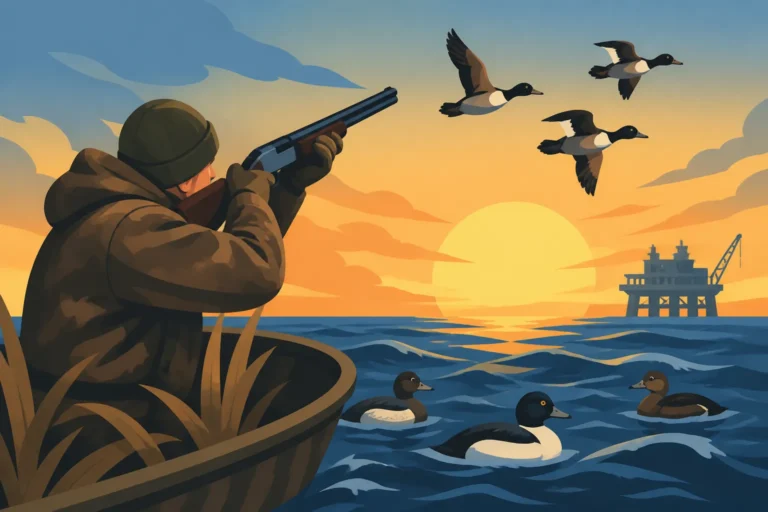
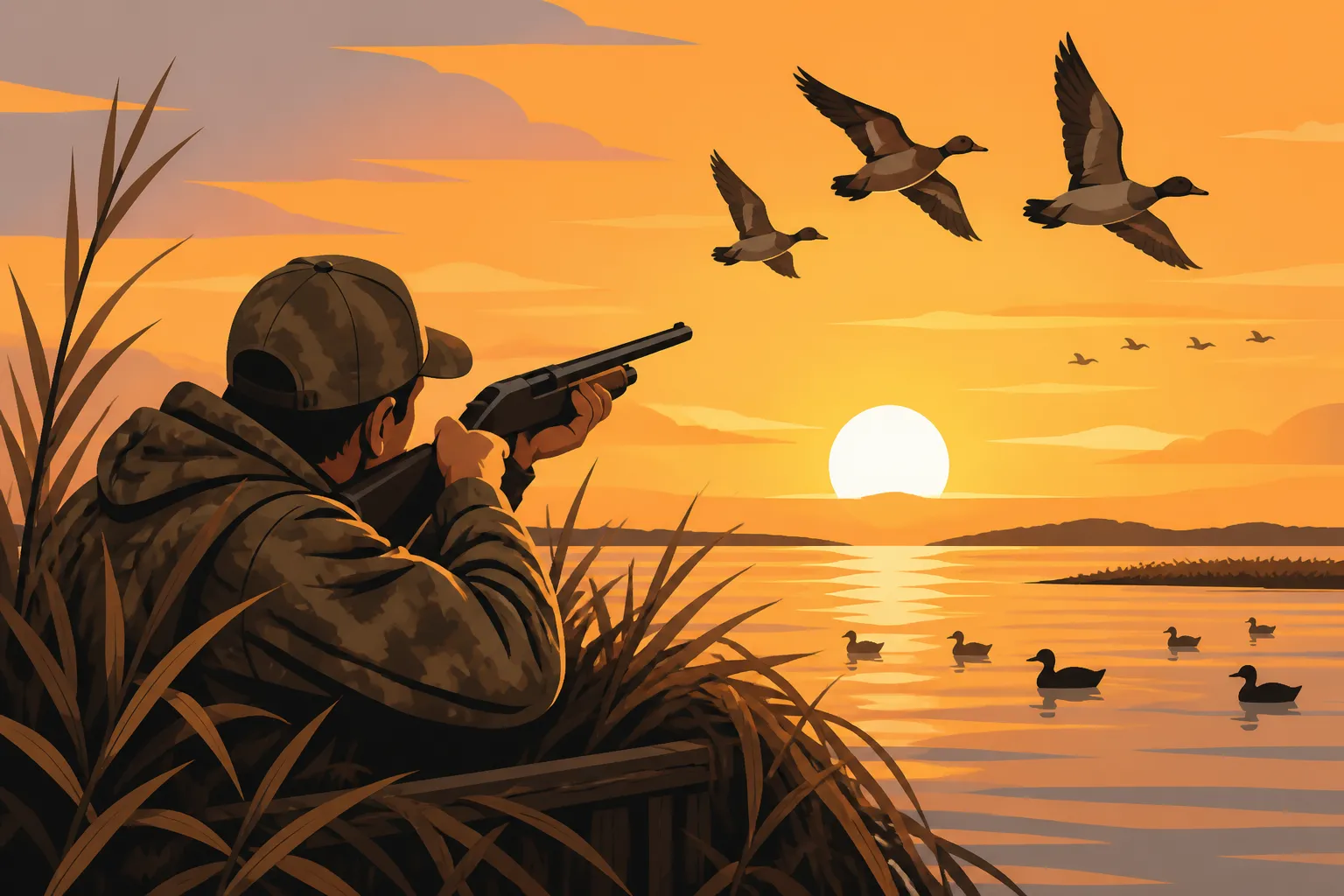
There’s a unique kind of challenge, and a raw, unparalleled beauty, to hunting a Chesapeake Bay blind at first light. You’ve probably felt that familiar pre-dawn chill, the nervous energy humming in the boat as you push off, the complete darkness giving way to the first hint of grey on the horizon. It's a scramble, often cold and sometimes frustrating, trying to get everything just right before the ducks and geese start to move. This guide is all about helping you navigate those critical moments, from the pitch-black boat ride to the perfect decoy spread, ensuring your first light hunt on the Chesapeake is as successful and safe as possible.
The Allure and Challenges of First Light on the Chesapeake
There's something almost spiritual about being out on the Chesapeake Bay before the sun has even thought about making an appearance. The world is quiet, save for the lapping of water against your boat and the distant calls of unseen waterfowl. It's a time of immense anticipation, but also of significant logistical hurdles that can quickly turn a dream hunt into a fumbling, frustrating mess if you're not prepared.
Why Pre-Dawn is Prime Time for Waterfowl
Waterfowl, like many wild animals, are crepuscular, meaning they are most active during dawn and dusk. For duck and goose hunters, this makes the first hour or two of legal shooting light absolutely crucial. Birds are leaving their nighttime roosts, often flying directly to feeding grounds or moving between different bodies of water. This is when they are most likely to be "on the move" and, crucially, most susceptible to decoy spreads and calling.
Imagine a flock of mallards, well-rested and hungry, taking wing from a remote marsh pond. Their internal clocks tell them it's time to eat, and as the sky begins to lighten, they start looking for familiar feeding spots. If your blind is strategically placed along their flight path, and your decoys look inviting in the dim light, you're in a prime position to intercept them. The low light conditions also work in your favor, as birds have a harder time spotting concealed blinds and unnatural movements from hunters. It's a small window of opportunity, but it's often the most productive part of the day, making all the early morning effort worthwhile.
The Reality of Navigating Dark Waters
Getting to your blind before dawn on the Chesapeake Bay isn't just a matter of setting an early alarm; it's a genuine navigational challenge that demands respect and careful planning. The Bay, with its vast open waters, shifting sandbars, submerged crab pots, and often unpredictable weather, becomes an entirely different beast when bathed in darkness. Many hunters, myself included, have had heart-pounding moments trying to find a channel marker or avoid a hidden obstacle in the pitch black.
You’re contending with the absence of visual landmarks, relying heavily on GPS, a good spotlight, and a deep understanding of your specific hunting area. A strong wind can whip up choppy waves in minutes, making a smooth ride impossible, and fog can roll in unexpectedly, reducing visibility to mere feet. The sheer frustration of circling a channel marker you know is there but can't see, or the anxiety of hearing another boat approaching too fast in the dark, is a common experience. This isn't just about losing time; it's about safety. As much as we crave that perfect first-light shot, getting there and back safely is always the top priority. Hunters often use tools like marine charts or apps like GoHunt to mark their exact blind locations and safe travel routes, which can be invaluable in the dark.
Managing Expectations for a Rewarding Hunt
Let's be real, not every first-light hunt on the Chesapeake is going to be a "limit by sunrise" kind of day. There will be mornings when the birds just aren't flying, when a thick fog keeps them grounded, or when they fly just out of range, completely ignoring your perfectly placed spread. It happens to everyone, from seasoned veterans to first-timers. The frustration can be immense, especially after all the effort of waking up before the rooster crows, battling the cold, and meticulously setting up.
However, a rewarding hunt isn't solely defined by the number of birds in the bag. It's also about the experience itself: the camaraderie with hunting partners, the stunning sunrise over the water, the thrill of working a flock of geese, even if they don't commit. It’s about the chance to witness the Bay waking up, the unique sounds and sights you only get to experience in those fleeting moments before the world fully stirs. Embrace the process, learn from the quiet mornings, and cherish the moments that make you feel truly alive out on the water. These are the hunts that build character and forge lasting memories, regardless of the harvest.
Essential Gear and Preparations for Your Blind Hunt
Success on the Chesapeake Bay at first light isn't just about knowing where to go; it's about being prepared with the right gear. The Bay is notorious for its rapidly changing weather, making proper clothing and equipment paramount for both comfort and safety. From what you wear to the type of decoys you deploy, every choice plays a role in your ability to hunt effectively and return home safely.
Dressing for Success: Layers and Waders
Maryland's weather, especially along the Bay, can be incredibly fickle. A calm, chilly morning can quickly turn into a windy, freezing ordeal, or a surprisingly mild day can greet you. This unpredictable nature means that layering is not just a suggestion; it's an absolute necessity. Start with a moisture-wicking base layer to draw sweat away from your skin, followed by insulating mid-layers like fleece or wool to trap warmth. Your outer layer needs to be completely waterproof and windproof, protecting you from spray on the boat ride and driving rain or snow in the blind. Think brands like Sitka Gear or Patagonia for quality outer shells that can stand up to the elements.
Beyond clothing, quality waders are non-negotiable. Whether you're setting decoys, retrieving birds, or even just getting in and out of your blind, you'll be in the water. Neoprene waders offer excellent insulation in cold water, while breathable options are better for milder days, allowing you to layer underneath. Choose waders with insulated boots for maximum warmth, and always make sure they fit well to prevent chafing and allow for comfortable movement. No one wants to spend a cold morning shivering because their gear wasn't up to snuff.
Decoys, Calls, and Shotgun Choices
The effectiveness of your first-light hunt hinges largely on your decoy spread and calling prowess. For a general Chesapeake Bay waterfowl hunt, you’ll want a good mix of mallard, black duck, and diver decoys (like bluebills or canvasbacks) if you're targeting multiple species. Spread sizes can vary, but a solid starting point is 2-3 dozen mixed puddle ducks and a dozen or two divers. Motion decoys, such as spinning wing ducks or jerk cords, can add vital realism in low light, especially when birds are trying to commit. Consider where you might be Decoying Divers on Maryland's Open Bay or where you might be Setting Divers Off a Chesapeake Point specifically.
When it comes to calls, a good primary duck call (like a RNT or Zink call) and a reliable goose call (like a Foiles or Zink goose call) are essential. Practice makes perfect, and being able to mimic the sounds of Puddle Ducks of the Maryland Marshes and Diving Ducks of the Chesapeake or Maryland's Canada Geese and Their Two Populations is key to drawing them in. Your shotgun should be a reliable 12-gauge, capable of handling steel shot, which is legally required for waterfowl. Pattern your shotgun with your chosen ammunition (e.g., Kent Faststeel, Federal Black Cloud) before the season starts to understand its effective range. This is especially important for those challenging first-light shots where accuracy is paramount.
Crucial Safety and Navigation Equipment
Safety on the Chesapeake Bay, particularly in the dark, cannot be overstated. Beyond your hunting gear, you need to prioritize equipment that ensures everyone gets home. Every person on board must have a Coast Guard-approved personal flotation device (PFD), and these should be worn, not just stored, especially during pre-dawn runs or in rough conditions. Navigation lights are mandatory on your boat, and they must be in perfect working order. A powerful spotlight or headlamp is critical for spotting channel markers, debris, and identifying your blind site in the dark.
A reliable GPS unit, either standalone or integrated into your boat's electronics, with pre-marked routes to your blind and emergency rendezvous points, is your best friend. Cellular service can be spotty on parts of the Bay, so a VHF marine radio is a far more dependable means of communication for emergencies. Make sure you have the proper Boat Safety on the Chesapeake in December considerations in mind, as the colder months add another layer of risk. Don’t forget a first-aid kit, a spare paddle, anchor with enough line, and a fully charged cell phone (in a waterproof bag) as backup. Taking a moment to double-check this equipment before you even leave the dock is a small investment that could save lives.
Mastering the Pre-Dawn Approach and Blind Setup
The moments leading up to legal shooting light are a frantic ballet of precision and efficiency. Getting to your blind safely, setting a compelling decoy spread, and getting hidden before the birds start to fly requires meticulous planning and swift execution. There’s no room for fumbling in the dark; every action needs to be intentional and well-rehearsed.
Reading the Bay: Tides, Currents, and Weather
Understanding the dynamics of the Chesapeake Bay is crucial for a safe and effective pre-dawn approach. Tides can significantly alter water depth, exposing hazards at low tide or making shallow areas navigable at high tide. Always check the Reading Tide Charts Before a Marsh Hunt before you head out, and factor in how the tide will affect your travel route to the blind and your decoy placement. A strong current, especially in narrow channels or near points, can make boat handling tricky and even drag your decoy spread out of position if not anchored properly.
Weather, of course, is the ultimate wild card. Even a light breeze can create a chop on the open Bay, while a strong wind can make steering difficult and soak everyone on board with spray. Fog is another frequent visitor, especially in the fall, capable of reducing visibility to zero in minutes. Before every hunt, check multiple weather forecasts, paying close attention to wind speed and direction, potential for fog, and any temperature swings that might occur. This helps you choose the safest route, prepare your gear accordingly, and even adjust your hunting expectations. You might even find some valuable insights on Hunting a Chesapeake Bay Blind at First Light by studying historical weather patterns.
Safe Passage to Your Blind Site
Navigating to your blind in the dark is arguably the most hazardous part of the hunt. This is where pre-season scouting and meticulous planning pay off. Before the season, take daylight runs to your blind, marking your exact route and any potential hazards on your GPS. When running in the dark, stick to your pre-marked GPS track religiously. Go slow, especially in unfamiliar waters or when visibility is poor. A powerful, handheld spotlight is indispensable for scanning the water ahead for crab pots, floating debris, and other boats.
Always designate a lookout, someone whose sole job is to watch for dangers. If you have multiple boats, communicate constantly via VHF radio, especially if you get separated by fog or a change in conditions. Remember, those pre-dawn runs aren't a race. Getting to your blind a little later but safely is infinitely better than rushing and ending up in a dangerous situation. Think about the specific challenges of hunting a Chesapeake shoreline point blind where currents might be strong, or shallow areas extend far out from shore. Many seasoned hunters use GoHunt's satellite imagery to analyze their approach vectors and identify potential blind locations long before stepping foot in the boat.
Optimizing Your Decoy Spread as Daylight Breaks
Once you've safely arrived at your blind, the clock starts ticking. You want to get your decoy spread deployed efficiently and effectively before legal shooting light. The key to a good spread at first light is realism and visibility. In the dim light, motion can be more important than intricate feather detail. Consider creating a "landing zone" in front of your blind, an open water area where birds can commit without feeling crowded.
For ducks, a loose, natural-looking spread mimicking a feeding flock can be very effective. For geese, a spread of full-body decoys on short lines or stakes along a shoreline or shallow bar can draw them in. As the sky lightens, you can fine-tune your spread, adjusting for wind and current, and ensuring your motion decoys are working optimally. Remember that birds will be moving quickly in that first hour, so your spread needs to be inviting from a distance. Consider different arrangements; for example, a "J" hook or "U" shape can guide birds directly into your shooting lane.
Effective Calling and In-Blind Strategy
You’ve made it to the blind, set your spread, and now the first hints of color are painting the eastern sky. This is the moment when all your preparation culminates. How you call, how well you hide, and how you communicate within the blind will dictate your success as ducks and geese begin to move.
Matching Your Calls to Chesapeake Species
Calling waterfowl effectively is both an art and a science, especially on the Chesapeake, where you might encounter a variety of species. It's not just about making noise; it's about speaking their language, adapting to their mood, and knowing when to be aggressive and when to be subtle. For mallards and black ducks, a soft greeting call followed by a contented feed chuckle can be incredibly effective, especially as they look for morning feeding spots. Sometimes, a sharp "hail call" is needed to get the attention of high-flying birds, but once they turn, tone it down to a more reassuring "come-back call" or "cluck."
When geese are flying, especially larger flocks, a deep "honk" or "cluck" from your goose call can get their attention. Pay attention to how they respond; if they're looking, give them a few more reassuring calls. If they start to turn away, a louder, more urgent series of honks might convince them to give your spread another look. Understanding Maryland Canada Goose Season Dates will help you target the right times to practice. Remember, every flock is different, and experience teaches you to read the birds and adjust your calling strategy on the fly. Don't be afraid to experiment, but also know when to go silent – sometimes, less is more.
The Art of Concealment and Blind Discipline
No matter how good your decoys or how masterful your calling, poor concealment will ruin your hunt faster than anything else. Ducks and geese have incredible eyesight, and they're especially wary in the brighter light of dawn. Your blind needs to blend seamlessly with the natural surroundings. This means using natural vegetation like marsh grass, cattails, or cornstalks to break up its outline. Make sure there are no unnatural straight lines or stark shadows.
Once birds are working, blind discipline is paramount. No peeking over the top, no fidgeting, and absolutely no phone checking. Keep your face covered with a mask or face paint, and your hands gloved. Any sudden movement, flash of skin, or glint of metal can flare birds instantly, sending them scattering. Communicate quietly with your hunting partners, using hand signals or whispers. Decide who will call the shot well in advance, usually the hunter with the best view of the incoming birds. Every hunter needs to be a statue until that moment, completely hidden and ready. It’s a challenge, especially when anticipation is high, but it's vital for success.
Working Birds and Making the Shot Count
When a flock finally commits and starts to work your spread, the adrenaline surge is undeniable. This is the culmination of all that early morning effort. As the birds come closer, continue with soft, reassuring calls, but be ready to drop your call and mount your gun smoothly. Resist the urge to jump up too early; let the birds commit fully to the landing zone, ideally with their feet down. That perfect moment when they are hanging over the decoys is often referred to as "killing time."
When the shot is called, rise in unison with your partners, pick a single bird, and swing through it confidently. The first light can make judging distance tricky, so trust your patterning from practice. Focus on ethical, clean kills. If you're a newer hunter, consider going with an experienced mentor or guide to learn the nuances of Hunting Maryland's Apprentice and Mentored Hunting. Don't waste ammunition on birds that are clearly out of range. If you miss, stay calm. Often, a second chance will present itself if you maintain blind discipline. It's about precision, timing, and making every shot count, not just for the harvest, but for the respect we owe the birds we pursue.
Post-Shot Procedures and Sustaining Your Success
The shot is fired, the bird is down – but the hunt isn’t over. Ethical hunting practices dictate swift recovery, and smart hunting means learning from every outing. These post-shot procedures are crucial for both responsible hunting and improving your chances on future trips.
Quick and Ethical Bird Recovery
Once a bird is down, immediate recovery is paramount. A wounded bird can quickly swim away, hide in thick marsh grass, or be carried off by the current. If you're hunting with a retriever, this is where their training truly shines. Send your dog immediately and direct them to the downed bird. If you don't have a dog, mark the spot where the bird fell as accurately as possible, using landmarks on the horizon or GPS coordinates. Then, move swiftly by boat or waders to the recovery location.
Always ensure the bird is ethically dispatched if it's still alive. This is a non-negotiable part of responsible hunting. Be mindful of potential hazards during recovery, like submerged obstacles, deep mud, or strong currents. Remember that your Federal Duck Stamp Rules for Bird Hunters and HIP Registration for Migratory Bird Hunters are not just about legality but also contribute to conservation efforts that ensure future hunts. Once recovered, place the bird in a designated cooler or game bag to keep the meat clean and cool. Do a quick check for any leg bands, which are vital data for wildlife biologists and can offer a cool souvenir.
Scouting for Future Hunts
Every hunt, successful or not, offers valuable scouting opportunities. Even on quiet mornings, pay attention to where birds are flying (or not flying). Are they skirting your spread to the left or right? Are they landing in a different part of the Bay? What kind of species are you seeing, and what are their flight patterns? Note these observations. GoHunt is an excellent resource for making notes directly on a map, marking flight corridors, potential roosting areas, or spots where you observed heavy bird activity.
After the shooting dies down, take some time to observe. What did the tides do to your spread? Did the wind shift unexpectedly? Was there something about your blind that might have spooked birds? Consider revisiting your blind location during different tide cycles or in varying weather conditions to see how the area changes. This ongoing reconnaissance is critical for adapting your strategies and increasing your odds for future hunts, especially if you're hunting the same Maryland Waterfowl Zones and Season Dates repeatedly. The more you understand the specific nuances of your hunting area, the better equipped you'll be to put yourself in the right place at the right time.
Maintaining Gear and Learning from Each Outing
The moments after the hunt are often overlooked but are crucial for prolonging the life of your gear and refining your skills. As soon as you're back home or at the ramp, take the time to properly clean and store your equipment. Rinse decoys of mud and saltwater, letting them dry completely to prevent mold and mildew. Clean your shotgun thoroughly to prevent rust and ensure reliable performance. Hang waders to dry, and clean any mud or grime off your outer hunting layers. Proper maintenance saves you money in the long run and ensures your gear is ready for the next adventure.
Beyond physical gear, take a moment to reflect on the hunt itself. What worked well? What didn't? Was your calling effective? Did you have enough decoys, or too many? Was your blind setup optimally concealed? Discuss these points with your hunting partners. Every hunt, regardless of its outcome, is a learning experience. Document your observations in a hunting journal, noting conditions, bird activity, and decoy strategies. This personal "data" will become an invaluable resource, helping you make more informed decisions and ultimately become a more skilled and successful Chesapeake Bay waterfowl hunter.
Disclaimer
Please note that hunting regulations, licensing requirements, and season dates are subject to change. Always consult the most current Maryland Department of Natural Resources (DNR) hunting guide and local regulations before planning any hunting trip. Safety should always be your top priority in the field.