Hunting a Suburban Woodlot in Montgomery County
Hunting deer in densely populated areas like Montgomery County presents a unique set of challenges that can feel overwhelming, from navigating strict local ordinances to finding suitable private land and dealing with close proximity to homes. It's a far cry from the wide-open spaces of Western Maryland, often leaving hunters feeling restricted and unsure where to even begin. This comprehensive guide will walk you through the specifics of successfully and ethically hunting suburban woodlots in Montgomery County, helping you understand the regulations, secure access, and employ effective tactics to make your hunt both productive and respectful of the local community.
Understanding Montgomery County's Unique Hunting Landscape
Montgomery County, part of the bustling metropolitan area surrounding Washington D.C., isn't your typical Maryland hunting destination. Yet, it harbors a robust deer population that thrives in fragmented habitats and green spaces. The challenge for hunters here isn't necessarily finding deer, but rather navigating the complex tapestry of private land, public access, and strict local regulations. Successful hunting in this environment requires a deep understanding of these unique dynamics and a commitment to ethical, low-impact practices.
Maryland's Region B Rules and Deer Numbers
Montgomery County falls squarely within Maryland's Deer Management Region B, which encompasses most of the state's central and eastern counties characterized by higher human population density and fragmented habitats. The Maryland Department of Natural Resources (DNR) manages deer populations in Region B with a focus on mitigating conflicts between deer and humans, such as agricultural damage, landscape destruction, and vehicle collisions. This often translates into more liberal antlerless deer limits, offering significant opportunities for hunters to contribute to population management.
In Region B, deer numbers are often surprisingly high, even in seemingly developed areas. Pockets of woodland, creek bottoms, and even overgrown industrial plots can hold a significant number of animals. These deer become accustomed to human activity, moving through suburban backyards, golf courses, and nature preserves with remarkable stealth. For the hunter, this means that while deer are present, they are often more wary and nocturnal, adapting to the constant presence of people and domestic animals. Understanding this behavior is the first step toward successful hunting in these unique conditions. You can learn more about Hunting Maryland's Two Deer Management Regions to get a broader perspective on the state's deer management strategies.
Special Considerations for Suburban Counties
Hunting in a suburban county like Montgomery demands a different mindset than hunting in rural areas. The woodlots you'll encounter are typically smaller, often isolated, and frequently bordered by residential properties, roads, and commercial developments. This creates unique challenges and opportunities. Deer use these small patches of cover for bedding, feeding, and as travel corridors between larger blocks of habitat. Your hunting approach must be surgical, precise, and highly respectful of the surrounding community.
For instance, you're not just dealing with other hunters; you'll regularly encounter dog walkers, joggers, hikers, and children playing in or near the woods. This increased human activity means deer are more accustomed to sounds and scents, but also more prone to relocating if pressure is too high or if they feel unsafe. Therefore, mid-day hunting, focusing on quiet entry and exit, and employing methods that minimize disturbance become paramount. The goal is to be as invisible as possible, both to the deer and to the non-hunting public, to ensure continued access and positive perceptions of hunting.
Weapon Restrictions in Populated Areas
One of the most critical aspects of hunting in Montgomery County is understanding and adhering to the specific weapon restrictions. Due to safety concerns in densely populated areas, the use of high-powered rifles is typically prohibited for deer hunting. Instead, hunters must rely on archery equipment, shotguns (often with slugs), or muzzleloaders. This is a significant departure from many rural counties where rifles are commonplace.
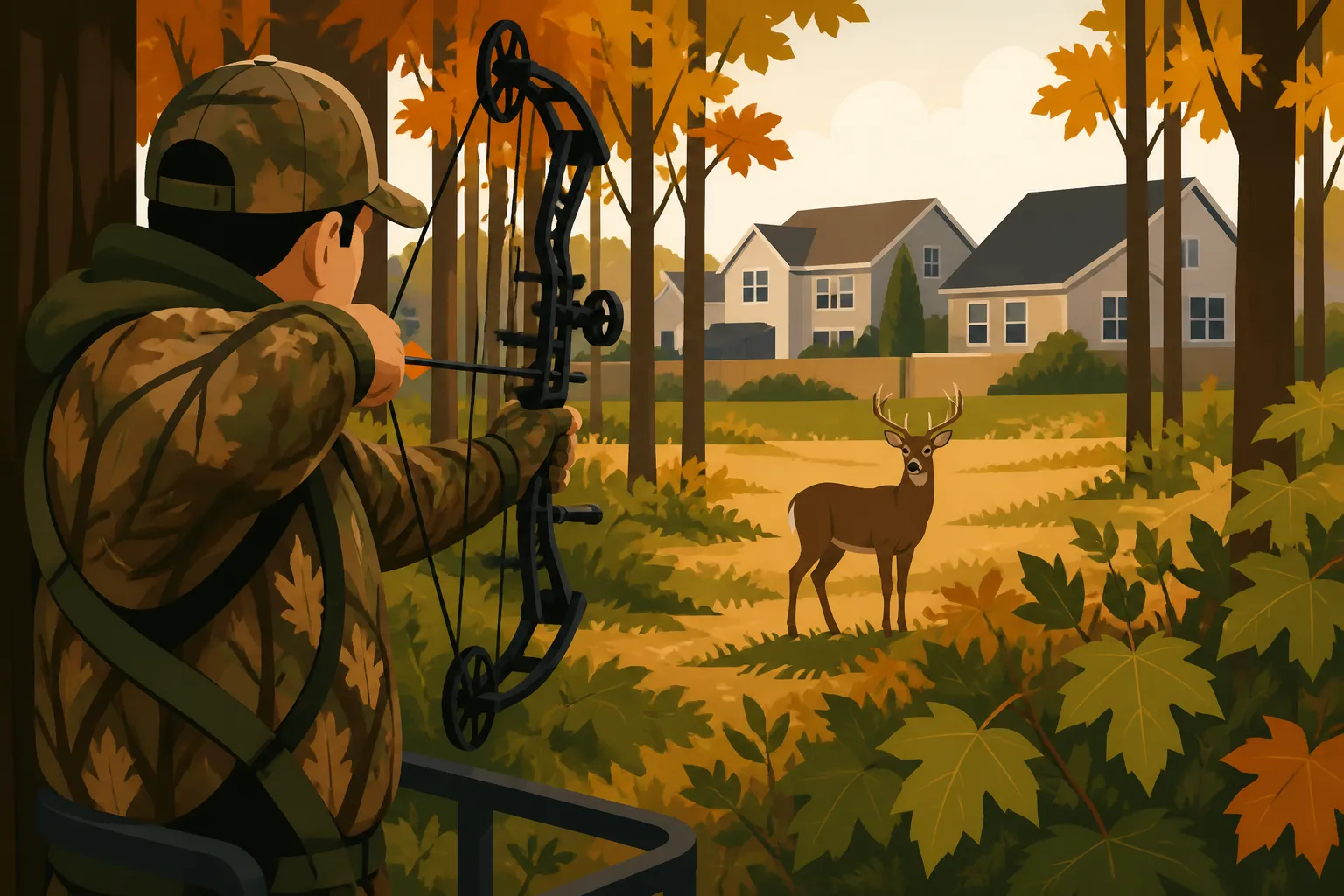
Many parts of Montgomery County, particularly those closest to urban centers, are designated as "archery-only" zones or have very strict limitations on firearms discharge. This makes bowhunting often the most viable, and sometimes the only, option for deer hunters. This distinction is crucial, as it dictates your gear choices, required skill sets, and even your hunting strategy. Always verify the specific regulations for the precise parcel you intend to hunt, as local ordinances can add further restrictions. For a deeper dive into weapon regulations, check out Maryland's Legal Weapons by County, and specifically, you'll find relevant information in Bowhunting Maryland Suburbs Where Rifles Are Banned.
Strategic Scouting and Access for Suburban Woodlots
Finding a huntable piece of ground in Montgomery County isn't about driving miles of back roads looking for large timber blocks. It's often a meticulous, detailed process of identifying overlooked pockets of habitat, understanding deer movement within them, and most importantly, securing permission from landowners. This requires persistence, a bit of detective work, and a commitment to building good relationships.
Identifying Huntable Woodlots
The first step in suburban hunting is often done from your computer. Start by leveraging online mapping tools and aerial imagery to identify potential hunting spots. Look for any green space – creek bottoms, utility corridors, thick hedgerows, unkempt corners of industrial parks, or even small, overgrown woodlots nestled between housing developments. Deer are masters of adapting, and they will utilize even the smallest patches of cover if they offer food and a sense of security.
Pay close attention to how these smaller woodlots connect. Deer rarely stay isolated in one tiny patch; they move between them using natural funnels like drainage ditches, fence lines, and strips of woods along creeks. These pinch points, where deer movement is concentrated by natural or man-made barriers, are prime locations to focus your efforts. Mapping tools can also help you identify areas that might be harder for the general public to access, such as parcels with limited parking or those tucked behind commercial properties, which can translate into less human disturbance for the deer. Many hunters find tools like GoHunt invaluable for overlaying property lines and identifying these key areas, although free alternatives like Google Earth can also be very effective.
The Art of Securing Private Land Permission
In a county like Montgomery, access to private land is your golden ticket. Unlike rural areas where simply asking might suffice, securing permission in a suburban setting often requires a more strategic and professional approach. Landowners in these areas may be dealing with deer overpopulation issues (damaged landscaping, Lyme disease concerns) and might be open to a responsible hunter who can help manage the herd.
When approaching landowners, present yourself professionally. Dress neatly, have a clear explanation of why you're there (offering deer management, not just "hunting"), and be prepared to explain your hunting methods, emphasizing safety (especially if you're bowhunting) and discretion. Offer to show your hunting license and provide references if requested. Sometimes, offering to share venison or assist with other property tasks (like clearing brush) can go a long way in building trust. Always, always get written permission, specifying the areas you can hunt and the duration. This protects both you and the landowner. You can get some great tips on this in Knocking on Doors in Maryland Farm Country, adapting the advice for a more suburban context.
Leveraging Technology for Scouting
Modern hunting technology has revolutionized how we scout, and it's particularly useful in the fragmented landscape of Montgomery County. Beyond simply identifying green spaces, detailed aerial photos can reveal subtle clues about deer behavior. Look for faint trails, potential bedding areas (often dense thickets or cedar stands), and likely food sources like acorn-producing oaks, honeysuckle, or agricultural edges. You can identify natural funnels where deer traffic is likely to be concentrated.
Apps that provide property line overlays are indispensable. This ensures you are always on the correct property and never inadvertently trespass, which is crucial in densely populated areas. Furthermore, trail cameras can be incredibly effective. Placed discreetly in potential travel corridors or near natural food sources, they allow you to monitor deer activity, identify specific animals, and understand their movement patterns without constant physical presence. This minimizes disturbance to both the deer and the surrounding community. Using these tools, even before you set foot in the woods, can give you a significant advantage in uncovering the secrets of a suburban woodlot. If you want to dive deeper into digital scouting, consider reading Scouting Maryland Public Land With Aerial Photos, as many of the principles apply to private land too.
Effective Hunting Tactics for Small Woodlots
Hunting small, suburban woodlots requires a refined set of tactics that prioritize stealth, minimal impact, and adaptability. Deer in these areas are highly pressured, not necessarily by other hunters, but by constant human presence, noise, and domestic animals. Your success will hinge on your ability to outsmart these wary animals on their home turf.
Smart Stand Placement in Small Spaces
In a typical small woodlot, you won't have the luxury of vast expanses to choose from. Stand placement becomes critical. Instead of trying to get deep into the woods, often the best approach is to hunt the edges and transition zones. Deer frequently move along the perimeter of these woodlots, using them as cover while traveling between bedding areas, food sources, and water. Look for pinch points where deer are funneled through a narrow corridor by natural features or man-made obstacles.
Consider using natural cover to your advantage. A dense cedar thicket, a patch of multiflora rose, or even an overgrown ditch bank can offer excellent concealment, allowing you to set up a ground blind or a low-profile tree stand. Focus on entry and exit routes that are quiet, concealed, and don't spook deer or draw attention from nearby homes. Often, this means arriving well before daylight and staying until after dark, using natural terrain or existing fence lines to minimize your impact. The goal is to maximize your shot opportunities within ethical range while remaining unseen and unheard. For bowhunters, who are often the primary users in these zones, this precision is even more paramount, as discussed in Bowhunting Maryland's Long Archery Season.
Mastering Scent Control in Developed Areas
Scent control is always important in deer hunting, but it reaches a new level of criticality in suburban environments. Deer in Montgomery County are accustomed to human scent, but they typically associate it with non-threatening activity (walkers, cars, etc.). However, introducing hunting human scent can immediately put them on high alert. These deer are often hyper-vigilant and will detect even the slightest foreign odor.
Your scent control regimen should be meticulous. This includes washing all hunting clothes in scent-eliminating detergents, showering with scent-free soaps, and storing your gear in airtight containers. Utilize scent-eliminating sprays on yourself and your equipment before heading out. Most importantly, always play the wind. In suburban areas, thermals can be tricky due to buildings, pavement, and open fields affecting airflow. Scout the property at different times of day to understand how the wind shifts. Consider using a ground blind with a full back, like those offered by Barronett Blinds, to help contain your scent in areas with unpredictable winds. Don't underestimate the keen noses of these urban deer; a single whiff of foreign odor can send them scurrying.
Quiet and Ethical Harvest Methods
Given the prevalence of archery-only zones and the close proximity to residential areas, quiet and ethical harvest methods are non-negotiable. For bowhunters, this means focusing intensely on shot placement. A quick, ethical kill minimizes tracking distance and reduces the chance of a deer expiring on unpermitted land or in a residential backyard. Practice extensively to ensure you can consistently place arrows accurately under pressure.
When a shot is taken, a quick and silent recovery is paramount. If you're bowhunting, wait for an appropriate amount of time (often 30 minutes to an hour for a good shot, longer for marginal hits) before beginning your track. Utilize good blood-trailing techniques. If the deer runs onto neighboring property for which you don't have permission, you must cease tracking and attempt to contact the landowner immediately to request permission for recovery. Never pursue a wounded animal onto private property without explicit consent – this is a legal and ethical imperative. Field dressing should be done discreetly, ideally out of public view, and the carcass removed as quickly and quietly as possible. Learn more about Field Dressing a Deer in Warm September Weather if you're hunting the early archery season.
Navigating Legalities and Public Perception
Successfully hunting in Montgomery County isn't just about finding and harvesting deer; it's also about being a responsible, law-abiding ambassador for hunting. This means being intimately familiar with all relevant laws, understanding how your actions are perceived by the public, and proactively fostering positive relationships.
Understanding Setback Distances
One of the most crucial legal aspects to master when hunting in a suburban environment is setback distances. Maryland has specific laws regarding how close you can discharge a firearm or bow to an occupied dwelling or public road. For firearms, Maryland law generally requires a 150-yard setback from any occupied dwelling. While there isn't a specific statewide setback for archery, common sense and local ordinances often dictate similar, if not stricter, precautions. Some Montgomery County municipalities or specific tracts of public land may have their own unique setback rules that can be even more restrictive.
Always err on the side of caution. Before setting up your stand, use a rangefinder to verify distances to all surrounding properties, roads, and structures. It's not enough to be "pretty sure"; you need to know you are legally compliant. Violating setback laws can result in serious fines, loss of hunting privileges, and critically, can fuel negative public perception of hunting, potentially leading to further restrictions in your area. This vigilance is a cornerstone of responsible suburban hunting.
Blaze Orange Requirements and Visibility
Maryland law mandates blaze orange during certain firearms seasons, and during specified archery seasons when firearms are also permitted. However, even when not legally required (such as during most of the dedicated archery season), wearing blaze orange in a suburban woodlot is a wise choice. You are highly likely to encounter other outdoor enthusiasts – hikers, dog walkers, mountain bikers – who may not expect to see a hunter.
Exceeding the minimum blaze orange requirements ensures you are highly visible to non-hunters, reducing the risk of accidental encounters or misunderstandings. A blaze orange vest or hat worn while walking to and from your stand, even if removed once you are elevated and settled, is a good practice. The goal is to prevent any potential safety concerns or public alarm. Remember, in these environments, perception is key. Being clearly visible can prevent a phone call to the authorities and help maintain a positive image of hunters in the community. Be sure to understand How Much Blaze Orange Maryland Requires for each season.
Managing Interactions with the Public
Hunting in a suburban setting almost guarantees interactions with non-hunters. How you handle these encounters is critical. Your demeanor and actions directly reflect on all hunters. Always be polite, courteous, and respectful, even if confronted by someone who is critical of hunting. Avoid arguments or confrontational behavior at all costs.
If approached, calmly explain what you are doing, emphasizing that you have legal permission, are following all regulations, and are contributing to wildlife management. Education can go a long way in dispelling misconceptions. When transporting a harvested deer, do so as discreetly as possible. This means keeping the animal covered and out of direct public view while moving it from the woods to your vehicle. Parking your vehicle in a way that minimizes drawing attention is also advisable. Being a good steward of the land and a respectful member of the community will help ensure that hunting remains a permitted and accepted activity in Montgomery County's unique landscape. Always carry your Carrying Your License on Your Phone to quickly verify your credentials if needed. Don't forget to Registering a Maryland Deer by Phone or App after a successful harvest, a key step in responsible hunting.
Disclaimer
Please note that hunting regulations, seasons, and licensing requirements can change. It is the responsibility of every hunter to consult the most current Maryland Department of Natural Resources (DNR) hunting guide and local ordinances before heading afield. This guide provides general information and should not be considered a substitute for official legal advice or current regulations.