Maryland Deer Season Dates by Weapon
Navigating the ever-changing landscape of Maryland's deer hunting regulations can feel like trying to hit a moving target, especially when you're trying to figure out which weapon you can use and when. It’s frustrating to sift through dense DNR manuals just to pin down the exact dates for your preferred hunting method. This comprehensive guide is designed to cut through the confusion, clearly outlining Maryland's deer season dates by weapon type so you can plan your hunts with confidence and maximize your time in the field.
Understanding Maryland's Deer Hunting Framework
Before we dive into the nitty-gritty of specific weapon seasons, it's crucial to grasp the overarching framework that shapes deer hunting in Maryland. The Free State has a nuanced approach, driven by population management goals, geographic considerations, and a desire to provide diverse opportunities for hunters. Ignoring these fundamental aspects can lead to confusion, or worse, unintended violations.
Region A vs. Region B: Why Geography Matters
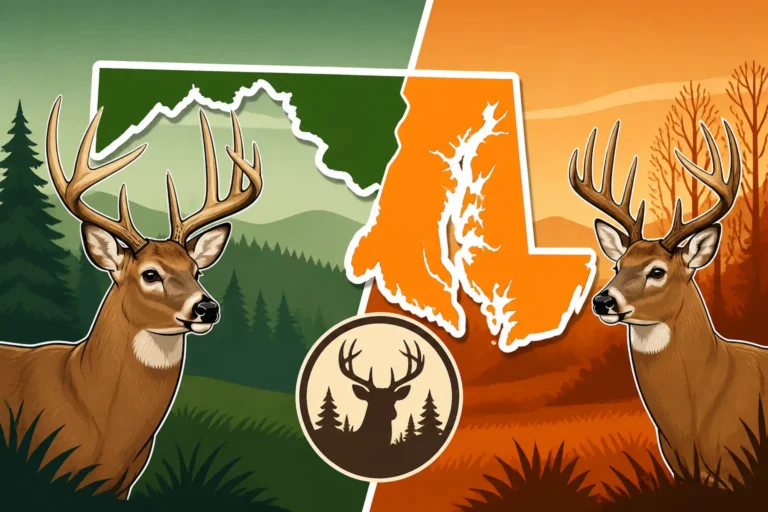
Maryland's deer management strategy is geographically divided into two distinct regions: Region A and Region B. This isn't just an arbitrary line on a map; it significantly impacts season lengths, bag limits, and even the type of hunting pressure you'll encounter. Region A generally encompasses the more mountainous, less populated western counties, specifically Garrett and Allegany. Here, deer populations are typically lower, and the habitat consists largely of expansive public forests like Savage River State Forest and Green Ridge State Forest. As a result, regulations in Region A tend to be more conservative, with stricter bag limits to encourage population growth and stability.
Conversely, Region B covers the remaining 21 counties, which include the rolling hills of the Piedmont, the agricultural landscapes of the Eastern Shore, and the suburban corridors surrounding Baltimore and Washington D.C. This region generally supports much higher deer densities, often leading to increased deer-vehicle collisions and agricultural damage. Therefore, Region B regulations are designed to facilitate greater harvest opportunities, featuring more liberal bag limits and longer seasons, particularly for antlerless deer. Understanding whether your hunting ground falls into Region A or Region B is the very first step in deciphering the relevant season dates and restrictions for your hunt. You can read more about how these areas differ in our guide on Hunting Maryland's Two Deer Management Regions.
The Antler Restriction Rule: What You Need to Know
One of the most talked-about regulations among Maryland deer hunters is the antler restriction rule, often referred to as the "three-point rule." This rule mandates that, with certain exceptions, antlered deer harvested in Region B must have at least three points on one antler. This regulation was implemented to allow younger bucks more time to mature, ideally leading to an older age structure and larger antlers within the herd. For many hunters, it has certainly changed the way they evaluate a deer in the field, pushing them to pass on younger, smaller bucks.
However, it's not a blanket rule for every buck. Each hunter is typically allowed to harvest one antlered deer statewide per license year that does not meet the three-point requirement, provided it has at least two antler points. This allows for some flexibility, but it's crucial to track your harvests carefully. In Region A, the antler restriction does not apply, meaning any antlered deer with at least two points can be legally harvested. This distinction highlights the differing management goals between the two regions and underscores the importance of knowing your location. The specific nuances of this rule are detailed in our piece on Maryland's Three-Point Antler Restriction.
Overview of Weapon Seasons and Their Purpose
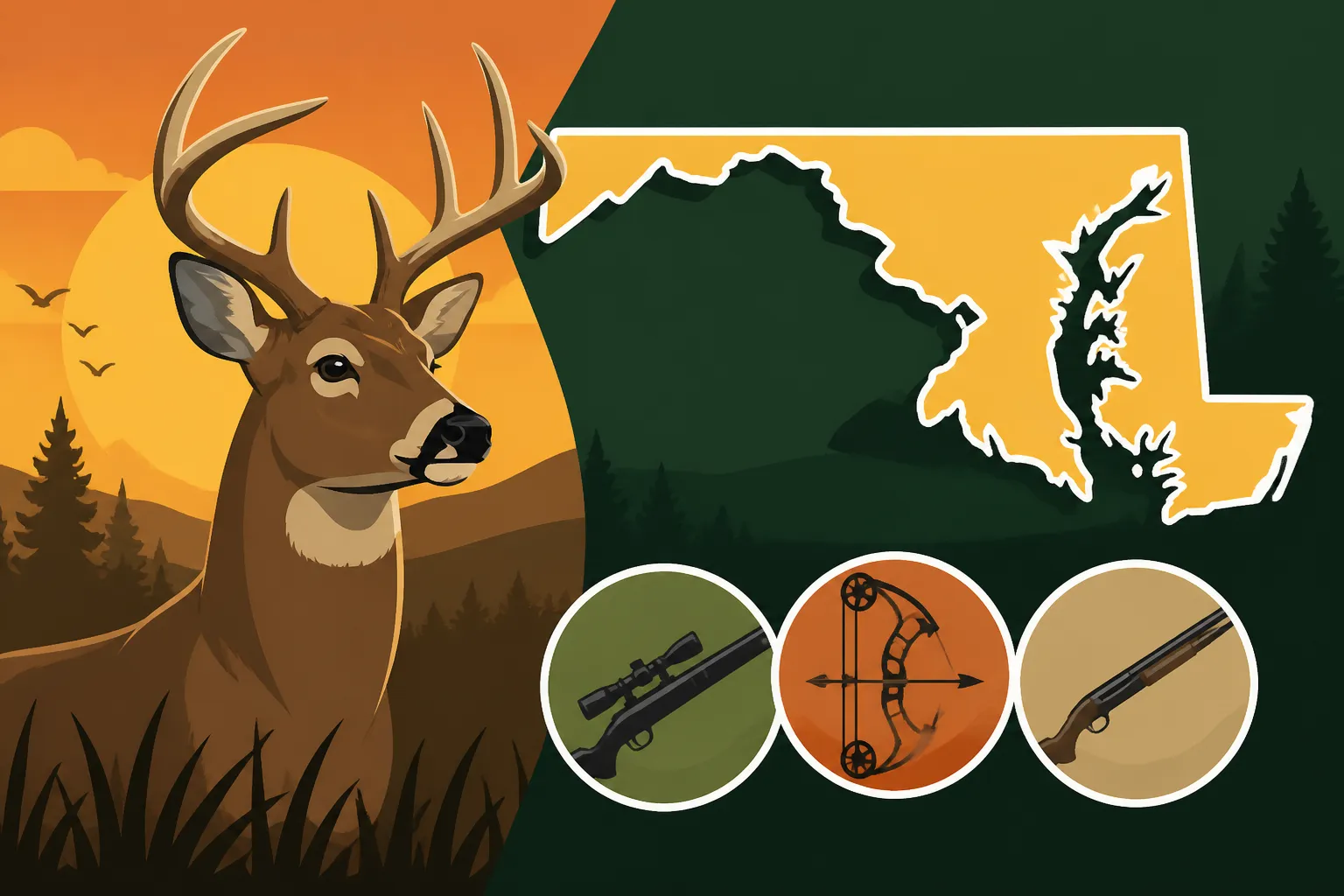
Maryland offers a diverse array of hunting seasons tailored to different weapon types, each designed to achieve specific management objectives and provide varied experiences. The primary weapon seasons are archery, firearms, and muzzleloader. Each has its unique timeline, challenges, and appeal. Archery season is the longest, stretching across several months, offering early-season opportunities and a chance to hunt during the peak of the rut with minimal disturbance. Firearms season, though shorter, accounts for the largest portion of the annual deer harvest due to its efficiency and the wider range of hunters it accommodates. Muzzleloader season provides a bridge between archery and firearms, offering a traditional hunting experience with distinct timing.
Beyond these primary seasons, there are specialized opportunities like junior deer hunting days, which are critical for introducing youth to the sport, and various managed deer hunts, which are often employed to address localized deer overpopulation issues, particularly in suburban areas. These varied seasons collectively allow the Maryland Department of Natural Resources to manage the deer population effectively across different landscapes and population densities, while also offering hunters a choice in how and when they pursue deer. It’s a dynamic system, and understanding the purpose behind each season helps you appreciate the planning that goes into your hunting opportunities.
Archery Season: Long Stretches and Strategic Opportunities
Maryland's archery season is by far the longest deer season available, providing bowhunters with an extensive window to pursue whitetails and sika deer. This extended period allows for diverse hunting strategies, adapting to changing deer behavior from the warmth of early fall to the chill of late winter. It's a season that demands patience, precision, and an intimate understanding of deer movement throughout different phases of the year.
Early Archery: September Opener and Warm Weather Tactics
The archery season kicks off in September, often bringing with it lingering summer heat and active deer patterns centered around food sources. When Maryland's Archery Season Opens in September, deer are often still in their predictable summer feeding patterns, hitting agricultural fields, food plots, and natural mast crops like acorns, if they're dropping early. This early opener provides a fantastic opportunity for hunters willing to brave the warmer temperatures. Tactics often revolve around evening hunts near known food sources, as deer movements tend to be more consistent closer to dusk and dawn. Scouting becomes paramount to identify these feeding patterns, and trail cameras are invaluable for pinpointing specific travel routes and feeding times.
One significant challenge during this early period is managing scent in warm weather, as human odor can carry much further. Meticulous scent control, including specialized clothing and sprays, becomes even more critical. Hydration is also key for hunters, especially those walking long distances to their stands. While the bucks might not be showing intense rutting behavior, it's a prime time to catch them in velvet or just after shedding, focused solely on feeding. This period is less about calling and more about strategic stand placement and stealth. You can learn more about these initial hunts in our guide to Hunting Maryland's September Archery Opener.
Mid-Season Bowhunting: The Rut and Beyond
As October transitions into November, Maryland's archery season enters its most exciting phase: the rut. This is when bucks become significantly more active, traveling widely in search of does, often throwing caution to the wind. For bowhunters, this period offers unparalleled opportunities, as deer are moving throughout the day, not just at dawn and dusk. Understanding Hunting the Rut in Early to Mid November is crucial for maximizing success. Bucks will be checking scrapes, rubbing trees, and engaging in chasing behavior. This makes calling techniques, such as grunts and rattling antlers, highly effective.
Stand placement shifts from food sources to travel corridors, funnels, and areas of dense cover where deer feel secure. Setting up between bedding and feeding areas, or along natural pinch points, can be incredibly productive. The rut typically peaks in mid-November, after which deer may enter a post-rut phase, focusing again on replenishing their energy reserves after the demanding breeding period. This means a slight shift back towards targeting food sources, though bucks may still be sporadically cruising for any remaining estrous does. This middle segment of the archery season often yields the biggest bucks for those who put in the time.
Late Archery: Winter Challenges and Persistence
Maryland's archery season extends deep into the winter, often running through January, coinciding with some of the coldest weather of the year. This late season presents unique challenges and opportunities. Deer are now solely focused on survival, prioritizing readily available food sources and thermal cover. Standing corn, forgotten soybean fields, or winter food plots become magnetic attractions. Additionally, deer will seek out dense evergreen thickets, such as loblolly pines or cedars, for warmth and shelter from the elements.
Hunting during this period requires resilience. Hunters need to be prepared for biting winds, freezing temperatures, and potentially snow. However, the bare trees can make visibility better, and deer can be concentrated in specific areas, making them more predictable. A hunter's ability to stay warm and comfortable in a stand for extended periods is paramount. Furthermore, tracking becomes easier in snow, which can be an advantage when trying to recover a deer. While the excitement of the rut is long past, the late archery season offers a chance to fill tags when many other hunters have packed it in. This season demands a different kind of persistence, often rewarded with deer that are more concentrated and predictable around crucial winter resources. Our detailed guide on Bowhunting Maryland's Long Archery Season provides more insight into these extended opportunities.
Firearms Season: Key Dates for Modern Gun Hunters
The firearms season in Maryland is a highly anticipated period for many hunters, often accounting for the largest proportion of the annual deer harvest. While shorter than archery season, it offers intense, action-packed hunting opportunities, particularly during the traditional November split. Understanding the specific dates, legal weapons, and county-level restrictions is vital for a safe and successful hunt.
The November Firearms Split: Prime Time in the Woods
Maryland's primary firearms season is typically split into two parts. The first, and most popular, segment usually begins the Saturday after Thanksgiving and runs for about a week. This late November firearms split is prime time for deer hunters across the state. Deer are still recovering from the rut, or in some cases, the tail end of the rut may still be active, meaning bucks can still be on the move. The cooler weather and often-harvested agricultural fields mean deer patterns are generally shifting towards secondary food sources and secure bedding areas.
This week sees the highest concentration of hunters in the woods, especially on public lands. Therefore, understanding hunting pressure and planning accordingly is critical. Many hunters utilize deer drives on private lands, while those on public land often focus on funnel points, thick cover, and travel corridors between bedding and feeding areas. It’s an exciting, fast-paced week where patience and a good understanding of deer movement and hunter impact can make all the difference. Our guide to Hunting the Late November Firearms Split delves into strategies for this intense period.
January Firearms Reopening: A Late-Season Push
After a break, the firearms season reopens in January, typically for about a week. This January firearms reopening provides a crucial late-season opportunity, particularly for antlerless deer. By this time, deer have been heavily pressured, and food sources can be scarce, especially if snow and ice are present. Deer are focused almost entirely on survival, congregating around the most abundant food sources and seeking the warmest, densest cover available.
Hunting in January often involves dealing with very cold temperatures, which means proper clothing and equipment are non-negotiable. Success during this period often comes down to scouting for late-season food, like standing corn or persistent browse, and identifying areas of thermal cover. Deer drives can still be effective on private properties, but still-hunting or sitting patiently over a prime food source becomes a more common strategy on public land. This late-season hunt is an excellent chance to fill remaining antlerless tags, which are crucial for population management, especially in Region B.
Legal Weapons and Ammunition by County
Maryland's regulations on legal firearms for deer hunting can be quite intricate, often varying by county. Generally, shotguns, muzzleloaders, and straight-walled cartridge rifles are permissible, but the specifics of which calibers and types of ammunition are allowed often depend on the population density and proximity to residential areas. For instance, in many counties, particularly those in more suburban parts of Region B, rifles that fire traditional bottlenecked cartridges might be restricted or entirely prohibited due to concerns about projectile travel distances. In these areas, hunters are typically limited to shotguns with slugs or buckshot, straight-walled cartridges (like .350 Legend or .45-70 Gov't), or muzzleloaders.
It's absolutely imperative for hunters to check the Maryland Department of Natural Resources (DNR) regulations specific to the county they plan to hunt in before heading afield. What's legal in Garrett County might not be in Montgomery County. Understanding Maryland's Legal Weapons by County is not just about compliance; it's about safety and being an responsible hunter. This detailed awareness prevents legal issues and ensures you're equipped appropriately for your chosen hunting location.
Muzzleloader Season: Traditional Hunting with Modern Challenges
Muzzleloader hunting offers a unique blend of tradition and challenge, allowing hunters to step back in time while still benefiting from modern advancements in firearm technology. Maryland provides dedicated muzzleloader seasons that often overlap with or bridge gaps between archery and firearms seasons, giving hunters additional opportunities to pursue deer.
October Muzzleloader Week: Overlapping with Archery
The first segment of Maryland's muzzleloader season typically occurs in mid-October. This week-long season often overlaps with a significant portion of the archery season. For muzzleloader enthusiasts, this timing is fantastic. Deer are generally in their pre-rut patterns, actively feeding and beginning to show signs of increased movement. The weather is usually crisp and pleasant, making for enjoyable days in the woods.
During this October muzzleloader week, hunters often employ strategies similar to early-to-mid archery season, focusing on food sources and natural travel corridors. While the rut isn't in full swing, bucks are starting to rub and scrape, indicating their increasing activity. The sound of a muzzleloader shot is distinct, and the limited range compared to modern rifles adds a layer of challenge, requiring hunters to get closer to their quarry. It's a prime opportunity to experience a more traditional form of deer hunting, utilizing open sights or low-power scopes and savoring the ritual of loading a single shot. Our guide on Hunting Maryland's October Muzzleloader Week offers more insights for this time.
Late Muzzleloader: Post-Christmas Opportunities
Following the main firearms season, Maryland offers a late muzzleloader season, usually spanning the end of December into early January. This post-Christmas period provides another chance to hunt, often in colder weather and with potentially more challenging conditions. Deer have faced significant hunting pressure by this point in the season and are highly attuned to their surroundings.
Success in the late muzzleloader season relies heavily on patience and effective scouting for remaining food sources and dense cover where deer might seek refuge from the cold. Deer drives, where legal and safely executed, can still be productive on private lands, but still-hunting or patiently waiting over a crucial food plot are common strategies. Just like the late archery and January firearms seasons, the focus here is often on filling antlerless tags, contributing to the overall deer management goals. The unique challenge of a single-shot, slower-loading firearm in late-season conditions makes every encounter feel especially rewarding. For more details on this specific period, refer to Hunting Maryland's Late Muzzleloader Season.
Muzzleloader Specific Regulations and Considerations
Muzzleloader hunting in Maryland comes with its own set of rules and considerations beyond just season dates. While it falls under the "firearms" umbrella, specific regulations apply to the type of muzzleloader, its ignition system, and the projectiles used. Generally, a muzzleloader must be loaded from the muzzle, and in-line muzzleloaders are permitted. Hunters often use sabots with jacketed bullets or traditional lead projectiles. However, it's essential to confirm all specifics with the current DNR regulations, as these can occasionally be updated.
Another key consideration is the use of optics. While some states limit muzzleloaders to open sights, Maryland generally allows the use of scopes, which many hunters appreciate for increased accuracy. Safety is paramount with muzzleloaders; understanding proper loading, cleaning, and storage is crucial. The unique nature of these firearms means extra attention must be paid to moisture, powder type, and projectile fit to ensure reliable performance in the field. Muzzleloader hunting is a rewarding pursuit that connects hunters to a rich historical tradition, but it demands a thorough understanding of its specific requirements and safe handling practices. Our pillar content on Muzzleloader Deer Hunting in Maryland covers all aspects in greater detail.
Special Seasons and Unique Weapon Opportunities
Beyond the core archery, firearms, and muzzleloader seasons, Maryland offers several specialized hunting opportunities that cater to specific groups or address unique management needs. These seasons are vital for fostering new hunters, managing localized deer populations, and providing additional flexibility for hunters with different preferences.
Junior Deer Hunting Days: Mentoring the Next Generation
Maryland is committed to fostering the next generation of hunters, and the junior deer hunting days are a testament to that commitment. These special weekend seasons are designated exclusively for eligible junior hunters, typically under the age of 17, giving them a chance to hunt deer before the general firearms season opens or during other specific windows. These days are usually set in November, just prior to the full firearms opener, and sometimes include additional dates in January. They are a fantastic opportunity for mentors to take young, aspiring hunters afield in a less crowded, more focused environment.
During these junior days, mentors (who must be licensed and at least 18 years old) are generally prohibited from carrying a weapon themselves, focusing entirely on guiding and supervising the junior hunter. This arrangement ensures the mentor is fully dedicated to the youth's experience, safety, and education. It's an invaluable chance for kids to gain hands-on experience, learn about wildlife, and develop ethical hunting practices under direct supervision. These hunts are critical for maintaining the hunting tradition and ensuring future conservation efforts.
Managed Deer Hunts: Addressing Local Deer Populations
In areas where deer populations exceed the carrying capacity of the land or pose significant issues to human-wildlife coexistence, Maryland organizes managed deer hunts. These hunts are often held in state parks, nature preserves, military installations, or other public and private lands where traditional hunting might be restricted or insufficient to control deer numbers. These specialized hunts are typically permit-based, requiring an application and sometimes a lottery drawing due to limited availability.
The regulations for managed hunts can vary widely, often specifying weapon types (archery-only, shotgun-only, etc.), antlerless deer quotas, and specific hunt dates. They are usually designed to be highly effective in reducing deer densities in specific, localized areas. For hunters, these offer unique access to otherwise closed or heavily restricted lands, providing an important service to the state's wildlife management efforts while also offering a quality hunting experience. Details for these hunts are often posted by the Maryland DNR well in advance, and interested hunters should regularly check the DNR website or services like GoHunt for application periods and specific hunt rules.
Crossbow and Airgun Regulations
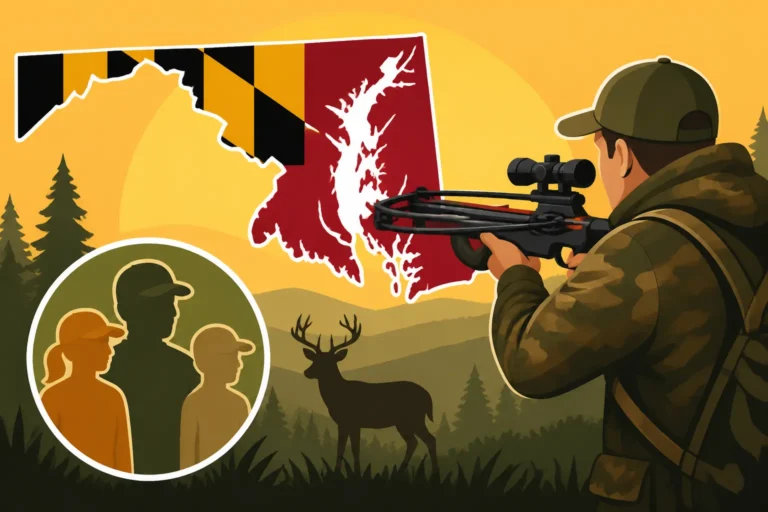
Maryland has adapted its hunting regulations to accommodate a wider range of weapon technologies, including crossbows and airguns for deer hunting. Crossbows are now generally legal during the entire archery season for all hunters, removing previous restrictions that limited them to hunters with certain disabilities or during specific windows. This change has significantly expanded opportunities for individuals who may find traditional compound or recurve bows challenging to operate due to physical limitations, or simply prefer the accuracy and handling of a crossbow.
Airguns, specifically powerful air rifles designed for big game, have also gained legality for deer hunting in Maryland. However, strict caliber requirements apply. To legally harvest deer with an airgun, it must be at least .45 caliber. This ensures sufficient kinetic energy for a humane kill. Like all weapon types, hunters must verify these regulations annually, as they can be subject to review and modification. The inclusion of crossbows and airguns reflects a modern approach to hunting, aiming to make the sport accessible to a broader audience while maintaining ethical and safe hunting practices. Always check the current regulations before heading afield with these specialized weapons.
Planning Your Maryland Deer Season
With so many different seasons and weapon choices, planning your Maryland deer season can feel like a complex puzzle. However, with a strategic approach and the right resources, you can maximize your time in the field and achieve your hunting goals. It's all about understanding the interplay between bag limits, season dates, and available tools.
Balancing Weapon Choices with Bag Limits
Maryland’s deer bag limits are another layer of complexity, often differing between Region A and Region B, and also by weapon type for antlerless deer. For instance, in Region B, hunters typically have a more generous antlerless bag limit, which can be filled across archery, firearms, and muzzleloader seasons. In Region A, antlerless bag limits are usually much more restrictive. Antlered deer limits are generally statewide, often with a bonus antlered deer stamp available for additional opportunities, subject to the three-point rule in Region B.
The key to successful planning is to consider which weapon season aligns best with your personal goals and the available tags. If you're targeting a mature buck, dedicating time during the archery rut or the initial firearms split might be your priority. If population control or venison for the freezer is the main objective, focusing on antlerless opportunities during the longer archery season, the January firearms reopening, or using your muzzleloader can be highly effective. Understanding Maryland's Deer Bag Limits and Antler Rule is essential to avoid overharvesting or missing out on opportunities. Many hunters choose to prioritize their single "any buck" tag (the one that can bypass the three-point rule in Region B) for a specific weapon season they feel offers the best chance at a trophy.
Utilizing Online Resources for Season Planning
In today’s digital age, hunters have a wealth of online resources at their fingertips to help navigate Maryland's deer seasons. The Maryland Department of Natural Resources (DNR) website is the official source for all regulations, season dates, and license information. Regularly checking their "Hunting & Trapping Guide" is paramount, as regulations can occasionally be updated. Beyond the official sources, digital mapping tools have revolutionized how hunters scout and plan. Services like GoHunt provide detailed property boundary maps, public land overlays, and topography, allowing you to identify prime hunting spots, plan access routes, and understand the terrain even before setting foot in the woods.
GoHunt and similar platforms also offer weather forecasts, moon phases, and other data that can influence deer movement, helping you pick the best days to hunt within the legal windows. Many hunters use these tools to scout remotely, especially for public land hunting where physical scouting time might be limited. They can also help you find Finding Maryland Ground Others Walk Past by identifying overlooked corners or hard-to-reach areas. Leveraging these online resources effectively can save you countless hours of guesswork and significantly improve your chances of success by making informed decisions about when and where to hunt during the varied weapon seasons.
The Importance of Post-Harvest Registration
Finally, after a successful hunt, whether with a bow, rifle, or muzzleloader, the process isn't complete until you've legally registered your harvest. Maryland requires all harvested deer to be registered within 24 hours of the kill. This is not just a formality; it's a critical component of the state's wildlife management efforts. The data collected from registration – including the date, county, weapon used, and whether the deer was antlered or antlerless – provides essential information to the Maryland DNR for monitoring deer populations, assessing herd health, and making future management decisions.
Registration can typically be done online through the COMPASS system on the Maryland DNR website, or via a dedicated phone number. You'll receive a confirmation number that serves as proof of registration. Failing to register a deer is a violation of state law and can result in fines or penalties. Therefore, always make sure you know how to Registering a Maryland Deer by Phone or App and complete this final, crucial step to be a responsible and compliant hunter in Maryland.
Maryland Deer Season Dates by Weapon
To help you visualize the intricate schedule, here’s a simplified overview of Maryland’s primary deer season dates by weapon, keeping in mind that exact dates can shift slightly year-to-year and specific details should always be confirmed with the official DNR guide.
| Season Type | Weapon | Region A (Garrett, Allegany) | Region B (All Other Counties) | General Focus |
|---|---|---|---|---|
| Archery | Archery | Sept. 8 – Oct. 25 | Sept. 8 – Oct. 25 | Early season, food sources, warm weather |
| Archery | Oct. 26 – Dec. 1 | Oct. 26 – Dec. 1 | Pre-rut and peak rut, increasing activity | |
| Archery | Dec. 16 – Jan. 4 | Dec. 16 – Jan. 4 | Post-rut, late season, food & cover | |
| Archery | Jan. 6 – Jan. 31 | Jan. 6 – Jan. 31 | Late winter, persistent food, antlerless | |
| Muzzleloader | Muzzleloader | Oct. 17 – Oct. 23 | Oct. 17 – Oct. 23 | Mid-October, pre-rut, traditional hunt |
| Muzzleloader | Dec. 14 – Dec. 28 | Dec. 14 – Dec. 28 | Late season, post-firearms, cold weather | |
| Firearms | Firearms | Nov. 25 – Dec. 9 | Nov. 25 – Dec. 9 | Peak harvest, general gun season |
| Firearms | Jan. 5 – Jan. 6 | Jan. 5 – Jan. 6 | Late season, antlerless focus | |
| Junior Deer | Firearms | Nov. 18 – Nov. 19 | Nov. 18 – Nov. 19 | Youth hunting opportunity, mentor focus |
Please note: These dates are approximate and for illustrative purposes. Always consult the official Maryland Department of Natural Resources (DNR) Hunting & Trapping Guide for the most current and accurate season dates, bag limits, and regulations before hunting.
Disclaimer
Please note: Hunting regulations, season dates, and licensing requirements can change. Always consult the official Maryland Department of Natural Resources (DNR) website or their current Hunting & Trapping Guide for the most up-to-date and accurate information before planning any hunting trip. This guide is for informational purposes only and should not be considered a substitute for official regulations.