Atlantic Population Versus Resident Goose Zones
For many waterfowlers in Maryland, the sheer thought of navigating the various regulations for Canada geese can feel like trying to solve a puzzle in the dark. It’s frustrating when you’re passionate about hunting but constantly worry if you’re in the right zone or if your bag limit is correct. This comprehensive guide will untangle the complexities of Maryland's Atlantic Population (AP) and Resident Canada Goose Zones, helping you understand the rules, identify the birds, and plan your hunts with confidence.
Understanding Maryland's Canada Goose Populations
Maryland is a prime destination for Canada goose hunting, but what many new hunters, and even some seasoned ones, don't realize is that we're dealing with two distinct populations of Canada geese, each with its own management strategy, season dates, and bag limits. This distinction is crucial for legal and successful hunting.
What Defines Each Population
When we talk about Canada geese in Maryland, we're primarily referring to two groups: the migratory Atlantic Population (AP) geese and the non-migratory Resident Population (RP) geese. These populations differ significantly in their breeding grounds, migration patterns, and overall numbers, which directly influences how they are managed by state and federal wildlife agencies. AP geese breed in the Ungava Peninsula of northern Quebec, making a long migratory journey down the Atlantic Flyway to winter in states like Maryland. They are truly wild birds, tough and wary, having made that long flight south. Their population numbers can fluctuate based on breeding success in the far north.
On the other hand, our Resident Population geese are those birds that breed and live year-round within Maryland and neighboring states. They often establish territories around suburban ponds, agricultural fields, and local waterways, rarely undertaking the extensive migrations of their northern cousins. These are the geese you see grazing on golf courses, in local parks, and flying over neighborhoods throughout the year. Their numbers have exploded over the past few decades, presenting both management challenges and increased hunting opportunities.
Historical Context and Management Challenges
The distinction between these two populations became critical in the late 20th century. Historically, all Canada geese were managed under a single framework. However, the Atlantic Population experienced severe declines in the 1980s and early 1990s, leading to strict conservation measures, including significantly reduced bag limits and shortened seasons. Meanwhile, the Resident Population was booming, causing agricultural damage and nuisance issues in many areas. It became clear that a one-size-fits-all approach wasn't working.
To address this, wildlife managers, including those at the Maryland Department of Natural Resources (DNR), worked to create separate management plans. This involved detailed studies of migration patterns, banding efforts, and population surveys to accurately delineate the two groups. The goal was to provide adequate protection for the struggling AP while allowing for increased harvest of the overabundant RP. This dual management strategy has allowed for more flexible hunting seasons that respond to the specific needs of each population, aiming for sustainable harvest and population control where needed, while ensuring conservation of the truly wild, migratory birds.
Diving Deep into the Atlantic Population Goose Zone
Hunting Atlantic Population geese offers a classic waterfowling experience, reminiscent of the traditional gunning clubs of the Chesapeake Bay. These birds are often smarter, wilder, and present a greater challenge, making a successful hunt particularly rewarding.
Geographic Boundaries and Key Areas
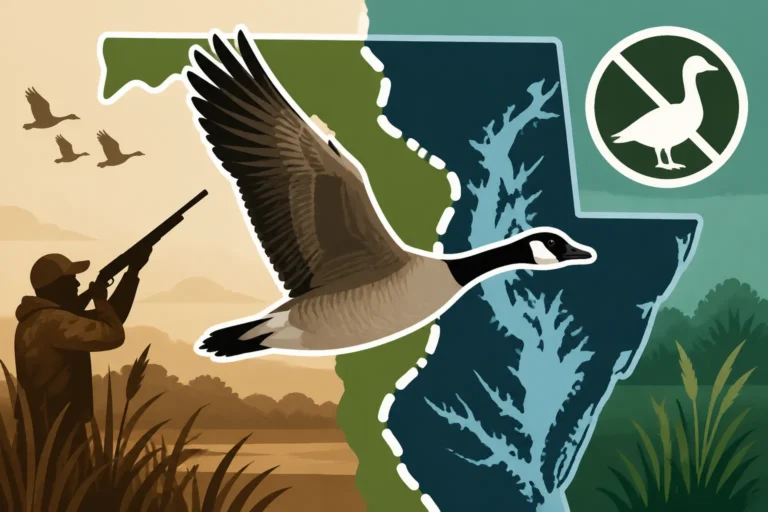
The Atlantic Population (AP) Goose Zone in Maryland covers a specific geographic area, primarily focused on the traditional wintering grounds of these migratory birds. It encompasses the entirety of the Eastern Shore, including prime counties like Kent, Queen Anne's, Talbot, Dorchester, and Somerset. It also includes parts of the Western Shore that are traditionally used by migrating geese. However, the most renowned hunting for AP geese typically takes place on the vast agricultural fields and tidal marshes of the Eastern Shore, especially in counties that border the Chesapeake Bay. This is where you’ll find the historical concentrations of these birds, especially during the colder months when they seek refuge and food.
Understanding these boundaries is paramount for any hunter. You can often consult detailed maps provided by the Maryland DNR, or use mapping applications like GoHunt, which can layer public land boundaries and specific hunting zone designations right onto your satellite imagery. This technology can be a real game-changer when you're scouting new ground or verifying your location before setting up for a hunt. Without this precision, it’s all too easy to inadvertently cross into a different zone, which can lead to legal issues.
Season Dates and Bag Limits
The season dates and bag limits for the Atlantic Population Goose Zone are generally more conservative than those for resident geese. This is a direct reflection of the conservation efforts aimed at rebuilding and maintaining a healthy population of these migratory birds. Typically, the AP season might be shorter, often consisting of a split season with an early portion in November, followed by a longer stretch in December and January. The daily bag limit is also usually lower, often one or two birds per hunter.
For instance, in a typical year, you might see a daily bag limit of one Canada goose during the primary AP season. This contrasts sharply with the often generous limits for resident geese. It's absolutely critical to check the current Maryland Migratory Bird Hunting Guide each year, as these dates and limits can change based on population surveys and federal frameworks. Missing even a small detail can turn a great hunt into a regretful one. This careful management ensures that the pressure on these birds is kept to a sustainable level, protecting their long-term health while still providing hunting opportunities.
Common Hunting Scenarios for AP Geese
Hunting AP geese often involves large decoy spreads in cut grain fields or careful hide placement along tidal marsh edges. These birds are incredibly wary and respond best to meticulous scouting and well-executed setups.
Picture this: it's a frigid December morning on a Queen Anne's County farm. You and your buddies have spent hours placing hundreds of full-body decoys in a cut cornfield, creating a massive, inviting spread. You're tucked away in layout blinds, camouflaged perfectly against the stubble. The wind is biting, but it's perfect for decoying. A small flock of AP geese appears on the horizon, circling high, scrutinizing your setup. Their keen eyesight and wariness demand patience and precise calling. This kind of hunt is what many waterfowlers dream of – the challenge, the waiting, and the satisfaction of fooling these intelligent birds. For more on this, check out our guide on "Layout Hunting Canada Geese on the Upper Shore".
Another common scenario involves hunting tidal marshes in Dorchester County. Here, hunters might use boat blinds or natural vegetation to conceal themselves along gut edges where geese feed. The tides play a crucial role, influencing when and where geese will be accessible. Understanding the subtle shifts in wind and tide, and how they affect goose movement, is key to success in these environments. These birds are true survivors, and harvesting one is a testament to skill and dedication.
Navigating the Resident Population Goose Zone
The Resident Population (RP) Goose Zone offers a different, often more accessible, hunting experience. These birds are abundant and can be found in a wider variety of habitats, making for great opportunities, especially for those new to goose hunting.
Geographic Boundaries and Key Areas
The Resident Population (RP) Goose Zone covers much of the state where migratory AP geese are less prevalent or where resident birds are numerous and cause agricultural or nuisance issues. This generally includes the central and western parts of Maryland, like the Piedmont and Appalachian regions, but also overlaps with areas on the Eastern Shore during specific times. Crucially, the Resident Goose Zone is typically open for an early September season that targets only these local birds before the migratory AP geese arrive in force. This early season is designed to reduce local populations that are often seen as overabundant.
Key areas for resident geese include agricultural fields in Frederick and Carroll counties, along with the suburban landscapes surrounding Baltimore and Washington D.C. where hunting is permitted. These birds are not confined to wilder areas; you'll find them frequenting private farms, industrial parks, and even large residential properties. The boundary for the Resident Goose Zone is generally defined by the Chesapeake Bay and the Susquehanna River on the Eastern Shore, effectively separating it from the primary AP wintering grounds. Again, a good mapping tool like GoHunt can clearly show you where these zones begin and end, ensuring you're always within the correct hunting area.
Season Dates and Bag Limits
The season dates for resident geese are designed to maximize harvest opportunities, particularly during the early "September Canada Goose Season." This season typically runs for about three weeks in September, well before the main migratory season opens, providing an excellent chance to target local birds. During this early period, daily bag limits are often very generous, sometimes as high as 8 or 10 geese per hunter. This high bag limit reflects the management objective of reducing the growing resident population.
Beyond September, the Resident Goose Zone might also have extended seasons or additional hunting days compared to the AP Zone. These liberal seasons are a direct response to the ecological and agricultural impacts of an unchecked resident goose population. Just like with AP geese, always consult the current Maryland Migratory Bird Hunting Guide for the precise dates and limits for the current year. It’s not uncommon for these regulations to shift slightly from year to year, and staying informed is the hunter’s responsibility.
Common Hunting Scenarios for RP Geese
Hunting resident geese can be quite different from hunting their migratory cousins. While they can be wary, they often aren't as pressured or as sensitive to large spreads, especially early in the season.
Imagine an early September morning on a farm in Howard County. The corn has just been cut, and resident geese are hammering the leftover kernels. You don't need hundreds of decoys; a dozen or two motion decoys or even silhouettes can be enough. You might be hunting from a fence line or a small natural blind, rather than a full layout blind. These birds are often less "educated" early in the season, making them a good target for new hunters or those looking for more action. Retrievers, whether your own trusty companion or a friend's, are absolutely invaluable for these hunts, especially when dealing with multiple birds on the ground. You can learn more about how to set up for these birds in "Setting Up on a Maryland Grain Field Edge".
Another common scenario involves jump-shooting or pass-shooting resident geese on local ponds or smaller agricultural fields where they feed. While not always as effective as a well-set decoy spread, it can offer a different kind of challenge and a chance to harvest birds in areas where traditional field hunting might be difficult to arrange. These hunts often require more stealth and understanding of a particular property's geography.
Key Differences and Why They Matter to Hunters
Understanding the fundamental differences between the Atlantic Population and Resident Population goose zones is not just about legal compliance; it’s about maximizing your hunting success and appreciating the unique challenges and rewards each offers.
Comparing Regulations and Boundaries
The most apparent differences lie in the regulatory framework. As discussed, the AP Zone typically has shorter seasons and lower bag limits, designed for conservation. The Resident Zone, conversely, features longer seasons and more generous bag limits, particularly during the early September period, to manage an abundant population. These regulations are not arbitrary; they are the result of extensive biological research and public input, balancing hunting opportunities with species management.
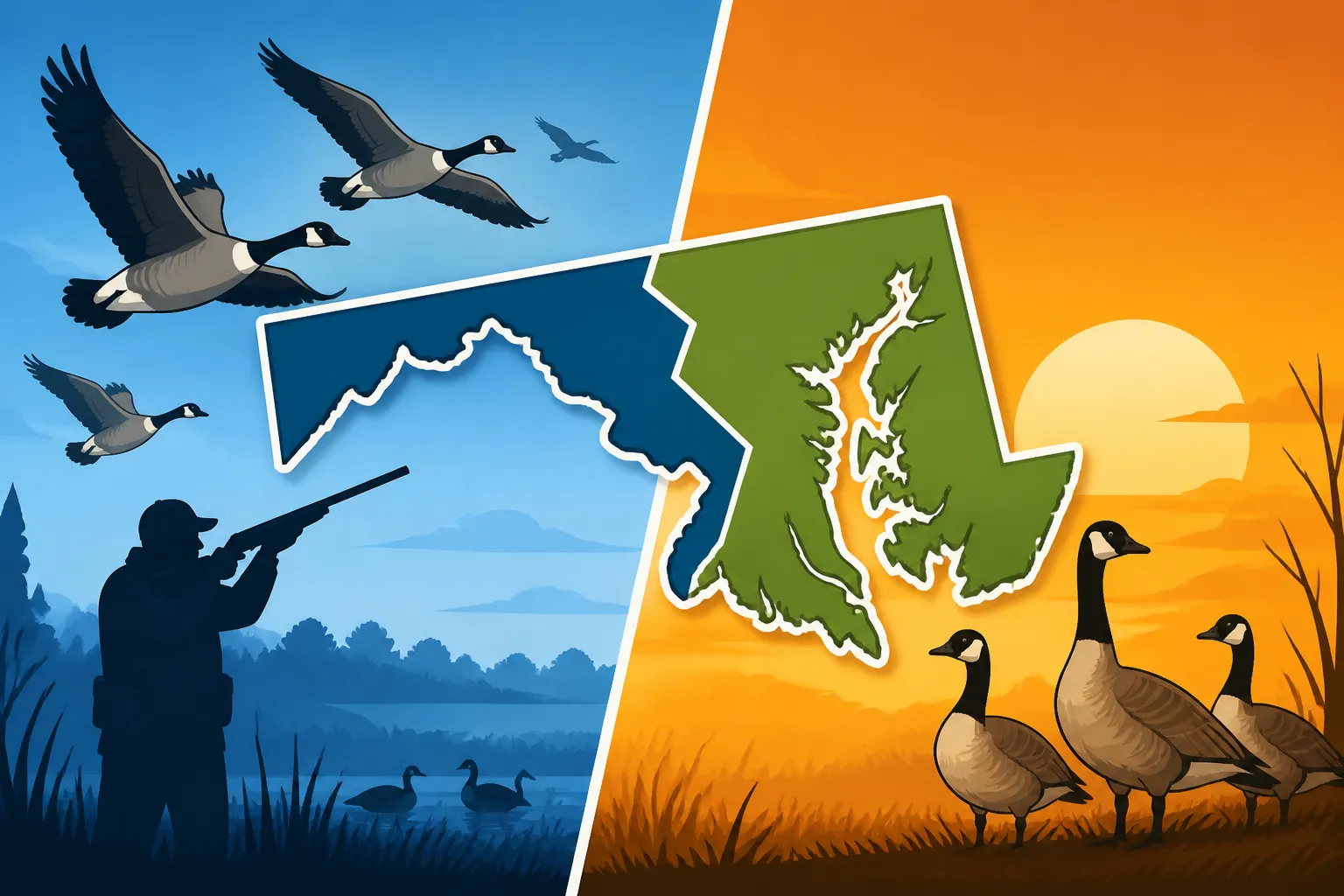
The geographic boundaries are also distinct. While there can be some overlap, especially in transition areas or during certain times of the year, the core areas for AP geese are the Eastern Shore's traditional wintering grounds, while resident geese are found more broadly across the state, including suburban and agricultural areas where AP geese are less common. Being able to quickly identify which zone you're in is crucial. Tools that show "Maryland Waterfowl Zones and Season Dates" are indispensable for planning your trips. A quick check on your phone with a reliable mapping app can prevent a costly mistake.
Here’s a quick overview of the distinctions:
| Feature | Atlantic Population (AP) Goose Zone | Resident Population (RP) Goose Zone |
|---|---|---|
| Primary Goal | Conservation, sustainable harvest of migratory birds | Population control, nuisance reduction |
| Season Dates | Generally shorter, often split, mid-November to January | Longer, includes early September season |
| Daily Bag Limit | More restrictive (e.g., 1-2 birds) | More liberal (e.g., 8-10 birds in early season) |
| Geographic Focus | Eastern Shore, traditional wintering grounds | Statewide, including central, western, and suburban areas |
| Bird Type | Migratory, wilder, more challenging to decoy | Non-migratory, often less wary, more abundant |
Impact on Hunting Strategy
These differences profoundly impact your hunting strategy. When targeting AP geese, you’ll generally need to bring your A-game. They are likely to be heavily pressured, have seen many decoy spreads, and are highly responsive to calling nuances. Large, realistic spreads, impeccable camouflage, and subtle, convincing calling are often required. You might also focus more on scouting specific feeding or roosting patterns, adapting to their migratory movements. Our guide on "Decoying Canada Geese on the Upper Eastern Shore" shares more insight into these advanced tactics.
For resident geese, especially in the early season, you can often be successful with smaller spreads, less elaborate blinds, and more aggressive calling. While they can still be challenging, their localized nature means you can often pattern them more easily. Hunters often capitalize on agricultural cycles, targeting fields recently harvested for corn, soybeans, or wheat. The sheer number of birds can also lead to faster action, making it a fantastic experience for youth hunters or those looking to introduce new people to the sport. Learning to read goose flight lines can be very beneficial, especially during these more active hunts.
Understanding Population Dynamics
Beyond regulations, understanding the population dynamics of each group enriches the hunting experience. The success of the Atlantic Population depends heavily on breeding conditions far to the north, which can be influenced by weather patterns and habitat availability. A poor breeding year means fewer birds migrating south, leading to more restrictive regulations to ensure the population's recovery. These birds are a testament to successful international conservation efforts, and every AP goose harvested represents a link in a much larger ecological chain.
Resident geese, however, have thrived in human-altered landscapes. Their ability to adapt to suburban environments, coupled with a lack of natural predators and abundant food sources (like manicured lawns and agricultural waste), has allowed their numbers to skyrocket. This success, while great for hunting opportunities, also presents challenges for farmers and property owners dealing with droppings, crop damage, and aggressive behavior. Hunting helps manage these populations, playing a vital role in maintaining ecological balance and mitigating human-wildlife conflicts. You can dive deeper into this topic by reading about "Atlantic Population Canada Geese" and "Resident Canada Geese in Maryland".
Practical Tips for Hunting in Both Zones
Successfully hunting Canada geese in Maryland, regardless of the zone, boils down to a few core principles: thorough preparation, understanding bird behavior, and leveraging the tools available to you.
Scouting and Access Strategies
Effective scouting is the bedrock of any successful goose hunt. For AP geese, this means spending time glassing fields in traditional wintering areas, identifying current feeding patterns, and watching flight lines from roosting areas to feeding grounds. These birds are often predictable once they establish a pattern, but they can change locations frequently due to hunting pressure or weather shifts. Getting permission on private land, especially on the Eastern Shore, can be challenging but is often key to consistently finding these birds. "Knocking on Doors in Maryland Farm Country" is a skill worth developing to gain that crucial access.
When targeting resident geese, especially for the early September season, scouting focuses on local agricultural fields, large ponds, and even golf courses or parks where hunting is permitted. These birds often have very localized movements, so watching them for a few days can give you a clear picture of their daily routines. Early morning and late afternoon are prime times to observe their flight patterns to and from feeding and loafing areas. Using mapping apps like GoHunt can help identify potential public hunting grounds or show property lines for seeking permission.
Decoying and Calling Strategies
The type and size of your decoy spread will often depend on which population you're targeting. For wary AP geese, a large spread of realistic, full-body decoys is usually preferred. Numbers give confidence, and motion decoys can add crucial realism. Aggressive calling can sometimes spook pressured birds, so often less is more, with careful clucks and moans to finish birds into the spread. Knowing "When Maryland Goose Guides Book Up Fastest" often coincides with peak migratory periods and the need for these extensive setups.
Resident geese, particularly early in the season, can be less discerning. You might get away with a smaller spread of silhouette or shell decoys. Motion decoys are still highly effective. Calling can be more aggressive with resident birds, using loud greeting calls and multiple clucks to draw their attention. However, as the season progresses and resident birds experience more pressure, they can become just as wary as their migratory counterparts, requiring a shift to more subtle tactics.
Using Technology for Zone Awareness and Planning
In today's hunting world, technology is your friend, especially when navigating complex regulations like goose zones. Mapping applications are invaluable. Services like GoHunt allow you to overlay public and private land boundaries, identify hunting zones, and even mark scouting locations. This ensures you know exactly where you are in relation to the Atlantic Population and Resident Population zones, preventing accidental violations. You can mark specific fields where you've seen geese, record their flight paths, and identify potential blind locations.
Beyond mapping, weather apps are essential for understanding wind direction and speed, which are critical for setting up decoys correctly and anticipating goose flight paths. Tide charts are crucial for marsh hunting, as tides dictate water levels and access to feeding areas. Having all this information at your fingertips, perhaps on a rugged smartphone, helps you make informed decisions in the field, increasing your chances of success and ensuring you hunt legally and ethically.
Future Outlook and Conservation Efforts
The management of Maryland's Canada goose populations is a dynamic process, continuously adapting to ecological changes, population shifts, and evolving scientific understanding.
Conservation Challenges and Successes
The story of the Atlantic Population Canada goose is a conservation success, albeit one that requires ongoing vigilance. Decades ago, overharvest and habitat loss significantly reduced their numbers. Through stringent regulations, habitat restoration efforts in their breeding grounds, and careful monitoring, the population has rebounded to healthier levels, allowing for limited hunting seasons. The challenge remains to balance harvest with maintaining a stable migratory population, especially given environmental changes in their breeding and wintering grounds. Factors like climate change can impact breeding success and migration patterns, adding layers of complexity to their long-term management.
For resident geese, the challenge is almost the opposite: managing overabundance. While robust populations provide ample hunting opportunities, they also create conflicts with human interests, leading to crop damage, aggressive behavior during nesting, and significant fecal contamination in parks and waterways. Hunting is a primary tool for controlling these numbers, but it’s complemented by non-lethal deterrents and habitat modification in nuisance areas. The goal is to maintain a healthy population that provides recreational opportunities without becoming an ecological burden or significant nuisance.
The Role of Hunter Data and Participation
Hunters play an absolutely critical role in the ongoing management and conservation of both goose populations. Every time you register a goose, participate in a harvest survey, or report banded birds, you are contributing valuable data to wildlife managers. This information helps the Maryland DNR and federal agencies assess population health, understand harvest rates, and adjust future regulations. Without accurate hunter data, management decisions would be based on incomplete pictures, potentially jeopardizing either conservation goals or hunting opportunities.
Beyond data, active participation in conservation organizations and advocating for sound wildlife management policies helps ensure that goose hunting remains a sustainable tradition in Maryland. This could involve supporting habitat restoration projects, volunteering for clean-up efforts, or simply educating others about the importance of ethical hunting practices. Your duck and goose stamps directly fund these conservation initiatives, making every purchase a contribution to the future of waterfowl in Maryland. Your engagement helps shape the future for these magnificent birds and the hunting heritage we all cherish.
Disclaimer
Please remember that hunting regulations, season dates, and bag limits can change annually. Always consult the most current Maryland Hunting & Trapping Guide published by the Maryland Department of Natural Resources (DNR) before planning any hunt. This guide is for informational purposes only and should not be considered a substitute for official regulations.