When a Landowner Can Hunt Without a License
It's a common question, and honestly, a point of confusion for many property owners in Maryland: "Do I really need a hunting license to hunt on my own land?" You'd think common sense would prevail, but state hunting regulations are rarely that simple. Navigating the legalities can feel like trying to untangle a ball of fishing line after a big blow, and the last thing anyone wants is to unknowingly break the law while enjoying their own property. This guide is here to help you understand the specific circumstances and requirements under which a Maryland landowner can legally hunt deer, turkeys, and other game on their own property without purchasing a traditional hunting license or certain required stamps.
Understanding the Maryland Landowner Exemption for Hunting
Maryland, like many states, offers specific exemptions for landowners when it comes to hunting licenses. The underlying philosophy is often rooted in property rights, wildlife management, and sometimes, even a bit of agricultural protection. However, these aren't blanket exemptions that let you just walk out your back door and hunt anything, anytime. There are very distinct definitions of who qualifies as a "landowner" and what "their own property" actually means in the eyes of the Maryland Department of Natural Resources (DNR).
Who Qualifies as a Landowner
First things first: you need to actually be a landowner. This might sound obvious, but the legal definition is crucial. Generally, the exemption applies to resident landowners, their spouses, and their children, including stepchildren, who reside on the property. This means if you own a piece of ground, live on it, and want to hunt, you likely qualify. If your son or daughter lives with you, they also qualify for the exemption when hunting on that specific property. However, it typically does not extend to nieces, nephews, cousins, or friends, even if they are visiting. They would still need to possess the appropriate Maryland hunting licenses and stamps.
The land must also be your primary residence or actively farmed. Simply owning a piece of undeveloped land that you visit occasionally might not automatically qualify you without further scrutiny. It's really about the direct connection to the property as a resident or active participant in its management. For instance, if you own a large farm and lease out portions for crops, but still live on the property, you would generally qualify. The intent is to provide an exemption for those who have a direct and vested interest in the land and its wildlife population.
What Land the Exemption Applies To
The exemption is strictly tied to the land you own. You can't use your landowner status to hunt on a neighbor's property, even if they give you permission, without a license. It has to be your property. Maryland law defines "farm" as any tract of land containing 3 or more acres used for the "commercial production of agricultural products." This distinction is important because while anyone can own 3 acres and live on it, the "farm" definition often comes into play for other specific landowner permits, such as those related to deer damage.
For many hunters, especially those with smaller parcels or suburban properties, understanding these boundaries is critical. If your property abuts public land, or even a different private parcel, you need to be acutely aware of where your property lines end. Tools like the GoHunt app or other digital mapping resources can be incredibly helpful for visualizing property boundaries, ensuring you don't inadvertently cross onto land where the exemption doesn't apply, or where you could be trespassing. Always know your boundaries, especially if you're hunting without a license.
Key Conditions for License-Free Hunting on Your Property
While the landowner exemption offers significant convenience, it's not a free pass to ignore all hunting regulations. There are very specific conditions that must be met, and other rules that still absolutely apply, regardless of whether you have a physical license in your wallet. Failing to understand these can lead to fines, confiscation of game, or even loss of hunting privileges.
Game Species Covered by the Exemption
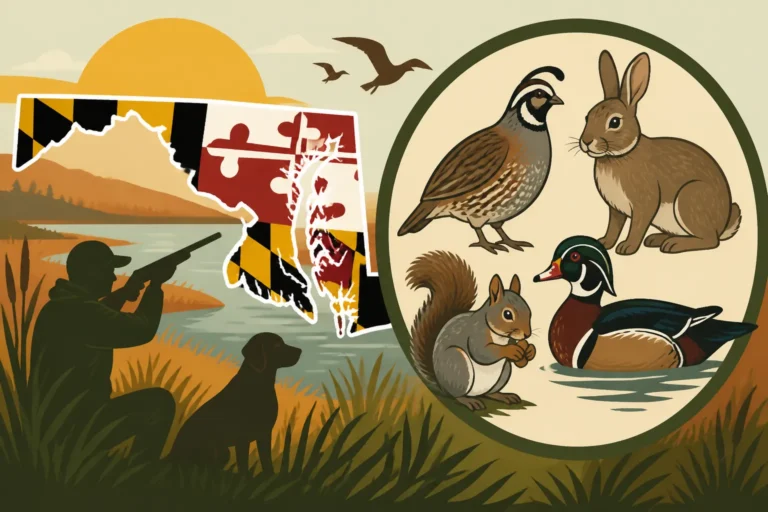
The Maryland landowner exemption primarily applies to resident game species, which includes white-tailed deer, sika deer, wild turkeys, and many small game species like rabbits and squirrels. This means if you're planning to hunt deer or turkey on your own land and meet the other criteria, you likely won't need a base hunting license, a bow stamp, a muzzleloader stamp, or a turkey permit. This can be a considerable saving, especially for a family with multiple hunters.
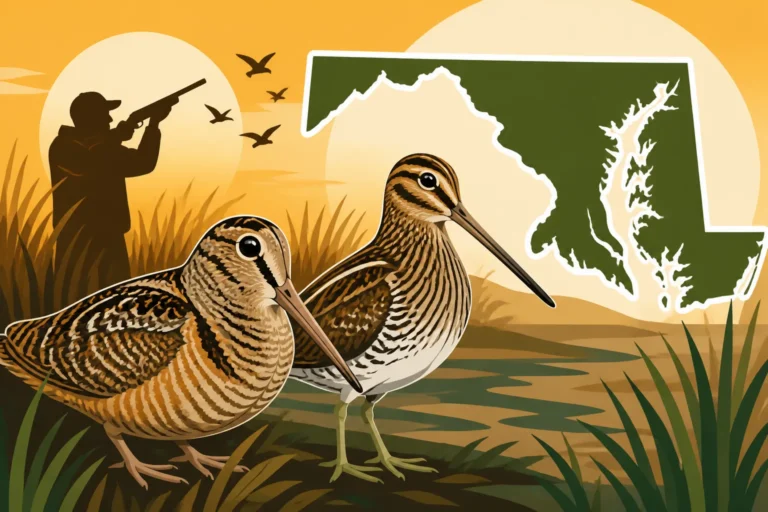
However, it's crucial to understand what's not covered. Migratory game birds, such as ducks, geese, doves, and woodcock, are managed under federal regulations as well as state laws. Therefore, even if you're hunting on your own property, you must still purchase a federal duck stamp, a Maryland migratory game bird stamp, and register with the Harvest Information Program (HIP). These federal and migratory bird regulations supersede the state's landowner exemption. So, if you're hoping to jump-shoot ducks on a beaver pond in your back forty, be sure you have all the necessary migratory bird documentation.
The Minimum Acreage Requirement
A critical detail for the landowner exemption is the acreage of your property. In Maryland, a resident landowner, or their resident children and spouse, may hunt on their own property without a hunting license, archery stamp, muzzleloader stamp, or Furbearer Permit IF the property is 3 acres or more. This 3-acre threshold is a significant point. If you own less than 3 acres, even if it's your primary residence, you would generally still need to purchase a full Maryland hunting license and any relevant stamps to hunt on your property.
This rule is designed to balance property rights with sound wildlife management and public safety. Smaller parcels, especially in more developed areas, might pose different challenges for hunting safely and effectively. It's a key distinction to remember when considering your hunting plans. For instance, if you own a 2-acre wooded lot outside Annapolis, you'd be required to get a license, whereas your friend with 5 acres in Dorchester County would not, assuming all other conditions are met.
Still Needing a Big Game Harvest Record
Even without a physical hunting license, landowners are still subject to the same harvest reporting requirements as licensed hunters. This is absolutely critical for wildlife management. When you harvest a deer or turkey on your property under the landowner exemption, you must still register the animal within 24 hours of harvest. This can be done through the Maryland DNR's COMPASS portal online or by calling the toll-free number. You will be issued a confirmation number, which must remain with the carcass until it is processed.
This registration process helps the DNR track harvest numbers, understand population trends, and make informed decisions about future seasons and bag limits. It also provides a legal record of your harvest, which is important should you ever be questioned by a natural resources police officer. Think of it like this: the state needs to know what's being taken from the herd, regardless of whether a license fee was paid. For more details on this, you can check out information on Registering a Maryland Deer by Phone or App.
Important Nuances and Limitations to Consider
The landowner exemption, while beneficial, comes with several other important stipulations that hunters should be acutely aware of. Ignoring these can put you in just as much hot water as hunting without a license. It's not just about the license itself, but all the other rules that govern safe, ethical, and legal hunting.
Bag Limits and Antler Restrictions Still Apply
A common misconception is that if you're hunting on your own land, you're somehow exempt from bag limits or antler restrictions. This is absolutely not true. Maryland's deer bag limits and antler rules apply equally to landowners and licensed hunters alike. If you're in Region B, for example, and the antlered deer limit is two per season, that's your limit whether you have a license or not. Similarly, if you're in a county subject to Maryland's Three-Point Antler Restriction, you must still abide by that rule unless you're using your "bonus buck" opportunity.
The purpose of these regulations is sound wildlife management, and the health of the deer and turkey populations depends on everyone adhering to them. It would quickly lead to overharvesting and resource depletion if landowners were allowed unlimited take. So, while you might save on the license fee, you still need to know Maryland's Deer Bag Limits and Antler Rule and respect them.
Hunter Education and Safety Requirements
This is a big one: the landowner exemption does not waive the requirement for hunter education. Anyone born on or after July 1, 1972, must successfully complete a Hunter Education course to hunt in Maryland. This applies to landowners just as it does to anyone else. Safety is paramount in hunting, and the hunter education course covers vital topics like firearm safety, ethical hunting practices, wildlife identification, and state hunting laws.
Similarly, all other safety regulations, such as blaze orange requirements, still apply. If you're hunting during a firearms season when blaze orange is required, you must wear it, regardless of your landowner status. This is about preventing accidents and ensuring everyone's safety in the woods. You can find more information on Maryland Hunter Education Requirements and How Much Blaze Orange Maryland Requires. It's your responsibility to know and follow these crucial safety rules.
Legal Weapons and Shooting Hours
Another area where no exemption exists is legal weapons and shooting hours. You must still adhere to the specific legal weapons by county and season. For example, if your county restricts rifle use for deer hunting, you cannot use a rifle on your own property even if you're exempt from a license. Similarly, hunting outside of legal shooting hours (typically ½ hour before sunrise to ½ hour after sunset) is prohibited for everyone, including landowners.
It's critical to understand the specific regulations for Maryland's Legal Weapons by County where your property is located. Some counties are "shotgun-only" or have "straight-wall cartridge" restrictions, while others allow more varied weapon types. These rules are in place for public safety, especially in more densely populated areas, and they apply universally.
Allowing Others to Hunt on Your Property
As a landowner, you have the ability to grant permission for others to hunt on your property. This is a common practice, especially for deer management or simply sharing the outdoor experience with friends and family who don't qualify for the resident landowner exemption.
Written Permission for Guests and Non-Resident Family
While your resident spouse and children may hunt under your exemption, anyone else hunting on your property needs permission. It's always best practice, and often legally required, to provide written permission for anyone hunting on private land. This helps prevent misunderstandings, clarifies boundaries, and protects you as the landowner. A simple signed note indicating the hunter's name, the dates they are permitted to hunt, and a description of your property is usually sufficient. This is also covered under Maryland Trespass and Permission Law.
This also applies to non-resident family members or friends. Even if your brother visits from Pennsylvania, he cannot hunt on your Maryland land without a license, even with your permission. He would need to purchase a non-resident hunting license and any necessary stamps. This distinction is vital for avoiding legal issues for both you and your guests.
Deer Management Permits and Landowner Cooperator Permits
If your property is experiencing significant deer damage to crops or landscaping, or if you simply want to manage the deer population more aggressively, Maryland offers specific permits beyond the standard hunting seasons. These are often called Deer Management Permits (DMP) or Landowner Cooperator Permits. These permits allow you to harvest antlerless deer outside of regular hunting seasons or exceed typical bag limits, often with specific conditions on weapon types or times of year.
These permits are typically obtained through the Maryland DNR and are designed to help landowners mitigate agricultural damage or manage deer populations in areas where traditional hunting methods might be insufficient. It's a practical way for the state to partner with landowners for effective wildlife control. For more information, you might explore options like Maryland Deer Management Permits for Farm Damage. This allows you to address specific issues while still operating within a regulated framework.
The Role of Technology in Private Land Management
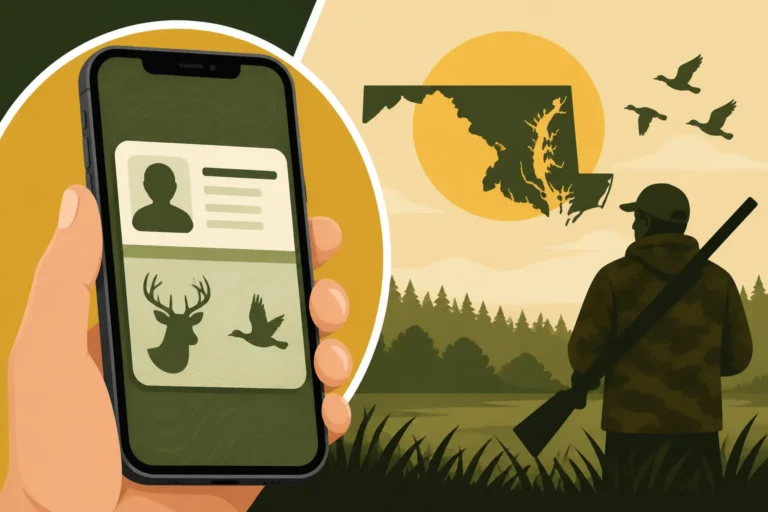
Modern technology, like the GoHunt app, has become indispensable for landowners managing hunting on their property. These apps allow you to accurately map your property boundaries, mark stand locations, track deer movement, and even monitor game camera photos, all within a spatial context. For landowners, understanding the lay of your land, knowing where deer naturally funnel, and identifying key food sources or bedding areas can drastically improve hunting success and overall wildlife management.
You can use these tools to identify prime locations for Planting a Fall Food Plot on Maryland Ground or scouting out areas for new stand placements. Sharing these digital maps with permitted hunters ensures everyone knows the exact boundaries and rules of engagement. This level of detail helps maintain safe hunting practices and prevents unintentional trespass or conflicts, making the landowner's role much easier and more effective.
Summary of Landowner Exemption Details
To make things a bit clearer, here's a quick rundown of the key points for Maryland landowners hunting on their own property:
| Condition / Requirement | Applies to Landowner? | Notes |
|---|---|---|
| Resident Landowner | Yes | Must be a resident of Maryland. |
| Resident Spouse/Children | Yes | Must reside on the property. |
| Minimum Property Size | Yes | Property must be 3 acres or more. |
| Hunting License Exemption | Yes | No base license needed for resident game. |
| Archery/Muzzleloader Stamp Exemption | Yes | No specific stamp needed for resident game. |
| Turkey Permit Exemption | Yes | No specific permit needed for turkey. |
| Migratory Bird Stamps | No | Federal Duck Stamp, MD Migratory Bird Stamp, HIP registration REQUIRED for migratory birds. |
| Deer/Turkey Bag Limits | No | All state bag limits and antler restrictions STILL APPLY. |
| Hunter Education | No | Hunter Ed REQUIRED for those born on or after July 1, 1972. |
| Blaze Orange Requirements | No | All safety gear requirements STILL APPLY. |
| Legal Shooting Hours | No | Must hunt within legal ½ hour before sunrise to ½ hour after sunset window. |
| Legal Weapons by County | No | Must use legal weapons designated for the county and season. |
| Harvest Registration | No | All harvested deer/turkeys MUST be registered within 24 hours. |
| Written Permission for Guests | No | Non-exempt hunters MUST have written permission and their own licenses/stamps. |
This table provides a snapshot, but always refer to the most current Maryland DNR regulations for the definitive rules. Wildlife laws can change, and it's your responsibility to stay informed. Many landowners find great value in using mapping tools like GoHunt to keep track of their property details and ensure compliance.
Disclaimer
The information provided in this guide is for informational purposes only and is not intended as legal advice. Hunting regulations in Maryland can be complex and are subject to change. Always consult the most current Maryland Department of Natural Resources (DNR) hunting guide and local ordinances to ensure full compliance with all applicable laws and regulations before hunting.