Maryland Coyote Hunting Rules
Figuring out the ins and outs of Maryland's hunting regulations can often feel like deciphering an ancient scroll, especially when it comes to species like coyotes that don't always fit neatly into traditional game categories. Many hunters get frustrated trying to pin down exactly what's allowed, what license they need, and when and where they can even pursue these cunning predators. This comprehensive guide is here to cut through the confusion, providing a detailed breakdown of all the current Maryland coyote hunting rules so you can hit the woods with confidence.
Understanding Maryland's Coyote Classification and General Rules
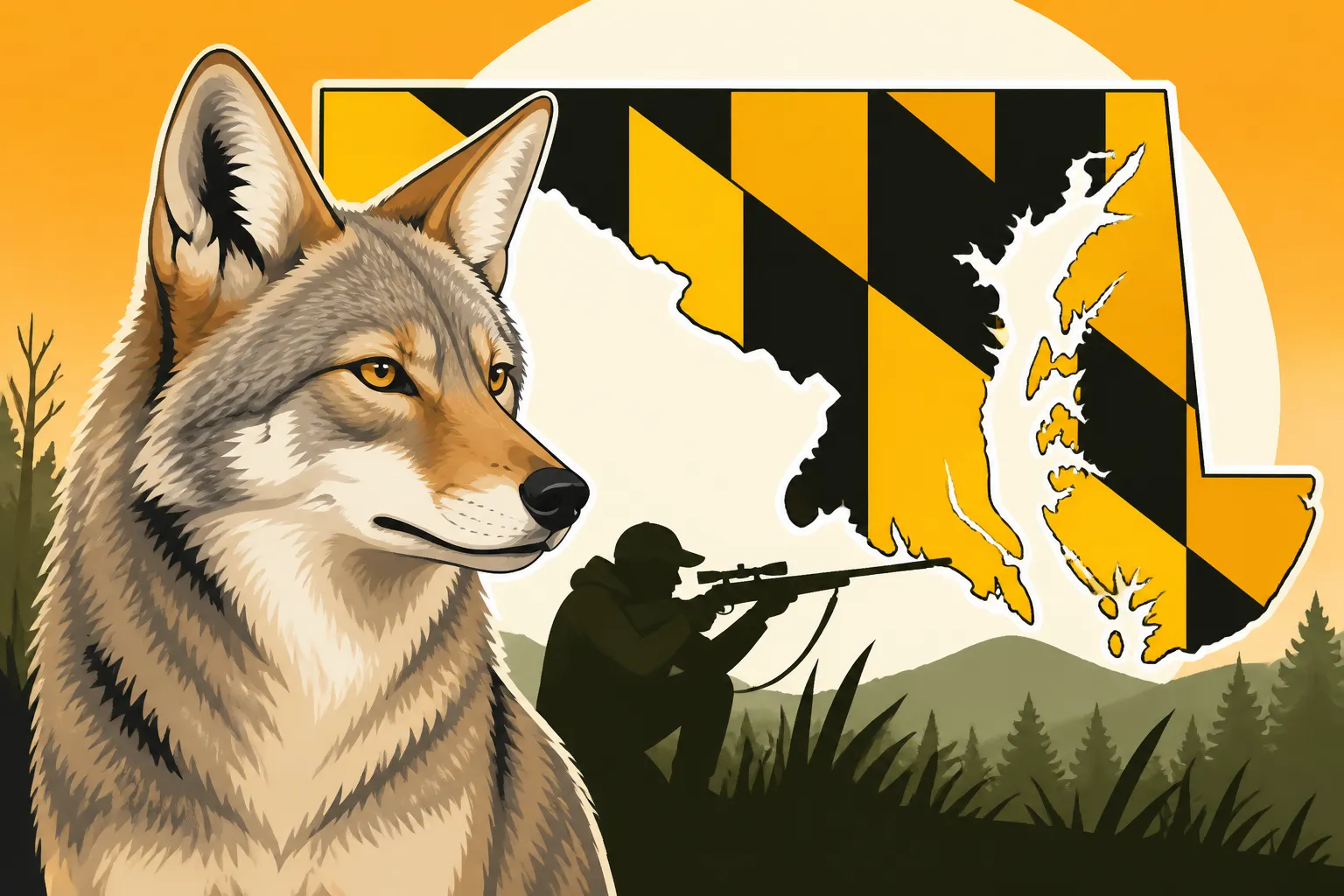
Coyotes in Maryland are a relatively newer addition to the state's wildlife landscape, having naturally expanded their range into the Free State over the past few decades. This expansion has led to their classification as an "unprotected furbearer," which carries significant implications for hunters compared to deer or turkeys. It essentially means they can be pursued with far fewer restrictions, but there are still crucial rules to understand.
Coyotes as Unprotected Furbearers
When Maryland wildlife authorities classify a species as an "unprotected furbearer," it's not a slight, but rather a regulatory designation that simplifies hunting parameters significantly. For species like deer or turkey, you have specific, often narrow, seasons, bag limits, and sometimes even weapon restrictions that vary by region. With coyotes, the "unprotected" status means there's generally no closed season, no daily or annual bag limit, and often fewer restrictions on hunting hours or methods. This approach acknowledges their widespread presence and their classification as a species that can impact traditional game populations or livestock.
The "furbearer" part of the designation simply places them in a category with other animals traditionally hunted or trapped for their fur, such as foxes, raccoons, or muskrats. However, unlike other furbearers which often have very specific open seasons, coyotes are largely fair game year-round. This flexibility is a huge draw for hunters looking for opportunities outside of the tightly regulated big game seasons, offering a chance to extend their time in the field, learn new tactics, and contribute to wildlife management by helping to manage coyote populations. It's a key distinction that empowers hunters with more freedom, but still within the overarching framework of safe and ethical hunting practices.
Statewide Hunting Seasons and Hours
One of the most appealing aspects of Coyote Calling in Maryland Farm Country is the extended opportunity it provides, thanks to their "unprotected" status. Generally, coyotes can be hunted year-round in Maryland, which is a major departure from the highly structured seasons for deer, turkey, or waterfowl. This continuous season offers incredible flexibility, allowing hunters to target coyotes during mild summer evenings, crisp fall mornings, or even the depths of winter. There's no need to meticulously check specific opening and closing dates for coyotes as you would for other game species, although it's always wise to double-check the latest Maryland DNR regulations each year for any potential changes.
Regarding hunting hours, Maryland generally follows the standard legal hunting hours of one-half hour before sunrise to one-half hour after sunset for most game species. However, for coyotes, there are specific allowances for night hunting, which opens up a whole new realm of tactical opportunities. While you'll still need to be mindful of county-specific ordinances, many areas permit night hunting for coyotes. This often includes the use of artificial lights, and even thermal or night vision devices, which can be incredibly effective given coyotes' nocturnal nature. It’s important to note that when hunting during regular daylight hours, you’re still subject to the general Maryland Shooting Hours and Legal Light regulations, but the allowances for night hunting make coyotes a unique pursuit for Maryland hunters.
Legal Hunting Methods and Weapons
When it comes to legal methods and weapons for hunting coyotes in Maryland, you'll find a wide array of options, making it accessible to hunters with different preferences and equipment. Unlike some game species with very strict weapon requirements, coyotes can be taken with archery equipment, firearms, and even some airguns, provided they meet specific caliber requirements. For archers, compound bows, recurves, longbows, and crossbows are all generally legal for coyote hunting. This means if you're already set up for deer archery season, you can easily transition to coyote hunting.
For those who prefer firearms, the options are even more extensive. Centerfire rifles, rimfire rifles, and shotguns are all permitted. When considering centerfire rifles, common calibers like .223 Remington, .243 Winchester, and .30-06 Springfield are popular choices, offering accuracy and knockdown power. However, always be mindful of local ordinances, especially in more populated areas or certain public lands where rifle use might be restricted. Shotguns loaded with buckshot or heavier predator loads are also highly effective, particularly in denser cover or at closer ranges. For a detailed overview of what's allowed in different parts of the state, it's worth reviewing the Maryland's Legal Weapons by County guidelines. Additionally, airguns meeting certain minimum velocity and energy requirements are also legal for coyotes, offering another quiet option for close-range work, especially for hunters looking for minimal disturbance. The key is to select a weapon and ammunition combination that ensures a quick, humane harvest while adhering to all local and state laws.
Specific Regulations for Coyote Hunting in Maryland
Navigating the specifics of coyote hunting regulations can be the trickiest part, especially when dealing with licensing, land access, and advanced hunting techniques like calling or night vision. While coyotes are broadly classified as unprotected, there are still layers of rules that ensure safe, ethical, and responsible hunting. It’s about being informed and prepared, whether you’re hunting on your back forty or exploring a new public land area.
Licensing Requirements
Before you even think about stepping into the field for a coyote hunt, getting your licensing in order is paramount. Even though coyotes are "unprotected," you are still required to possess a valid Maryland hunting license. This isn't just a suggestion; it's a legal necessity that ensures you're a recognized hunter in the state. For Maryland residents, the process is straightforward: you'll need a Resident Hunting License, which grants you the general privilege to hunt most legal game species, including coyotes. If you're wondering about the financial commitment, you can find a breakdown of the Maryland Resident Hunting License Cost on the DNR website. Non-residents also need to purchase an appropriate non-resident hunting license.
Beyond the basic hunting license, the good news is that typically, no additional stamps or permits specifically for coyotes are required. You won't need a "coyote stamp" like you might for a migratory bird stamp or a deer archery stamp. This simplifies the process considerably. However, if you plan to use certain equipment, such as a crossbow during portions of the archery deer season (which you might do if you're pursuing coyotes concurrently), ensure you meet any general equipment endorsements. The easiest way to purchase your license and confirm any requirements is through the Maryland Department of Natural Resources (DNR) COMPASS online portal, which is a convenient one-stop shop for all your licensing needs.
Landowner and Public Land Considerations
Where you choose to hunt coyotes is just as important as how you hunt them, and the rules differ significantly between private and public lands in Maryland. If you're fortunate enough to hunt on private land, securing explicit permission from the landowner is absolutely non-negotiable. Even if the land isn't posted, hunting without permission is trespassing, which carries serious penalties. A simple conversation and a handshake often suffice, but for your own protection and the landowner's peace of mind, it’s always a good idea to get written permission, especially if you plan multiple hunts or want to bring guests. Some landowners might even welcome coyote hunters to help manage populations that impact livestock or deer. When getting permission, discuss details like access routes, where to park, and any specific areas to avoid.
For those without private land access, Maryland offers numerous public hunting opportunities, including Wildlife Management Areas (WMAs) and State Forests. However, public land comes with its own set of rules. While many WMAs are open to coyote hunting, some may require a Public Land Permit or specific check-in procedures, especially during peak seasons for other game. It's crucial to check the specific regulations for each WMA or State Forest you intend to hunt. Resources like the Maryland Public Land Hunting Permits section on the DNR site or services like GoHunt, which often integrate public and private land boundaries, can be invaluable for scouting and understanding specific access points and restrictions. Be aware that hunting pressure can be higher on public land, and regulations may dictate setback distances from roads, trails, or residential areas. Always be courteous to other land users, as public lands are multi-use areas.
Calling and Baiting Regulations
Coyote hunting often involves a variety of techniques to draw these elusive canines into range, with calling being one of the most popular and effective. In Maryland, both mouth calls and electronic calls are generally legal for coyote hunting. Electronic calls, which can mimic a wide range of prey animals (like rabbits in distress) or even other coyotes, are incredibly effective tools. Many hunters attest to the effectiveness of these devices in bringing a curious or hungry coyote within shooting distance. Whether you're trying Coyote Calling Maryland Farm Fields at First Light or deeper timber, the flexibility to use a variety of sounds greatly enhances your chances. There aren't specific restrictions on the types of sounds you can use, so feel free to experiment with different calls and sequences to see what works best in your area.
Baiting, on the other hand, is a more nuanced topic with clearer regulations. While baiting for deer is often restricted or prohibited in Maryland, using bait for coyotes is generally permissible. This can include anything from leftover gut piles from a harvested deer to commercially available attractants. In fact, many successful coyote hunters utilize bait, sometimes even using a deer carcass as a stationary attractant. If you're considering Calling Coyotes Over a Maryland Deer Carcass, ensure you place it in an area that is legal to bait and where you have permission to hunt. It's important to remember that while baiting for coyotes is allowed, you must still adhere to all other hunting regulations, including setback distances from dwellings and roads. Always double-check county-specific rules, as local ordinances can sometimes impose additional restrictions that supersede state-wide general rules, especially concerning the placement of bait near residences or public access points.
Night Hunting and Thermal/Night Vision Rules
Night hunting for coyotes is a thrilling and often highly effective method, capitalizing on their naturally nocturnal behavior. Maryland does permit night hunting for coyotes in many areas, but it's vital to understand the specifics to stay within legal bounds. The use of artificial lights, such as spotlights or headlamps, is generally allowed when actively hunting coyotes at night. These lights can be used to scan for eyeshine or to illuminate a coyote once it's spotted, though you should always be cautious about shining lights onto private property where you don't have permission. This capability dramatically increases opportunities, especially in open country or agricultural fields where coyotes are more visible under artificial light.
Perhaps even more of a game-changer is the legality of advanced optics like thermal and night vision devices for coyote hunting. These technologies allow hunters to detect and identify coyotes in complete darkness, giving them a significant advantage. This can be particularly useful in areas with dense cover where traditional lighting might be less effective. However, the use of these devices must still comply with all other hunting regulations, including safety zones and local ordinances. While thermal and night vision are powerful tools, hunters must exercise extreme caution to ensure positive target identification and safe shot placement in low light conditions. As always, consult the Maryland DNR regulations or county-specific laws before heading out, as rules for night hunting and advanced optics can sometimes vary by jurisdiction or land type, especially in more densely populated areas.
Ethical Considerations and Best Practices for Coyote Hunters
Hunting coyotes, like any other pursuit, carries with it a responsibility to act ethically, both for the welfare of the animals and for the public perception of hunting. Beyond just following the law, thinking about how you approach your hunt, manage your take, and understand the role coyotes play in the ecosystem can elevate your experience and ensure you're a responsible conservationist.
Minimizing Conflicts and Maximizing Success
Being a responsible coyote hunter means more than just having the right gear; it means actively working to minimize conflicts and maximize the effectiveness of your efforts. When you're out there, remember that you're representing all hunters. One crucial aspect is understanding where Maryland's Coyote Population Grew the most and how to approach those areas respectfully. If you're hunting near residential areas or farms, being discreet and respectful of noise, vehicle access, and potential disturbances is key. Many farmers welcome coyote hunters who can help mitigate predation on livestock, but communication is essential to avoid misunderstandings.
To truly maximize your success, it's not just about shooting every coyote you see; it's about smart, strategic hunting. Learning about coyote behavior, their travel patterns, and their responses to various calls will make you a far more effective hunter. Take the time to scout new areas, perhaps using a tool like GoHunt to analyze terrain and potential travel corridors. Pay attention to wind direction, cover, and how to set up your ambush points to remain concealed. For instance, if you're hunting in farm country, understanding how coyotes use hedgerows and field edges can be incredibly beneficial. By focusing on ethical practices and continuous learning, you not only improve your chances of success but also contribute positively to wildlife management and the image of hunting.
Dispatching and Carcass Management
Ethical dispatching and proper carcass management are critical components of responsible coyote hunting. Your primary goal should always be a swift, humane kill. This means using appropriate calibers or archery equipment, ensuring your shots are well-placed, and only taking shots you are confident will be lethal. Poorly placed shots can lead to wounded animals and extended suffering, which is antithetical to ethical hunting principles. After a shot, always wait a reasonable amount of time before tracking, giving the animal time to expire, and then follow up diligently to recover it. This might mean blood trailing through challenging terrain, but it’s an absolute must.
Once a coyote is harvested, proper carcass management comes into play. If you plan to keep the fur, skinning and preparing the pelt quickly is important, especially in warmer weather, to preserve its quality. If you don't intend to keep the fur, you still have a responsibility to dispose of the carcass respectfully and hygienically. This typically means burying it deeply enough to deter scavengers or taking it to an approved disposal facility. Never leave carcasses exposed in public view, particularly near trails, roads, or residential areas. This can cause public alarm, attract unwanted scavengers, and create a negative perception of hunting. Proper disposal demonstrates respect for the animal and the environment, and helps maintain a positive image for all hunters.
Understanding Coyote Ecology and Management
Stepping into the world of coyote hunting in Maryland means recognizing their ecological role and how their management fits into broader conservation efforts. These adaptable canids are opportunistic predators, meaning they'll eat just about anything available, from small rodents and rabbits to deer fawns and even some domestic animals. Their presence in Maryland is a relatively recent phenomenon, as they expanded their range eastward, filling a niche once occupied by wolves and red foxes. Understanding their diet and behavior helps you grasp why managing their populations can be important for landowners and game managers.
The "unprotected furbearer" status often reflects a management strategy aimed at controlling populations where they might negatively impact other wildlife, such as turkey poults or deer fawns, or cause issues for livestock producers. This isn't about eradication, but rather about balancing ecosystems and mitigating conflicts. When you participate in coyote hunting, you're contributing to this management effort. Utilizing the comprehensive information available through sources like the Maryland DNR website, or even detailed mapping and scouting tools, such as those offered by GoHunt, can deepen your understanding of the local ecosystem. By learning about Maryland's Furbearers and Where They Live, you become a more informed hunter and a more effective steward of the land, understanding that your hunting activities are part of a larger ecological picture.
| Aspect | Rule/Guideline | Notes |
|---|---|---|
| Classification | Unprotected Furbearer | No closed season, no bag limit. |
| Season Dates | Year-round | Always verify with current Maryland DNR regulations for any changes. |
| Hunting Hours | One-half hour before sunrise to one-half hour after sunset (daylight hunting). Night hunting permitted with artificial lights, thermal, and night vision devices. | Check county-specific ordinances for potential variations, especially regarding night hunting or specific equipment use. |
| Licensing | Valid Maryland Hunting License required. | No additional coyote-specific stamps or permits needed. |
| Legal Weapons | Archery: Compound bows, recurves, longbows, crossbows. Firearms: Centerfire rifles, rimfire rifles, shotguns (with appropriate loads like buckshot or predator loads). Airguns: Must meet minimum velocity/energy requirements (check DNR for specifics). |
Always confirm Maryland's Legal Weapons by County as rifle use can be restricted in certain areas or on specific public lands. |
| Baiting | Generally Permitted | While allowed, ensure bait placement is ethical and respects property boundaries and public view. |
| Calling | Both mouth calls and electronic calls are legal. | No restrictions on types of sounds (e.g., distress calls, howls). Great for Coyote Calling in Maryland Farm Country. |
| Private Land | Written landowner permission strongly recommended. | Respect all landowner wishes regarding access, parking, and specific hunting areas. |
| Public Land | Check specific WMA/State Forest regulations; some may require special permits or check-in. Adhere to all public land rules regarding setbacks and multi-use areas. | Tools like GoHunt can help identify public land boundaries and specific regulations. Be mindful of Hunting Pressure on Maryland Public Land. |
| Carcass Disposal | Ethical and respectful disposal required. If not keeping fur, bury deeply or take to approved facility. | Never leave carcasses exposed in public view. |
Disclaimer
Please be aware that hunting regulations, seasons, and licensing requirements can change. While every effort has been made to provide accurate and up-to-date information, it is the hunter's responsibility to consult the most current Maryland Department of Natural Resources (DNR) official regulations before engaging in any hunting activities. This guide is for informational purposes only and should not be considered a substitute for official legal advice or the current year's Maryland Guide to Hunting & Trapping.