When Maryland Gobblers Start Strutting
For many Maryland turkey hunters, there's nothing quite like the sight and sound of a gobbler in full strut, drumming and spitting, a magnificent display of nature's springtime theater. But if you've spent frustrating hours in a blind, wondering why the woods are silent when they "should" be active, you know that understanding when these big birds decide to put on their show is crucial. This guide will help you decipher the nuanced timeline and environmental cues that influence when Maryland gobblers start strutting, helping you adjust your strategies for more success in the spring woods.
Understanding the Spring Arousal: Why Gobblers Strut
The springtime woods of Maryland truly come alive when the gobblers begin their annual display. It's more than just a pretty picture; the strut is a complex, instinctual behavior driven by biological imperatives and social dynamics. If you want to connect with these birds, you need to appreciate what’s really going on inside their feathered brains.
The Hormonal Shift and Longer Days
Like so many creatures, wild turkeys respond to the changing seasons with powerful hormonal shifts. As the days grow longer in late winter and early spring, the increasing daylight hours trigger a cascade of physiological changes in gobblers. Their testosterone levels surge, putting them in a breeding mindset. This isn't just a switch flipping overnight; it's a gradual awakening that begins long before you ever set foot in the woods with your shotgun or bow.
This internal clock, synced with the sun, dictates their drive to reproduce. Think about it: a gobbler's entire existence in spring revolves around attracting hens and passing on his genes. The strut is his primary tool for achieving this, a visual and auditory declaration of his presence and virility. Understanding this fundamental biological drive helps you anticipate their behavior, knowing that as daylight stretches, their desire to strut will intensify. It's all about natural rhythm and the ancient call to procreate.
Displaying Dominance and Attracting Hens
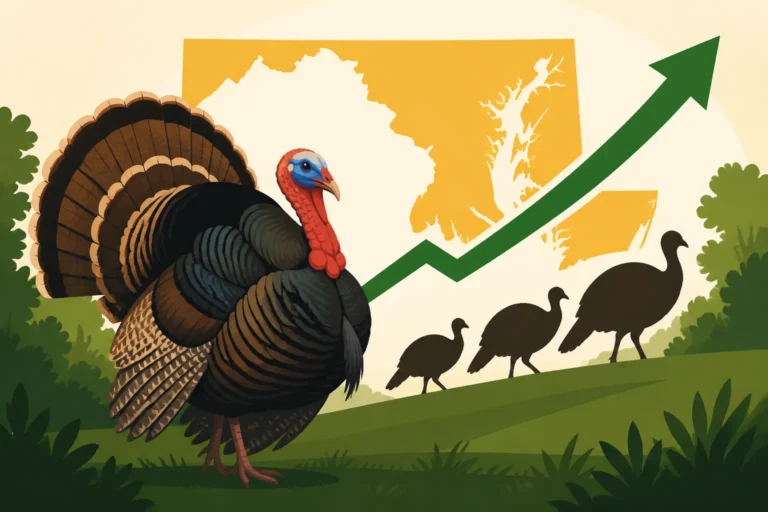
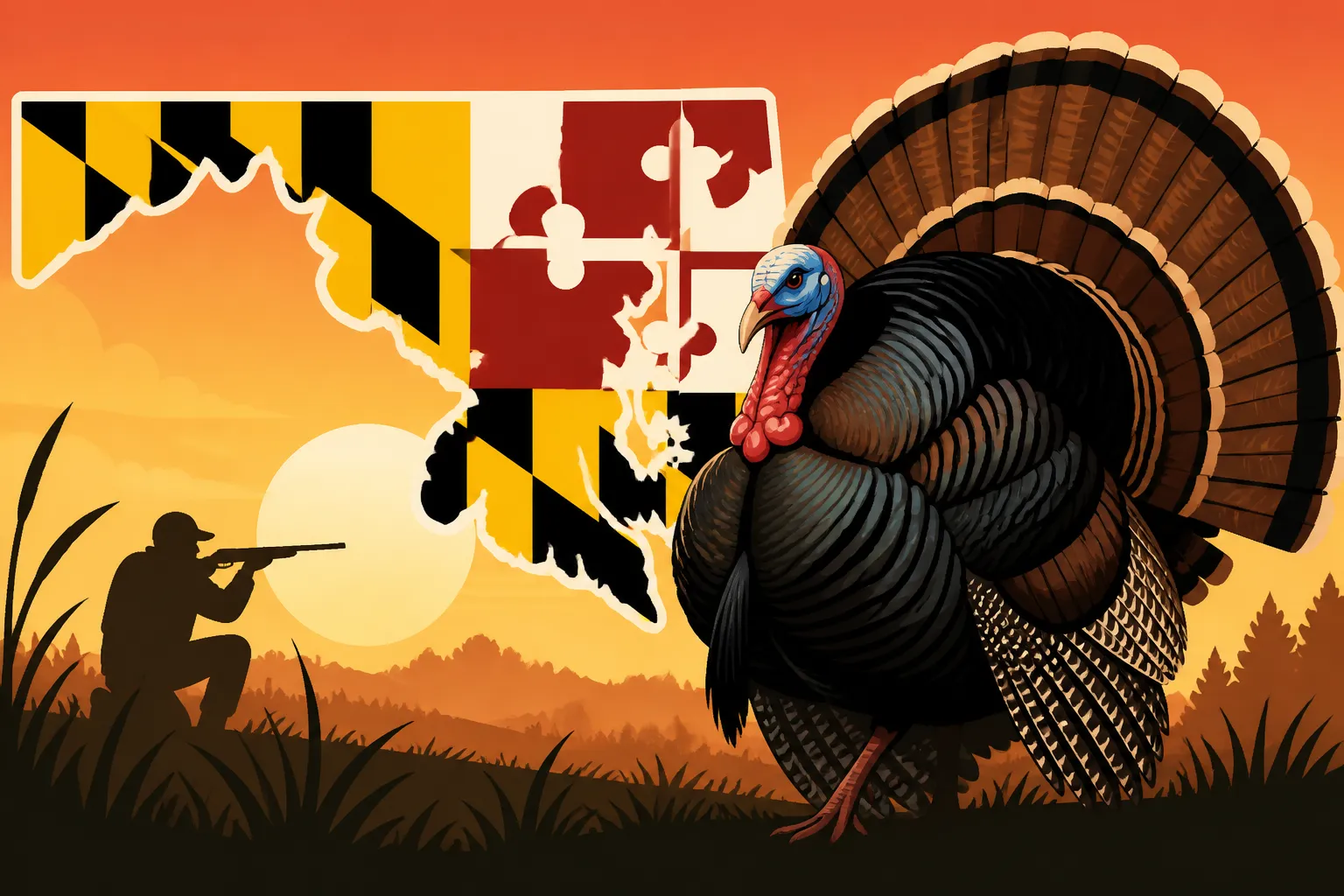
Beyond the internal hormonal cues, the strut is also a grand, in-your-face advertisement. When a gobbler fans out his tail, drops his wings, puffs up his feathers, and drags them along the ground, he's broadcasting his health, strength, and dominance to any hen or rival gobbler within sight. He's literally saying, "Look at me! I'm the biggest, baddest, most eligible bachelor in this woodlot."
Hens are naturally drawn to this visual spectacle. A vibrant, healthy strut is a clear signal of good genes, something a hen is hardwired to seek for her offspring. But it's not just about the ladies. Other gobblers also pick up on this display. A dominant gobbler's strut can intimidate younger or less confident birds, signaling who's boss and establishing pecking order without a physical fight. This social dynamic creates intense competition and can often lead to multiple birds strutting in proximity, each trying to outdo the other for the attention of the local hens.
The Timeline of Strut: When to Expect Peak Action
Pinpointing the exact moment when Maryland gobblers start strutting can feel like trying to catch smoke, but there's a general progression you can count on. It's rarely an "on or off" switch, but rather a season-long performance with different acts. Patience and observation are your best allies here.
Early Spring Warm-Ups: Pre-Strut and Initial Flirtations
As February gives way to March in Maryland, you'll start to see the first hints of spring turkey activity. While the full, aggressive strut might still be a bit off, gobblers are definitely getting antsy. You might hear some tentative gobbling from the roost, and on warmer days, see birds "half-strutting" or casually fanning their tails as they feed in fields. This pre-strut phase is when their hormones are really beginning to ramp up. They're feeling out the territory, re-establishing their presence, and testing the waters with the local hens.
During this time, hens are often still flocked up and might not be entirely receptive, but the gobblers are persistent. These early observations can be incredibly valuable for scouting. You might notice where birds are roosting consistently or which fields they prefer for feeding. Using tools like GoHunt, you can mark these locations on aerial photos, building a mental map of their early spring hangouts. It's a time of anticipation, of short gobbling bursts and quick fanned displays, a preview of the main event to come. You might hear more sporadic gobbling, but it's not yet the consistent, all-day calling that defines the peak.
The Full Monty: Peak Strut and Breeding Phases
The peak strutting action in Maryland typically aligns with the breeding phase, which often kicks into high gear around late March and throughout April, leading into the opening of Spring Turkey Hunting in Maryland. This is when the hens become most receptive to breeding, and the gobblers are absolutely at their most ardent. You'll hear consistent gobbling from the roost, birds hitting the ground and immediately breaking into full strut, often in fields or open woodlots. The woods will feel alive with their drumming and spitting, a sound that sends shivers down any turkey hunter's spine.
During this peak, gobblers are less concerned with feeding and more focused on finding and tending hens. If you can locate a gobbler with a harem of hens, you're witnessing the full splendor of the strut. This is often the time when call-ins can be most effective, as gobblers are highly responsive and eager to investigate any perceived rival or potential mate. However, it can also be frustrating if the gobbler is "henned up," meaning he's already with a group of real hens and doesn't feel the need to come to your calls. Knowing Maryland Spring Turkey Season Dates helps you target this prime window effectively.
Late Season Lulls and Resurgences
Just when you think you've got them figured out, Maryland gobblers throw a curveball. As May progresses, and particularly after the initial breeding flush, you might notice a lull in the intense strutting and gobbling. This often happens when most of the hens have been bred and are now sitting on nests. The gobblers, no longer surrounded by receptive females, can become a bit disillusioned and less vocal. They might still strut, but perhaps less frequently and less enthusiastically.
However, don't pack away your calls just yet! There's often a late-season resurgence. Some hens might lose their first nest to predators or decide to re-nest, becoming receptive again. These "lonely" hens will start seeking out gobblers, and suddenly, those quieter birds will perk up and begin strutting and gobbling again. This late-season period can be fantastic for hunters, as un-henned gobblers who have been ignored for weeks are often much more willing to come to a call. It's a reminder that turkey hunting is a dynamic sport, and adaptability is key, even When Maryland Gobblers Go Quiet in Mid May.
Factors Influencing Strutting Behavior in Maryland
While hormones and the calendar set the stage, a host of other external factors can significantly impact when and how intensely Maryland gobblers strut. These aren't just minor details; they can be the difference between a silent morning and a thrilling encounter.
Weather's Role: Temperature, Rain, and Sunshine
Maryland's spring weather is famously unpredictable, and it plays a huge role in turkey activity. Ideal strutting conditions are generally cool, crisp mornings with sunshine and light winds. A sunny day after a rainy spell can make gobblers feel especially energetic, and they'll often hit the ground gobbling and strutting like crazy. Rain, especially heavy downpours, tends to put a damper on strutting, literally. Birds will often stay on the roost longer or seek dense cover, waiting for the weather to break.
Temperature also matters. While they can strut in various temperatures, extreme cold or heat can suppress activity. A sudden cold snap in April might make them hesitant, while an unseasonably hot day can make them move less and seek shade earlier. Wind is another factor; strong winds make it harder for gobblers to hear and be heard, reducing their desire to vocalize or display in open areas. Keep an eye on the forecast, but also be prepared for a quick change in plans. Many hunters consult detailed weather forecasts on platforms like GoHunt before heading out, looking for those clear, calm windows of opportunity.
Food Sources and Habitat Preferences
Even when their primary drive is breeding, turkeys still need to eat, and the availability of preferred food sources can influence where and when gobblers strut. In early spring, turkeys often gravitate towards fields with green-ups, like winter wheat or clover, where they can find tender new growth and insects. These open areas are also prime locations for strutting, offering good visibility for hens and rival gobblers. As the season progresses, they might shift to areas with emerging insects or budding vegetation. What Maryland Turkeys Eat in Spring can shift the where and when.
Habitat preference is also crucial. Gobblers will strut in areas where they feel safe and dominant. This could be a wide-open field edge, a logging road, or a clear patch of ground within a mature hardwood forest. They want good sightlines to spot approaching hens or rivals, and escape routes if danger arises. Understanding the local terrain and identifying these natural "strut zones" through scouting or tools like GoHunt's satellite imagery can significantly improve your chances. If you're Roost Hunting Gobblers on Maryland Farmland, you'll often find them dropping directly into a nearby field to begin their strutting.
Hunting Pressure and Gobbler Adaptations
Let's be real: Maryland's public lands, and even some private ones, see hunting pressure. This pressure can dramatically alter when and how gobblers strut. Birds that have been called to, shot at, or simply disturbed by human presence will quickly adapt. They might become "call-shy," strutting less in response to artificial calls, or simply moving away from areas with heavy human activity. They might also become "henned up" more readily, preferring to stick with real hens rather than investigating a call.
Heavily pressured gobblers might start strutting later in the morning, after other hunters have left, or in thicker cover where they feel more secure. They might also gobble less on the roost, making them harder to locate. This is where truly understanding local turkey behavior comes in. Observing which counties hold the highest Maryland Wild Turkey Population Trends might give you an idea of where the pressure is most intense. Sometimes, the best strategy on pressured birds is to be patient, set up quietly, and wait for a gobbler to come looking for a hen on his own terms, perhaps using a single hen decoy to seal the deal.
How Hunters Can Adapt to Strutting Patterns
Knowing when gobblers are likely to strut is only half the battle; the other half is knowing how to use that information to your advantage. Adapting your hunting strategies to the birds' behavior throughout the strutting cycle is what separates successful hunters from those who just go for a walk in the woods.
Scouting for Strut Zones and Sign
Before the season even begins, diligent scouting can reveal key strutting areas. Look for visual cues: drag marks from wingtips in dirt roads or field edges, shed primary feathers, and fresh droppings arranged in a distinct "J" shape from where a gobbler was fanning. These tell-tale signs confirm that birds are using the area for their display. You can also listen for distant gobbling during the pre-season on calm mornings to pinpoint general locations.
Using digital mapping tools, like those available on GoHunt, can help you identify potential strut zones on aerial photos. Look for open timber, field corners, logging decks, or even flat benches on hillsides that offer good visibility. Marking these spots can create a strategic hunting plan, giving you places to check during different phases of the season. Remember, turkeys are creatures of habit, and if they strutted in a certain spot last year, chances are good they'll do it again. Focus on areas that offer hens an easy path to approach and gobblers good visibility, crucial for a successful strutting display.
Calling Strategies Through the Strut Cycle
Your calling strategy needs to evolve with the gobblers' strutting intensity. In the early pre-strut phase, lighter, less aggressive calling might be more effective. Soft yelps and clucks, mimicking a hen just going about her day, can pique a gobbler's interest without making him feel pressured. When the full strut is on and gobblers are hot, you can be more aggressive with your calling – louder yelps, cuts, and even fly-down cackles can challenge a dominant bird or convince a lonely gobbler that a receptive hen is waiting.
However, during the peak hen-up period, when gobblers are surrounded by real hens, less is often more. Over-calling can make them suspicious. Sometimes, a well-placed soft purr or cluck, followed by silence, is all it takes to entice a curious gobbler who's grown tired of his harem. And in the late-season resurgence, a return to more aggressive, attention-grabbing calls might work wonders on those un-henned, lonely gobblers. Consider trying different calls too, from slate and box calls to mouth diaphragms; each offers a different tone that might resonate differently on a given day. Calling a Gobbler Off a Maryland Farm Roost requires a different finesse than calling one across a big field.
Decoy Tactics to Capitalize on Visual Displays
Since the strut is such a visual display, decoys can be incredibly effective, especially when gobblers are in full strut. A lone hen decoy can be irresistible to a dominant gobbler looking for a mate. Adding a jake or even a full strutting gobbler decoy can challenge a real gobbler, making him furious enough to come charging in, eager to assert his dominance over the intruder. The key is setting them up where they can be seen from a distance and in an open area where a gobbler feels comfortable approaching.
However, just like calling, decoy use requires nuance. In areas with high hunting pressure, a full strutting gobbler decoy might intimidate wary birds or alert them to your presence too early. Sometimes, a subtle, feeding hen or a submissive jake decoy is all you need to draw a bird in. Always consider your setup: face your decoy towards your position, so an approaching gobbler presents a frontal shot, and make sure your blind is well-camouflaged. Understanding Decoy Placement for Pressured Maryland Gobblers can be a game-changer. The visual appeal of a decoy can often overcome a gobbler's reluctance to commit to a call alone, especially when he's fired up and ready to strut his stuff.
| Strutting Phase | Approximate Timing (Maryland) | Gobbler Behavior | Hunter Strategy |
|---|---|---|---|
| Pre-Strut / Early Season | Late Feb – Mid March | Sporadic gobbling, tentative fanning, feeding focused | Soft calling, extensive scouting, locating roosts/feeding areas. Patient observation. |
| Peak Strut / Breeding | Late March – Late April | Consistent gobbling, full strut, seeking hens aggressively | Aggressive calling, hen and jake decoys, setting up in strut zones. |
| Post-Peak / Mid-Season | Early – Mid May | Less vocal, often "henned up," may avoid calls | Minimal calling, patient setups, focus on lone gobblers. |
| Late Season Resurgence | Mid – Late May | Increased gobbling, seeking re-nesting hens | More aggressive calling, capitalize on un-henned birds. Adapt to weather changes. |
Remember, every year is a little different, and every gobbler has his own personality. But by understanding the general rhythm of the strut and being willing to adapt your approach, you'll be much better equipped to enjoy the thrills of Maryland Turkey Seasons and Permits.
Disclaimer
This article is for general informational purposes only and does not constitute professional advice. Laws, prices and regulations vary by location and change over time. Consult a qualified professional for guidance on your specific situation.