Why Sea Ducks Taste Different
Sea ducks taste different because their marine diet of clams, mussels, and crabs transfers strong flavors into dark muscle tissue.
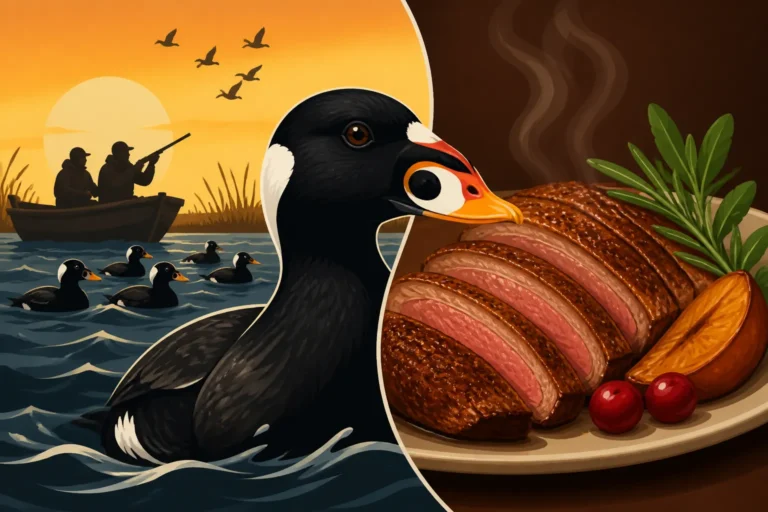
Sea ducks taste different because their marine diet of clams, mussels, and crabs transfers strong flavors into dark muscle tissue.
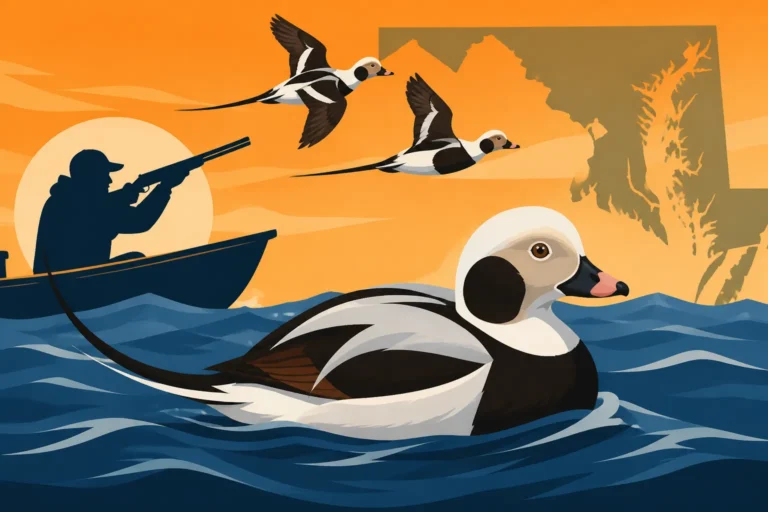
Long-tailed duck hunting in Maryland offshore waters requires identifying their unique calls, plumage, and deep-diving habits.
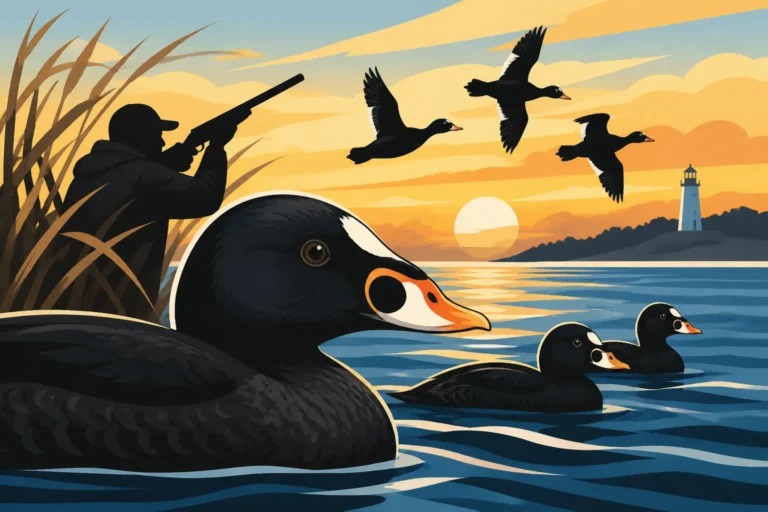
Scoter hunting off the Maryland coast involves identifying black, surf, and white-winged sea ducks over Atlantic shellfish beds.
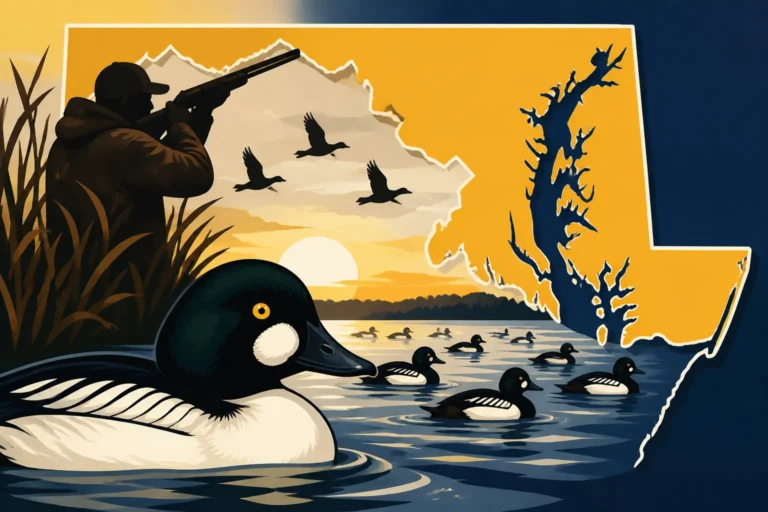
Maryland wintering diver duck flocks and prime locations explained with behavior patterns, species details, and preferred habitats.
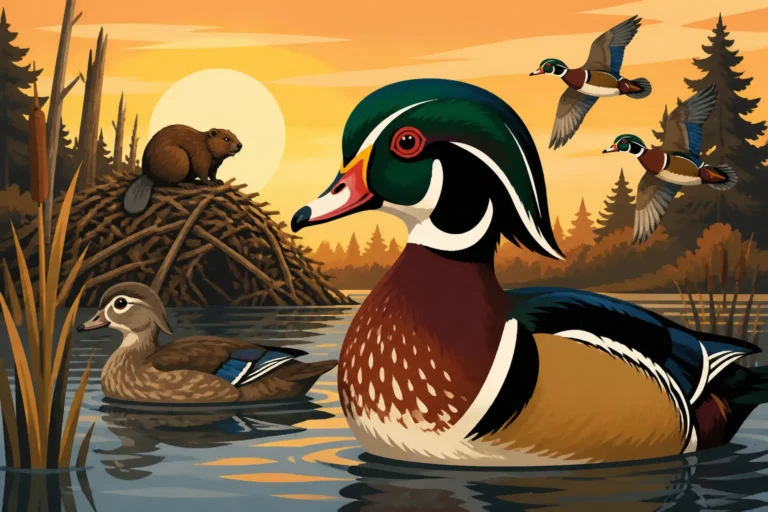
Maryland beaver ponds offer wooded wetlands with flooded timber, providing hunters with hidden locations for targeting wood ducks.
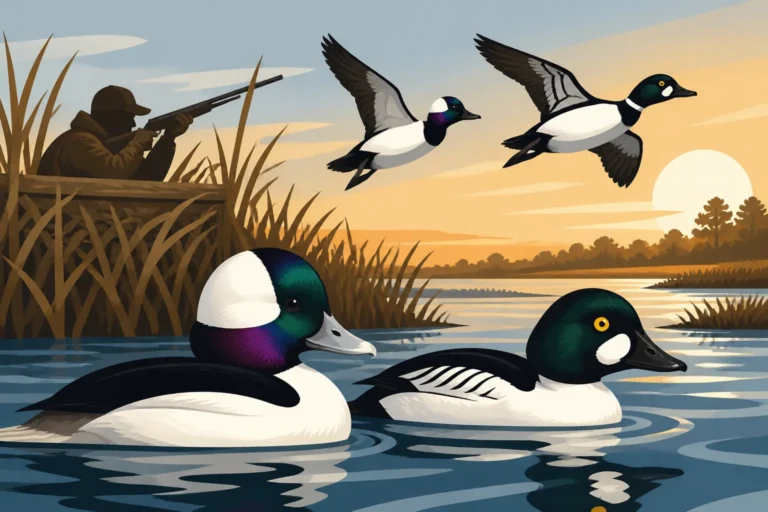
Maryland tidal creek duck hunting tactics for buffleheads and goldeneyes explain how to successfully pursue these diving birds.

Maryland redhead duck hunting strategies on the Chesapeake Bay depend on locating large rafts near submerged aquatic vegetation.
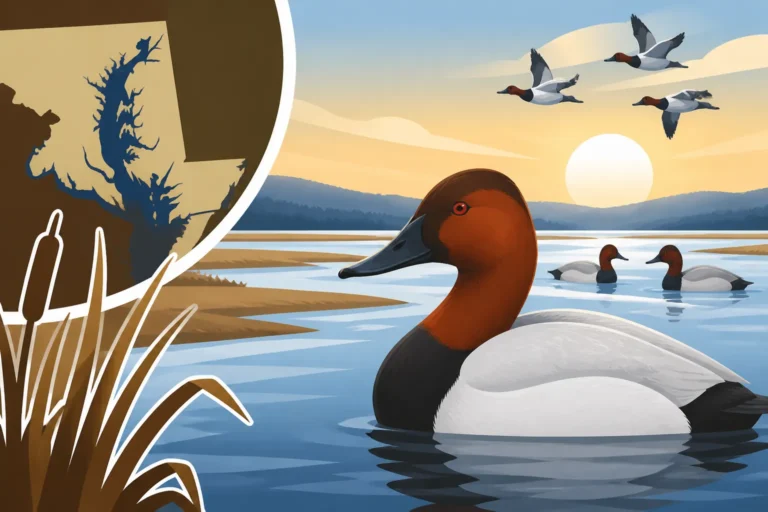
Canvasback ducks winter on the shallow Susquehanna Flats because protected waters provide abundant aquatic vegetation for food.
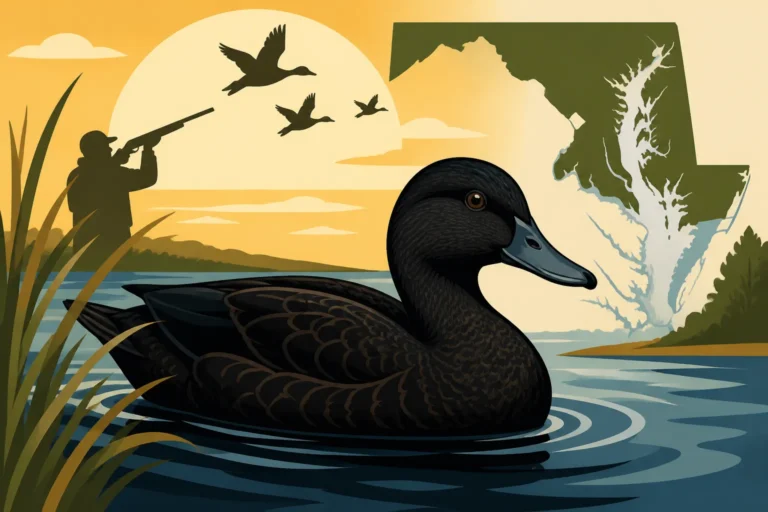
American black duck health indicates Chesapeake Bay well-being, showing marsh ecology and habitat quality through declining numbers.
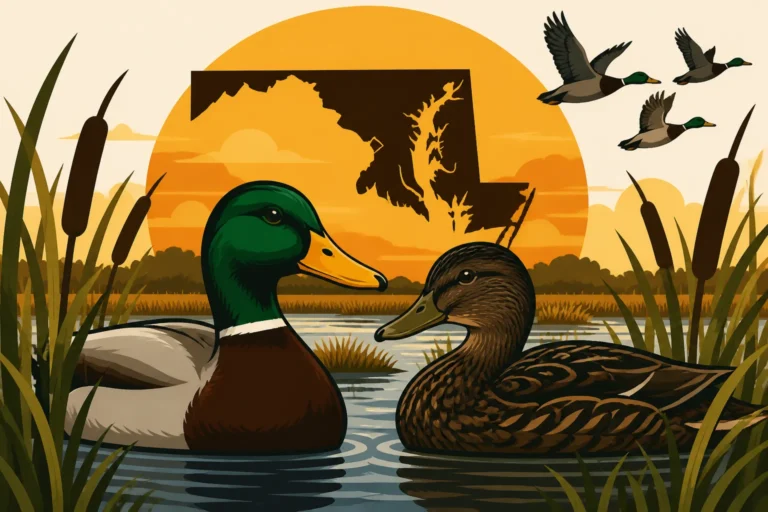
Maryland tidal marshes provide shared habitats where mallards and American black ducks feed and winter together during winter.