Questions to Ask Before Booking
Booking a guided hunt in Maryland, whether it's for waterfowl on the Chesapeake Bay or a sika stag in the marshes, can be an incredible experience. But let's be honest, it's also a significant investment, and the last thing anyone wants is to arrive expecting one thing and find something completely different. It's frustrating when you've planned your trip, taken time off work, and spent hard-earned money, only to discover miscommunications or unmet expectations. This guide is all about equipping you with the right questions to ask before you put down that deposit, ensuring you have a clear picture of what your guided Maryland hunting adventure will truly entail, and helping you avoid those common pitfalls.
Understanding the Outfitter's Foundation and Logistics
When you're looking into a guided hunt, the first set of questions should always revolve around the outfitter's fundamental setup. This isn't just about what they offer, but how they operate, their legal standing, and the very ground you'll be hunting. It's like checking the foundation before you buy the house – you want to make sure everything is solid and legitimate. Getting these answers upfront can save a lot of headaches and ensure you're dealing with a professional, reputable operation.
Licensing and Permits: Are They Legitimate?
One of the absolute first things you need to verify is whether your potential outfitter and their guides are properly licensed in Maryland. This isn't just a formality; it's a legal requirement designed to protect both you and the state's wildlife resources. An unlicensed guide could put you at risk of fines or even confiscation of game, and it speaks volumes about their professionalism. You're entrusting them with a big part of your hunting experience, so you want to ensure they're operating above board.
Maryland has specific regulations for commercial hunting guides, particularly for waterfowl. A legitimate guide will have no issue providing proof of their licenses, and they should be knowledgeable about all state and federal regulations impacting your hunt. Don't be shy about asking for license numbers or how you can verify their credentials. This due diligence ensures you're not inadvertently participating in an illegal operation. It's also wise to ask about any specific permits required for the areas you'll be hunting, especially if it's on federal lands or specialized private land where additional permissions might be necessary. This also extends to boat captains if you're Chesapeake Bay Sea Duck Charters in Maryland or doing a marsh hunt for sika deer; they need appropriate Coast Guard licensing for commercial operations.
Access and Hunting Grounds: Where Will We Be Hunting?
Knowing where you'll be hunting is absolutely crucial. Is it private land, public land, or a mix of both? If it's private, how much acreage do they have access to, and do they have exclusive hunting rights? These details can drastically impact your experience. Some outfitters might have sprawling private farms with managed habitat, while others might operate primarily on public access areas which can be subject to different pressures and rules. For example, if you're hoping for a less pressured hunt, asking about the number of hunters on the property at any given time can be very insightful.
It's also important to inquire about the specific type of habitat you'll be hunting. Are you chasing Sika Deer Hunting in Maryland's Tidal Marshes in Dorchester County, setting up layout blinds in Goose Hunting Maryland's Eastern Shore Grain Fields, or still-hunting timber in Western Maryland? Understanding the terrain and environment will help you prepare mentally and physically, and ensure your expectations align with the reality of the hunt. Asking about scouting efforts and how they determine hunt locations can also give you insight into their approach and dedication. For instance, do they regularly scout for Reading a Marsh Trail for Sika Sign or monitor Late Season Food Sources for Maryland Deer? This level of detail demonstrates their commitment to putting you on game.
Accommodation and Meals: What to Expect Off the Field
A guided hunt often includes more than just the time spent with a weapon in hand; it's an entire experience. Lodging and meals can range from rustic bunkhouses to comfortable farmhouses with gourmet food. It's important to clarify what's provided so there are no surprises after a long day in the field. Does the package include lodging every night, or just for specific dates? Are meals home-cooked, or are you responsible for your own provisions? For example, if you're planning a multi-day trip for Sika Deer Hunting in Maryland's Tidal Marshes, you'll want to know if there's a warm, dry place to return to each evening and if dinner is waiting.
Beyond just what is provided, inquire about the quality and setup. Will you have a private room or shared bunkhouse? Are there amenities like hot showers, laundry facilities, or a common area for relaxing? These details might seem minor, but they contribute significantly to the overall comfort and enjoyment of your trip. Also, ask about dietary restrictions – if you have allergies or specific needs, you'll want to know if they can be accommodated. A good outfitter, often found through platforms like BookYourHunt, will be transparent about their camp's offerings and ready to discuss these practicalities.
Clarifying Hunt Details and Setting Realistic Expectations
Once you've got a handle on the outfitter's basic setup, it's time to dive into the specifics of the hunt itself. This is where you'll get a clearer picture of what your actual time in the field will look like, what game you might encounter, and how the outfitter operates day-to-day. Managing expectations here is key to a successful and enjoyable trip.
Species, Success Rates, and Trophy Potential
Every hunter has a target. For some, it's filling the freezer with antlerless deer during Maryland's Split Firearms Deer Season. For others, it's the thrill of calling in a big gobbler during Spring Turkey Hunting in Maryland. And for many visiting Maryland, it's the unique challenge of a Sika Deer Hunting in Maryland's Tidal Marshes stag. Clearly articulate what species you are hoping to hunt and confirm that the outfitter specializes in that particular game. While some guides offer multi-species hunts, many excel in one or two specific areas.
Now, let's talk about the elephant in the room: "success rates." This is often a hot topic, and it's important to understand what an outfitter means by "success." Does it mean every hunter saw game, had a shot opportunity, or actually harvested an animal? Ask for specific, quantifiable success rates for the type of hunt you're interested in, and over recent seasons. Don't be afraid to ask for references from past clients who hunted for the same species. While no ethical outfitter can guarantee a kill (it is hunting, after all), they should be able to provide realistic expectations based on their historical data. If you're looking for a trophy animal, specifically ask about the size and age class of animals typically harvested and any trophy fees that might apply for larger animals. Platforms like GoHunt often feature outfitters who are transparent about their harvest statistics.
Hunting Style, Tactics, and Equipment
How does the outfitter typically conduct their hunts? Are you Still-Hunting Western Maryland Mountain Timber or sitting in a blind? Are decoys, calls, or tracking dogs utilized? If you're bowhunting, are you spot-and-stalking, or will you be using tree stands or ground blinds? For waterfowl, will it be Decoying Divers on Maryland's Open Bay from a stationary blind, or will you be running a layout boat for sea ducks? Knowing the prevailing hunting style will help you prepare your gear, physical condition, and mindset. Some hunters prefer active pursuits, while others enjoy a more sedentary setup.
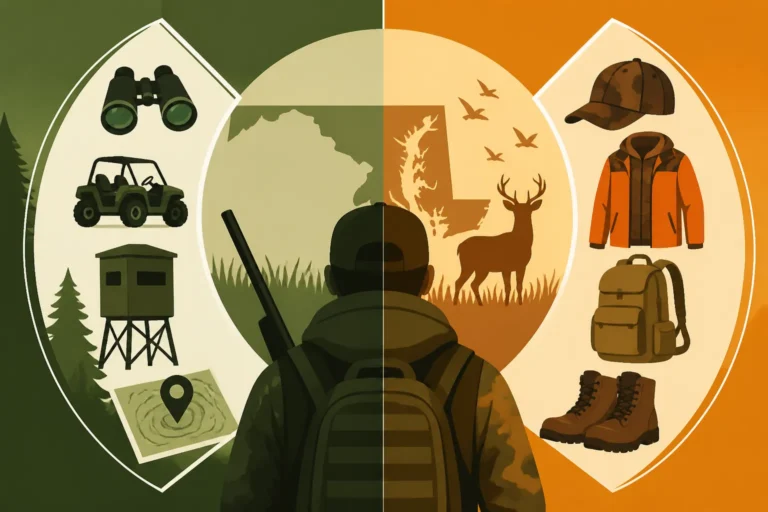
Also, ask what specialized equipment the outfitter provides (boats, blinds, decoys, ATVs for transport) and what you are expected to bring. For instance, if you're going after sika deer in a marsh, are hip boots or chest waders essential, and does the outfitter have extra if yours fail? What caliber firearms or bow poundage do they recommend or require for safety reasons? Are there any specific clothing requirements like blaze orange for firearms seasons or camouflage patterns? Understanding these details prevents you from showing up unprepared or over-prepared.
Group Size and Guide-to-Hunter Ratio
This is a critical question for many hunters. Are you hunting one-on-one with a guide, or will you be part of a larger group? What is the maximum group size, and what is the guide-to-hunter ratio? A lower ratio (e.g., 1 guide for 1-2 hunters) often means more personalized attention, flexibility in hunting locations, and a quieter experience. A higher ratio might mean more hunters in the same area, potentially increasing pressure on game, but it can also be more economical.
Consider your personal preference. Some people enjoy the camaraderie of a larger group hunt, especially for waterfowl where the action can be fast and furious. Others prefer the solitude and focused experience of a private guide. If you're booking with friends or family, ensure that your group size can be accommodated comfortably and that you understand how you'll be paired with guides. This also impacts the amount of instruction and assistance you might receive, which is especially important for new hunters or those trying a challenging species like Sika Deer Hunting in Maryland's Tidal Marshes for the first time.
Financial Considerations and What's Truly Included
Money matters. Let's not beat around the bush. You're making an investment in an experience, and you need to know exactly what that investment covers, what additional costs you might incur, and what happens if plans change. Nothing sours a great hunt faster than unexpected fees or misunderstandings about payment.
Pricing, Deposits, and Payment Schedules
The most basic question, but one that needs absolute clarity: What is the total cost of the hunt? Get this in writing. Then, inquire about the deposit structure. How much is required upfront, and when is the remaining balance due? Is the deposit refundable under any circumstances? Outfitters often require a significant deposit to secure your booking and cover initial expenses, and these are frequently non-refundable. It's essential to understand these terms before you commit.
Ask about accepted payment methods (check, credit card, bank transfer) and if there are any additional processing fees for certain payment types. Some outfitters might offer discounts for cash payments. Clarify the currency if you're booking an international hunt, though for Maryland, it will naturally be USD. Ensure there are no hidden costs. A reputable outfitter will be transparent about their pricing. If you're using a booking platform like BookYourHunt, they typically handle the deposit and payment processing, which can add a layer of security.
Inclusions, Exclusions, and Potential Hidden Costs
This is where many misunderstandings arise. You need a detailed list of what is included in the quoted price and, just as importantly, what isn't. Does the price cover your hunting license and stamps? (Usually not, as these are personal purchases.) What about ammunition, specialized gear rentals, or tips for the guides? Will there be transportation once you arrive at the closest airport, or is that your responsibility?
Here’s a common list of items that are often not included:
- Hunting Licenses & Stamps: You'll typically be responsible for purchasing your own Maryland Hunting Licenses and What They Cost, including any necessary stamps like the Maryland Sika Deer Stamp and Bag Limits or Maryland Migratory Bird Stamp Requirements.
- Ammunition/Arrows: Bring your own or confirm if the outfitter sells them.
- Travel to/from the hunting area: Flights, rental cars, fuel.
- Meat Processing & Shipping: While guides might assist with field dressing, the costs for butchering and shipping your game home are usually extra. Deer Processors and Butchers in Maryland can vary widely in price.
- Taxidermy: If you harvest a trophy, mounting it is an additional expense.
- Gratuities/Tips: It's customary to tip your guides, and you should budget for this.
- Personal Gear: Clothing, optics, sleeping bag (if camping), etc.
- Alcohol/Tobacco: Usually not provided.
- Guest Fees: If you want to bring a non-hunting companion.
Get a clear breakdown to avoid any nasty surprises. It's much better to know upfront that you'll need an extra $500 for licenses, tips, and meat processing than to be blindsided at the end of the trip.
Cancellation and Refund Policies
Life happens. Sometimes, despite the best intentions, you might have to cancel or reschedule your hunt. It's vital to understand the outfitter's policy on cancellations, postponements, and refunds before you book. What are the deadlines for cancellation? Is the deposit fully, partially, or non-refundable? Are there options to roll your deposit over to a future date or transfer it to another hunter if you can't make it?
Outfitters often have strict cancellation policies because they block out dates and incur expenses based on confirmed bookings. Weather is another factor; what happens if extreme weather conditions (like a hurricane on the Eastern Shore or heavy snow in Western Maryland) force a cancellation or postponement? Will they offer a refund, a credit for a future hunt, or is the loss entirely yours? This is particularly relevant for things like Maryland Waterfowl Zones and Season Dates, where weather plays a huge role. Understanding these terms will help you make an informed decision, and potentially prompt you to consider travel insurance that covers hunting trips.
Ensuring Safety and Ethical Practices
Hunting inherently carries risks, and responsible outfitters prioritize the safety of their clients and the ethical treatment of wildlife. Asking these questions isn't just about protecting yourself, but also about supporting operations that uphold the values of fair chase and conservation.
Safety Protocols and Emergency Plans
Your safety should be paramount. Ask about the outfitter's safety protocols both in the field and at camp. What are their rules regarding firearms handling, tree stand use, or boat safety? Do guides carry first-aid kits, and are they trained in CPR or wilderness first aid? What is the plan in case of an accident or emergency in a remote location, such as a marsh or deep woods? Are they equipped with satellite communication devices if cell service is unreliable?
It's also important to know if they require you to sign a liability waiver. This is standard practice for many adventure activities, but understanding what you're signing is important. For instance, if you're hunting in a remote part of Maryland's Western Mountain Forests, knowing there's a clear communication and evacuation plan in place provides peace of mind. Asking these questions demonstrates your own commitment to safety and helps ensure you're in capable hands.
Ethical Hunting and Game Recovery
A truly ethical outfitter adheres to fair chase principles and promotes responsible hunting. Ask about their policies on shot placement, animal recovery, and avoiding unnecessary suffering. Do they have a clear plan for Blood Trailing in Marsh Grass After Dark or recovering an animal from difficult terrain? What happens if an animal is wounded and not immediately recovered? Are there limits on the number of attempts to recover a wounded animal?
This also extends to compliance with game laws. A good guide will always ensure you are familiar with Maryland's Deer Bag Limits and Antler Rule, Maryland Turkey Seasons and Permits, and any other relevant regulations for the species you're pursuing. They should discourage any practices that are illegal or unethical, such as shooting beyond a safe range or harassing game. Ensuring the outfitter operates with integrity aligns with the values of many hunters.
Regulatory Compliance and CWD Awareness
Beyond general hunting laws, specific regulations like those concerning Chronic Wasting Disease (CWD) are increasingly important. Maryland has Maryland's CWD Management Area Rules in certain counties, which dictate how deer carcasses can be handled and transported. Ask your outfitter if the area you're hunting is within a CWD management zone and what procedures they follow to comply with these regulations. This is crucial for preventing the spread of the disease and protecting the future of the deer herd.
Also, inquire about general compliance with Maryland hunting regulations. For example, do they ensure all hunters wear the required Maryland Blaze Orange Requirements during applicable seasons? Are they up-to-date on Maryland's Legal Weapons by County if you're bringing your own firearm? A knowledgeable outfitter will be well-versed in these details and make sure their clients are too.
Post-Hunt Logistics and Support
The hunt doesn't necessarily end when the animal hits the ground. There are practicalities to consider, especially when dealing with game meat, trophies, and your journey home. A good outfitter will offer support and guidance through these final stages of your trip.
Game Processing, Taxidermy, and Shipping
Once you've harvested an animal, what's the next step? Ask the outfitter about their procedures for field dressing and transporting game from the kill site. Do they have facilities for basic processing, or do they work with local butchers? If you plan to take meat home, how will it be kept cool, and can they recommend reputable local processors? The cost of processing can be significant, so factor this into your budget.
If you've harvested a trophy animal, inquire about their taxidermy services or recommendations. Do they have a preferred local taxidermist, and how do they handle caping and preparation for a shoulder mount? For non-residents, shipping meat or a trophy home can be a complex logistical challenge. Ask if the outfitter assists with arranging shipping services or if you're on your own. For a sika stag, for example, getting that unique rack prepared and shipped home properly is something you'll definitely want guidance on.
Transportation and Travel Considerations
How will you get to and from the hunting location each day? Does the outfitter provide transportation from the lodging to the various hunting spots, or do you need your own vehicle? If you're flying into Maryland, ask which airport is most convenient for their location and if they offer airport pickup services (often an extra fee). For instance, if you're hunting the Eastern Shore, Salisbury (SBY) might be closer than BWI, but the outfitter might pick up from either.
Consider the nature of the terrain as well. Will you be traveling by ATV, truck, or boat? Understanding the daily commute to the field helps you pack appropriately and manage your expectations for travel time. If you have any mobility issues, it's crucial to discuss transportation to ensure accessibility to blinds or hunting areas.
Follow-Up and Feedback
A sign of a truly professional outfitter is their commitment to client satisfaction even after the hunt is over. What kind of follow-up can you expect? Do they provide photos of your hunt, if available? Do they send a survey or ask for feedback to improve their services? This shows they value their clients' experiences and are dedicated to continuous improvement.
Furthermore, a good outfitter might reach out with information about future hunt opportunities or special deals. Don't underestimate the value of this post-hunt relationship, as it can lead to returning business and referrals.
A Handy Checklist: Questions to Ask Your Maryland Hunting Outfitter
To help you keep track, here's a quick table summarizing key questions across various categories. Print this out and take notes when you call!
| Category | Key Questions to Ask |
|---|---|
| Outfitter Legitimacy | – Are you and your guides fully licensed by the state of Maryland? Can I get license numbers for verification? – What specific permits are required for this hunt (e.g., federal land permits, boat captain licenses)? – How long have you been operating as a guided hunt service in Maryland? |
| Hunting Grounds & Access | – Where exactly will we be hunting (private/public, specific WMAs/forests, water bodies)? – How much acreage do you have access to, and is it exclusive? – What type of terrain/habitat will the hunt take place in (marsh, timber, fields, open water)? – How many hunters will be on the property at one time? |
| Hunt Details & Expectations | – Which specific species will we be targeting? – What are your typical success rates for this hunt, and what does "success" mean (opportunity, harvest, trophy)? – What is the average size/age class of game harvested? – What hunting style/tactics will be employed (stands, blinds, spot-and-stalk, calling, decoys, boats)? – What is the guide-to-hunter ratio? Will I be hunting alone or with a group? |
| Accommodation & Meals | – What type of lodging is included (private room, shared bunkhouse, hotel, camping)? – Are meals provided, and if so, what kind (home-cooked, restaurant, self-catered)? – Can you accommodate dietary restrictions? – What amenities are available (showers, laundry, common areas)? |
| Financials | – What is the total cost of the hunt package? – What is the deposit amount, when is it due, and is it refundable? – When is the final balance due? – What is explicitly included in the price (guide fees, lodging, meals, transportation during hunt)? – What is not included (licenses, stamps, ammo, tips, meat processing, taxidermy, travel to/from Maryland)? – What is your cancellation/refund policy? |
| Safety & Ethics | – What are your safety protocols for firearms, tree stands, and boat travel? – Do guides carry first aid and are they trained for emergencies? – What is the emergency plan for a remote area? – How do you ensure ethical hunting practices and game recovery? – How do you comply with CWD regulations and other state hunting laws? |
| Post-Hunt Logistics | – What is the procedure for field dressing and transporting harvested game? – Do you work with local meat processors or taxidermists? – Do you assist with preparing game/trophies for transport or shipping for out-of-state clients? – Do you offer airport pickup, or is ground transportation to/from the lodge my responsibility? – What is your follow-up process after the hunt? |
This comprehensive list of questions should give you a solid framework for evaluating any Maryland outfitter. Remember, a good outfitter will welcome these questions and be eager to provide thorough answers, as it shows you're a serious and prepared client. Taking the time to ask these questions upfront will dramatically increase your chances of a fantastic, frustration-free Maryland hunting experience.
Disclaimer
This article is for general informational purposes only and does not constitute professional advice. Laws, prices and regulations vary by location and change over time. Consult a qualified professional for guidance on your specific situation.