Guided Snow Goose Hunts on the Upper Shore
The sheer numbers of snow geese descending upon Maryland's Upper Eastern Shore can be awe-inspiring, but turning that spectacle into a successful hunt is a challenge that often leaves even seasoned waterfowlers scratching their heads. Their wariness, incredible flock sizes, and specific feeding patterns mean that just showing up with a few decoys isn't going to cut it. This guide is all about navigating those challenges and understanding why a guided snow goose hunt might be exactly what you need to experience the incredible action these birds provide.
Why Guided Snow Goose Hunts on Maryland's Upper Shore?
Let's face it, hunting snow geese is not like hunting a small flock of local Canada geese. These birds are on a different level of cunning and sheer volume. For many hunters, the dream of being engulfed by thousands of white birds is quickly dashed by the reality of their exceptional eyesight and uncanny ability to flair at the slightest hint of danger. That's where a reputable guide, particularly on Maryland's Upper Shore, becomes not just helpful, but often essential.
The Allure and Challenge of Snow Geese
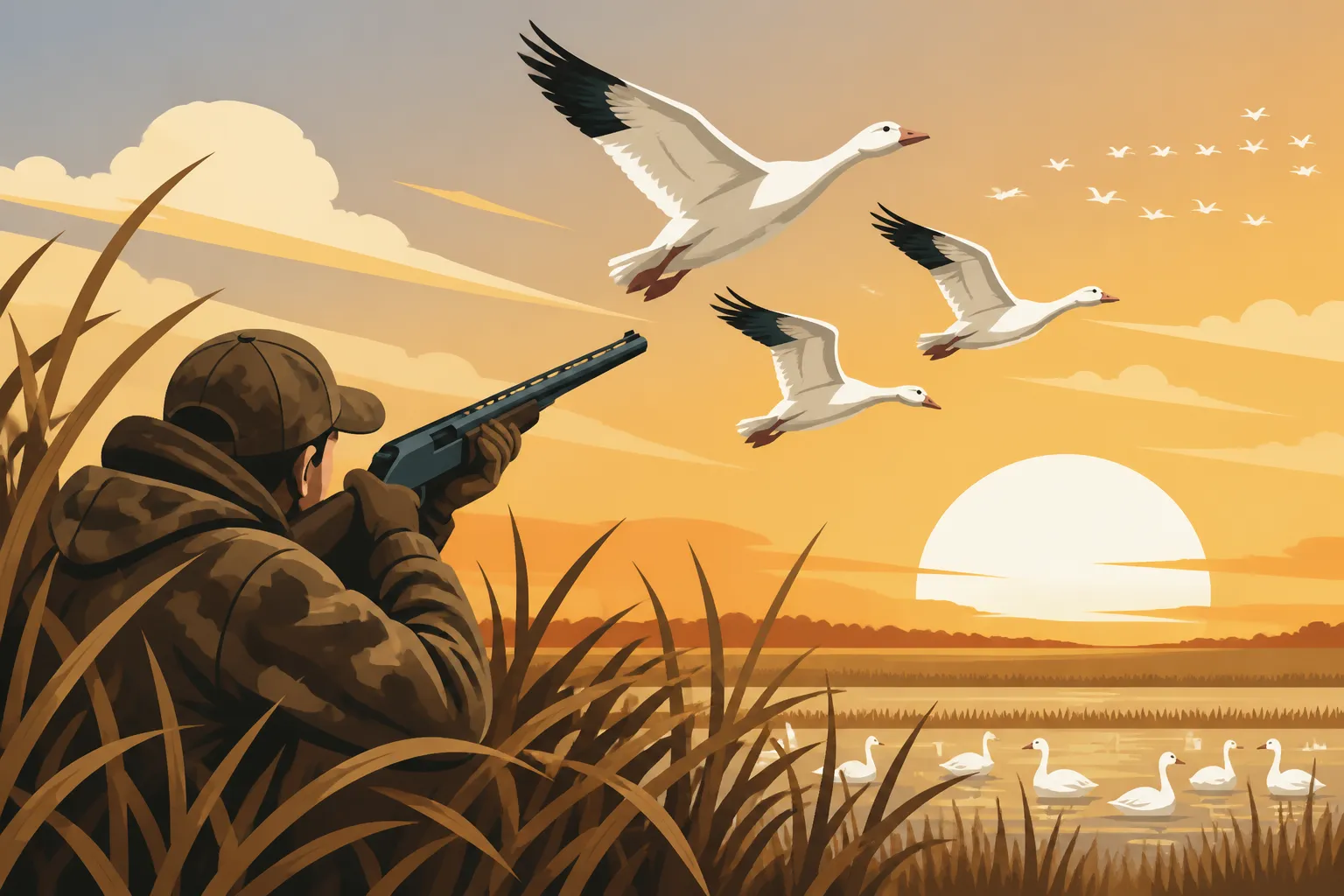
Imagine standing in a field as the sky turns white with thousands upon thousands of geese, their high-pitched calls a deafening symphony. This is the allure of snow goose hunting. When a large flock commits, diving into your spread, the experience is unlike any other in waterfowl hunting. It's fast-paced, high-volume, and exhilarating. However, this spectacle comes with immense challenges. Snow geese, especially the adult "blue geese" with their darker plumage, have extraordinary vision. They fly in massive, intelligent flocks, and once they've been shot at a few times, they become incredibly wary of decoy spreads, often circling at extreme altitudes, inspecting every detail before even considering a descent.
The sheer pressure from hunting can make them even more difficult. They learn quickly, becoming educated on what to avoid. A guide who intimately understands these birds' daily movements, preferred feeding fields, and flight corridors can make all the difference between an empty spread and a pile of birds. They spend their days scouting, reading the birds, and adjusting their tactics to stay one step ahead of these incredibly smart waterfowl.
Overcoming Logistics and Access
One of the biggest hurdles for any hunter wanting to target snow geese on the Upper Shore is simply having the right setup and, crucially, access to the right land. Snow geese aren't usually interested in small, isolated fields. They prefer expansive agricultural areas, often harvested corn or soybean fields, where they can feed en masse. Securing permission to hunt these prime private lands, particularly those with consistent goose activity, is incredibly difficult for the average hunter. Landowners are often protective of their fields and prefer to work with trusted individuals or outfitters.
Guides on the Upper Shore typically have established relationships with multiple farmers, granting them access to hundreds, if not thousands, of acres of prime goose habitat. This means they can shift locations daily, following the birds as their feeding patterns change. For the DIY hunter, building these relationships and gaining consistent access can take years, if it ever happens at all. Furthermore, the sheer volume of birds necessitates an equally massive decoy spread and specialized equipment that most individual hunters simply don't own or have the means to transport and deploy.
Specialized Gear and Techniques
Hunting snow geese effectively isn't just about having some decoys; it's about having hundreds, if not thousands, of decoys. We're talking about spreads that can literally cover acres of ground, designed to mimic the massive feeding flocks that these birds travel in. These aren't your typical duck decoys; they're often lightweight, collapsible "rags," silhouettes, or full-body shells that can be rapidly deployed and picked up. Coupled with this, federal regulations allow the use of electronic calls during the Conservation Order season, which are absolutely vital for drawing in distant flocks. These callers can broadcast loud, realistic snow goose vocalizations over vast distances, helping to pull birds away from their natural flight paths.
Beyond decoys and e-callers, you need comfortable, well-concealed blinds capable of hiding a group of hunters in an open field. Layout blinds, often specifically designed for snow goose hunting, are common, as are elaborately constructed pit blinds or large panel blinds. The investment in this specialized gear alone—decoys, callers, generators, blinds, vehicles capable of hauling it all—can easily run into tens of thousands of dollars. A guided hunt removes this enormous financial burden, allowing you to enjoy the full experience without the upfront cost and storage hassle. Guides are also masters of the specific techniques required, from decoy placement to calling sequences, which they've honed over countless hunts.
What to Expect from a Guided Snow Goose Hunt
Embarking on a guided snow goose hunt on Maryland's Upper Shore is an experience in itself, filled with anticipation and often fast-paced action. Understanding the typical flow can help you prepare and get the most out of your adventure.
Pre-Hunt Preparation and Communication
Once you've decided to book a guided hunt, the first step is usually a deposit and then ongoing communication with your chosen guide. Many hunters find guides through platforms like BookYourHunt or GoHunt, which can streamline the search and booking process, and often provide valuable reviews. Your guide will provide essential information: the exact meeting time and location (often well before sunrise), what specific gear to bring, and details about required licenses and stamps. For migratory birds, you'll absolutely need a valid Maryland hunting license, a Maryland Migratory Game Bird Stamp, and proof of HIP registration. Don't forget the Federal Duck Stamp too, even for snow geese during the Conservation Order, as it's required for all migratory waterfowl hunting. You can find out more about the cost of these stamps and licenses by checking Maryland Migratory Game Bird Stamp Cost and HIP Registration for Migratory Bird Hunters.
A good guide will also inform you about the weather forecast, giving you a chance to pack appropriate layers. Remember, you'll be lying or sitting in a field for several hours, often in cold, damp conditions, so waterproof and insulated clothing is critical. Don't hesitate to ask questions – a professional guide welcomes them!
The Hunt Day Experience
Your hunt day will start early, very early. You'll likely meet your guide at a pre-determined location, often a gas station or coffee shop, and then follow them to the hunting field. Expect to load into a side-by-side or truck for transport across bumpy farm roads. Upon arrival, the real work begins: setting up the massive decoy spread and blinds. This can involve hundreds, or even thousands, of decoys, often lightweight shells or "rags" that are quick to deploy. Everyone typically pitches in to help, so be ready to lend a hand!
Once the spread is set and everyone is tucked into their layout blinds or pit blind, the waiting game begins. As the sun rises, the guide will operate the electronic caller, broadcasting the raucous sounds of feeding snow geese. When the birds appear, often as distant specks that rapidly grow into a swirling vortex, the excitement is palpable. The guide will be calling the shots, telling you when to "take 'em!" or "stay down!" It's crucial to listen intently and follow their instructions precisely for safety and success.
The shooting can be fast and furious, but also sporadic. You might have waves of birds decoy perfectly, offering fantastic shooting opportunities, or there might be lulls where only small groups work the edges of the spread. Flexibility and patience are key. After a successful shot, the guide, or their dog, will retrieve the downed birds. This is where a good retriever really shines, making sure every bird is brought to hand. You can learn more about general field hunting dynamics, which often apply to snow geese, by reading Pass-Shooting Geese Over Cut Corn or Layout Hunting Canada Geese on the Upper Shore.
Post-Hunt Logistics
Once the hunting is done, the process reverses: gathering all the decoys and blinds, which can be just as much work as setting them up. All the harvested birds will be collected. Many guides offer bird cleaning services for an additional fee, or they'll provide facilities for you to clean your own birds. It's important to discuss this beforehand.
Before you leave, ensure your birds are tagged properly if required, and understand any specific rules about transporting migratory birds. While snow geese during the Conservation Order often have liberal bag limits and simplified possession rules, it’s always wise to confirm with your guide. The federal regulations for migratory bird hunting, including the need for a Federal Duck Stamp, are critical to understand. Check Federal Duck Stamp Rules for Bird Hunters for details.
Finally, consider tipping your guide. This is customary in the outdoor industry and reflects your appreciation for their hard work, scouting, equipment, and expertise. A good guideline for waterfowl guides can be found in How Much to Tip a Waterfowl Guide. They've put in long hours long before you arrived, and your tip is a direct way to acknowledge that effort.
Choosing the Right Snow Goose Guide on the Upper Shore
Picking the right guide for your snow goose hunt on Maryland's Upper Shore is crucial for a successful and enjoyable experience. Not all waterfowl guides specialize in snow geese, and the unique challenges of these birds require a particular skill set and significant investment in gear.
Reputation and Experience
When you're looking for a guide, start by asking about their specific experience with snow geese. A guide who primarily hunts Canada geese might not have the massive spreads, electronic call systems, or the specific field knowledge required for consistent snow goose success. Look for guides who boast hundreds, if not thousands, of snow goose decoys and have a proven track record during the Conservation Order season. Online reviews and testimonials can be a great starting point. Platforms like BookYourHunt or GoHunt often aggregate reviews and allow you to filter by species and location, making it easier to find specialists.
Don't hesitate to ask for references from past clients. A reputable guide will be happy to provide them. Pay attention to how long they've been guiding snow geese in the specific Upper Shore region, such as Kent County or Queen Anne's County, which are prime snow goose areas. Experience translates directly into better scouting, knowledge of bird patterns, and the ability to adapt to changing conditions. Lastly, always confirm that your guide is properly licensed. You can learn more about how to do this by Checking Whether a Guide Is Actually Licensed.
Equipment and Setups
As we discussed, snow goose hunting demands specialized equipment. When interviewing potential guides, ask detailed questions about their setup:
- Decoy Spread Size: How many decoys do they typically deploy? A serious snow goose guide will talk in terms of hundreds, often over a thousand, decoys.
- Decoy Types: Do they use motion decoys, full-body decoys, silhouettes, or primarily "rag" spreads? A combination is often ideal, with motion being critical.
- Electronic Caller System: What type of e-caller do they use? Is it powerful enough to reach distant birds?
- Blinds: What kind of blinds will you be hunting from? Layout blinds, pit blinds, or panel blinds? Comfort and concealment are paramount in an open field.
- Retrievers: Do they use trained retrievers? A good dog is invaluable for quickly picking up downed birds and minimizing cripples.
The quality and quantity of a guide's equipment directly impact your chances of success. A guide with a vast, realistic spread and a powerful calling system has a much better chance of pulling in wary flocks of Snow Geese on Maryland's Eastern Shore. Don't be afraid to ask for photos of their setups.
Understanding Costs and Inclusions
Guided snow goose hunts on the Upper Shore typically range in cost, depending on the guide's reputation, the length of the hunt, and what's included. Prices are usually quoted "per gun" (per hunter) per day. While I can't give you exact figures, you can expect a guided snow goose hunt to represent a significant investment, reflecting the extensive equipment, land access, and scouting required. For a general idea of waterfowl guide costs, you might find some information in Maryland Goose Hunt Prices Per Gun.
Here's a breakdown of common inclusions and exclusions:
| Feature | Typically Included | Typically Excluded |
|---|---|---|
| Guide & Expertise | Professional guide services, calling, scouting | |
| Equipment | Decoy spreads (hundreds/thousands), electronic calls, blinds | Shotguns, ammunition |
| Access | Private land access | |
| Field Transport | Transportation to and from the hunting field (from meeting point) | Personal transportation to meeting point |
| Bird Handling | Retrieval of downed birds | Bird cleaning/processing (often an add-on fee), taxidermy |
| Licenses & Stamps | All required state and federal licenses, stamps (e.g., Federal Duck Stamp) | |
| Personal Gear | Waders, warm clothing, food, drinks, cooler | |
| Gratuities | Guide tips |
Always get a clear understanding of what your package includes before booking. Clarify any additional fees, such as bird cleaning, extra shells (some guides sell them), or potential lodging if it's a multi-day trip. Booking platforms like BookYourHunt can also help by clearly outlining what each outfitter's package entails, making comparisons easier.
Maximizing Your Guided Snow Goose Experience
Booking a guided snow goose hunt is a fantastic way to experience this unique pursuit without the massive investment in gear and the endless search for prime land. But your part doesn't end with paying the deposit. Here's how to ensure you get the absolute most out of your time in the field.
Physical and Shooting Preparation
While a guided hunt provides all the heavy lifting, you'll still need to be reasonably prepared physically. You'll be walking across fields, carrying your shotgun and personal gear, and potentially helping set or pick up decoys. Being in decent physical condition will make the long day much more enjoyable.
More importantly, prepare your shooting skills. Snow goose hunting can be a target-rich environment, but these birds are fast, agile, and often come in large, confusing flocks. It's not uncommon for hunters to miss more than they hit simply because they're overwhelmed or haven't practiced shooting fast-moving targets. Hit the trap or skeet range before your trip. Practice mounting your gun quickly and swinging through fast-flying clays. Bring plenty of ammunition; snow goose hunts are notorious for high shell counts, and you don't want to run out when the birds are working perfectly. Most guides recommend larger shot sizes like BB or #2 steel shot for these tough birds.
Essential Gear to Bring
Your guide will provide a list, but generally, here's what you should pack:
- Layered Clothing: Start with moisture-wicking base layers, add insulating mid-layers, and top with a waterproof and windproof outer shell in a camo pattern suitable for open fields (like white or lighter patterns if there's snow, or browns/tans for bare fields).
- Waterproof Boots/Waders: Depending on field conditions, rubber boots or chest waders (if crossing ditches) are essential. Even dry fields can have damp spots.
- Shotgun: A reliable 12-gauge shotgun, preferably semi-automatic or pump, with a 3-inch or 3.5-inch chamber.
- Ammunition: As mentioned, plenty of high-quality steel shot (BB, #2, or even #1). Many hunters bring 2-4 boxes per day, sometimes more.
- Hunting License & Stamps: All required Maryland licenses, the Maryland Migratory Game Bird Stamp, HIP registration, and the Federal Duck Stamp. Carry them on your person.
- Headlamp/Flashlight: Essential for pre-dawn setup and post-hunt breakdown.
- Eye Protection & Hearing Protection: Crucial for safety during fast-paced shooting.
- Food & Drink: Snacks, water, and non-alcoholic beverages. A thermos of hot coffee or soup can be a lifesaver on cold mornings.
- Small Backpack: To keep your essentials organized and dry in the blind.
- Cooler: To transport your birds home.
- Optional: Binoculars for spotting distant flocks, a small seat cushion for added comfort in a layout blind.
For more general advice on what to pack for waterfowl hunting, even if it's marsh-focused, you can check What to Pack for a Maryland Marsh Hunt for ideas that can be adapted to field hunting.
Communication and Etiquette
A guided hunt is a team effort. The guide is the captain, and listening to their instructions is paramount for safety and success. They'll tell you when to get ready, when to shoot, and when to stay hidden. Don't be "sky-busting" by shooting at birds out of range; wait for the guide's call to ensure ethical shots and better decoying for the flock.
Ask questions before and after the hunt, but avoid being disruptive during the action. Be respectful of the guide, the landowner's property, and your fellow hunters. Offer to help set up and pick up decoys. Being a good sport, whether the birds are flying or not, goes a long way. This kind of communication and teamwork is vital for a positive experience for everyone involved. For a deeper dive into general blind conduct, Blind Etiquette on a Guided Waterfowl Hunt offers excellent advice that translates well to a snow goose field hunt. Reputable guides often prefer hunters who are willing to be active participants rather than just passengers, and many platforms like GoHunt feature reviews that highlight guides who appreciate good communication and teamwork.
Disclaimer
This article is for general informational purposes only and does not constitute professional advice. Laws, prices and regulations vary by location and change over time. Consult a qualified professional for guidance on your specific situation.