Booking a Maryland Turkey and Bear Combo
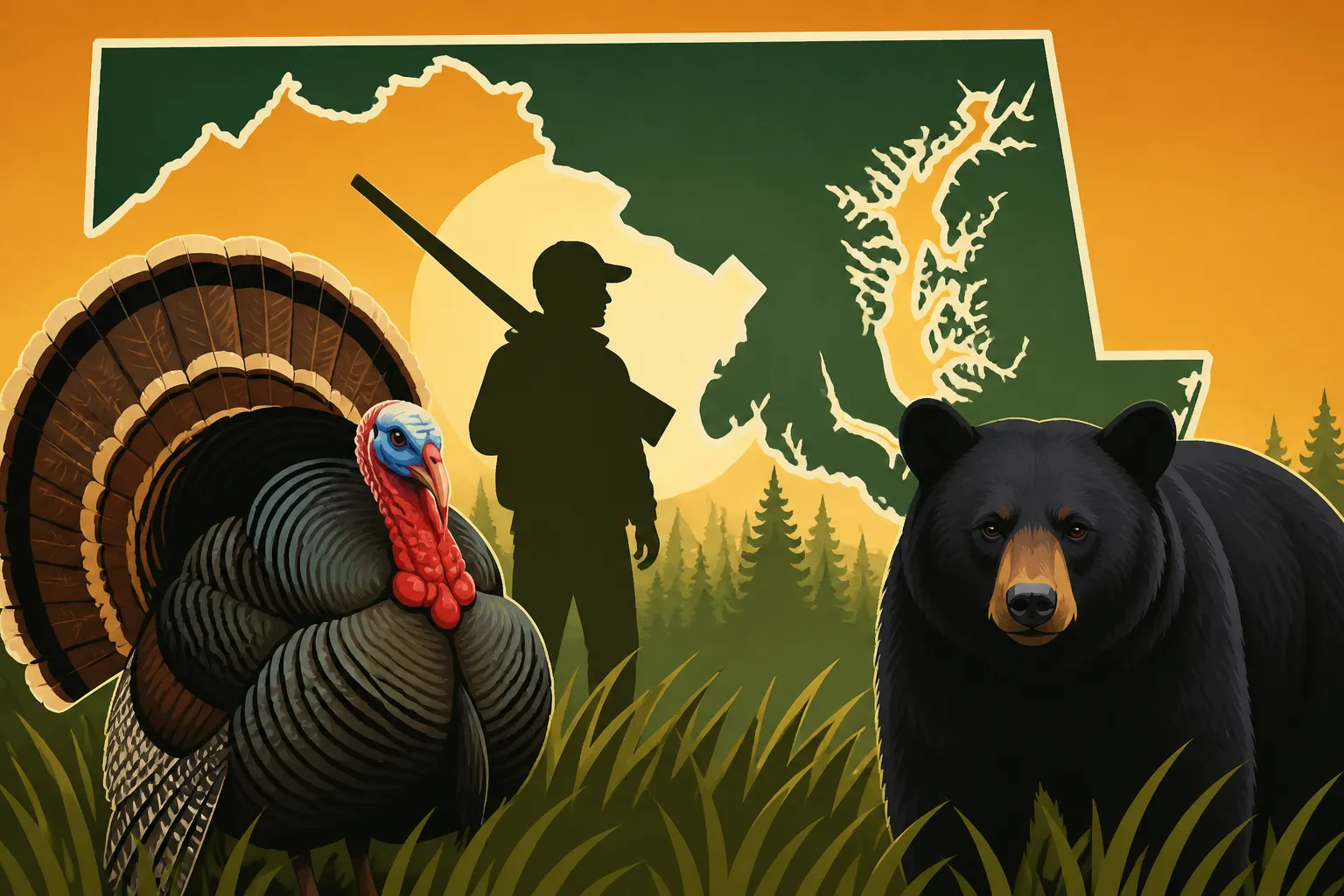
Many hunters dream of a truly diverse big game experience, but the thought of coordinating seasons, permits, and guides for multiple species in a single trip can feel like an impossible puzzle. If you've ever imagined the thrill of calling in a Maryland gobbler and then tracking a black bear through the mountains, you're in the right place. This guide will walk you through the exciting, yet intricate, process of booking a Maryland turkey and bear combo hunt, helping you understand the unique challenges and how to overcome them.
The Appeal of a Maryland Turkey and Bear Combo Hunt
There’s a certain allure to pursuing two completely different, yet equally rewarding, big game animals within the same season or even the same year. It speaks to a hunter's desire for variety, challenge, and a deeper immersion into the wild landscapes Maryland has to offer. It's not just about taking an animal; it's about experiencing different hunting methods, observing diverse wildlife behaviors, and pushing your skills across different terrains.
Why Combine These Species?
There's something undeniably captivating about pursuing two vastly different, yet equally challenging, big game species in one epic trip. You start your day under a pre-dawn sky, meticulously setting up for a wary gobbler, using calls and decoys to draw him in close. The intensity of a strutting tom's drumming and spitting is a completely different rush from the quiet, deliberate pursuit of a black bear. Later in the day, or perhaps on alternating days, your focus shifts to the subtle signs of a bear, patiently watching clear-cuts or still-hunting thick timber. It’s an immersion into two distinct hunting worlds, demanding different skill sets and offering double the satisfaction.
For hunters traveling from a distance, or even those with limited vacation days, combining hunts is a strategic way to maximize precious time afield. Instead of planning two separate trips, incurring double the travel and lodging expenses, a combo hunt bundles these experiences. Imagine dedicating your mornings to turkey and your afternoons to bear scouting or sitting. It truly feels like you're squeezing every drop of opportunity out of your time in Maryland's diverse landscapes, from the spring woods echoing with gobblers to the dense mountain bear country. It means more time pursuing game and less time on the road.
Let’s be real, successfully harvesting one big game animal is an accomplishment, but taking two different ones on the same trip? That's a story you'll be telling for years. Each species presents its own set of puzzles. Turkeys are notorious for their sharp eyesight and cautious nature, often hanging up just out of range. Bears, while not always as visually acute as turkeys, are incredibly intelligent, have an exceptional sense of smell, and often inhabit rugged, dense terrain, making their detection and approach a formidable task. This dual challenge elevates the entire hunting experience, pushing your abilities and offering unparalleled satisfaction when both come together.
Maryland, despite its relatively small size, boasts an impressive variety of habitats. A turkey and bear combo hunt will immerse you in this ecological richness. You might find yourself chasing gobblers in rolling hardwood forests of the Piedmont or the agricultural fringes of the Eastern Shore, then transitioning to the rugged, timbered mountains of Western Maryland where bears roam. This geographical shift isn't just about changing scenery; it's about understanding and appreciating how different species thrive in their specific environments, adding another layer of depth to your hunting adventure. You'll truly get to see the state from one end to the other, or at least from the lower elevation turkey country to the higher elevation bear habitat.
Understanding Maryland's Seasons for Combo Hunts
Here’s the honest truth: directly overlapping Maryland's prime wild turkey season with its black bear season for a simultaneous combo hunt isn't really a "thing" in the traditional sense. Maryland's general spring turkey season typically runs from mid-April through mid-May. Maryland Spring Turkey Season Dates are set for when gobblers are most active, breeding, and responsive to calls. On the other hand, Maryland's black bear season is a very limited, often six-day season, usually occurring in late October. Maryland Bear Season Dates are strategically placed to align with factors like acorn drop and cooler weather, making for optimal bear hunting conditions, but well outside the spring turkey window.
So, how do you do a turkey and bear "combo"? It typically means planning two distinct trips, one for spring turkey and one for fall bear, potentially with the same guide or outfitter who operates in both seasons. Some hunters might even schedule them back-to-back within the same calendar year, perhaps doing a spring turkey hunt, then returning in the fall for the bear season, still leveraging the same outfitter relationship for continuity and convenience. This is where companies like BookYourHunt can be really useful, as you might find outfitters who offer packages for both species, even if they're separated by months. This approach still allows for a "combo experience" under a unified hunting plan.
While a true simultaneous hunt is unlikely, some might consider a different kind of "combo" if hunting conditions or specific regulations allowed. For example, if you're a bowhunter, Maryland's Bowhunting Maryland's Long Archery Season for deer and turkey starts in September. While bear is separate, it's possible to combine small game or even some early goose hunting with a fall turkey hunt, and then focus on bear during its specific window. But for the classic "turkey and bear" big game combo, anticipate two separate trips to Maryland. This requires careful planning and a good relationship with an outfitter who understands your multi-species goals.
Given the separate seasons, your strategy for a combo hunt shifts. Instead of packing all your gear for both at once, you'll focus on preparation for each species individually. Your spring trip will be all about lightweight turkey vests, decoys, and calls, while your fall trip will involve heavier gear, scent control, and tracking equipment for bear. The "combo" aspect becomes more about the shared experience of hunting Maryland's diverse big game animals and less about doing it all in a single week. This is where a seasoned outfitter's advice on timing and logistics becomes invaluable.
Table: Maryland Big Game Season Overlap for Combo Planning (General)
| Species | Primary Season | Typical Months | Overlap Potential for Simultaneous Combo |
|---|---|---|---|
| Wild Turkey (Spring) | Spring Gobbler | Mid-April to Mid-May | None with Black Bear |
| Black Bear | Fall General | Late October | None with Spring Turkey |
| Wild Turkey (Fall) | Fall Archery/Firearms | October – November | Possible overlap with early Archery Deer, but not Black Bear Season |
Note: These are general season dates and can vary annually. Always check current Maryland DNR regulations for precise dates and bag limits.
Navigating the Logistics of a Combo Hunt
Embarking on a multi-species hunt in Maryland requires more than just a desire to hunt; it demands a keen understanding of the state's licensing, lottery systems, and the crucial step of finding the right professional to guide you. Without careful planning, you could miss out on a prime opportunity or encounter unexpected hurdles.
The Bear Lottery: Your First Hurdle
Unlike turkey hunting, which generally requires purchasing a permit, Maryland's black bear hunting is managed through a very strict lottery system. This means you can't just decide you want to hunt bear and buy a tag; you have to apply and be drawn for a permit. The number of permits issued is relatively small, especially compared to the number of applicants, making a Maryland bear permit a highly coveted thing. This reality is the biggest logistical hurdle for anyone dreaming of a bear hunt, let alone a combo.
Applying for the bear lottery typically opens in the summer and closes in late summer, with results posted around September. Maryland Bear Lottery Application Rules detail how to apply, usually through the state's COMPASS online system. If you're not drawn, you often earn a preference point, which theoretically improves your odds in future years. However, even with preference points, success is never guaranteed, and it can take multiple years of applying to finally get that golden ticket. This long-term planning is absolutely essential if a Maryland bear is on your bucket list.
Maryland's bear season is confined to specific western counties: Allegany, Frederick, Garrett, and Washington. If you are drawn for a permit, you'll be assigned a specific hunt zone within these counties. Sometimes, if permits remain unfilled or harvest objectives aren't met, a Maryland's Secondary Bear Lottery might be held closer to the season, but this is less common and usually for specific zones. Your outfitter, if you're working with one, will be well-versed in these details and can advise you on the best zones to apply for, depending on their hunting operations.
The lottery system introduces a significant element of uncertainty into your combo hunt plans. You can book a turkey hunt for spring with confidence, but your fall bear hunt hinges entirely on drawing a permit. Many hunters will apply for the bear lottery, and if they are drawn, then proceed with booking a guided bear hunt. If they aren't, they'll often just plan a deer or fall turkey hunt instead. This means being flexible with your fall plans or ensuring any deposit with an outfitter for a bear hunt is conditional on drawing a permit. Companies like GoHunt, while more focused on western states, embody the kind of detailed draw odds research that hunters should do for Maryland's bear lottery.
Turkey Permits and Tagging
Compared to the bear lottery, obtaining a Maryland turkey permit is quite straightforward. You'll need a valid Maryland hunting license and a Maryland migratory game bird stamp if you plan to hunt spring turkey, though regulations can sometimes be simplified for fall. Maryland Spring Turkey Permit Rules specify exactly what's required, and typically, these can be purchased online through the COMPASS system or at licensed agents across the state. The barrier to entry for turkey hunting is significantly lower, making it an excellent standalone hunt or one to combine with other species where season overlaps allow.
Maryland's turkey bag limits are generally generous for spring, often allowing for two bearded birds, but usually with specific daily and weekly harvest structures. For example, you might be limited to one bird per day. Fall turkey seasons also exist, often with different weapon restrictions and bag limits, including either-sex options in some areas. It's absolutely crucial to study the current Maryland Turkey Seasons and Permits booklet each year, as regulations can shift. A good outfitter will also brief you thoroughly on these rules.
Just like deer, any harvested turkey in Maryland must be registered within 24 hours of the kill. This is usually done online through the COMPASS portal or via a toll-free phone number. You'll receive a confirmation number that must remain with the bird until it is processed. This step is non-negotiable and helps the state monitor harvest numbers and manage the turkey population effectively. Your guide will typically assist with this process, especially if you're new to hunting in Maryland.
Maryland allows various weapons for turkey, including shotguns, archery equipment, and crossbows. Make sure you're familiar with the legal requirements for each, including shot size restrictions for shotguns. If you're planning a combo hunt that involves archery for other species, perhaps using the same bow for fall turkey could simplify your gear. Always confirm the specific weapon rules for the season and county you plan to hunt to ensure full compliance.
Finding the Right Guide or Outfitter
Given the unique challenge of coordinating a multi-species hunt across different seasons, securing a reputable guide or outfitter is highly recommended, especially for non-residents or those unfamiliar with Maryland's specific regulations and terrain. A good outfitter doesn't just put you on game; they handle the complex logistics, understand the local nuances, and can navigate the permit systems and seasonal timing. Look for someone who explicitly mentions experience with both turkey and bear, even if they're separate trips.
Don't just pick the first name you see. Thorough vetting is crucial. Start by checking if they are properly licensed. For bear, they should be operating in the designated bear counties. For turkey, they should have a strong track record. Ask for references from past clients, specifically those who might have booked multiple hunts with them. Inquire about their success rates, but also ask what "success" means to them – is it just seeing game, or is it harvest? Platforms like BookYourHunt can be a good starting point to browse outfitters, but always follow up with direct conversations and reference checks.
When you connect with an outfitter, have a list of specific questions ready. For a turkey and bear combo, you need to understand how they approach the separate seasons. Do they offer a discount for booking both? How do they handle bear lottery contingencies – is a deposit refundable if you don't draw a tag, or can it be rolled over to another hunt? What is included in the price (lodging, meals, transportation, caping, processing assistance)? What gear do you need to bring versus what they provide? How many hunters are in camp at once? Understanding these details upfront prevents unwelcome surprises.
Every hunter has a preferred style. Are you looking for a physically demanding spot-and-stalk turkey hunt, or more of a sit-and-call experience? For bear, are you hoping for still-hunting rugged terrain or sitting over bait (where legal and ethical, though baiting isn't typically allowed for bear in Maryland)? Discuss your expectations and physical capabilities with the outfitter to ensure their approach aligns with yours. An outfitter who focuses heavily on Still-Hunting Western Maryland Mountain Timber for bear might be a perfect fit if that's your preferred method. Similarly, if you want to Roost Hunting Gobblers on Maryland Farmland, ensure they have access to such properties.
What to Expect from a Maryland Combo Hunt Experience
Once the planning is done and your permits are in hand, the real excitement begins. Knowing what to expect during the actual hunts and how to prepare for the unique demands of each species will help ensure your combo experience is both successful and enjoyable.
Typical Hunt Structure and Strategy
Your spring turkey hunt in Maryland will likely kick off well before dawn, with your guide leading you to a pre-scouted roosting area. The strategy often revolves around listening for gobblers sounding off from their roost, then quickly and quietly moving into a position to call them in as they fly down. Mornings are typically the most active time, with calling sequences that mimic hens and jakes to draw in a dominant tom. Patience is paramount, as a gobbler might hang up just out of range, demanding careful adjustments to your setup or calling cadence. Calling a Gobbler Off a Maryland Farm Roost requires finesse and an understanding of turkey behavior.
Fast forward to fall for your bear hunt. Maryland's bear hunting is a combination of still-hunting, stand hunting, and sometimes driving areas with permission. Your outfitter might have specific areas where bears are known to frequent, often tied to seasonal food sources like acorns or corn fields. Scouting for fresh sign – tracks, scat, and rubs – is key. You might spend time glassing clear-cuts at first light or last light, or slowly still-hunting dense cover in the mountains. Bears are notoriously reclusive, and success often comes down to covering ground quietly and patiently, paying close attention to wind direction and thermal currents, especially when Still-Hunting a Savage River Oak Flat.
For both species, adaptability is crucial. A rainy spring morning might mean turkeys stay on the roost longer or move more quietly. A warm fall day can make bears less active during daylight hours. A good guide will constantly adapt their strategy based on weather, game movement, and recent scouting reports. This means being prepared for anything and trusting your outfitter's judgment. Your mental preparation should be as flexible as your gear.
Your guide will be your eyes and ears, your strategist, and your local expert. They know the land, the game's patterns, and the regulations inside and out. For turkey, they'll often do the calling, positioning you for the shot. For bear, they'll lead the tracking, identify prime habitat, and help you determine if a bear is suitable for harvest based on size or legal requirements. Their experience is the cornerstone of a successful hunt, making sure you're in the right place at the right time, with the right strategy.
Gear and Preparation for Two Species
For spring turkey, lightweight gear is king. You'll want good quality camouflage that breaks up your outline, a comfortable turkey vest with plenty of pockets for calls, decoys, and snacks, and a reliable shotgun or bow. Don't forget a comfortable portable seat or cushion for long waits. Calls are essential, so ensure you have a variety – slate, box, diaphragm – and practice with them beforehand. Optics, like a good pair of binoculars, can help spot wary birds from a distance. Consider a Thermacell for those early morning bug onslaughts.
For fall bear, your gear needs will shift to more rugged, durable items suitable for cooler mountain conditions. Layered clothing is crucial for temperature regulation. Good hiking boots with ankle support are a must for navigating steep terrain. A quality rifle or bow suitable for bear, along with appropriate ammunition, is fundamental. Don't forget a sturdy pack for carrying essentials, and potentially for packing out meat. Scent control becomes more critical with bears due to their incredible sense of smell. Navigation tools, like a reliable GPS or a hunting app such as GoHunt, can be invaluable in dense bear country.
Both turkey and bear hunting can be physically demanding, though in different ways. Spring turkey can involve a lot of walking, setting up, and sitting still for long periods. Bear hunting in Western Maryland's mountains can be strenuous, involving steep climbs, navigating thick brush, and potentially long retrieves. Prioritize physical conditioning before your trips – hiking with a pack, practicing drawing your bow from a seated position, or simply walking several miles a few times a week will greatly enhance your enjoyment and success.
Beyond species-specific gear, some items are universally important. A reliable headlamp or flashlight, a first-aid kit, plenty of water and snacks, and a way to communicate (fully charged cell phone, satellite messenger in remote areas) are non-negotiable. Always carry your valid Maryland hunting license and any required stamps or permits. Ensure your weapons are sighted in and you're proficient with them. Remember, preparation isn't just about gear; it's about being mentally and physically ready for the challenges and rewards of the hunt.
Post-Hunt Logistics: Processing and Mounts
Once a turkey or bear is down, proper field dressing is paramount, especially in warmer weather. For a turkey, cooling the bird quickly and cleanly is key for good table fare. For a bear, the process is more intensive due to its size and fat content. Rapid cooling is even more critical, often requiring quartering in the field and prompt transport to a cooler. Your guide will provide invaluable assistance with this, ensuring the meat is handled properly and any trophy components (like a bear hide or turkey beard/spurs) are preserved correctly.
After field dressing, you'll need to decide on processing. Maryland has various deer and bear processors available, especially in the hunting regions. For bear, many hunters prefer to have the meat processed into sausage, roasts, or ground meat. Turkeys are usually plucked or breasted out for a variety of culinary uses. Discuss with your outfitter if they have preferred local processors or if they offer any on-site processing services. Remember to account for the cost of processing, which is typically not included in a guided hunt fee. Deer Processors and Butchers will often handle bear and turkey too.
If you're hoping for a mount, talk to your outfitter and a taxidermist before your hunt. For a turkey, options range from a tail fan and beard mount to a full strut mount. For a bear, a skull mount, a rug, or a full shoulder mount are popular choices. Proper caping and care of the hide or bird in the field are crucial for a quality mount later. Your guide can often provide initial caping assistance and direct you to reputable local taxidermists. Be aware that taxidermy is a significant investment, so budget accordingly. What a Shoulder Mount Costs will give you an idea.
Whether it's fresh meat, processed cuts, or a trophy, you need a plan for getting it home. For meat, coolers packed with ice or dry ice are essential for car travel. If flying, you'll need to check airline regulations for transporting meat and trophies, often requiring specific packaging and labeling. Your outfitter can often provide guidance on this, and some may even offer shipping services for an additional fee. Ensuring your harvest is legally transported and cared for is the final step in a successful hunting adventure.
Booking a Maryland turkey and bear combo hunt, while not a simultaneous endeavor, offers an incredible opportunity to experience the diverse big game hunting Maryland has to offer. It requires meticulous planning, an understanding of separate seasons and lottery systems, and often the invaluable assistance of a knowledgeable outfitter. Embrace the challenge, enjoy the journey, and prepare for two distinct, unforgettable adventures in the Old Line State's beautiful woods.
Disclaimer
This article is for general informational purposes only and does not constitute professional advice. Laws, prices and regulations vary by location and change over time. Consult a qualified professional for guidance on your specific situation.