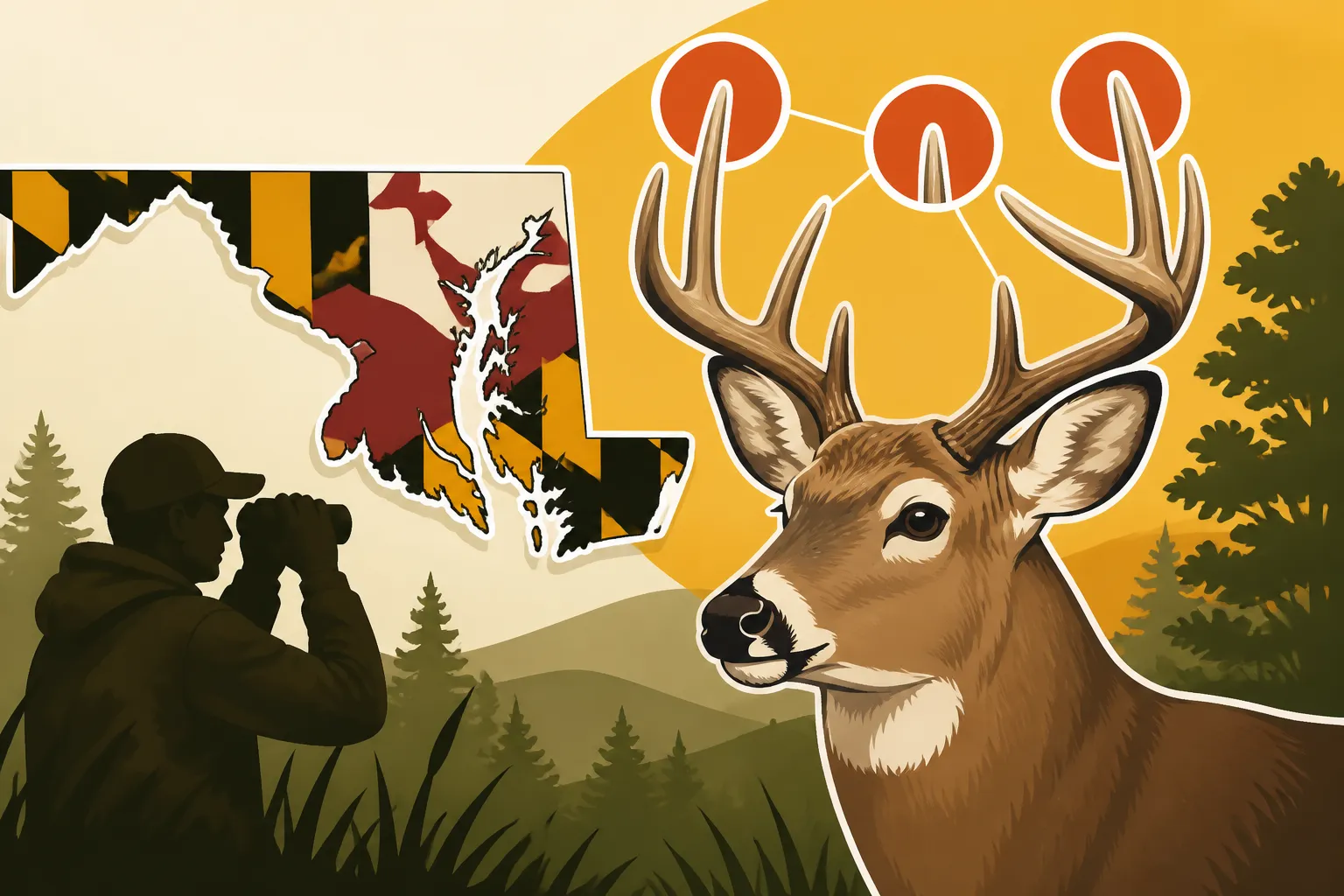
Hunting Around Maryland’s Three-Point Antler Rule
Oh, the Maryland three-point antler rule! If you've spent any time chasing deer in our beautiful state, you know this regulation can be a real head-scratcher, especially when you're staring down a buck and trying to make a split-second decision. It's not just about knowing the rule; it's about understanding its nuances, navigating different regions, and adjusting your hunting tactics to stay legal and ethical. This guide is here to untangle all that confusion, offering practical advice and a deeper dive into how to successfully hunt around Maryland's three-point antler rule.
Understanding the Maryland Antler Rule
Maryland's antler point restriction, often simply called the "three-point rule," was put in place to achieve specific deer management goals. For many hunters, it felt like an added layer of complexity, making what used to be a straightforward "buck or no buck" decision into a quick-fire geometry test. But once you break it down, it's actually quite logical and, arguably, beneficial for the herd in the long run.
The Basics of the Three-Point Rule
At its core, the three-point rule dictates that, with one crucial exception, any antlered deer harvested in Maryland must have at least three points on one antler. A "point" is generally defined as a projection of antler at least one inch long, measured from its base to its tip. It must also be longer than it is wide at its base. This definition is important because it clarifies what might seem like a small bump versus a legitimate point.
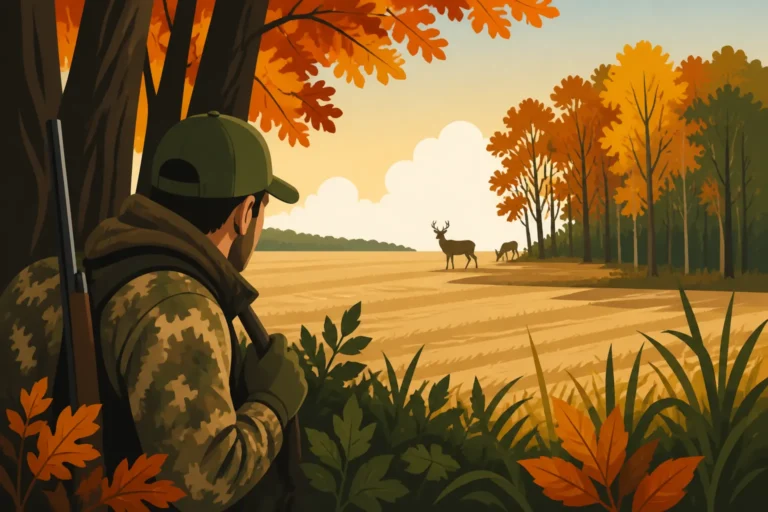
Think about it: you're sitting in your stand, the woods are quiet, and suddenly a buck steps out. Your heart races. Is it legal? You quickly count. If one side has three or more points meeting that one-inch criteria, you're good to go. It doesn't matter what the other side looks like – it could be a spike, a fork, or even broken off entirely. The rule specifically applies to one antler. This regulation aims to protect younger bucks, allowing them to mature and contribute to the gene pool for at least another year, ideally leading to older age classes and bigger antlers down the road. It forces hunters to be more selective, which can be tough in the heat of the moment, but it's a critical part of the state's long-term deer management strategy.
The "Bonus Buck" Exception
Now, here's where it gets interesting and can sometimes cause confusion. While most antlered deer must meet the three-point minimum, Maryland offers a specific exception, often unofficially called the "bonus buck" or "culled buck" tag. This exception allows hunters to take one antlered deer per license year regardless of the antler point restriction. This means you can harvest a spike, a two-point, or any legal antlered deer that doesn't meet the three-point rule, but you can only do it once.
This "any antlered deer" privilege is tied to your annual hunting license and is a crucial detail for planning your season. Many hunters reserve this tag for a specific situation: perhaps a young buck presents a perfect, close shot early in the season, or they might save it for a buck with unique, non-typical antlers that doesn't qualify under the three-point rule but is still a mature animal. It's a way to provide flexibility while still encouraging the protection of young bucks. Understanding Why One Buck Can Skip the Three-Point Rule is essential for maximizing your hunting opportunities while staying compliant. This exception is a lifeline for hunters who might otherwise pass on a perfectly good, albeit young, buck due to the restriction. It also provides an option if you mistakenly shoot a buck that doesn't meet the three-point rule – as long as it's your first antlered deer, you're still legal.
Why Maryland Implemented This Rule
Maryland didn't just wake up one day and decide to complicate hunting for no reason. The three-point antler restriction was implemented with specific biological and social goals in mind. Primarily, it's a quality deer management strategy. By requiring hunters to pass on younger bucks, the state aims to increase the number of older, more mature bucks in the population. This leads to a healthier herd structure, where a greater proportion of bucks are in their prime breeding years, and ultimately, larger antler sizes across the board.
Before the rule, intense hunting pressure on young, easy-to-harvest bucks often led to an imbalance, where very few bucks lived long enough to reach their full potential. This meant fewer mature bucks for breeding and a prevalence of younger animals. The rule shifts the hunting pressure, encouraging hunters to focus more on antlerless deer for population control and allowing bucks more time to grow. It's a long-term investment, and while some hunters initially found it frustrating, many now see the benefits in terms of seeing more mature deer and, yes, experiencing better hunting for larger bucks. This approach aligns with modern wildlife management practices focused on sustainable populations and high-quality hunting experiences.
Navigating Region A Versus Region B
Maryland is diverse, from the mountains of Western Maryland to the flat marshes of the Eastern Shore, and its deer management reflects that. The state is divided into two distinct deer management regions, creatively named Region A and Region B, and the antler rule, along with other regulations, is applied differently across these areas. This regional distinction is paramount for any deer hunter in Maryland.
Defining the Regions and Their Impact
Region A encompasses the westernmost counties: Garrett and Allegany. This area is characterized by vast, mountainous public lands, extensive timber, and a lower overall deer density compared to the rest of the state. Because of the different habitat and lower deer populations, the antler point restriction is not in effect in Region A. This means that in Garrett and Allegany counties, any antlered deer, regardless of antler points, is legal game as long as it's within your overall antlered bag limit.
Region B covers the remaining 21 counties of Maryland, stretching from Washington County east to the Eastern Shore. This is where the three-point antler restriction generally applies. Region B typically has higher deer densities, more agricultural land, and a mix of suburban and rural environments. The goal here is to manage a larger, often more accessible deer population, and the antler rule plays a crucial role in shaping the age structure of bucks. Understanding Hunting Maryland's Two Deer Management Regions is fundamental to knowing which rules apply to you on any given hunt. It's vital to know which region you're hunting in before you even head out to the woods, as ignoring this distinction can lead to serious legal issues.
Specific County Differences and Exemptions
While Region B generally observes the three-point rule, there are occasional specific exemptions or additional regulations to be aware of. For instance, sometimes certain management areas, like special deer management hunts on specific public lands, might have their own unique antler requirements or antlerless quotas that supersede the general rule for that brief period. These are usually communicated clearly by the Maryland Department of Natural Resources (DNR) in their annual hunting guide or on their website. It’s always your responsibility to double-check the regulations for the specific county and property you intend to hunt.
Even within Region B, there can be subtle variations that, while not directly impacting the three-point rule, might influence your overall bag limits or weapon choices. For example, some suburban counties have expanded Sunday hunting opportunities or specific deer management programs due to high deer populations. While these don't change the three-point rule, they highlight the need for hunters to delve into the localized rules. A tool like GoHunt can be invaluable here, offering detailed maps and regulation overlays that can quickly tell you about the specific rules for the parcel you're on, especially helpful in transition zones or when hunting close to county lines. Always confirm with the official DNR regulations.
Impact on Antlerless Harvest
The antler point restriction directly influences the strategy for harvesting antlerless deer. With hunters passing on younger bucks, the emphasis naturally shifts to taking antlerless deer to manage the overall population. This is particularly true in Region B, where antlerless quotas are often generous, and in some areas, mandatory. By focusing on does, hunters contribute significantly to herd health by keeping populations within ecological carrying capacity, reducing crop damage, and mitigating disease spread.
Many seasoned hunters will tell you that filling their antlerless tags first is not only a responsible hunting practice but also an effective way to stock the freezer. It also frees them up to be more selective for a mature, legal buck later in the season. Maryland's deer bag limits and antler rule are designed to work in tandem: the three-point rule for bucks encourages hunters to take does, ensuring a balanced approach to deer management. This comprehensive strategy helps maintain a healthy deer population and provides ample hunting opportunities for both antlered and antlerless deer throughout the state.
Strategies for Hunting Under the Antler Rule
Hunting under an antler point restriction requires a different mindset and set of skills than simply looking for "horns." It forces you to become a better observer, to exercise patience, and to make quick, confident decisions. It’s about becoming more selective and understanding deer behavior on a deeper level.
Patience and Target Identification
The most crucial strategy for hunting under the three-point rule is patience. You absolutely have to be willing to pass on young bucks that don't meet the criteria, even if they offer a perfect shot. This is often easier said than done, especially when a deer finally appears after hours of waiting. Many a hunter has felt that gut-wrenching feeling of a young buck walking past, only to regret not passing when a truly mature, legal buck shows up an hour later. It's about playing the long game.
Beyond patience, keen target identification is key. You need to be able to quickly and accurately count points. This means not just looking for "a lot" of points, but specifically locating and identifying three distinct points on one antler. Practicing point counting with photos or videos of deer before the season can significantly improve your ability to make that call in the field. When a buck steps out, resist the urge to immediately raise your weapon. Instead, take a moment to confirm legality. Is it a three-point on one side? Is it your bonus buck for the season? Counting Antler Points Before You Shoot is a skill developed through practice and discipline. Using good optics is also critical; a quality pair of binoculars can make all the difference in distinguishing points from tines or identifying a broken antler.
Focusing on Quality Over Quantity
The antler rule inherently shifts the focus from harvesting "any buck" to specifically seeking "quality bucks." This doesn't necessarily mean only trophy-class animals, but rather bucks that have had a chance to mature. This focus can significantly enhance the hunting experience, turning it into more of a chess match against an older, wiser animal. It often leads to hunters spending more time scouting, learning deer patterns, and understanding the subtleties of buck behavior.
By consistently passing on younger bucks, you’re not only following the rule but actively participating in the management of the local deer herd. This mindset can make you a more ethical and skilled hunter. Many hunters find that the challenge of patterning and eventually harvesting a mature, legal buck is far more rewarding than simply tagging the first antlered deer that walks by. This might mean fewer buck tags filled, but the quality of the experience, and the venison, is often considered superior. This approach complements the goal of allowing deer to reach a greater age class and fosters a healthier, more robust buck population over time.
Using Antlerless Tags Effectively
An often-overlooked but incredibly powerful strategy for hunting under the antler rule is to make full use of your antlerless deer tags. While the rule focuses on bucks, a healthy deer population relies on proper management of the doe harvest. In many areas of Region B, hunters have generous antlerless bag limits, and filling these tags is a critical part of herd management. This can also take pressure off the urge to shoot the first buck you see.
Many successful hunters prioritize filling their antlerless tags early in the season. This achieves several things: it puts venison in the freezer, helps control the local deer population, and removes the pressure of needing to "get something" later in the season, allowing them to be much more selective when a buck appears. Plus, focusing on does early in the season can provide valuable scouting opportunities, helping you learn deer movement patterns, identify food sources, and locate buck sign without the immediate pressure of an antlered deer decision. Remember, healthy does produce healthy fawns, and balancing the buck-to-doe ratio benefits the entire ecosystem. Don't underestimate the impact of effectively using your antlerless tags on your overall hunting success and satisfaction.
Common Misconceptions and Troubleshooting
Even with a clear understanding of the rules, the heat of the moment or unusual circumstances can lead to confusion. It’s important to address some common pitfalls and how to troubleshoot them in the field.
Distinguishing Young Bucks from Legal Bucks
This is arguably the trickiest part of the three-point rule. A young buck, often a year and a half old, might have small antlers with exactly three points on one side, making it a legal target. Another young buck might have short spikes or a small two-point rack, making it illegal unless it's your "bonus buck." The challenge is quickly and accurately assessing the antler configuration. What looks like a point from a distance might just be a knob, or a main beam that curves in a way that obscures a third point.
Experience is the best teacher here, but here are some tips:
- Look for mass and length: Younger bucks often have spindly antlers, while older bucks tend to have more mass and longer tines. While not a definitive rule for point counting, it can give you a clue about age.
- Focus on the antler base: Points must be at least one inch long from their base. This means looking at where the projection comes off the main beam or another point.
- Observe body size: While not always accurate, a truly mature buck often has a larger, more filled-out body, a thicker neck (especially during the rut), and a sway in its back compared to a yearling. However, a well-fed yearling can sometimes appear larger than its age.
- Use your optics: Don't rely solely on the naked eye. Use binoculars or your rifle scope (on a safe target) to get a clear view and carefully count.
It's a decision you have to make quickly, so practicing Passing a Young Buck Under Maryland's Antler Rule mentally before you even go afield can prepare you for the real scenario. If you have any doubt, it's always best to pass.
Dealing with Antler Damage or Abnormalities
Sometimes, a buck's antlers might be broken, abnormal, or non-typical, which can make point counting incredibly difficult. A buck might have broken off a tine fighting, or have a deformed antler due to injury. What do you do then? The rule states "three points on one antler." If a point is clearly broken off, it doesn't count. If it's an abnormal growth that doesn't meet the "longer than wide at base and one inch long" criteria, it also doesn't count.
This is where the "bonus buck" exception becomes invaluable. If you encounter a buck with antlers that are severely damaged or simply don't conform to the three-point rule but you still want to harvest it, you can use your one "any antlered deer" tag. This allows you to ethically harvest a deer that might be difficult to classify under the standard rule, or one that might not grow a full rack due to injury. It’s a good failsafe for these unique situations. Just remember, it’s a one-and-done deal for the season. If you've already used it, you must adhere strictly to the three-point rule for any subsequent antlered deer.
The Pressure of the Moment
Ah, the adrenaline dump! We've all been there. A deer steps out, and your heart feels like a drum solo. Your breathing gets shallow, and your hands might even shake a little. This "buck fever" makes quick, clear judgment incredibly difficult. This is exactly why practicing the identification skills, understanding the rules cold, and committing to patience beforehand are so important.
One way to combat the pressure is to take a deep breath. Slow down. Don't rush the shot. Tell yourself you have time to evaluate. If the deer is feeding or slowly walking, you usually have a few seconds to assess. If it's truly a questionable buck, and you feel the pressure overwhelming your ability to count points accurately, let it walk. There will always be another deer. It's far better to pass on a legal buck out of caution than to illegally harvest a non-legal one out of haste or uncertainty. Many hunters report that as they gain experience, the "buck fever" doesn't entirely disappear, but their ability to manage it and make clear decisions under pressure significantly improves.
Scouting and Pre-Season Prep with the Rule in Mind
The work for hunting under Maryland's three-point antler rule doesn't just happen during the season; it starts long before. Effective scouting and preparation are crucial for increasing your chances of finding and identifying legal bucks.
Utilizing Trail Cameras for Buck Identification
Trail cameras are an absolute game-changer for hunting under antler restrictions. They allow you to survey your hunting grounds 24/7 without being physically present, minimizing disturbance. But more importantly, they provide invaluable data on the bucks in your area. You can identify specific bucks, track their growth year after year, and, crucially, determine if they meet the three-point requirement on one side.
Set up your cameras early, even in late summer, to catch bucks in velvet. This is often the easiest time to count points, as the velvet makes them stand out. As the season approaches and velvet sheds, continue monitoring. Organize your photos by buck, giving them nicknames if it helps. This way, you can build a mental inventory of the legal bucks in your area. Knowing that "Twisty" or "Big Three" is around and meets the criteria can give you immense confidence when you finally encounter them in the woods. Platforms like GoHunt often integrate mapping and data tools that can help you manage your trail camera locations and findings, giving you a comprehensive view of your hunting area. Scouting Maryland Public Land With Aerial Photos combined with trail camera data can reveal key travel corridors where you might intercept these identified bucks.
Reading Sign for Mature Buck Activity
Beyond trail cameras, good old-fashioned woodsman skills are essential. Mature bucks leave different kinds of sign than younger deer. While all deer rub and scrape, mature bucks often create larger, more aggressive rubs on thicker trees and more prominent scrapes, particularly as the rut approaches. Learning to differentiate these signs can lead you to areas where older bucks are active.
Look for heavily traveled trails, especially those connecting bedding areas to food sources. During the rut, mature bucks will be cruising these areas, checking for does. Pay attention to rub lines leading to and from thick cover. A cluster of large rubs indicates a buck is repeatedly using that area. Similarly, fresh, active scrapes with an overhanging licking branch are prime locations. Learning to read these clues can give you a significant advantage in finding areas frequented by the kind of bucks you're allowed to harvest. This deep understanding of deer behavior helps you anticipate where and when a legal buck might appear, increasing your odds.
Understanding Buck Movement Patterns
Knowing when and where legal bucks are likely to move is vital. Buck movement is heavily influenced by time of year, weather, and food sources. Early season, bucks are often in bachelor groups and focused on high-energy food sources like standing soybeans, alfalfa, or acorns (if available). As the season progresses into late October and early November, bucks begin to shift their focus towards the rut. This is when they become less predictable, often traveling widely in search of does. Understanding Hunting the Rut in Early to Mid November is paramount for encountering mature bucks.
Later in the season, after the primary rut, bucks will revert to focusing on food sources to recover lost weight. Look for them around late season food sources for Maryland deer, such as standing corn, brassicas, or even evergreen cover providing thermal protection. Weather plays a huge role, too; a cold front often triggers increased movement. By combining trail camera data with observed sign and a good understanding of seasonal patterns, you can develop a solid strategy for intercepting a legal buck that meets the three-point rule. This comprehensive approach to scouting will put you in the best possible position when hunting season arrives.
Ethical Considerations and Responsible Hunting
Beyond simply following the rules, hunting around Maryland's three-point antler restriction also involves a strong commitment to ethical and responsible hunting practices. It’s about more than just a legal tag; it's about respect for the animal, the land, and the hunting tradition.
Making the Right Shot Decision
The three-point rule places a greater emphasis on precise shot placement and understanding your effective range. When you're making a split-second decision about antler points, it’s even more critical to ensure you have a clean, ethical shot opportunity. Passing on a questionable shot, even on a legal buck, is always the right call. A poorly placed shot leads to a wounded animal and a difficult, if not impossible, recovery.
Before you even squeeze the trigger, ask yourself:
- Is it legal? Have I clearly counted three points on one antler, or am I using my "bonus buck" tag?
- Is it an ethical shot? Do I have a clear, unobstructed shot at the vitals? Is the deer broadside or quartering away? What's behind the deer?
- Is it within my effective range? Am I confident in making this shot with my weapon at this distance?
If you can't confidently answer yes to all three, then you must pass. This commitment to ethical shooting practices reduces suffering for the animal and upholds the integrity of hunting. Your aim should always be a swift, humane kill.
Respecting the Resource and Other Hunters
Hunting under antler restrictions can sometimes create a sense of competition or frustration, but it's vital to maintain respect for the deer resource and your fellow hunters. The rule is in place for the long-term health of the herd and the quality of hunting. Adhering to it, even when it means letting a deer walk, is a form of respect for that resource.
It also means respecting other hunters. If you're on public land, understand that others are also trying to adhere to these rules. Avoid crowding, communicate clearly if you encounter others, and always be courteous. This applies to methods like Deer Drives on Maryland Private Ground where coordination and communication are key, even more so if different hunters are using their bonus tags or targeting specific bucks. Moreover, when sharing your experiences, avoid judgment towards those who might use their "bonus buck" tag on a smaller deer or have different hunting priorities, as long as they are legal and ethical. We're all out there for our own reasons, enjoying nature in our own ways.
Contributing to Herd Management
Ultimately, hunting around Maryland's three-point antler rule makes you a more active participant in wildlife management. By being selective for mature bucks and diligently harvesting antlerless deer, you are directly contributing to a healthier, more balanced deer herd in your area. This balance helps reduce disease transmission, minimize agricultural damage, and ensures a sustainable population for future generations of hunters.
Consider learning more about deer biology and population dynamics. Understanding why certain rules are in place, like Maryland's Deer Bag Limits and Antler Rule, deepens your appreciation for the complex ecosystem you are a part of. The three-point rule isn't just a hurdle; it's an opportunity to become a more informed, patient, and ethical hunter, playing a vital role in the conservation of Maryland's incredible deer resource.
Disclaimer
Please note that hunting regulations, seasons, and bag limits can change. While this guide provides comprehensive information, it is your responsibility as a hunter to consult the most current Maryland Department of Natural Resources (DNR) hunting guide and relevant county-specific regulations before heading afield. This content is for informational purposes only and does not constitute legal advice.