Packing a Bear Out of Savage River State Forest
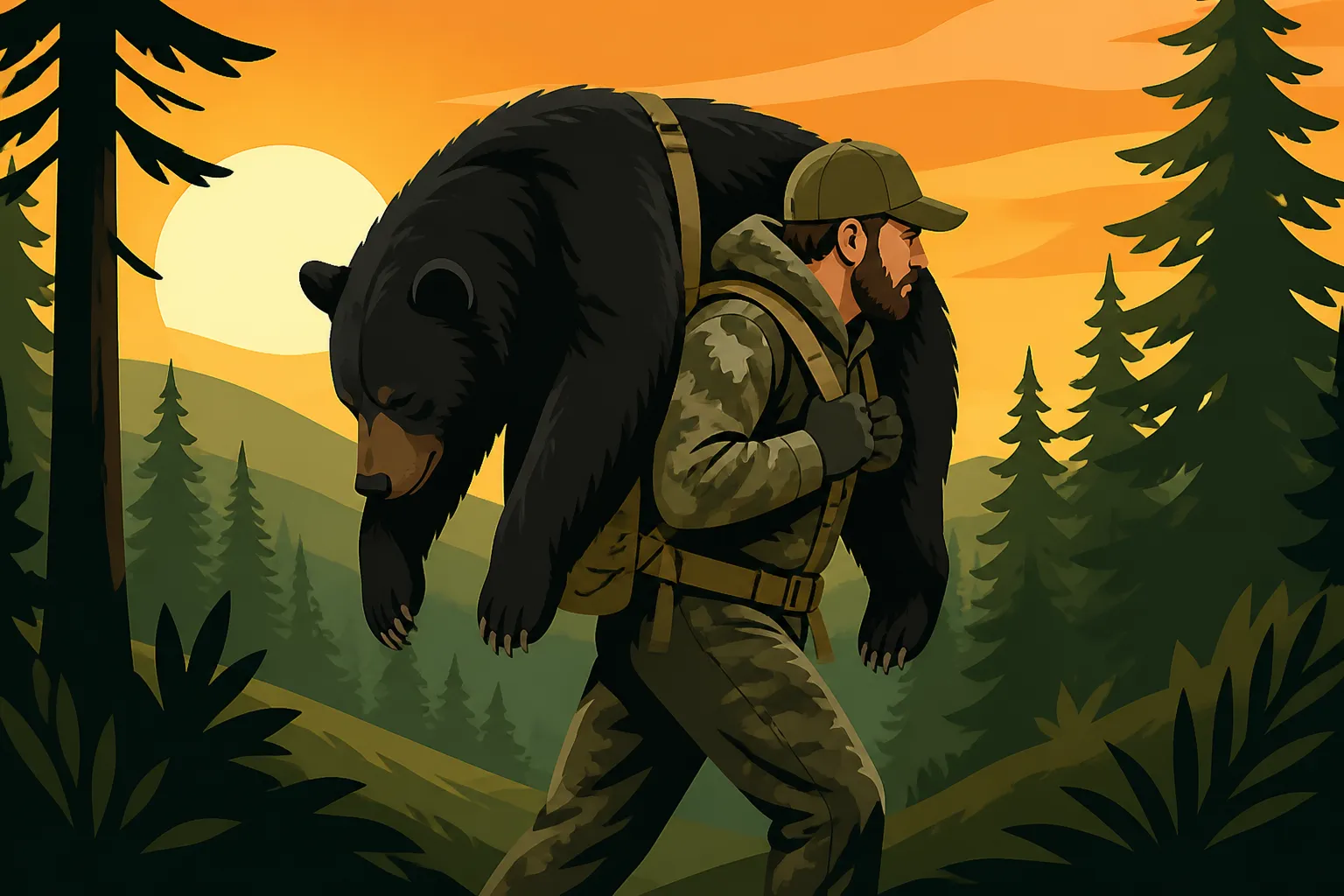
The adrenaline rush of connecting with a Maryland black bear is an experience unlike any other, a moment of triumph born from patience and skill. But then, reality sets in: that magnificent animal, often weighing hundreds of pounds, is now a long way from the truck, deep in the rugged, unforgiving terrain of places like Savage River State Forest. Getting that bear out whole, or even in pieces, is often the most physically demanding part of the entire hunt, a daunting challenge that can quickly turn elation into exhaustion and frustration if you're not prepared. This guide will walk you through the essential preparations, gear, and strategies needed to successfully pack a bear out of Maryland's challenging wilderness, ensuring your hard-earned harvest doesn't go to waste.
Preparing for the Monumental Task of Bear Recovery
Successfully packing a bear out of the backcountry isn't just about strength; it's about smart planning that begins long before you ever pull the trigger. The sheer size and weight of a black bear, especially a large Western Maryland bruin, means you need a rock-solid strategy in place to turn a successful hunt into a successful recovery. Neglecting this crucial phase can lead to spoiled meat, immense frustration, and even dangerous situations in the field.
Physical Conditioning and Realistic Expectations
Let's be real: carrying hundreds of pounds of meat and hide, often uphill, over uneven ground, is no walk in the park. A mature Maryland black bear can easily weigh between 200 to 500 pounds, sometimes even more. This isn't just about being "in shape" for hunting; it's about being prepared for a strenuous physical challenge akin to hauling a refrigerator through the woods. Your cardiovascular endurance, core strength, and leg power will all be put to the test.
Don't underestimate the physical toll. Start an exercise regimen that focuses on endurance and strength training well before the season. Incorporate exercises like squats, lunges, deadlifts, and rucksack carries with increasing weight. Hike with your pack loaded up. Even if you plan to quarter the bear, you’re still looking at carrying a substantial load multiple times. It's far better to over-prepare physically than to find yourself gasping for air and staring down a several-hundred-pound animal knowing you have to move it. This isn't just about your comfort; it's about ensuring you can safely and efficiently recover the animal without risking injury or spoilage.
Reconnaissance and Strategic Extraction Planning
Before you even step foot into Savage River State Forest, tools like GoHunt can be invaluable for pinpointing potential bear habitat and, crucially, planning your extraction. This area is known for its steep ridges, deep hollows, and dense timber, which can quickly make a short drag feel like an endless expedition. Don't just scout for bear sign; scout for recovery routes. Are there old logging roads, ATV trails (where legal), or gentler slopes that lead back to an accessible point? Knowing these avenues ahead of time can save you hours of grueling labor and potential backtracking.
Consider the time of day, weather, and proximity to roads. If you're hunting deep in the backcountry, a daytime kill might give you enough light for a full pack-out, but an evening harvest could mean an overnight stay or a very late night under headlamps. When scouting, mark potential "bail-out" routes and extraction points on your GPS or mapping app. This foresight, combined with a solid understanding of the terrain you're traversing, is your best defense against a nightmare scenario. Remember, knowing how to get into an area is one thing; knowing how to get out of it with a massive load is entirely another. Consider how you'd manage if you had to recover a bear deep in the vastness of How Many Acres Savage River State Forest Covers, far from any easy access.
Essential Gear for Bear Recovery in the Field
When you're staring down a harvested bear in the remote reaches of Western Maryland, the right gear can make the difference between a smooth, albeit tough, recovery and a truly miserable experience. This isn't a situation where you want to improvise with inadequate tools. Every item in your pack should serve a purpose in helping you efficiently and safely transport your prize.
Field Dressing and Processing Tools
A quality knife is paramount. You'll need one that holds an edge well and is comfortable to use for extended periods. Carry a sharpener, too; field dressing a large bear will dull even the best blade. Many hunters also carry a bone saw for quartering the animal, which significantly speeds up the process and makes for cleaner cuts. Don't forget heavy-duty latex or nitrile gloves to maintain hygiene and protect your hands, as bear fat can be quite greasy and messy.
Game bags are non-negotiable. These breathable cloth bags protect your meat from flies, dirt, and debris while allowing it to cool effectively. Choose robust, reusable bags designed for large game. You’ll want at least four large bags for the quarters, plus one or two smaller ones for backstraps, tenderloins, and miscellaneous meat. Having these items on hand ensures that once the bear is down, you can immediately begin processing it to preserve the meat quality, especially during warmer early season hunts or if you're Hunting Bear in Maryland's Six-Day Season and need to move quickly.
Transport and Safety Gear
A heavy-duty frame pack is your best friend for hauling bear meat. Look for one with a robust frame, comfortable padding, and strong lashing straps capable of securing heavy, awkward loads. Some packs are specifically designed with a meat shelf or special compartments. Alongside your pack, bring at least 50 feet of sturdy rope. This can be used for dragging the bear, hanging meat to cool, or assisting with steep ascents and descents. A basic pulley system can also be a lifesaver for lifting or dragging heavy quarters, especially if you're working alone.
Safety should always be a top priority. A reliable headlamp with extra batteries is crucial, even if you plan to be out before dark. Things can go sideways quickly, and you don't want to be navigating Wind and Thermals in Western Maryland Terrain in the pitch black without adequate light. A comprehensive first-aid kit is also a must, equipped for cuts, scrapes, blisters, and potential slips or falls on steep terrain. Finally, a fully charged cell phone (with a portable charger) or a satellite communication device is essential for emergencies or for simply checking in with your hunting party. While onX Hunt is popular, don't forget other robust mapping platforms like GoHunt that offer similar features for tracking your movement and sharing your location.
| Item | Purpose | Considerations |
|---|---|---|
| Fixed Blade Knife | Field dressing, skinning, quartering | Full tang, sharp, comfortable grip, easy to clean |
| Knife Sharpener | Maintain sharp edge during processing | Small, lightweight, effective on various blade types |
| Bone Saw | Efficiently separate joints and cut through bone | Foldable, sturdy, clean cutting action |
| Heavy-Duty Game Bags | Protect meat, allow cooling, aid in carrying | Breathable, robust, large enough for bear quarters (4-6 bags) |
| Latex/Nitrile Gloves | Hygiene, protection from blood/fat | Multiple pairs, durable |
| Frame Pack (Internal/External) | Transport heavy loads (meat, hide) | Ergonomic, sturdy frame, good hip belt, compression straps, meat shelf preferred |
| Strong Rope (50ft+) | Dragging, hanging, securing loads, emergency | Durable, non-stretch, good knot-holding ability |
| Headlamp with extra batteries | Illumination, especially for night recovery | Bright, long-lasting, waterproof |
| First-Aid Kit | Treat injuries, basic medical needs | Comprehensive for backcountry situations |
| GPS/Mapping App (GoHunt) | Navigation, marking kill site/routes, sharing location | Reliable battery life, pre-downloaded maps for offline use |
| Water & Snacks | Hydration, energy during strenuous effort | Ample supply for unexpected delays |
| Firearm/Protection | Personal safety, finishing shot if needed | Securely carried, accessible |
Field-Dressing and Sectioning a Bear for the Pack
Once your bear is down, the clock starts ticking, especially if temperatures are mild. Bears have a thick layer of fat, which acts as an excellent insulator. This means their core temperature can remain high, leading to rapid spoilage of the meat if not processed and cooled quickly. Understanding how to efficiently field-dress and section a What a Western Maryland Bear Weighs is critical for preserving your harvest.
Initial Field Dressing and Cooling
The very first step, after ensuring the animal is dispatched humanely and safely, is to get the guts out. This allows the body cavity to start cooling immediately. Roll the bear onto its back, carefully make an incision from the sternum to the pelvis, circling the anus. Be extremely careful not to puncture the intestines. Once opened, reach in and sever the esophagus and trachea as high as possible, then pull out the internal organs. If you're planning a full skull mount, be mindful of not damaging the skull and neck.
Once the organs are removed, prop open the chest cavity with a stick or two to allow air circulation. If possible, wipe out any excess blood with clean cloths or paper towels. In warmer conditions, you might consider packing the cavity with snow or ice if available, though this is rare in Maryland's bear season. The goal here is to reduce the bear's internal temperature as quickly as possible. This rapid cooling prevents bacterial growth and helps ensure the meat remains high quality for the journey out. You might be deep in the woods, far from immediate cooling options, so efficiency is paramount.
Skinning, Quartering, and Boning Out
For a large bear in rugged terrain, it’s almost always more practical to skin and quarter the animal on site rather than attempting a full drag. This significantly reduces the weight and bulk you need to transport. Begin by skinning the bear, being careful not to cut into the hide if you plan on having it tanned or mounted. Once skinned, separate the four quarters at the joints, using your bone saw or a strong knife to sever any connective tissue or bone. The front shoulders typically come off first, then the hindquarters.
You'll also want to remove the backstraps and tenderloins, which are prime cuts. For even lighter loads, consider boning out the meat from the quarters. This involves carefully cutting the meat off the bone, leaving the bone behind. While this adds time to the field processing, it can reduce the weight of each load by 20-30%, making subsequent trips significantly easier, especially when navigating steep slopes and thick brush in Savage River State Forest. Place all meat, including the hide, into separate game bags. Remember, bear fat has a unique texture and can be rendered down, but for packing, it’s often best to remove excessive fat to further reduce weight and mess, especially if you have a long way to go. Don't forget to collect the skull if you intend to register the bear or pursue a mount – it’s a heavy but essential part of your trophy.
Strategies for Hauling and Extraction in Savage River
The actual hauling of a bear out of Savage River State Forest is where your physical and mental fortitude truly come into play. This is a battle of wills against gravity, terrain, and sheer exhaustion. Having a clear strategy and the right mindset can make all the difference.
Navigating the Savage River Terrain
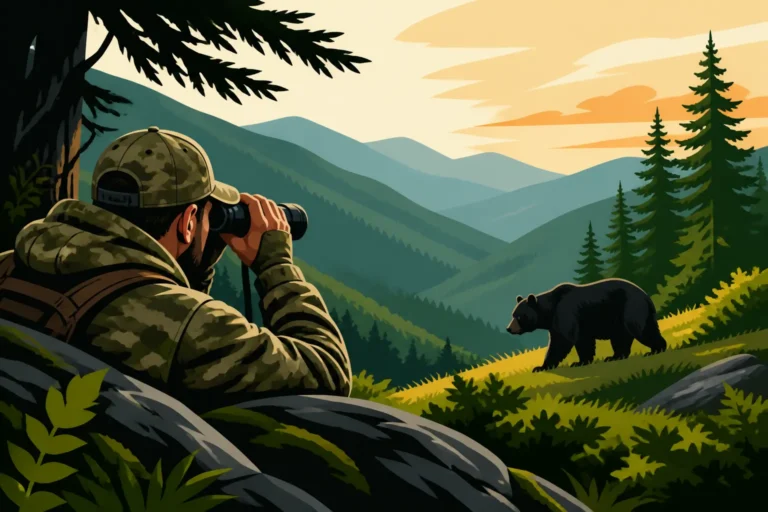
Savage River State Forest, part of Maryland's rugged western mountain region, presents unique challenges for bear recovery. The terrain is often steep, covered in dense timber, and crisscrossed with rocky drainages and overgrown logging roads. What looks like a short distance on a map can become an arduous trek with 100+ pounds on your back. When you're studying the contours and topography on a mapping app like GoHunt, look for saddles, old logging roads, or gentler drainages that might offer a less strenuous path. Often, the path of least resistance isn't a straight line.
If you harvested the bear near a stream or creek, consider if that waterway offers a passable route, but always prioritize safety – swift water and slippery rocks can be dangerous. Be aware of your surroundings, footing, and potential obstacles. It's often safer to make multiple trips with lighter loads than to attempt one heroic, dangerous haul. Understanding the nuances of Hunting Maryland's Western Mountain Forests means respecting the mountains, knowing their unforgiving nature, and planning accordingly for heavy lifting. Even if you're not planning to Camping Rules on Maryland State Forest Land, knowing where the established trails and forest roads are can be invaluable for pinpointing extraction points.
Teamwork and Efficient Carrying Techniques
While a solo hunter can pack out a bear, having a partner or a team exponentially increases efficiency and safety. If you hunt with a group, establish roles: one person navigating, others carrying, rotating heavy loads. Communication is vital. If you’re lucky enough to draw a permit through Maryland's Black Bear Lottery and succeed, don't hesitate to call for assistance from friends or family if you can safely guide them to your location. Sharing your location and planned extraction route with your hunting partners or a trusted contact is easier than ever with apps like GoHunt.
For carrying, a quality frame pack is indispensable. Load the heaviest parts (quarters) low and close to your back for better balance. If you've boned out the meat, distribute it evenly among game bags and then into your pack. When dragging the hide or large sections, use rope or a drag harness to save your back. In very steep or difficult terrain, improvised drag sleds or even tarps can help slide smaller sections, though these are less effective in dense timber. Remember, gravity is your friend on the downhill, but your enemy on the way up. Take frequent breaks, stay hydrated, and don't push yourself to the point of injury. Sometimes, the most efficient strategy is to make two or three trips, leaving some meat hanging safely and securely in game bags to cool while you retrieve the first load. For those considering Black Bear Hunting in Western Maryland, this recovery strategy is as important as the hunt itself.
Final Steps and Post-Recovery Considerations
Once you've painstakingly moved every last piece of that hard-earned bear out of Savage River State Forest, the work isn't quite done, but the heaviest lifting is behind you. Now, it's about proper care to ensure the meat is handled safely and legally.
Meat Care and Processing
Upon reaching your vehicle, immediately transfer all meat and the hide into coolers packed with ice. Bears, with their thick fat layers, need aggressive cooling to prevent spoilage, even more so than deer. If you've quartered or boned the meat in the field, ensure it's well-chilled before taking it to a processor. If you plan to process the meat yourself, get it on ice quickly and start butchering as soon as possible. Bear meat is excellent, often resembling pork or beef, but proper care is essential to its taste and quality.
Don't forget about the hide. If you plan to tan it or have a rug made, get it on ice and take it to a taxidermist or tanner promptly. The hide can spoil just as quickly as the meat. Ensure all parts of the bear that you plan to keep are properly tagged and accounted for according to Maryland DNR regulations.
Registration and Ethical Considerations
Maryland requires all harvested black bears to be registered. This is typically done at designated check stations or online through the Maryland Department of Natural Resources (DNR) COMPASS system. Be prepared to provide information about where and when the bear was harvested. This data is crucial for wildlife management and helps the state monitor the health and population of its bear herd.
Beyond the legal requirements, remember the ethical responsibilities that come with harvesting such a magnificent animal. Take only what you can use, and ensure no meat goes to waste. The effort of Scouting Bear Sign in Garrett County and the incredible physical exertion of packing out a bear should reinforce the value of the animal and the privilege of hunting it. Every part of the experience, from the scouting to the shot to the brutal pack out, is part of Hunting Savage River State Forest and should be treated with respect and gratitude.
Disclaimer
Please note that hunting regulations, seasons, and licensing requirements can change. Always consult the latest Maryland Department of Natural Resources (DNR) guidebooks and regulations before planning any hunting activity. This guide provides general information and recommendations but does not replace official state regulations or proper hunter education. Safety should always be your top priority in the field.