Hunting Geese in Maryland’s Late Western Zone
Hunting geese in Maryland's Late Western Zone presents a unique set of challenges and opportunities for hunters. Unlike the vast agricultural fields of the Eastern Shore or the expansive waters of the Chesapeake Bay, the mountainous terrain and distinct weather patterns of Garrett and Allegany counties demand a different approach. Many hunters feel frustrated trying to apply Eastern Shore tactics to this very different landscape, often leaving them scratching their heads as geese seem to vanish or simply fly too high. This comprehensive guide will walk you through the specifics of goose hunting in Maryland's Late Western Zone, helping you understand the regulations, refine your strategies, and equip yourself for success when the temperatures drop and the season draws to a close.
Understanding Maryland's Late Western Zone for Geese
Maryland is divided into several waterfowl hunting zones, each with its own season dates and bag limits. The Western Zone is distinct, particularly for Canada geese, as it often has a late season extension designed to capture migrating birds moving through or to target resident populations in this unique habitat. This late season can offer some fantastic hunting, but it requires a solid understanding of the birds, the terrain, and the specific rules that apply.
Defining the Western Zone Boundary and Season Dates
The Maryland Department of Natural Resources (DNR) clearly defines the Western Zone, which primarily encompasses Garrett and Allegany counties. These are the two westernmost counties in Maryland, characterized by their mountainous topography, extensive forests, and agricultural pockets nestled in valleys. The season dates for Canada geese in this zone often differ significantly from the Atlantic Population (AP) Zone or the Resident Population (RP) Zone that cover much of the rest of the state. It's not uncommon for the Western Zone to have a Canada goose season that stretches well into February, sometimes even into early March, long after seasons in other zones have concluded. This extended season is a major draw for hunters looking for one last opportunity to chase geese before spring.
Checking the most current Maryland DNR hunting guide is absolutely crucial, as dates and specific regulations can shift year to year. You'll want to pay close attention to the Maryland Waterfowl Zones and Season Dates section to ensure you're compliant. Typically, the late Western Zone season might coincide with some of the coldest weather of the year, bringing with it ice, snow, and frozen ground. These conditions dictate both how geese behave and how hunters must prepare. Understanding these precise dates and boundaries is the first step in planning a successful hunt.
Typical Goose Behavior in Colder Climates
When cold weather hits Garrett and Allegany counties, goose behavior undergoes significant changes compared to warmer periods. Geese become much more focused on finding reliable food sources and sheltered roosting areas, often hunkering down to conserve energy. Fields of cut corn, winter wheat, and rye become prime destinations. However, unlike the massive flocks seen on the Eastern Shore, you might encounter smaller, more scattered groups of geese. These birds are often wary, having been hunted for months, and will readily shy away from anything that looks out of place. They might also be more inclined to sit out in large, open fields where they have an unobstructed view for hundreds of yards, making decoy spreads and concealment even more critical.
Additionally, as shallow water sources freeze over, geese will seek out larger, deeper bodies of water that remain open, such as larger rivers or spring-fed ponds. This can concentrate birds, making these areas productive if you can secure access. Snow cover can also drastically change patterns, sometimes pushing birds to fields with less snow or to areas where farmers have been spreading manure, which can expose hidden grains. Observing how birds react to these changes in temperature and precipitation is key to patterning them. A service like GoHunt can be invaluable for pinpointing historical flight paths and potential roosting sites, giving you an edge in these conditions.
Bag Limits and Special Regulations
The bag limits for Canada geese in Maryland's Late Western Zone are generally distinct from other zones, particularly the Atlantic Population Zone which often has more conservative limits. While the specific numbers can vary annually, the Western Zone typically allows for a more generous bag limit, reflecting the presence of both resident birds and perhaps different migration patterns that don't impact the overall Atlantic Flyway population as directly. It's not uncommon to see limits of 3 or 5 Canada geese per day in this zone, but again, always consult the current DNR regulations. Ignoring these specific rules can lead to serious legal trouble and fines.
Beyond bag limits, there might be other special regulations to consider, such as shooting hours, specific weapon restrictions, or requirements for non-toxic shot. All migratory bird hunters must possess a valid Maryland hunting license, the appropriate stamps (including a federal duck stamp and the Maryland Migratory Game Bird Stamp), and be registered with the Harvest Information Program (HIP). You can find more information about these general requirements in our guide on Federal Duck Stamp Rules for Bird Hunters and HIP Registration for Migratory Bird Hunters. Always double-check county-specific rules as well, as some areas might have restrictions on certain types of firearms or hunting near populated areas.
Effective Strategies for Late Season Goose Hunting
Late-season geese in Maryland's Western Zone are smart, wary, and often face challenging weather conditions. You can't just throw out a dozen decoys and expect them to come pouring in. Success in this environment hinges on meticulous scouting, adaptable decoy setups, and impeccable concealment.
Scouting and Locating Key Areas
Scouting becomes paramount in the late season. With fewer birds and more pressure, locating the exact fields where geese are feeding is critical. This means spending time driving rural roads at dawn and dusk, looking for concentrations of birds. Pay close attention to cut cornfields, winter wheat, and any fields where agricultural activity might have turned up fresh forage. Geese will often hit the same fields day after day until the food source is depleted or they are heavily pressured. Look for droppings, feathers, and tracks as indicators of recent use.
Beyond feeding fields, try to locate reliable roosting sites. These are typically larger, undisturbed bodies of water, often tucked away from roads and human activity. Observing flight lines between roosts and feeding areas will give you a major advantage. Using aerial photos, whether on a physical map or a digital tool like GoHunt or onX Hunt, can help identify potential feeding fields, water sources, and access points. These apps are excellent for pinpointing property lines, which is crucial for Getting Private Land Permission in Maryland. Remember, these are often smaller, family-owned farms, and a polite, well-prepared request for permission can go a long way.
Decoy Spreads and Calling Techniques
When it comes to decoys, less is often more with wary late-season geese, but quality over quantity is key. A spread of 1-2 dozen realistic full-body decoys can be more effective than a huge spread of less convincing shells or silhouettes. Position your decoys to simulate a relaxed flock, with some feeders, some sentries, and perhaps a small family group. Always set your spread upwind of your blind, leaving a landing zone directly in front of you. This forces geese to commit to flying over your position. In snowy conditions, white rags or "snow goose" decoys can sometimes be used sparingly to break up the dark mass of Canada goose decoys, making the spread look more natural against a white backdrop.
| Decoy Type | Pros | Cons | Best Use |
|---|---|---|---|
| Full-Body | Highly realistic, visible | Bulky, expensive, heavy to transport | Wary birds, smaller spreads, permanent setups |
| Shells | Lighter, stackable, more affordable | Less realistic from certain angles, less 3D | Larger spreads, moderate realism |
| Silhouettes | Very light, compact, inexpensive | Least realistic, flat appearance | Supplementing larger spreads, high visibility |
| Floaters | Essential for water hunting | Limited to water, can be affected by current | Roosts, small ponds, rivers |
Calling is another critical skill. Late-season geese have heard it all, so subtle, realistic calling is usually more effective than aggressive hailing. Focus on soft clucks, moans, and murmurs that mimic a contented flock feeding on the ground. Only use a loud hail call if geese are high and passing by, and then quickly switch to quieter finishing calls as they respond and begin to descend. Sometimes, no calling at all is the best calling, especially if the birds are already locked on your spread. Practice your calling regularly, and listen to real geese to understand the nuances of their vocalizations.
Concealment is Non-Negotiable
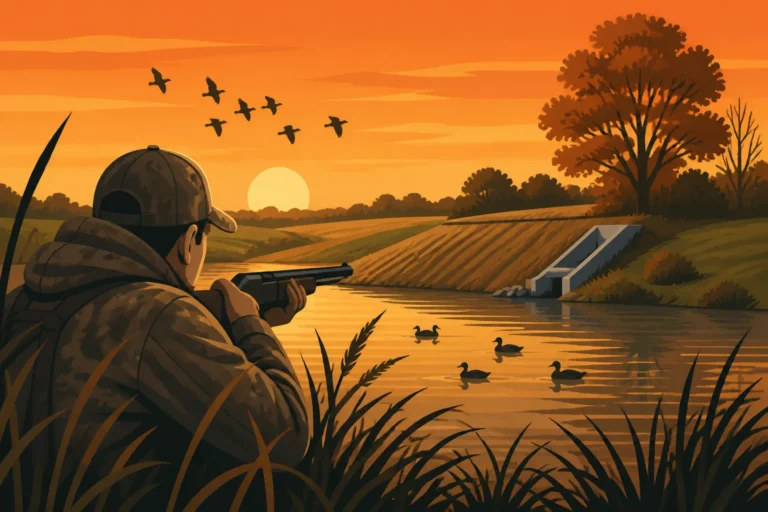
Geese have incredible eyesight, and in the late season, they've learned to spot anything out of place. This means your blind and your personal concealment must be absolutely perfect. Pit blinds are ideal if you have permission to install one, as they offer the most natural, ground-level hide. If using a layout blind, ensure it's brushed in meticulously with natural vegetation from the surrounding field. Don't just toss a few stalks of corn on it; really make it disappear into the stubble or cover.
When hunting from a fence line or hedgerow, use natural cover to break up your outline. Camouflage clothing is a must, and avoid anything shiny or reflective. Many hunters use face masks or paint to eliminate glare from exposed skin. Consider wearing a Blaze Orange Requirement vest when walking to and from your blind for safety, but remove or cover it completely once you're set up. Even a bright watch or phone screen can flare geese, so take every precaution to become invisible to those sharp eyes overhead. Remember, geese are often coming in lower in colder conditions, making your hide even more critical.
Gear and Logistics for Western Zone Goose Hunting
Hunting in the late season in Western Maryland often means contending with frigid temperatures, snow, and ice. Your gear choices and logistical planning become as important as your hunting skills. Being prepared for the elements will not only make you more comfortable but also more effective.
Essential Cold Weather Apparel
Staying warm and dry is paramount when hunting late-season geese. Layering is the name of the game. Start with a moisture-wicking base layer (merino wool or synthetic, never cotton) to pull sweat away from your skin. Add insulating mid-layers, such as fleece or down, to trap warmth. Your outer layer should be waterproof and windproof, protecting you from snow, freezing rain, and biting winds. Think about brands like Sitka, KUIU, or even robust options from Cabela's or Bass Pro Shops that are designed for extreme cold. Don't forget insulated gloves, a warm hat that covers your ears, and waterproof, insulated boots rated for sub-zero temperatures. Hand warmers and toe warmers are your best friends on those bone-chilling mornings.
A good pair of chest waders or hip boots might also be necessary if you anticipate retrieving birds from icy water or crossing small ditches. Our guide on Hip Boots Versus Chest Waders in Sika Country offers a good comparison, even though it's for Sika, the principles of staying dry in cold water are the same. Having an extra set of dry clothes in your vehicle is always a smart move, just in case you get wet. Nothing ends a hunt faster than being soaked and cold.
Shotguns and Ammunition Selection
For Canada geese, a 12-gauge shotgun is the standard, offering the versatility and stopping power needed. A 3-inch or 3.5-inch chamber provides options for heavier loads, which can be beneficial for those longer shots on high-flying geese or for quickly dispatching birds. Choke selection is critical; modified or improved modified chokes are popular for decoyed birds, offering a dense pattern at typical shooting ranges. For pass shooting or higher birds, a full choke might be preferred, but be sure to pattern your shotgun with your chosen ammunition to see how it performs.
Non-toxic shot is legally required for all waterfowl hunting in Maryland. Steel shot is the most common and economical choice, but alternatives like bismuth, tungsten-iron, or heavier-than-steel options (e.g., Kent Bismuth, Winchester Blind Side, Federal Black Cloud) offer superior performance, especially in terms of energy retention and pattern density. These premium loads can be more expensive, but they can significantly increase your effective range and reduce cripples, which is especially important in colder weather where tracking can be difficult. For Canada geese, shot sizes like BB, BBB, or T are generally favored for their knockdown power.
Transportation and Retrieval in Western Maryland
The Western Zone's mountainous landscape means you might be dealing with steep hills, muddy roads, or snow-covered tracks. A reliable 4×4 vehicle is often a necessity, especially if you're venturing off paved roads onto farm tracks. Consider chains for your tires if heavy snow is in the forecast. Walking into fields can be taxing, particularly when carrying heavy gear like decoys, blinds, and shotguns. A good decoy bag or sled can make transporting your gear much easier across snowy or muddy ground.
Retrieving downed geese can also be a challenge. If hunting near water, a trained retriever is invaluable. For field hunts, having a plan for retrieving birds, especially if they sail after being hit, is important. A good GoHunt mapping system can help you mark where a bird goes down and navigate to it, even in thick cover or at last light. It's also wise to have a field dressing kit, sturdy game bags, and a cooler with ice (even in cold weather) to properly care for your birds once they're retrieved. Remember, you might be a decent walk from your vehicle, so be prepared to pack out your harvest.
Navigating Regulations and Maximizing Your Hunt
Hunting in Maryland's Late Western Zone isn't just about finding the geese; it's also about respecting the law and ensuring a safe, ethical hunt. Understanding the full scope of regulations and being a responsible hunter will contribute to a more enjoyable and successful experience for everyone.
Understanding Maryland's Legal Weapons by County
While the 12-gauge shotgun is king for waterfowl, it's important to be aware of other legal weapon restrictions, especially if you're hunting other species in the same general area or considering different methods. Maryland has specific Maryland's Legal Weapons by County for deer and other game, but for waterfowl, shotguns with non-toxic shot are the primary legal method. Always ensure your shotgun is plugged to hold no more than three shells (one in the chamber, two in the magazine) as required for migratory bird hunting.
It's also worth noting that in certain situations or for other game, Western Maryland counties like Garrett and Allegany typically allow for a broader range of firearms compared to more densely populated counties. However, these specific allowances generally do not apply to waterfowl hunting. Strict adherence to federal and state migratory bird laws is crucial. Any violation can result in significant fines, loss of hunting privileges, and even confiscation of equipment. Play it safe and stick to the established rules for waterfowl.
Respecting Private Land and Public Access
Much of the prime goose hunting in Maryland's Western Zone will be on private agricultural land. Gaining Getting Private Land Permission in Maryland is often the key to consistent success. Approach landowners respectfully, ideally in person and well in advance of the season. Offer to share some of your harvest, help with farm tasks, or simply respect their property by cleaning up after yourself. Building a good relationship with a landowner can secure you hunting access for years to come. Utilize mapping apps like GoHunt to clearly identify land ownership and avoid trespassing, which can damage future hunting opportunities for everyone.
While public land for waterfowl hunting is less common in the Western Zone compared to some other regions, there are still opportunities. Maryland's Wildlife Management Areas (WMAs) and certain State Forests may offer waterfowl hunting in specific locations. Always check the individual WMA rules and regulations, as some may require special permits, online registration, or have specific access points. You can find more details about these opportunities in our comprehensive guide on Maryland's Wildlife Management Areas. When hunting public land, be prepared for more competition and ensure you understand boundaries and regulations to avoid conflicts with other hunters.
Ethical Hunting and Safety Practices
Ethical hunting isn't just about following the law; it's about respecting the game, the land, and other hunters. Take responsible shots within your effective range to minimize crippling birds. If you do cripple a bird, make every effort to recover it quickly and humanely. This might mean having a good retriever, a boat if hunting water, or the willingness to track it over difficult terrain. Leaving crippled birds unrecovered is unethical and a waste of the resource.
Safety should always be your top priority. Ensure you know where your hunting partners are at all times, especially in a layout blind setup where visibility can be limited. Always identify your target clearly before shooting, and never swing your gun past other hunters. Wear appropriate Maryland Blaze Orange Requirements when walking to and from your hunting spot, especially during periods when other hunting seasons (like deer) are open. Communicate clearly with your hunting party, especially about where birds are coming from and when to call the shot. These practices ensure not only your safety but also a positive experience for everyone afield.
Disclaimer
Please note: Hunting regulations, season dates, and bag limits are subject to change annually by the Maryland Department of Natural Resources (DNR). It is the hunter's responsibility to consult the most current Maryland Hunting & Trapping Guide or the DNR website before engaging in any hunting activity. This guide is for informational purposes only and should not be considered a substitute for official regulations. Always prioritize safety and ethical hunting practices.