Small Game Season Dates and Daily Limits
For many Maryland hunters, the focus often narrows to whitetails or the thrilling waterfowl action of the Chesapeake Bay. But let's be honest, those seasons can feel too short, the pressure too high, or the opportunities too limited for consistent action. If you've ever felt the itch to extend your time afield, hone your shooting skills, or simply enjoy a more relaxed hunt with fewer crowds, you might be overlooking the incredible world of small game hunting right here in our state. Understanding the ever-important small game season dates and daily limits is your first step to unlocking these often-underutilized resources and creating new, cherished memories in the Maryland outdoors.
Understanding Maryland's Small Game Landscape
It's easy to get caught up in the big game pursuit, the allure of a trophy buck or a limit of greenheads, but Maryland offers a fantastic array of small game species that provide equally rewarding, albeit different, experiences. From the acrobatic gray squirrel to the elusive woodcock, these smaller quarry can keep you engaged throughout the fall and winter, often requiring a keen eye, patient stalking, and quick reflexes. Ignoring small game means missing out on a significant portion of what our diverse landscapes have to offer.
Why Small Game Hunting Matters in Maryland
Beyond the undeniable excitement of pursuing deer or ducks, small game hunting serves several vital roles for hunters in Maryland. For starters, it's an incredible training ground. The skills you develop while pursuing squirrels or rabbits—like silent movement, reading subtle sign, understanding wind and thermals, and making quick, decisive shots—are directly transferable to larger game. It sharpens your senses and makes you a more effective hunter overall. Think of it as a constant, low-stakes practice session for your deer and turkey hunts.
Moreover, small game hunting is often far more accessible, especially for new hunters or families. Public lands, smaller woodlots, and field edges that might not hold a trophy buck often teem with squirrels and rabbits. The seasons are typically longer, and the pressure is generally lighter than during peak deer firearms season. This creates a much more forgiving environment for introducing youth to hunting. There's nothing quite like watching a child's face light up after spotting their first squirrel or flushing a rabbit from a thicket. It builds a connection to the outdoors that can last a lifetime, fostering a deep respect for wildlife and the hunting tradition. It’s also an excellent way to keep a bird dog sharp, offering countless retrieves throughout the season.
Key Small Game Species You'll Encounter
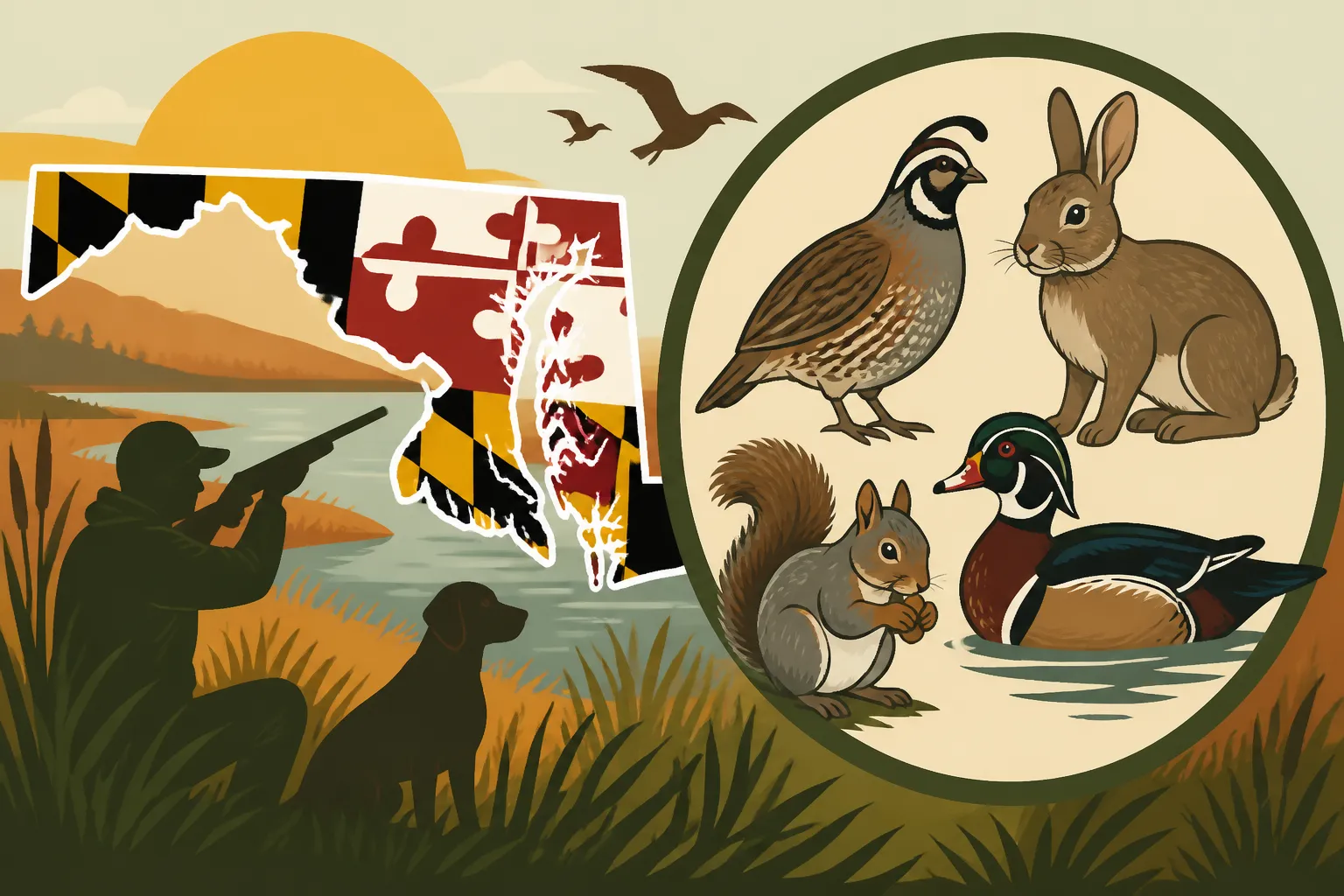
Maryland boasts a healthy population of several popular small game species, each offering a unique challenge and experience. The most commonly pursued include squirrels (both gray and fox squirrels), cottontail rabbits, ring-necked pheasants (primarily through put-and-take programs), and various migratory birds like mourning doves, woodcock, and snipe. Beyond these, furbearers like raccoons and opossums offer additional opportunities, often extending well into the colder months.
Gray squirrels are abundant across most of Maryland's hardwood forests, particularly where oak and hickory trees provide ample food sources. Fox squirrels, while less common in some areas, are also present, especially in the western counties. Cottontail rabbits thrive in brushy cover, hedgerows, and the edges of fields, making them a common sight on many farms and rural properties. Pheasants are not native to Maryland and are typically stocked on specific public hunting areas for dedicated "put-and-take" hunts. Mourning doves are migratory and are often found concentrated in agricultural fields, especially those with sunflowers or cut grain. Woodcock and snipe, also migratory, prefer moist, brushy cover and wetland edges. And then there are raccoons and opossums, common residents of both rural and suburban environments, often pursued at night with hounds. Each of these species offers a distinct type of hunt, catering to different preferences and available habitats, ensuring that there's always something to chase. To learn more about the diverse range of small game you might encounter, you can explore detailed information on Small Game Species in Maryland.
Squirrel Hunting Seasons and Regulations
Squirrel hunting is often the entry point for many new hunters, and for good reason. It's challenging but rewarding, can be done with minimal specialized gear, and offers plenty of action. Maryland's squirrel seasons are designed to provide ample opportunity, typically stretching from early fall well into the winter months.
Gray and Fox Squirrel Season Specifics
In Maryland, the season for both gray squirrels and fox squirrels typically opens in early September, offering a fantastic early-season opportunity when the weather is often still mild and the leaves are just beginning to turn. This early period is often a favorite for many, allowing hunters to get afield before the heavier deer seasons begin. The season generally continues through the fall and into the winter, often closing by the end of January or early February. This long season gives hunters plenty of chances to pursue these bushy-tailed critters.
The daily bag limit for squirrels in Maryland is generally 6 squirrels per hunter per day. This means you can harvest up to six individual gray or fox squirrels during your hunting outing. There isn't typically a statewide possession limit for squirrels beyond the daily bag limit, meaning you can possess as many as you have legally harvested over multiple days, as long as you adhere to the daily limit each time you hunt. However, always remember that local regulations or specific WMA rules might have slight variations, so double-checking the current Maryland Guide to Hunting & Trapping is always a smart move before heading out. It's a fantastic feeling to bag a few squirrels, knowing you've earned a delicious meal and practiced your woodsmanship.
It's absolutely critical to be aware of the protected Delmarva Fox Squirrel. This particular subspecies is larger, often has a more uniform gray color with white nose and ear patches, and a much bushier tail. It is a federally and state-protected species, and it is illegal to hunt or possess them. They are primarily found on the Eastern Shore, particularly in the lower counties. Before you pull the trigger on a fox squirrel, be absolutely certain of its identification, especially if you're hunting in areas where the Delmarva Fox Squirrel is known to exist. If you're unsure, it's always best to let it walk. You can dive deeper into identifying these species by checking out Telling a Fox Squirrel From a Protected Delmarva Squirrel.
Best Practices for Squirrel Hunting
When it comes to finding squirrels, habitat is key. Maryland's best squirrel hunting can be found in mature hardwood forests, particularly those dominated by oak, hickory, and beech trees. These trees provide the critical food sources (acorns, hickory nuts, beechnuts) that squirrels rely on. Look for areas with a good mast crop – where you see signs of fallen nuts or chewed husks. Forest edges where hardwoods meet agricultural fields can also be very productive, as squirrels will often venture out to feed on corn or other grains.
Still-hunting is a highly effective method for squirrels. This involves moving slowly and deliberately through the woods, pausing frequently to scan trees and the forest floor for movement. Early mornings and late afternoons are generally the best times, as squirrels are most active during these periods, feeding after sunrise and before sunset. On windy days, squirrels might stay closer to the ground or remain in their nests, so adjust your strategy accordingly. Another popular method is to simply find a productive area, like a stand of oak trees, and sit quietly, waiting for the squirrels to emerge and begin their foraging activities. This can be a very relaxing way to hunt and allows you to observe a lot of other wildlife activity.
Using a .22 caliber rifle is a popular choice for squirrel hunting, offering precision and minimizing meat damage, especially when head-shot opportunities arise. Shotguns, typically in .410 or 20 gauge with small shot (like 6s or 7½s), are also very effective, particularly in dense cover or when squirrels are moving quickly through the canopy. For those who enjoy a more active chase, hunting with a well-trained squirrel dog can be an incredibly exciting and productive experience, as the dog will locate and tree squirrels, allowing you to focus on the shot. Whether you choose to still-hunt a quiet woodlot or actively pursue them with a canine companion, pursuing Squirrel Hunting Maryland Hardwood Ridges offers some of the finest small game action.
Rabbit Hunting Dates and Bag Limits
Few things conjure up images of classic small game hunting like chasing cottontail rabbits. These quick-footed furballs offer fast-paced action and, for many, represent the quintessential winter hunt. Maryland provides a generous season for cottontails, often running concurrent with other popular small game pursuits.
Cottontail Rabbit Season Details
Maryland's cottontail rabbit season typically begins in early November, often overlapping with the later parts of the squirrel season and preceding much of the major deer firearms season. This timing allows hunters to enjoy a diverse small game experience throughout the late fall. The season then extends well into February, providing excellent opportunities during the colder months when the foliage has dropped, making it easier to spot rabbits in their dense cover. This long, accessible season means you can plan multiple outings and enjoy the thrill of the chase for an extended period.
The daily bag limit for cottontail rabbits in Maryland is generally 4 rabbits per hunter per day. Similar to squirrels, there usually isn't a statewide possession limit beyond the daily bag, but always consult the most current Maryland Guide to Hunting & Trapping for any specific updates or regional variations. Catching a limit of rabbits requires persistence, good woodsmanship, and often, a little help from a furry friend.
Rabbit hunting is a fantastic way to enjoy the outdoors with friends and family, and the resulting meat is incredibly versatile and delicious. The seasons often overlap nicely with late-season deer opportunities in many areas, meaning a hunter could potentially combine a morning deer stand with an afternoon rabbit drive, maximizing their time afield. This flexibility is one of the many reasons why small game hunting remains so popular.
Where and How to Hunt Maryland Rabbits
Cottontail rabbits are creatures of thick cover. You'll find them in dense briar patches, brush piles, overgrown fence rows, thickets along field edges, and recently cut timber areas. They love places where they can quickly dive for protection from predators. Agricultural areas with good escape cover are prime locations, as rabbits will feed on grasses, clover, and crop remnants, then retreat to dense brush for safety.
One of the most traditional and exciting ways to hunt rabbits in Maryland is with beagles. A good pack of beagles will scent out rabbits, flush them from cover, and then chase them in a circle back towards the hunters. It's a thrilling experience, listening to the hounds bay as they work a rabbit, and it provides some of the fastest-paced shooting action in small game hunting. If you're interested in this method, delve deeper into Running Beagles on Maryland Rabbits. For hunters without dogs, still-hunting through thickets, kicking brush piles, or walking along hedgerows can effectively flush rabbits. Patience and a keen eye are essential, as rabbits can sit incredibly tight, only bursting out when you're almost on top of them. Shotguns, typically 12 or 20 gauge with smaller shot sizes (like 6s or 7½s), are the weapon of choice for rabbits, providing the spread needed for quick, close-range shots in thick cover.
Whether you're exploring public lands or have secured permission on private farms, focusing on the right habitat will significantly increase your chances of success. Many Wildlife Management Areas (WMAs) in Maryland are managed with small game in mind, featuring old fields, brushy edges, and timber cuts that create ideal rabbit habitat. When securing private land permission, these "unproductive" corners and brushy areas that farmers might otherwise overlook can be goldmines for rabbits. Identifying prime rabbit cover along the fringes of fields is a great place to start your planning. You can find detailed strategies for Rabbit Hunting Maryland Farm Hedgerows to help you pinpoint the best spots. Using an app like GoHunt can be invaluable here, allowing you to scout aerial photos for these precise types of habitat and identify potential holding cover before you even step foot in the field.
Upland Bird Seasons – Pheasant, Dove, Woodcock, Snipe
While Maryland isn't renowned for its native wild upland bird populations like some other states, it still offers fantastic opportunities for pursuing certain species, both through managed release programs and by chasing migratory visitors. Each bird presents a unique challenge and a memorable hunting experience.
Pheasant Release Dates and Rules
Maryland's pheasant hunting is primarily a "put-and-take" affair, meaning birds are raised and released on specific public lands, offering a guaranteed opportunity for hunters. These released pheasant hunts are incredibly popular, especially for those looking to introduce new hunters to upland bird shooting or simply enjoy a day of active hunting.
The pheasant release season typically runs during the fall and winter months, usually starting in mid-October and extending through January or early February. The Maryland Department of Natural Resources (DNR) announces specific release dates and locations each year. Popular sites for pheasant releases include designated areas on various Wildlife Management Areas (WMAs) like Gwynnbrook WMA, McKee-Beshers WMA, and Cheltenham WMA. Hunters need to check the DNR website or the annual hunting guide for the exact schedule and locations, as these can change.
The daily bag limit for released pheasants is generally 2 birds per hunter per day. It's important to note that for some of these designated pheasant release areas, special permits, reservations, or check-in procedures might be required, especially on opening days or during peak times. These measures are put in place to manage hunter density and ensure a quality experience for everyone. Always confirm these details well in advance of your hunt. Pursuing these birds is a fantastic way to enjoy an active day afield with a shotgun and, ideally, a good flushing dog. If you're planning a trip, be sure to research Hunting Released Pheasants on Maryland Public Land for specific site information and dates.
Dove and Migratory Bird Season Segments
Mourning doves are one of Maryland's most popular migratory game birds, offering fast-flying action and a social hunting experience. Their season is typically split into several segments to provide opportunities throughout the fall. The first segment usually kicks off on September 1st, coinciding with the opening of several other seasons and marking the unofficial start of fall hunting for many. This early segment often lasts a few weeks, followed by a break, and then subsequent segments in October and sometimes even later in the fall. These splits allow for different hunting conditions and ensure birds are available across various stages of their migration.
The daily bag limit for mourning doves is generally 15 birds per hunter per day, with a possession limit typically three times the daily bag (45 birds). It's crucial to remember that doves are migratory birds, which means all hunters, regardless of age, must be registered with the Harvest Information Program (HIP) annually before hunting them. This free registration helps wildlife agencies gather data on migratory bird harvests. You will also need a valid Maryland hunting license. For a comprehensive look at the season dates, you'll want to review Maryland Dove Season Dates and Splits.
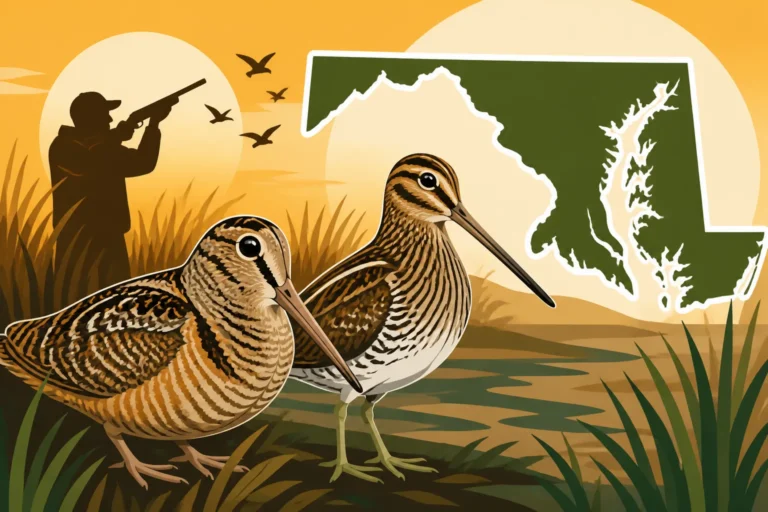
Beyond doves, Maryland also offers seasons for other migratory upland birds like woodcock and snipe. Woodcock, often called timberdoodles, are small, plump birds that migrate through Maryland in the fall. They favor moist, young forest habitats with dense undergrowth. Their season typically runs from late October through November, with a daily bag limit of 3 birds. Snipe are small, long-billed shorebirds found in wet meadows, marshes, and flooded fields. Their season also generally runs during the fall migration, often from early September into December, with a daily bag limit of 8 birds. Like doves, both woodcock and snipe hunters must be HIP registered. While you don't need a federal duck stamp for these species, you do need your regular Maryland hunting license and HIP registration. Knowing the specific season dates for these unique birds, such as the Woodcock and Snipe Season Dates, will open up some truly unique and challenging hunting opportunities.
Furbearer Seasons – Raccoon and Opossum
Raccoons and opossums are abundant across Maryland, often seen as nuisance animals in suburban areas, but for hunters and trappers, they represent another valuable small game resource. Their pursuit offers different experiences, from traditional night hunting with hounds to strategic trapping.
Raccoon and Opossum Hunting and Trapping Seasons
The seasons for hunting raccoons and opossums in Maryland are incredibly generous, often starting in early September and extending all the way through March. This lengthy period provides extensive opportunities for hunters and trappers throughout the cooler months. The beauty of raccoon and opossum hunting is that it often takes place at night, opening up hunting hours beyond what's available for most other game species. Night hunting typically runs from half an hour after sunset to half an hour before sunrise.
When it comes to daily bag limits, it's often more straightforward for these furbearers: there are generally no daily bag limits for hunting raccoons and opossums in Maryland. This means a hunter can harvest as many as they can legally pursue in a single outing. This reflects their robust populations and the role hunters and trappers play in managing these species, especially in areas where they might cause agricultural damage or become a nuisance.
Trapping seasons for raccoons and opossums also run for an extended period, typically from early November through mid-March. Trapping regulations are often more specific than hunting regulations, involving trap types, placement, and checking frequency. Those interested in trapping must obtain a separate Maryland trapping license and adhere to strict guidelines to ensure humane and legal practices. Understanding the population trends of these animals can be helpful for planning your efforts, and you can find more information on Maryland Raccoon Numbers and Range to gauge local populations.
Ethics and Opportunities in Furbearer Pursuit
Hunting and trapping raccoons and opossums play an important role in wildlife management. While often seen as adaptable and numerous, these species can impact local ecosystems, preying on nests of ground-nesting birds, and sometimes causing damage to crops or property. Regulated hunting and trapping help maintain healthy population levels, reducing potential conflicts with human interests and other wildlife. For hunters, pursuing these animals, especially with hounds, offers a unique cultural experience that has deep roots in rural Maryland traditions.
Hound hunting for raccoons is a vibrant pastime, often involving a pack of dogs tracking a scent trail, treeing a raccoon, and then waiting for the hunters to arrive. It's an active, social, and often noisy pursuit that happens under the stars. For trappers, understanding furbearer behavior and setting traps strategically requires significant skill and knowledge. Trapping provides both recreation and the opportunity to harvest valuable furs. If you're considering expanding your outdoor pursuits, learning about Trapping Maryland Furbearers Through Winter can open up a whole new dimension of hunting season. These pursuits allow hunters to contribute to conservation efforts while enjoying the challenge and camaraderie of the hunt, proving that every species has its place in the grand scheme of Maryland's hunting opportunities.
Planning Your Maryland Small Game Hunts
Stepping out into the field prepared can make all the difference between a frustrating day and a successful, enjoyable hunt. Small game hunting, while often simpler than big game, still benefits immensely from thoughtful planning and the right gear.
Essential Gear and Preparations
The gear needed for small game hunting in Maryland is generally less specialized than for big game, but a few key items are essential. For firearms, a good shotgun (12 or 20 gauge are most common, with a .410 being excellent for youth hunters or those seeking an extra challenge) with appropriate shot sizes (like 6 or 7½ for most birds and rabbits, 4 or 5 for pheasants) is a versatile choice. For squirrel hunting, a .22 caliber rimfire rifle offers precision and is ideal for headshots, minimizing meat damage. Always ensure your firearm is in good working order and you've practiced shooting it before heading afield.
Clothing is critical, adapting to the season and conditions. For much of the fall, breathable layers are best, as you'll be active. As winter sets in, warmer, insulated, and waterproof layers become necessary. Don't forget blaze orange requirements! In Maryland, during any firearms deer season, all hunters (including small game hunters) must wear at least 250 square inches of solid fluorescent orange or pink on the outer garment above the waist and on their head covering. This is a non-negotiable safety measure to ensure you are highly visible to other hunters. For a detailed breakdown of these requirements, check out How Much Blaze Orange Maryland Requires. Beyond safety, comfortable, broken-in hunting boots are a must, as you'll likely be covering some ground.
And, of course, your Maryland hunting license is paramount. Ensure it's current and that you have any necessary stamps or permits (like HIP registration for migratory birds). Carrying a small daypack with water, snacks, a basic first-aid kit, a knife for field dressing, and game bags will round out your essential preparations.
Leveraging Technology and Information
In today's hunting world, technology is a game-changer. Digital mapping applications are incredibly powerful tools for planning and executing small game hunts. Platforms like GoHunt provide detailed satellite imagery, property lines, and public land boundaries right on your phone or tablet. This allows you to identify potential rabbit thickets, squirrel-rich hardwood ridges, or pheasant release areas with incredible precision from the comfort of your home. You can scout potential entry and exit routes, mark points of interest, and even track your movements in real-time while afield. Being able to visualize property lines, especially when Scouting Maryland Public Land With Aerial Photos, helps ensure you stay on legal hunting ground and avoid trespassing.
Beyond mapping apps, the Maryland Department of Natural Resources (DNR) website is an invaluable resource. It's the official source for current season dates, bag limits, special regulations, and WMA information. Regularly checking the DNR's official hunting guide ensures you have the most up-to-date information, which can change from year to year. Paying attention to news releases about mast crop forecasts or specific WMA conditions can also give you an edge.
Finally, don't underestimate the power of pre-season scouting. Even with the best digital tools, nothing beats boots on the ground. Walk those hedgerows, check those oak flats for squirrel sign, and identify where released pheasants might hold. Looking for tracks, droppings, and feeding areas will confirm what your mapping app suggested and give you a solid plan of attack for opening day or your next outing.
Maryland Small Game Season Overview
To help you plan your pursuits, here's a handy overview of the general season dates and daily limits for Maryland's most popular small game species. Remember, these are general guidelines, and it's always best to consult the current Maryland Guide to Hunting & Trapping for the most accurate and up-to-date information before heading into the field.
| Species | Typical Season Dates | Daily Bag Limit | Notes |
|---|---|---|---|
| Gray & Fox Squirrel | Early Sept – Late Jan/Early Feb | 6 | Delmarva Fox Squirrels are protected. Check local rules carefully. |
| Cottontail Rabbit | Early Nov – Late Feb | 4 | Excellent for dogs or still-hunting thick cover. |
| Ring-necked Pheasant | Mid-Oct – Late Jan/Early Feb (Released Only) | 2 | Specific WMA release schedules apply; check DNR for locations and dates. |
| Mourning Dove | Sept 1 (Split Seasons) – Late Oct/Early Nov | 15 | HIP registration required annually. Check DNR for specific split dates. |
| Woodcock | Late Oct – Mid-Dec | 3 | HIP registration required. Favor moist, brushy cover. |
| Common Snipe | Early Sept – Mid-Dec | 8 | HIP registration required. Found in wet fields and marshes. |
| Raccoon | Early Sept – Mid-Mar | No Limit | Night hunting permitted. Trapping season also available with a separate license. |
| Opossum | Early Sept – Mid-Mar | No Limit | Night hunting permitted. Trapping season also available with a separate license. |
This table provides a snapshot, but local conditions, weather, and specific public land regulations can always influence your hunting plans. Always verify dates and rules each season to ensure a safe and legal hunt.
Disclaimer
Please be aware that hunting regulations, season dates, and bag limits can change from year to year. While this guide aims to provide accurate and comprehensive information, it is not a legal document. Always consult the official Maryland Department of Natural Resources (DNR) hunting regulations guide or website for the most current and authoritative rules before engaging in any hunting activities. It is the hunter's responsibility to know and abide by all applicable laws and regulations.