Maryland Spring Turkey Bag Limit
There's nothing quite like the sound of a gobbler ringing through the timber on a crisp Maryland spring morning, is there? The anticipation, the intricate dance of calling, and the sheer challenge of outsmarting one of these wary birds makes spring turkey season an absolute highlight for many of us. But along with all that excitement often comes a little confusion, especially when it comes to understanding exactly how many birds you can legally take. This comprehensive guide is here to unravel all the nuances of Maryland's spring turkey bag limit, ensuring you're fully prepared and compliant before you head out into the woods.
Navigating Maryland's Spring Turkey Season Dates
Before we even dive into how many birds you can harvest, it’s crucial to understand the framework of Maryland's spring turkey season. Unlike some other game, wild turkeys have very specific seasons designed to protect breeding hens and manage the overall population. Knowing these dates is your first step to a successful and legal hunt.
Key Dates and Hunting Zones
Maryland's spring turkey season typically kicks off in April and runs through May, but the exact dates can shift slightly each year, and there are often different start times for junior hunters and different zones. The Maryland Department of Natural Resources (DNR) publishes these dates well in advance, and it's always your responsibility to check the current year's hunting guide. Generally, the state is divided into two regions for some hunting activities, but for spring turkey, the dates are usually statewide, though specific county restrictions can sometimes apply for things like Sunday hunting or weapon choices.
For instance, the regular season usually begins with an early period that lasts for about a week, followed by a longer, continuous season. This initial split allows for some targeted hunting pressure while spreading out the activity. You’ll want to pay close attention to the exact opening and closing dates to ensure your hunt falls within legal parameters. If you're a keen planner, a quick check on the Maryland DNR website or platforms like GoHunt will give you the most current dates, helping you scout appropriately and avoid any calendar mishaps. These dates are critical, as harvesting a turkey outside of the legal season, even by accident, carries serious penalties. Understanding the full picture of Maryland Turkey Seasons and Permits is a vital part of your preparation.
Why Spring Turkey Hunting is Different
Spring turkey hunting is almost exclusively focused on harvesting gobblers (male turkeys), as this is their breeding season. The entire strategy revolves around mimicking hen calls to lure a dominant tom within range. This focus on gobblers is a key reason why the bag limits are structured the way they are – to protect hens, which are crucial for the annual reproductive cycle and the health of the overall turkey population.
Unlike fall turkey hunting, where "either-sex" birds might be legal in certain zones, spring is all about those strutting toms. This management strategy helps ensure that the population remains robust, allowing for future hunting opportunities. It also means that identifying your target accurately is paramount. A misidentified bird can lead to a violation, so take your time, confirm your target is a legal gobbler, and make sure you understand the nuances of Maryland Spring Turkey Permit Rules. The excitement can be overwhelming when a tom finally commits and comes into view, but patience and positive identification are your best friends in the spring woods.
The Specifics of the Spring Turkey Bag Limit
Now for the nitty-gritty: how many turkeys can you actually take home during Maryland's spring season? The rules are straightforward once you know them, but they do have daily and seasonal components that are essential to keep in mind.
The One-Bird-Per-Day Rule
Maryland’s spring turkey season operates under a strict "one gobbler per day" rule. This means that once you've successfully harvested a male turkey, your turkey hunting for that particular day is done. You can't go back out the same evening, or even later the same morning, to try and tag another bird. This rule is in place to manage pressure on the turkey population and to prevent overharvesting in specific areas.
Imagine this scenario: you've been working a bird since first light, finally call him in, and make a clean shot. That's it for the day. Even if you hear another gobbler sounding off on the next ridge over, your license is effectively "tapped" for turkey for the next 24 hours. This encourages hunters to savor the experience and not rush their efforts. It also means that if you're hunting with a group, each hunter must adhere to their individual one-bird-per-day limit. There's no pooling of tags or "filling someone else's limit." This individual responsibility is a cornerstone of ethical and legal hunting.
Statewide Seasonal Total Limit
Beyond the daily limit, Maryland also imposes a statewide seasonal limit for spring turkey. For most hunters, this means you are allowed to harvest a maximum of two gobblers during the entire spring season. This limit is critical for sustaining the state's wild turkey population, which has seen some fluctuations over the years. This isn't two birds per county or two birds per WMA; it’s two birds for the entire state, regardless of where you hunt within Maryland's legal turkey hunting zones.
So, if you tag a gobbler on private land in Caroline County early in the season, and then later in May, you call in another one on public land in Garrett County, you've reached your seasonal limit. The pursuit of that second bird is often just as exciting as the first, if not more so, as it might require a completely different strategy or location. Keeping track of your harvests is paramount, and platforms like GoHunt are great for tracking not just scouting data but also your personal harvest records to ensure you stay within these state guidelines. It's not just about the thrill of the hunt, but also about being a responsible steward of the wildlife resources.
Here’s a quick summary of the spring turkey bag limits:
| Category | Daily Limit (Gobblers) | Seasonal Limit (Gobblers) | Eligible Hunters | Notes |
|---|---|---|---|---|
| Regular Season | 1 | 2 | Adult Hunters | All legal gobblers (bearded or with beard) |
| Junior Hunt Day | 1 | 1 (separate from adult) | Youth Hunters (under 17) | Must be accompanied by a licensed adult |
This table helps illustrate the clear cut guidelines for turkey hunting in Maryland.
Antlered Versus Either-Sex Rules
While the term "antlered" usually applies to deer, the principle of only targeting male animals carries over strongly to spring turkey hunting. In Maryland, the spring season is strictly for gobblers, which are male turkeys that are typically identified by their beards. A "gobbler" can be any male turkey, whether it's a mature longbeard, a jake (a juvenile male), or even a male with a very short beard. The key is that it must have a beard.
You are not permitted to harvest hens (female turkeys) during the spring season in Maryland. This is a fundamental rule designed to protect the breeding population. While it's rare to mistake a hen for a gobbler, especially a strutting tom, it's not impossible, especially in low light or thick cover. Always confirm your target is a legal gobbler by positively identifying its beard before taking a shot. Learning to distinguish between a Jake from a Longbeard can be a crucial skill for ensuring you meet the legal requirements and your personal hunting goals. This adherence to targeting only gobblers is a critical component of conservation in spring turkey hunting across the entire state.
Special Considerations: Junior Hunters and Multiple Tags
Maryland is committed to fostering the next generation of hunters, and as such, it offers special opportunities for junior hunters. These opportunities often come with their own set of rules, including bag limits, that differ slightly from the regular adult season.
Junior Hunter Rules
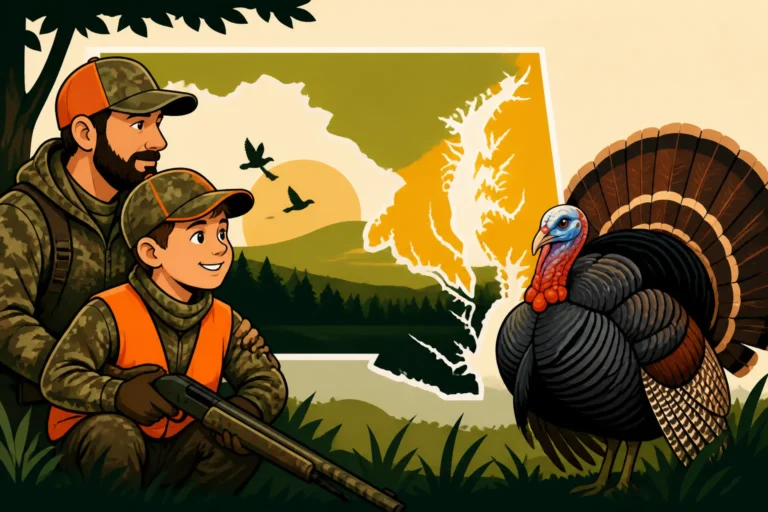
Maryland typically sets aside a special youth turkey hunting day, often the Saturday before the regular statewide spring season opens. This gives young hunters, usually those under 17, a fantastic chance to experience the thrill of turkey hunting with less pressure and more one-on-one guidance from an adult mentor. For this specific day, the junior hunter's bag limit is one gobbler. This is a special limit just for the youth hunt day, and it's separate from the adult seasonal limit.
If a junior hunter harvests a gobbler on the youth day, they have filled their limit for that specific opportunity. If they also participate in the regular season later, their total bag limit for the entire spring season (including the youth day harvest) is one gobbler. This is important to remember to avoid confusion. The adult mentor accompanying them, however, is not allowed to hunt or carry a weapon on the youth day, focusing solely on guiding and safety. If you're planning on Taking a Youth Out on Junior Turkey Day, be sure to review all the specific regulations for that year, as they are tailored to provide a safe and positive experience for new hunters. It’s an incredible way to pass on our traditions!
What About a Second Tag?
As mentioned earlier, the statewide seasonal limit for adult hunters is two gobblers. This means you effectively have two "tags" to fill during the spring season. However, there isn't a physical "second tag" that you purchase separately. Your initial hunting license and turkey stamp cover both opportunities, provided you adhere to the one-gobbler-per-day rule. The challenge, of course, is often simply finding and successfully harvesting that second bird! Many experienced hunters will tell you that the second gobbler can be even harder to come by, requiring different scouting methods or a change of scenery.
Some hunters might focus on different properties or even different counties for their second bird, seeking less pressured turkeys or different habitat types. Using tools like GoHunt can be invaluable for identifying new public land opportunities or understanding land ownership to seek permission for a second hunt. Remember that once you've harvested your first bird, you need to properly register it before pursuing your second. Attempting to harvest a second bird without registering the first can lead to complications. Successfully Filling a Second Spring Turkey Tag in Maryland is a true testament to a hunter's skill and persistence.
Ensuring Legal Compliance: Registration and Reporting
Harvesting a turkey is only half the battle; ensuring you legally report and register your kill is just as important. These steps are not mere formalities; they are crucial for wildlife management and ensure the state has accurate data to maintain healthy turkey populations.
Registering Your Harvest
After you've successfully harvested a gobbler in Maryland, you are legally required to register it within 24 hours. This is an essential step for every hunter. You can typically register your turkey through the Maryland DNR's online COMPASS portal, by phone, or sometimes at designated check stations in more rural areas. The process is usually quite straightforward, requiring information about the date and county of harvest, the type of weapon used, and some details about the bird itself (e.g., beard length, spur length, weight).
This registration process provides wildlife biologists with critical data on harvest numbers, geographical distribution of kills, and overall population health. Without accurate reporting from hunters, it's much harder for the DNR to make informed decisions about future seasons and bag limits. Think of it as your contribution to conservation, a small but vital part of the larger picture. Always keep your confirmation number handy after registration, as it's proof of your compliance. You can find detailed instructions and links for Turkey Registration Requirements After the Kill on the DNR website.
The Importance of Accurate Reporting
Beyond just the act of registering, the accuracy of the information you provide is paramount. If you estimate weight or beard length, try to be as close as possible. Don't be tempted to exaggerate or underreport any details. This data collection isn't about bragging rights; it's about science. Wildlife management relies on this collective information to monitor trends in Maryland Wild Turkey Population Trends, assess habitat conditions, and understand the impact of hunting pressure.
For example, if the average beard length or weight for harvested birds decreases significantly over several seasons in a particular region, it might indicate an issue with food sources or overall population health. Conversely, consistent harvest numbers and healthy bird statistics reassure managers that current regulations are effective. So, when you're filling out that registration, remember you're contributing to a much larger effort that benefits all hunters and the turkeys themselves. Many hunters use their GoHunt mapping applications to pinpoint the exact location of their harvest, which aids in accurate reporting and provides valuable personal data for future hunts.
Common Questions About Spring Turkey Bag Limits
It's natural to have questions, especially when new regulations come out or if you're new to turkey hunting in Maryland. Let's tackle some of the most frequently asked questions about the spring bag limit.
Can I Harvest a Turkey Every Day?
Theoretically, yes, you could harvest a turkey every legal hunting day if you were somehow able to find a gobbler and succeed in harvesting it, and you still had a tag left. However, remember the one-gobbler-per-day rule and the two-gobbler seasonal limit. This means that after you take your first bird, you're out for the rest of that day. Then, you can hunt again the next day, and if you're successful a second time, your season is over.
So, while the idea of harvesting a bird every day might sound appealing, the practical reality of hunting, combined with the legal limits, means it's usually a much more drawn-out process. Most hunters are thrilled to fill even one tag, let alone two, given the difficulty and challenge of spring gobblers. The strategic thinking often shifts after the first bird, perhaps to different calling techniques or even different locations, especially if local birds have become "gobbler shy" in a particular area. Understanding When Maryland Gobblers Go Quiet in Mid May can help manage expectations and strategies for later season hunts.
What if I Accidentally Harvest a Hen?
Accidentally harvesting a hen during the spring gobbler-only season is a serious violation in Maryland. As mentioned, the spring season is strictly for bearded male turkeys. If, despite your best efforts at identification, you realize you've shot a hen, the immediate course of action is to contact the Maryland Natural Resources Police (NRP). Do not attempt to conceal the harvest or process the bird.
The NRP will guide you on the next steps, which will likely involve confiscation of the bird and potential fines or penalties. While accidental harvests can happen, especially in low light or thick cover, hunters are expected to exercise extreme caution and positive identification before pulling the trigger. It's a tough lesson to learn, but the conservation of the hen population is paramount. Always, always be sure of your target and what's beyond it. Taking the time to observe and confirm your target is a gobbler is a non-negotiable step in responsible spring turkey hunting.
Does the Limit Include Birds Harvested on Private and Public Land?
Yes, absolutely. The two-gobbler seasonal limit applies to all turkeys harvested within Maryland, regardless of whether you're hunting on private land with permission, or on a state or federal public hunting area. There's no separate "private land limit" or "public land limit." Your Maryland hunting license and turkey stamp entitle you to harvest two gobblers in total across the entire state during the spring season.
This reinforces the importance of knowing your total harvest, not just where you harvested it. Some hunters exclusively hunt public land, while others have access to multiple private properties. Regardless of your hunting strategy or location, the overarching seasonal limit applies to you as an individual hunter. Whether you're Hunting a Green Ridge Permit Zone or setting up on a private farm, the same limit applies. This comprehensive approach ensures equitable management of the turkey resource across all available hunting grounds.
Maximizing Your Spring Turkey Hunting Opportunities
Knowing the rules is just one piece of the puzzle. To truly maximize your opportunities within the legal bag limits, you need a blend of knowledge, preparation, and ethical practices.
Scouting and Strategy for Two Birds
Successfully harvesting two gobblers in a single spring season is a fantastic achievement that often requires dedicated scouting and adaptable strategies. After you tag your first bird, you might find that the local turkeys have become warier, or perhaps you've effectively thinned the population in a small area. This is often the time to shift your focus to a new location.
Consider exploring different habitat types. If your first bird came from an open hardwood ridge, perhaps your second could be found in a creek bottom or a different timber stand. Using mapping applications like GoHunt to identify potential new roosting areas, feeding grounds, and travel corridors can be incredibly effective. Pay attention to changes in weather patterns and food sources, as these can influence where turkeys are spending their time. Don't be afraid to change your calling sequence or even your decoy setup if the birds aren't responding to your initial tactics. Sometimes, simply walking a bit further or entering from a different direction can make all the difference. Knowing What Maryland Turkeys Eat in Spring can help you pinpoint feeding areas.
Ethical Considerations and Conservation
Responsible hunting goes hand-in-hand with understanding and respecting bag limits. Every hunter plays a direct role in the conservation of Maryland's wild turkey population. By adhering to the legal limits, making ethical shot choices, and accurately reporting your harvests, you contribute directly to the long-term health and sustainability of this incredible game species.
It’s also about respecting the resource. While the goal is to fill your tags, the experience itself should be cherished. Don't push beyond legal shooting hours or take risky shots that could lead to a wounded or lost bird. The challenge and satisfaction of a successful hunt are amplified when you know you've done everything by the book, upholding the highest ethical standards. Remember, the future of turkey hunting in Maryland depends on the collective responsibility of all hunters. This extends to things like Roost Hunting Gobblers on Maryland Farmland to ensure you are not disturbing them too much or too often.
Disclaimer
Please note that hunting regulations, seasons, and bag limits are subject to change by the Maryland Department of Natural Resources (DNR). While every effort has been made to provide accurate and up-to-date information in this guide, it is the hunter's responsibility to verify all current regulations directly with the Maryland DNR before engaging in any hunting activities. This content is for informational purposes only and should not be considered legal advice.