Minimum Age to Hunt Alone in Maryland
It can be incredibly confusing to figure out exactly when your child, or even you as a young adult, can finally hit the woods alone in Maryland, especially with all the talk about mentored programs and junior licenses. This guide will cut through the jargon, clearly outlining Maryland's minimum age requirements for independent hunting and explaining the pathways to safely and legally get youth afield.
Understanding Maryland's Age Requirements for Hunting Independently
The General Rule for Unsupervised Hunting
The big question everyone asks is, "How old do you have to be to hunt by yourself in Maryland?" The clear answer is that to hunt alone – meaning without direct adult supervision – you generally need to be at least 16 years old. This isn't just a random number; it's the age at which you are typically eligible to obtain a full hunting license and, more importantly, have successfully completed the mandatory Maryland Hunter Education course.
Think about it from a safety and responsibility perspective. Hunting is a serious endeavor, requiring mature judgment, deep understanding of firearm or archery equipment, and a solid grasp of wildlife regulations and ethics. Prior to turning 16, Maryland's Department of Natural Resources (DNR) recognizes that younger hunters benefit immensely from the guidance and immediate supervision of an experienced adult. This isn't meant to hold anyone back, but rather to ensure that those venturing afield possess the necessary skills and decision-making capabilities to do so safely and effectively. It’s about building a solid foundation before taking on the full weight of independent hunting.
Distinguishing Between Hunting Alone and Hunting with a Mentor
Now, this 16-year-old rule for hunting alone is often misunderstood, especially when compared to Maryland's fantastic Apprentice Hunting License and Mentored Hunting Program. The key distinction lies in supervision. If you're under 16, you absolutely can hunt, but you cannot do it alone. You must be under the direct supervision of a licensed adult hunter who is at least 18 years old. This isn't just "being in the same general area"; it means the mentor must be close enough to have direct control and communication with the apprentice hunter.
The purpose of this program, which we'll dive into more deeply, is to allow aspiring young hunters to gain valuable field experience before they've completed their hunter education course or reached the age of full independence. It's an incredible opportunity for mentorship, passing down traditions, and teaching practical skills that a classroom setting simply can't replicate. So, while a 10-year-old might not be able to head out to a deer stand by themselves, they can certainly be in that stand with a parent, grandparent, or another approved mentor, actively participating in the hunt. This is where the magic of "getting started early" truly happens, fostering a love for the outdoors under watchful eyes.
Maryland's Apprentice and Mentored Hunting Program: Your Pathway to the Field
How the Apprentice Program Works
Maryland's Apprentice Hunting License program is a brilliant initiative designed to introduce new hunters of any age, but particularly youth, to the sport under the direct guidance of an experienced hunter. It's specifically for those who haven't yet completed the mandatory hunter education course, which is typically a prerequisite for purchasing a full hunting license. An apprentice hunter can purchase a license for a nominal fee, allowing them to hunt all legal game, provided they are accompanied by a licensed mentor.
This program removes a significant barrier to entry, enabling newcomers to experience hunting firsthand without the immediate pressure of a full hunter education course. It means that a young person who expresses interest in hunting doesn't have to wait months for a hunter education class to open up; they can get a license and be in the woods almost immediately with a mentor. This hands-on learning approach is invaluable. Imagine being able to experience Maryland's Split Firearms Deer Season with a seasoned hunter right by your side, learning to read the woods, track game, and understand shot placement, all before you even step foot in a classroom for formal certification. It's practical education at its finest.
Requirements for the Mentor and Mentored Hunting
For the apprentice program to function safely and effectively, the mentor plays a crucial role. A mentor must be at least 18 years old and possess a valid Maryland hunting license for the current season. Critically, the mentor is responsible for the apprentice's adherence to all hunting laws and for ensuring their safety. This isn't a passive role; it demands active engagement. The mentor must be within "normal voice control and sight" of the apprentice, ensuring they can provide immediate instruction, correction, and intervention if necessary. This directive ensures that proper judgment and ethical decision-making are being instilled in real-time.
Furthermore, a mentor can only supervise one apprentice at a time. This strict ratio ensures that the mentor's attention isn't divided, which is vital for safety, especially with firearms or bows. It fosters a true one-on-one learning environment. This deep level of direct supervision is what makes the program work so well, offering a safe and controlled introduction to hunting. It’s a fantastic opportunity for experienced hunters to give back and help shape the next generation of ethical and responsible outdoors enthusiasts. For more details on this, you can look into the guidelines for Maryland Apprentice and Mentored Hunting.
Benefits of Mentored Hunting Beyond Just Getting Started
While getting a head start on hunting without immediate hunter education is a huge benefit, the advantages of mentored hunting extend far beyond simply bypassing a temporary hurdle. This program provides an invaluable foundation in safety, ethics, and field craft that formal courses, while essential, can't fully replicate. A good mentor teaches critical real-world skills: how to safely handle and transport firearms, proper shot angles, tracking game, understanding wind direction, reading deer sign, and the importance of respecting wildlife and private property. They impart lessons on patience, perseverance, and the sheer joy of being immersed in nature.
It also instills a profound sense of responsibility. An apprentice learns firsthand the importance of wildlife conservation, fair chase principles, and registering their harvest correctly. This personal connection with an experienced hunter often fosters a lifelong passion and a deeper appreciation for the outdoors. Moreover, it's a fantastic way for families and friends to bond, creating lasting memories. Imagine a young hunter experiencing their first successful harvest of a deer or turkey, with a proud mentor guiding them through the entire process from shot placement to field dressing. These experiences are truly transformative. When considering joining this program, platforms like GoHunt can provide useful resources and information on local regulations, helping both mentors and apprentices prepare for a successful season.
Specific Age-Based Regulations and Exemptions in Maryland Hunting
Youth Hunting Days and Special Seasons
Maryland actively encourages youth participation in hunting through specially designated youth hunting days. These days are a fantastic opportunity for young hunters, typically under the age of 17 or 16 depending on the species, to hunt specific game animals with a licensed adult mentor, often outside the regular season dates for adult hunters. This reduces hunting pressure and maximizes success rates for youngsters, making for a more enjoyable and confidence-building experience.
For instance, Maryland has dedicated Junior Deer Hunt Days and Who Qualifies for both archery and firearms, allowing eligible youth to hunt antlered or antlerless deer before the general seasons open or during special windows. Similarly, there are specific Maryland Youth Waterfowl Days and a special Junior Turkey Hunt Date and Rules in the spring. During these youth-only seasons, the same direct supervision rules apply: the youth must be accompanied by an adult who is at least 18 years old and holds a valid Maryland hunting license (and any required stamps). The adult cannot hunt during these specific youth days, focusing entirely on mentoring the young hunter. These special seasons are designed to provide a positive, focused experience for the next generation of hunters, giving them a real chance at success with minimal competition.
Hunter Education Certification Age
While the apprentice license allows hunting prior to hunter education, the ultimate goal for any aspiring independent hunter in Maryland is to complete the Maryland Hunter Education course. This course covers vital topics such as firearm safety, archery safety, hunting ethics, wildlife identification, conservation principles, and Maryland hunting laws. To purchase a full hunting license without an apprentice license and thus be able to hunt alone (if 16 or older), you must first provide proof of having successfully completed an approved hunter education course.
While there isn't a strict minimum age to take the hunter education course itself, it's generally recommended that participants are mature enough to understand and retain the complex information presented. Most courses are designed for individuals aged 10 and up. However, merely taking the course doesn't automatically grant solo hunting privileges; the 16-year-old minimum for unsupervised hunting still applies. The hunter education certificate is a lifetime certification, a foundational credential for a responsible hunter. You can often find information on signing up for classes or even taking parts of the course online by searching for Who Needs Maryland Hunter Education or Taking the Hunter Education Course Online.
Junior License Requirements and Costs
Maryland offers specific hunting licenses tailored for junior hunters, making it more accessible and affordable for young people to participate. The "Junior Hunting License" is available for residents who are under 16 years old. This license is a crucial step for young hunters participating in the mentored hunting program. It allows them to carry a weapon and actively engage in the hunt while under the direct supervision of a qualified adult.
The cost for these licenses is typically lower than adult licenses, reflecting Maryland's commitment to fostering youth involvement. For specific details on pricing, you can always check the DNR website or look for information on Youth Hunting License Cost and Age Limits. It’s important to remember that even with a junior license, the requirement for direct adult supervision remains until the hunter turns 16 and has completed their hunter education. Additionally, any required stamps, such as the deer stamp or migratory bird stamp, might also be necessary, depending on the game species being pursued, so always check the latest regulations when purchasing.
Beyond Age: Other Requirements for Young Hunters in Maryland
Essential Gear and Safety for Young Hunters
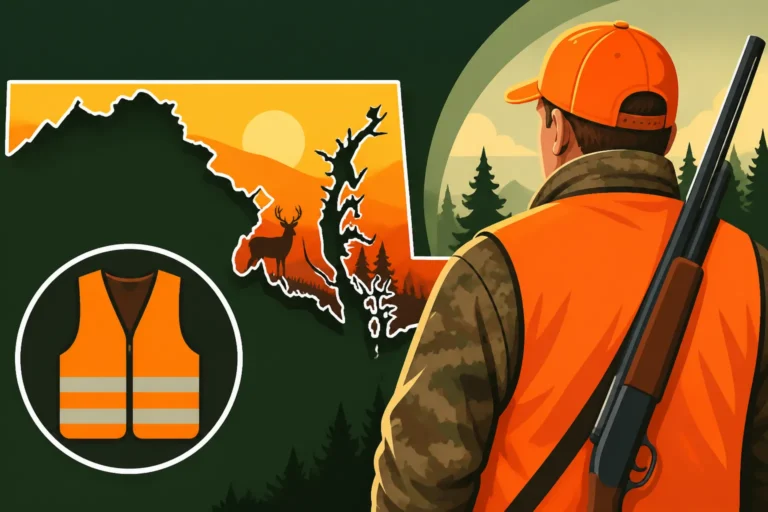
Beyond the legal age and licensing, preparing a young hunter for the field involves equipping them with the right gear and instilling an unwavering commitment to safety. For firearms, this often means starting with a smaller caliber or a youth model shotgun or rifle that fits their frame and allows for proper handling and recoil management. For archery, a compound bow with adjustable draw weight is ideal for growth. Proper blaze orange clothing is non-negotiable during applicable seasons, ensuring visibility to other hunters. For example, knowing How Much Blaze Orange Maryland Requires is crucial.
Safety, however, goes far beyond just gear. It's about mindset. Young hunters need to be constantly reminded of the four fundamental rules of firearm safety: treat every firearm as if it's loaded, always point the muzzle in a safe direction, keep your finger off the trigger until ready to shoot, and be sure of your target and what is beyond it. A mentor's role here is paramount, consistently reinforcing these rules. Discussions about treestand safety, understanding the terrain, hydration, and communication with their mentor are also vital. For example, tools like the GoHunt app can be excellent for teaching navigation and understanding property boundaries, adding another layer of safety and awareness for young hunters.
Understanding Maryland Hunting Licenses and Stamps
Navigating the various licenses and stamps can be a bit of a labyrinth, even for seasoned hunters, let alone newcomers. For any hunter, regardless of age, understanding the specific requirements for the game they intend to pursue is crucial. In Maryland, a base hunting license is just the starting point. Depending on the species, additional stamps might be required. For deer hunting, you'll need an archery stamp if you're bowhunting, and potentially a bonus antlered deer stamp or a sika deer stamp if pursuing that unique species. Waterfowl hunters need federal and state migratory bird stamps, and HIP registration.
It's essential to check the current year's regulations because these requirements can change. The DNR website is the authoritative source, and it's always wise to double-check before heading out. For a comprehensive overview, you might want to read up on Maryland Hunting Licenses and What They Cost or Which Stamps a Deer Hunter Needs. Teaching young hunters to proactively understand these regulations is part of becoming a responsible, independent hunter. This often involves looking up information on the Maryland Sika Deer Stamp Rules or the Federal Duck Stamp Rules for Bird Hunters together.
Importance of Continued Learning and Practice
Reaching the age of 16 and completing hunter education is a significant milestone, but it's by no means the end of a hunter's learning journey. Hunting is an activity where continuous learning and practice are absolutely vital for safety, success, and ethical participation. Encourage young hunters to regularly practice their shooting skills, whether with a bow or firearm, to maintain accuracy and confidence. This isn't just about hitting a target; it's about making clean, ethical shots in the field.
Beyond shooting, continued learning involves scouting, understanding wildlife behavior, and honing observation skills. Utilizing mapping tools, such as those found on GoHunt, to scout Scouting Maryland Public Land With Aerial Photos or identify potential hunting spots is an excellent way to continue developing crucial skills. Reading articles, watching educational videos, and participating in conservation efforts also contribute to becoming a well-rounded and knowledgeable hunter. The outdoors is a dynamic environment, and the best hunters are those who never stop learning and adapting, respecting the game, and upholding the integrity of the sport. The more they learn about things like Late Season Food Sources for Maryland Deer or Reading Sign in Maryland Mountain Timber, the more successful and safe they will be.
Here's a quick summary table of age requirements:
| Activity | Minimum Age (General) | Supervision Required? | Notes |
|---|---|---|---|
| Hunting with an Apprentice License | No minimum (any age) | Yes | Must be with licensed mentor (18+), 1:1 ratio |
| Hunting Alone (without mentor) | 16 | No | Must have completed Hunter Education |
| Taking Hunter Education Course | No minimum (10+ rec.) | N/A | Completion required for full license, but not for apprentice license |
| Purchasing a Junior Hunting License | Under 16 | Yes (for hunting) | For youth participating in mentored hunts |
| Participating in Youth Deer Days | Typically Under 17 | Yes | Mentor cannot hunt, specific dates apply |
| Participating in Youth Turkey Days | Typically Under 17 | Yes | Mentor cannot hunt, specific dates apply |
| Participating in Youth Waterfowl Days | Typically Under 16 | Yes | Mentor cannot hunt, specific dates apply |
Disclaimer
Please remember that hunting regulations can change. While every effort has been made to provide accurate and up-to-date information, it is always your responsibility to consult the official Maryland Department of Natural Resources (DNR) website or their current hunting guide for the most precise and legally binding regulations before engaging in any hunting activities.