How Many Black Bears Maryland Holds
For many folks who live in or visit Maryland, especially those of us who spend time in the woods, there's a natural curiosity about black bears. You might catch a glimpse of one crossing a road in Western Maryland, or hear a story about a bear rummaging through trash on the outskirts of a town, and you can't help but wonder: just how many of these incredible animals are actually out there? It's a question that leads to a lot of speculation and sometimes a bit of anxiety, but understanding the real picture of Maryland's black bear population is key to appreciating their presence and managing our interactions. This guide will dive into how we estimate their numbers, where they predominantly live, and the factors that influence their growth.
Understanding Maryland's Black Bear Population Estimates
Counting every single bear in a vast, forested state like Maryland is, as you can imagine, an impossible task. They are elusive, intelligent creatures with wide-ranging habits, making a definitive head count more of a scientific art than a simple tally. However, wildlife biologists have sophisticated methods to provide reliable population estimates, giving us a strong indication of their numbers and health.
The Challenge of Counting Wild Bears
Think about trying to count every squirrel in your neighborhood park – even a small area presents huge difficulties. Now scale that up to the thousands of square miles of dense forest, hidden hollows, and rugged terrain that black bears call home in Maryland. Bears are not sedentary; they roam extensively, especially males seeking new territory or mates. Females, particularly with cubs, are incredibly secretive. They're also mostly nocturnal or crepuscular (active at dawn and dusk), adding another layer of challenge. So, when we talk about population numbers, it's always an informed estimate based on various data points, not a precise census. This doesn't mean the numbers are arbitrary; it means they're the best scientific approximation we have.
How Population Estimates Are Derived
Wildlife agencies use a combination of tools to arrive at their bear population estimates. One significant method involves collecting harvest data during the regulated hunting season. Each bear taken by a hunter provides a wealth of information: age, sex, weight, and location. By analyzing these figures over time, biologists can infer population trends and health. Another crucial method involves tracking and den surveys. Biologists might tranquilize bears, fit them with radio collars or GPS trackers, and then locate their dens, especially during winter hibernation. This allows them to monitor reproductive rates, cub survival, and movement patterns. Hair snare surveys, where bears rub against barbed wire laced with an attractant, collect hair samples for DNA analysis, allowing individual identification without direct capture. These combined efforts create a mosaic of data that helps piece together the larger population picture.
Historical Trends of Maryland's Black Bear Population
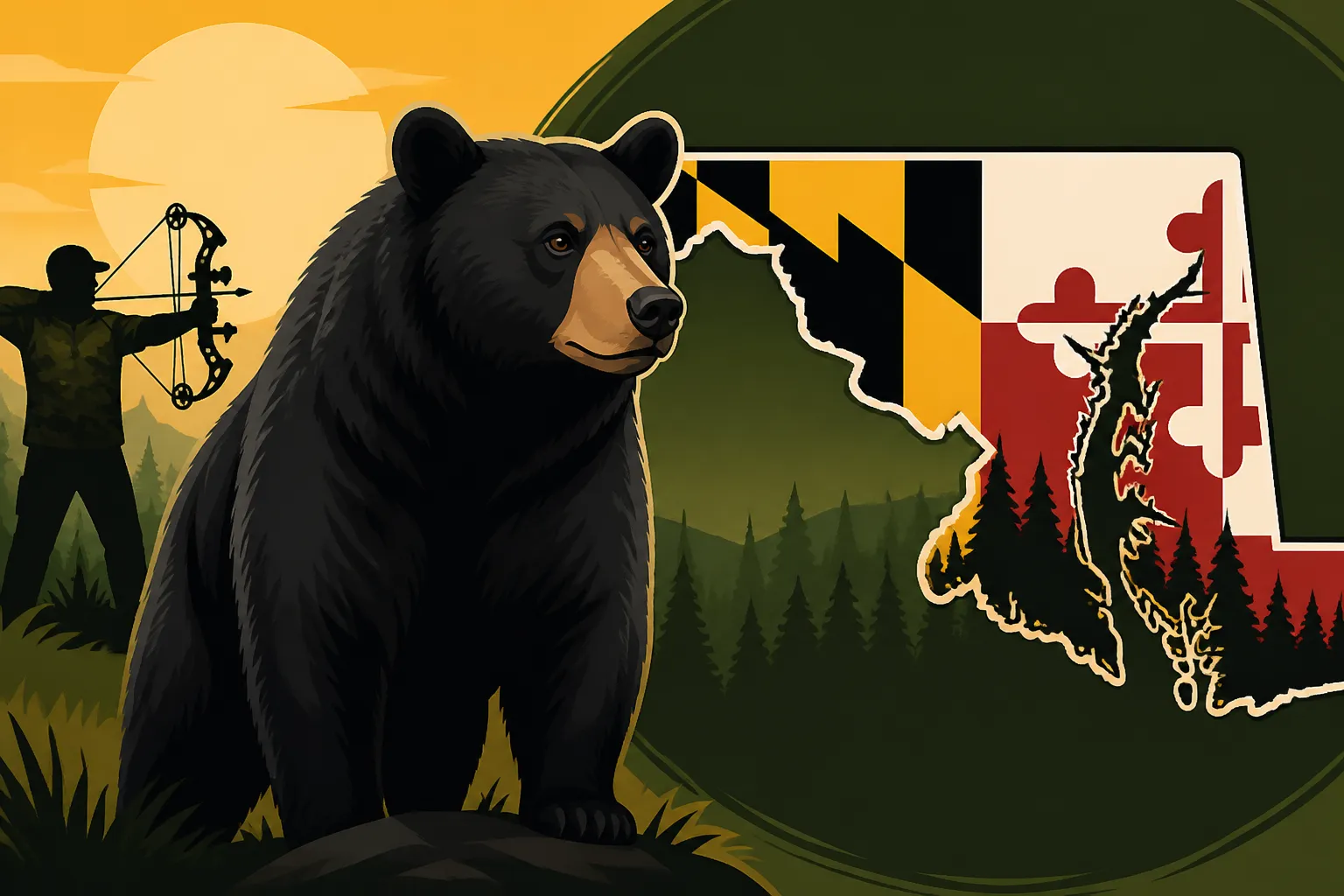
Maryland’s black bear story is actually a fantastic conservation success story. For a long time, black bears were nearly extirpated from the state, pushed out by habitat loss and unregulated hunting in centuries past. By the mid-20th century, only a small, remnant population clung to existence in the most remote corners of Western Maryland. However, thanks to habitat recovery, reforestation, and proactive wildlife management, including strict protections and later, a carefully managed hunting season, their numbers have steadily rebounded. What was once a critically endangered population in Maryland has grown significantly. When you look at the estimates over the last few decades, the trend has been undeniably upward, with bears re-colonizing areas they hadn't been seen in for generations. This recovery is a testament to dedicated conservation efforts and the adaptability of these animals.
Where Maryland's Black Bears Live and Thrive
While black bears are expanding their range, they still have their strongholds. Understanding these core areas, as well as where they are venturing, helps paint a clearer picture of their presence across the state.
The Core Bear Counties
When most Marylanders think of black bears, their minds immediately go to the state's westernmost counties: Garrett and Allegany. These counties, with their vast tracts of contiguous forest, rugged mountains, and relatively low human population density, represent the undisputed heart of Maryland's bear country. They offer the expansive habitat, diverse food sources, and secluded denning sites that bears require.
You'll also find a robust and growing population spilling into Washington County and, increasingly, Frederick County. These areas, while still mountainous and forested, are closer to more populated regions, which leads to more human-bear interactions. The Appalachian Mountains provide a natural corridor for movement, allowing bears to expand their territory. When considering where Maryland's black bears live, these four counties are your primary focus.
Expansion Beyond the Mountains
While Garrett, Allegany, Washington, and Frederick counties are the core, bear sightings have become more frequent in other parts of Maryland. We're talking about places like Carroll County, Montgomery County, and even parts of the Piedmont and Northern Harford County. These are often younger, dispersing male bears looking for new territory. They might travel significant distances, following river corridors or greenbelts, before encountering human development or turning back.
This expansion is a clear indicator of a healthy and growing population within the core range. When a habitat reaches a certain carrying capacity, younger animals are pushed to seek new homes, leading to these exciting (and sometimes surprising) sightings in areas where bears haven't been common for decades. This phenomenon underscores the adaptability of black bears and the success of past conservation efforts.
Habitat Preferences for Maryland Bears
So, what makes Western Maryland such prime real estate for black bears? It's a combination of factors. First and foremost, dense, mature forests provide cover for bedding, denning, and movement. Areas like Savage River State Forest or Green Ridge State Forest are ideal. These forests offer a rich diversity of food sources throughout the seasons. In spring and summer, bears feast on grasses, tender shoots, berries, and insects. As fall approaches, the critical food source becomes hard mast – acorns from oak trees and nuts from hickory and beech. A good acorn crop is vital for bears to pack on the necessary fat reserves for winter hibernation.
Access to water, rugged terrain for seclusion, and areas with minimal human disturbance also contribute to ideal bear habitat. The presence of these elements in Maryland's western regions is what allows populations to thrive, providing the necessary resources for bears to grow, reproduce, and ultimately expand their range. Many hunters interested in these areas use tools like GoHunt to analyze aerial photos and topography to find these crucial features. You can learn more about specific bear locations by exploring topics like Which Counties Hold Maryland Black Bears or Scouting Bear Sign in Garrett County.
Factors Influencing Black Bear Numbers
The number of black bears in Maryland isn't static; it's a dynamic figure influenced by a complex interplay of environmental conditions, human activity, and biological processes. Understanding these factors is crucial for effective wildlife management.
Food Availability and Its Impact
Just like us, bears need a reliable food supply to thrive, reproduce, and survive. The abundance or scarcity of natural food sources, particularly hard mast like acorns, profoundly impacts bear populations. In years with a bumper acorn crop, bears can put on more weight, leading to higher cub survival rates and potentially larger litter sizes in subsequent years. Conversely, a poor mast year can mean bears enter hibernation with less fat, increasing cub mortality and potentially impacting reproductive success.
Beyond natural foods, bears are opportunistic omnivores. They're drawn to readily available food sources, which can unfortunately bring them into conflict with humans. Trash cans, pet food left outdoors, bird feeders, and even agricultural crops can become easy targets, especially in suburban areas bordering bear habitat. This leads to bears becoming habituated to human food, which can be detrimental to both bears and people. This complex relationship between food availability, both natural and human-provided, is a huge driver of bear movements and population health. To understand what they're eating, especially in the crucial pre-hibernation phase, consider reading What Maryland Bears Eat in Fall.
Habitat Connectivity and Conservation Efforts
Maryland’s landscape is a patchwork of forests, farms, and suburban sprawl. For a bear population to remain healthy and expand, these forested areas need to be connected, allowing bears to move safely between habitats. Conservation efforts, such as protecting large tracts of state forests and wildlife management areas, play a critical role. Areas like the Green Ridge State Forest and the Savage River State Forest are vital strongholds, offering vast, unbroken habitat.
Beyond just protecting land, initiatives to preserve habitat corridors are increasingly important. These are "greenways" or undeveloped strips of land that allow wildlife to travel without crossing major roads or human settlements. As bears continue to expand their range, ensuring these connections remain viable is paramount. The Department of Natural Resources (DNR) works to manage these lands to benefit bears and other wildlife, demonstrating a long-term commitment to their conservation.
Regulated Hunting and Management
Maryland's bear population is robust enough that it supports a carefully regulated hunting season, primarily in the western counties. This isn't just about providing recreational opportunity; it's a critical tool for population management. Without a managed hunt, a rapidly growing bear population can exceed the carrying capacity of its habitat, leading to increased conflicts with humans, property damage, and potentially disease outbreaks within the bear population itself.
The Maryland Black Bear Lottery is a key component of this management. A limited number of permits are issued each year, ensuring that the harvest remains sustainable and doesn't negatively impact the overall population trend. The number of permits, season dates, and locations are all determined by scientific data and population estimates. This carefully controlled harvest helps maintain a healthy balance between bears and their habitat, while minimizing human-bear conflicts. You can learn more about this system by checking out Maryland's Black Bear Lottery or Maryland Bear Lottery Application Rules.
What These Numbers Mean for Hunters and Residents
A growing black bear population is a conservation success, but it also means a greater likelihood of encounters for both hunters and general residents. Understanding these dynamics is essential for safe and responsible coexistence.
Managing Expectations for Bear Encounters
With a healthy and expanding bear population, the chances of encountering a bear, especially in Western Maryland, are higher than they once were. For hunters, this translates to a greater opportunity during the bear season, but also the need for increased situational awareness year-round, even when pursuing other game. It's not uncommon to cut bear sign while Still-Hunting Western Maryland Mountain Timber during deer season. For residents, it means being bear-aware: securing trash, bringing in pet food, and knowing how to react if a bear wanders into your yard.
It's important to remember that black bears are generally shy and will avoid humans if given the chance. Aggressive encounters are rare, but they usually stem from a bear feeling threatened, especially a sow with cubs, or a bear that has become habituated to human food sources. Understanding bear behavior is the first step in safely coexisting with these magnificent animals.
The Maryland Black Bear Lottery
For hunters, the bear population numbers directly impact the Maryland Black Bear Lottery. Each year, wildlife biologists review the latest population estimates, harvest data, and reports of human-bear conflicts to determine how many permits can be issued to maintain a healthy and stable population. This means the number of available permits can fluctuate. The lottery system is designed to fairly distribute these limited opportunities, often incorporating a preference point system for those who apply but aren't drawn in a given year.
Successfully drawing a permit for Maryland's Six-Day Season is a significant achievement and requires careful planning and preparation. The health of the bear population directly dictates the opportunities available, making those population estimates incredibly relevant to anyone hoping to pursue a bear in Maryland.
Living Alongside a Growing Bear Population
The increase in Maryland's black bear population means that more people will live, work, and recreate in areas where bears are present. This necessitates a collective effort towards bear-wise practices. Simple steps can make a big difference: using bear-resistant trash cans, never leaving food or pet food outdoors overnight, and cleaning barbecue grills thoroughly. If you live in or near bear country, these aren't just recommendations; they're crucial steps to prevent bears from associating humans with easy meals, which is often the root cause of nuisance bear issues.
Education is also key. Knowing what to do if you see a bear – give it space, don't run, make noise to scare it away – helps ensure both human and bear safety. The growing numbers of black bears in Maryland represent a wonderful return of a native species, and by being informed and responsible, we can all contribute to their continued success and safe coexistence. For those looking to participate in the hunt, familiarizing yourself with Maryland Bear Season Dates and Maryland Hunter Education Requirements is a great first step.
Disclaimer
This article is for general informational purposes only and does not constitute professional advice. Laws, prices and regulations vary by location and change over time. Consult a qualified professional for guidance on your specific situation.