Beavers and Otters in Maryland
Maryland beavers and otters shape waterways across every county, creating wetlands and building complex dams that support local wildlife.
Know what you’re after.
Big game, small game, upland birds, and waterfowl — identification, behavior, rut and migration timing, and how each species moves through the season.
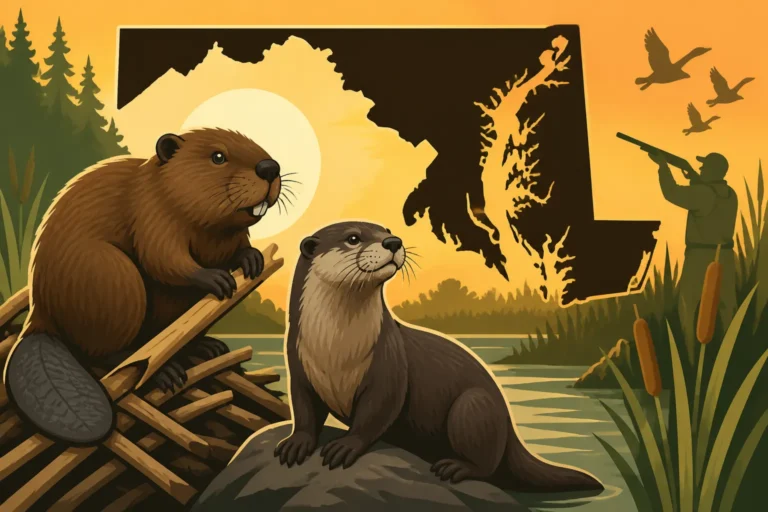
Maryland beavers and otters shape waterways across every county, creating wetlands and building complex dams that support local wildlife.
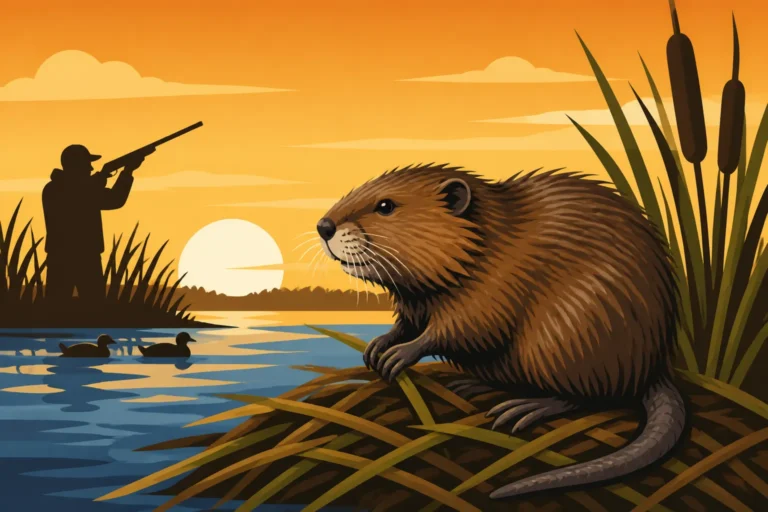
Maryland muskrats are semi-aquatic rodents that build dome homes, breed rapidly, and shape Chesapeake Bay marsh ecosystems.
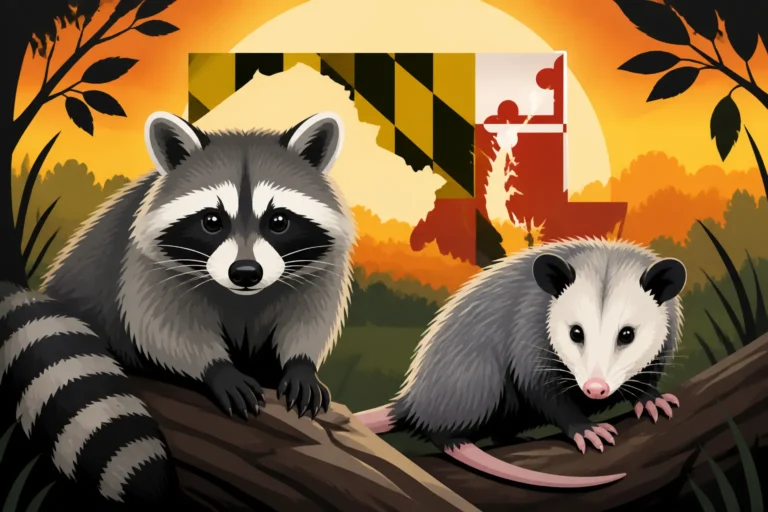
Maryland raccoons and opossums are adaptable nocturnal wildlife that raid trash cans, eat garden pests, and frustrate homeowners.
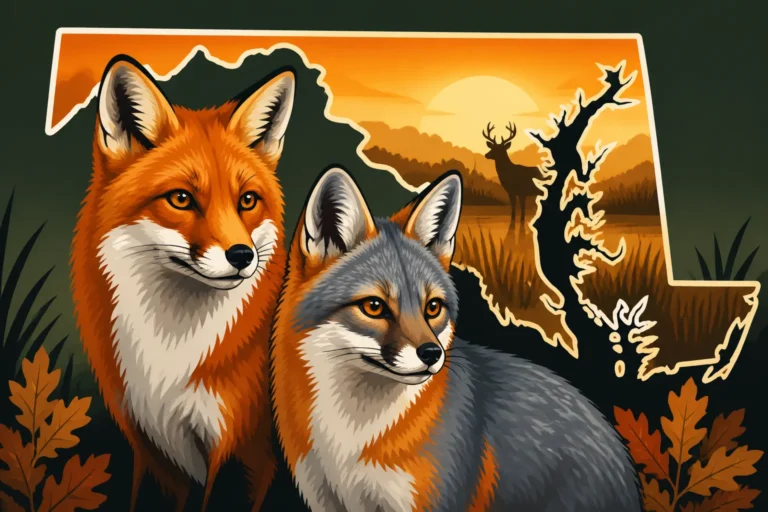
Red and gray foxes in Maryland possess distinct physical characteristics, weights, and tail tip colors that identify each species.
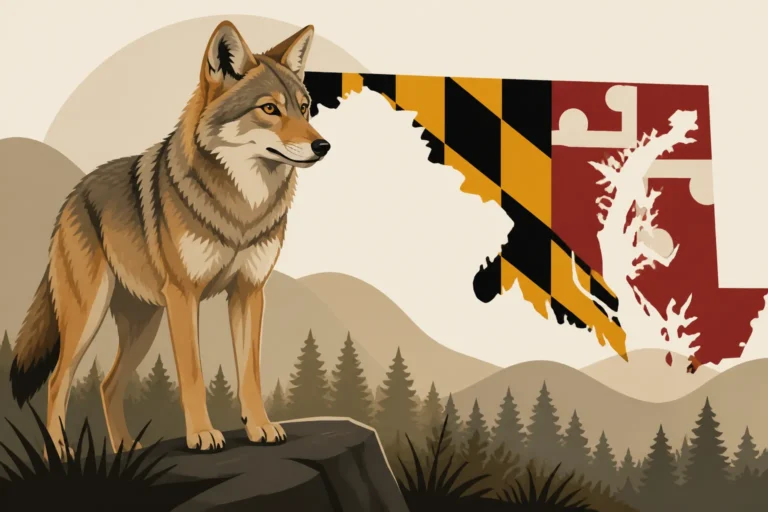
Coyote expansion into Maryland details how adaptable predators migrated east after settlers eradicated wolves from the region.
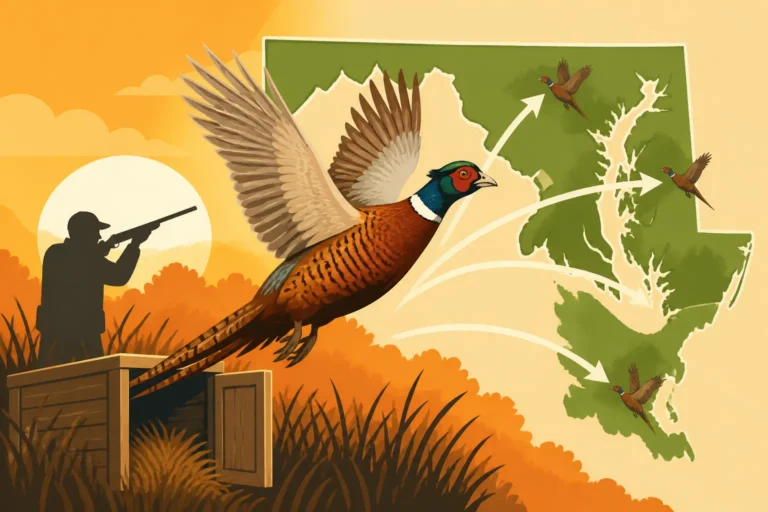
Maryland pheasant release locations and stocking schedules help hunters find game birds in designated Wildlife Management Areas.
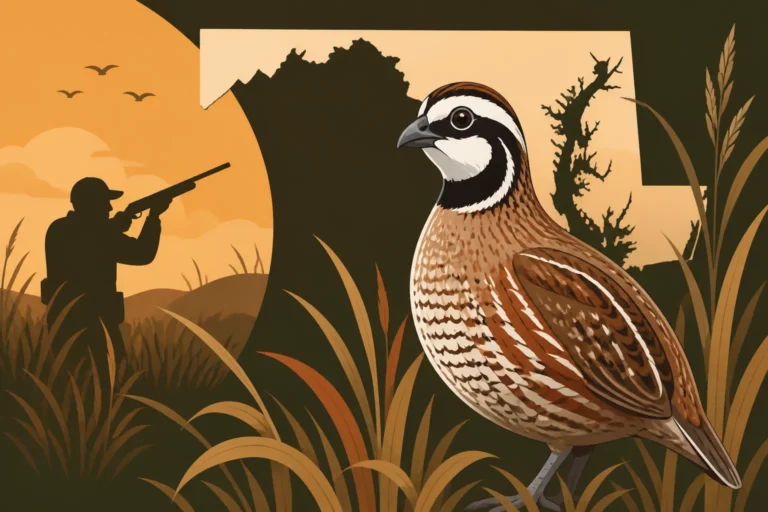
Bobwhite quail population decline in Maryland stems from modern agricultural changes and severe habitat loss across farmlands.
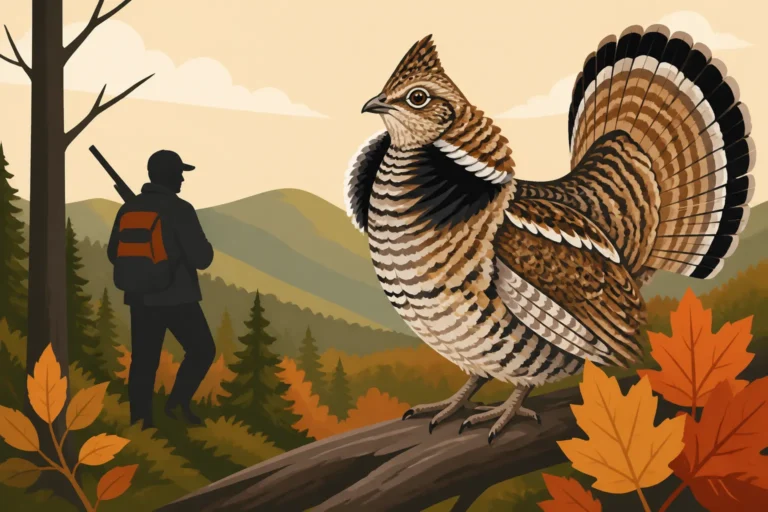
Ruffed grouse hunting in Garrett and Allegany counties requires finding specific forest habitats and subtle signs of remaining birds.
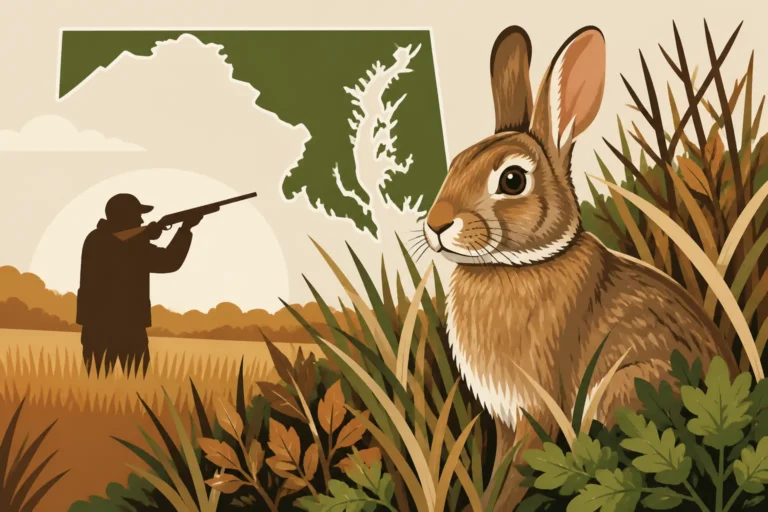
Maryland cottontail rabbit distribution, population trends, and dense vegetation cover types help hunters locate productive small game hunting spots.
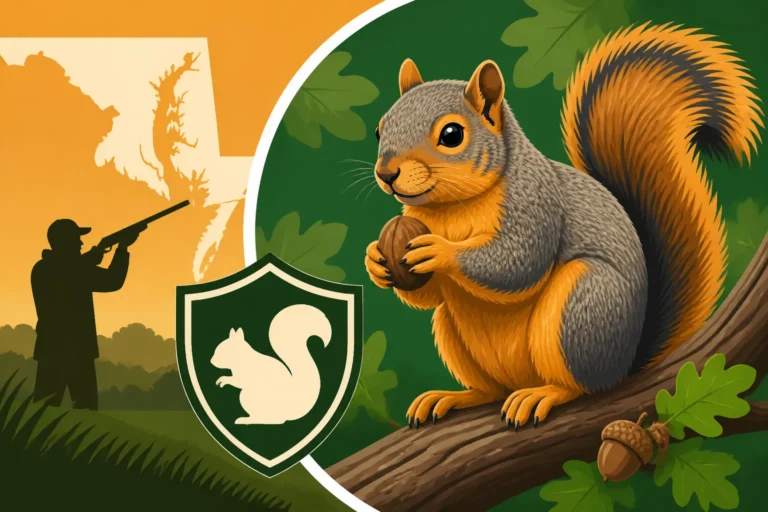
Maryland squirrel hunters learn to identify protected Delmarva Fox Squirrels by size and silver gray coats to avoid legal trouble.