Maryland’s Western Mountain Wildlife Management Areas
Venturing into Maryland's Western Mountains for a hunt can feel like a daunting task, especially with vast tracts of public land that seem to stretch forever, often hiding their secrets well. Many hunters get overwhelmed by the sheer scale, the rugged terrain, and the worry of encountering too much pressure. This guide is designed to break down the complexities of Maryland's Western Mountain Wildlife Management Areas, helping you understand their unique characteristics, what game they hold, and how to effectively plan your next successful outing in these beautiful, challenging landscapes.
Understanding Maryland's Western Mountain Wildlife Management Areas
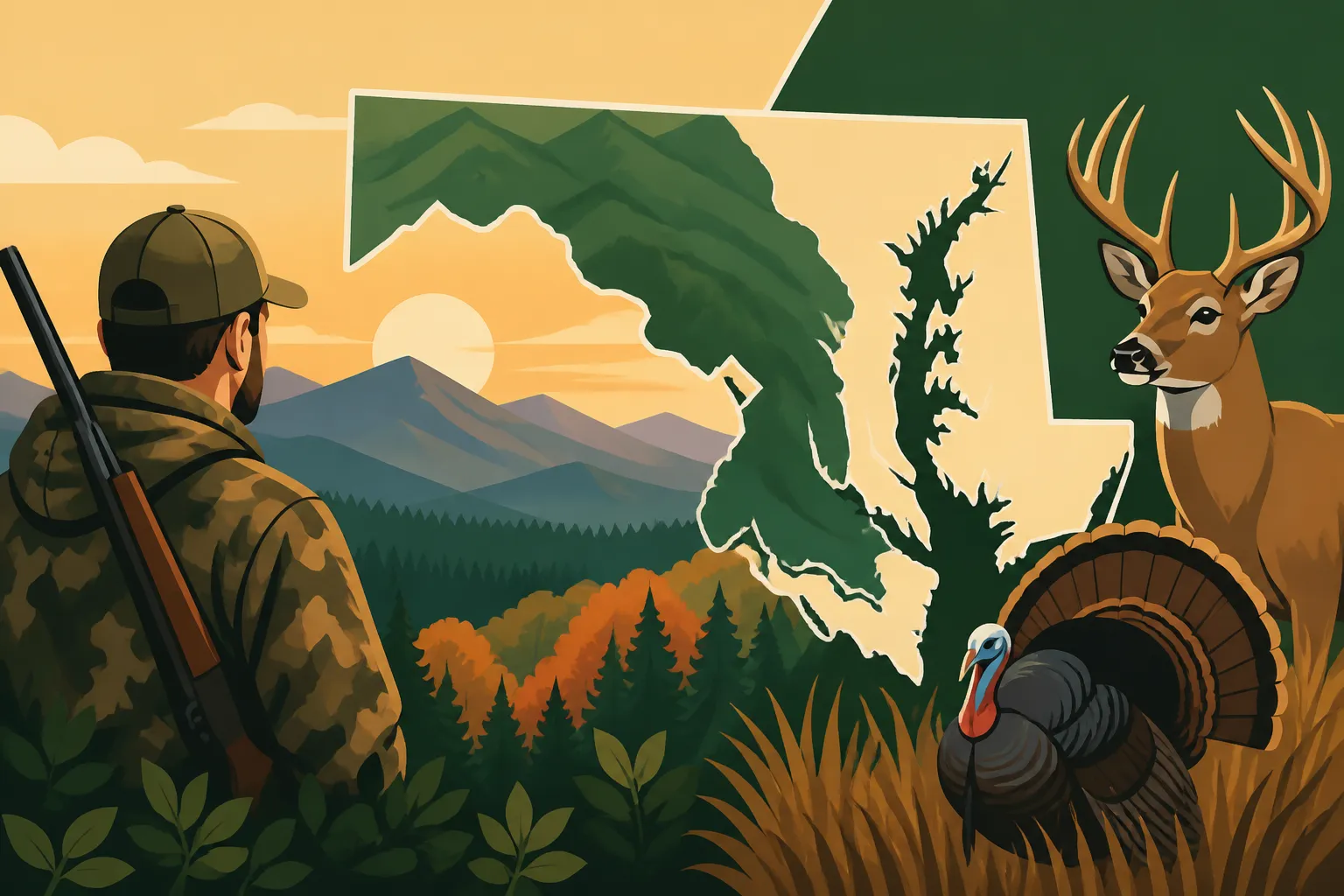
Maryland's western counties — Garrett and Allegany primarily, but extending into parts of Washington and Frederick — are a stark contrast to the flat farmlands and tidal marshes of the Eastern Shore. Here, the Appalachian Mountains dominate the landscape, offering steep ridges, deep hollows, and dense forests. The Wildlife Management Areas (WMAs) in this region are crucial public access points, providing thousands of acres for hunters seeking deer, bear, turkey, and small game. They represent some of the most remote and physically demanding hunting opportunities in the state, but with that challenge comes the reward of solitude and genuinely wild hunting experiences.
The Rugged Character of Western WMAs
Unlike the often manicured or agricultural landscapes found elsewhere, Western Maryland WMAs are defined by their rugged, heavily forested character. You'll encounter dense stands of oak, hickory, and maple, giving way to areas of mountain laurel thickets and scattered pine. Elevations can vary dramatically, with steep ascents and descents that will test your physical endurance. This isn't flat-ground hunting; expect to climb, traverse rocky terrain, and navigate through dense undergrowth. Understanding this topography is your first step to success. Deer and bear often pattern differently in these environments, using benches, saddles, and creek bottoms as travel corridors rather than relying solely on field edges. The thick cover also means shorter sightlines, making close-quarters hunting strategies, like still-hunting, particularly effective here. Still-Hunting Western Maryland Mountain Timber is a technique that shines in these conditions.
Importance of WMAs for Public Access
These WMAs are absolute gems for the public hunter, especially for those who don't have access to private land. They represent some of the largest contiguous blocks of huntable public ground in Maryland, offering extensive opportunities that simply aren't available closer to the urban centers. Without these designated areas, many would-be hunters would be left without a place to pursue their passion. They are managed by the Maryland Department of Natural Resources (DNR) with wildlife habitat and public recreation in mind, ensuring sustainable populations and access for all. While some public lands, like certain State Forests, require a Universal Access Permit or specific permits for particular areas, many WMAs are open with just your standard Maryland hunting license and required stamps. Always double-check the specific WMA regulations before heading out, as rules can vary slightly. This is where researching Maryland Public Land Hunting Permits can save you a headache.
Key Western Maryland Wildlife Management Areas
When you think about hunting in Western Maryland's mountains, several specific Wildlife Management Areas often come to mind. Each has its own distinct characteristics, species concentrations, and challenges. Knowing these differences can help you tailor your strategy and pick the best spot for your next adventure.
Dan's Mountain Wildlife Management Area
Dan's Mountain WMA, sprawling across Allegany County, is a prime example of rugged Appalachian hunting. It encompasses over 10,000 acres, offering significant habitat for white-tailed deer, wild turkey, and a healthy population of black bears. The terrain here is steep and unforgiving in places, with extensive oak ridges that become critical food sources during the fall acorn drop. Hunters often find success by focusing on these oak flats, as deer and bear will concentrate their feeding efforts there. Expect to put in some serious legwork to access the more remote sections, but those efforts can often lead to less pressured game. The dense cover also means that tracking skills are invaluable once you've made a shot.
The WMA is characterized by its heavily forested slopes and deep ravines, providing excellent bedding cover and escape routes for game. Access points are generally along the perimeter roads, requiring hunters to often hike significant distances away from vehicle access to find solitude. For black bear hunters who are fortunate enough to draw a permit through Maryland's Black Bear Lottery, Dan's Mountain offers some fantastic opportunities, especially around the thicker laurel patches and mast-producing ridges. Understanding the wind and thermals, which can be tricky in mountainous terrain, is paramount here to avoid spooking game that might be just over the next ridge.
Warrior Mountain Wildlife Management Area
Located primarily in Allegany County, Warrior Mountain WMA offers over 4,000 acres of steep, forested terrain. It's another excellent destination for deer, turkey, and bear, boasting a similar Appalachian ecosystem to Dan's Mountain but with its own unique feel. The area is known for its high ridge tops and deep valleys, which create natural travel corridors for deer. Focus on finding saddles between ridges or benches along the slopes where deer might pause as they move between bedding and feeding areas. The sheer density of the timber here means scouting for subtle sign—rub lines, old scrapes, and fresh tracks—is more important than trying to glass vast areas.
Warrior Mountain can be particularly challenging due to its remoteness and limited road access within the WMA itself. This translates to fewer hunters in the interior, but it also demands a higher level of physical fitness and preparedness. Many hunters find success by working creek bottoms or following old logging roads that penetrate deeper into the property. Turkey hunting can be phenomenal here in the spring, as gobblers will often use the higher ridges for roosting and can be called in along the slopes. For serious mountain hunters, Warrior Mountain offers a truly immersive wilderness experience, rewarding perseverance with quality hunting opportunities.
Indian Springs Wildlife Management Area
Indian Springs WMA, situated in Washington County, offers a slightly different landscape compared to the more rugged Garrett and Allegany WMAs, though it still retains its mountainous character. Spanning over 6,000 acres, it features a mix of mature hardwood forests, some pine plantations, and steeper terrain near the ridges. This WMA is particularly popular for deer and turkey hunting, with a good reputation for consistent harvests. The varied habitat, including more gentle slopes in some areas, can make it a bit more approachable for those newer to mountain hunting, while still offering plenty of challenge for experienced outdoorsmen.
One of the benefits of Indian Springs is its location, being a bit closer to the eastern parts of Western Maryland, which can mean slightly easier access for some hunters. However, don't let that fool you; the interior portions are still wild and require effort. Look for areas where different timber types meet, as these "edges" often concentrate game. Old logging trails and gas lines can also provide excellent access routes and clear lanes of sight through the dense woods. This WMA is a great place to practice Hunting a Hillside Bench Above a Mountain Stream or Hunting a Green Ridge Ridgetop Bench, as these features are common here and are often used by cruising bucks.
Sideling Hill Wildlife Management Area
Sideling Hill WMA is another significant tract in Allegany and Washington counties, covering over 3,000 acres of mountainous forest. It’s well-known for its impressive geological features, including the Sideling Hill cut along I-68, but its extensive woodlands offer excellent hunting for deer, bear, and turkey. The terrain is typical Appalachian: steep ridges, narrow valleys, and a canopy dominated by oak and hickory. This WMA provides vital habitat for a range of species, and its dense cover can hold some mature animals.
Access to Sideling Hill often involves hiking from designated parking areas, and a good compass or GPS (like the onX Hunt app) is highly recommended due to the vast, unbroken forest. Hunters targeting deer might focus on areas with good mast production, especially during early archery season, or saddles that serve as pinch points for rutting bucks. For bear hunters, the thick laurel and rhododendron patches offer ideal cover. Persistence and thorough scouting are key to success here.
Hunting Opportunities and Game Species
Maryland's Western Mountain WMAs are renowned for their diverse wildlife, offering hunters a chance to pursue several species within challenging, natural environments. While white-tailed deer are the most commonly pursued game, these mountains also provide critical habitat for black bears and wild turkeys, along with various small game species.
White-Tailed Deer Hunting
Deer hunting is arguably the most popular pursuit in these mountain WMAs. The dense forests provide excellent cover and abundant forage, leading to healthy deer populations. While deer in the mountains might not always carry the massive racks seen in richer agricultural areas, they are typically robust, wild animals that offer a true hunting challenge. Success often hinges on understanding deer movement patterns in hilly terrain. Unlike flat ground where deer might stick to field edges, mountain deer utilize topography, moving along benches, through saddles, and in the bottom of hollows. Hunting a ridge saddle for rutting bucks can be incredibly effective here.
Archery season, which starts in early September, allows hunters to capitalize on deer still in their summer patterns, often around water sources or specific mast crops. As the season progresses into the firearms and muzzleloader seasons, deer become more patternable around falling acorns or transitioning to thick bedding cover. Maryland's Deer Bag Limits and Antler Rule and weapon restrictions vary by county, so always check the specific regulations for Allegany, Garrett, and Washington counties. Using tools like onX Hunt can help you identify subtle terrain features that act as deer highways or bedding areas, giving you an edge over less prepared hunters.
Black Bear Hunting
Western Maryland is home to the state's huntable black bear population, and the WMAs here are critical for their habitat. Bears are drawn to the vast, undisturbed forests, dense cover, and abundant natural food sources like acorns, berries, and nuts. Black Bears in Western Maryland are truly wild animals, and hunting them requires patience, knowledge of their habits, and often a lot of walking. Unlike some other states, Maryland's bear hunt is a limited lottery system, meaning only a certain number of permits are issued each year, making drawing a tag a significant achievement.
If you are lucky enough to secure a bear permit, focusing your efforts on these WMAs, particularly Dan's Mountain and Warrior Mountain, can increase your odds. Bears often concentrate in areas of dense laurel thickets for bedding and will travel widely to find prime mast crops. Scouting for sign – scat, tracks, and rubbed trees – is essential. The hunt is often spot-and-stalk or still-hunting through thick cover, demanding keen observation skills and quick reactions. Be prepared for a physically demanding recovery if you are successful, as bears are heavy animals and often expire in tough-to-reach places.
Wild Turkey and Small Game
The Western Maryland WMAs also offer fantastic opportunities for Wild Turkeys in Maryland. Spring turkey season finds gobblers strutting on ridge tops and roosting in mature hardwoods. The varied terrain can make calling a challenge, as sound doesn't travel predictably, but it also allows hunters to get closer to gobblers without being seen. Roosting birds the evening before, then setting up strategically along their likely travel route at dawn, is a common and effective tactic. Roost Hunting Gobblers on Maryland Farmland might be a different approach, but the principle of understanding their morning routine applies here too.
Beyond deer, bear, and turkey, these WMAs also support various small game species. Gray squirrels are abundant in the hardwood forests, offering fast-paced hunting opportunities, especially during the early season. Rabbit hunting can be productive along the edges of clearings or in areas with dense brush, often near old logging roads or regenerating timber cuts. Ruffed grouse, while rarer than in decades past, can still be found in specific areas with older growth and dense understory, offering a challenging hunt for those dedicated to pursuing them. Squirrel Hunting Maryland Hardwood Ridges or Rabbit Hunting Maryland Farm Hedgerows are good starting points, even if the specific habitat varies slightly from a farm hedgerow.
Navigating Regulations and Access
Hunting in Maryland's Western Mountain WMAs comes with specific regulations and access protocols that every hunter needs to understand. Navigating these rules ensures a legal and enjoyable hunt, and neglecting them can lead to frustration or even fines.
Permits and Registration
While most WMAs are generally open with a valid hunting license and stamps, some areas, or certain hunting activities, might require additional permits. For instance, specific portions of state forests, which often border or are intertwined with WMAs, may require a free Universal Access Permit, which can be obtained through the Maryland Department of Natural Resources (DNR) COMPASS portal. It's always best to check the DNR website or call the local WMA office before your hunt. Maryland Public Land Registration Requirements are crucial to understand, as not all WMAs have the same check-in requirements. Some may require online registration, while others might rely on self-serve kiosks at entry points.
For black bear hunting, as mentioned, a lottery permit is mandatory. This is a separate application process with specific deadlines and fees. Understanding Maryland Bear Lottery Application Rules is essential if you hope to pursue a bear. Beyond permits, remember to always carry your valid Maryland hunting license and any required stamps (archery, muzzleloader, big game, etc.) with you while in the field. Digital copies on your phone are often acceptable, but having a physical copy can be a good backup, especially in areas with spotty cell service.
Vehicle Access and Internal Roads
Access within Western Maryland WMAs can vary significantly. Many areas have well-maintained gravel roads that provide vehicular access to parking lots and trailheads, especially in State Forests that encompass WMA land. However, a good portion of these WMAs are managed to provide a more primitive experience, meaning extensive internal road systems are often gated and closed to public vehicles. These gated roads become prime walking paths, allowing hunters to penetrate deeper into the property than those who stick to main roads.
Always respect posted signage regarding vehicle access. Driving past a closed gate, even if it looks like an old logging road, is a surefire way to get a ticket or have your vehicle towed. For detailed mapping, tools like onX Hunt or GoHunt are indispensable. They allow you to clearly see property boundaries, identify gated roads, and understand the internal road network, helping you plan your approach and avoid trespassing. Finding Maryland public land with aerial photos combined with property line overlays is a game-changer for effective scouting and navigation.
Stand Placement and Ethics
When hunting public land, including WMAs, there are often specific rules regarding tree stands and ground blinds. While permanent structures are generally prohibited, portable tree stands and pop-up blinds are usually allowed, but they must be removed at the end of the season, and sometimes even daily. Always check the specific WMA regulations for these details. Some areas might have rules about how far stands can be left up, or if they need to be tagged with your DNR ID number.
Ethical hunting practices are especially important on shared public land. Be mindful of other hunters. Avoid setting up too close to another hunter's vehicle or obvious stand location. Pack out everything you pack in, including spent shell casings, food wrappers, and any trash. Leave the area cleaner than you found it. Respect for the land and fellow hunters ensures that these precious public resources remain enjoyable for everyone for years to come. Remember, public land success often comes from Finding Maryland Ground Others Walk Past by putting in the extra effort to hike further away from easy access points.
Strategies for Success in Mountain WMAs
Hunting in Western Maryland's rugged WMAs is a different beast than hunting agricultural fields or suburban woodlots. It demands a specific mindset, physical preparation, and strategic planning. To truly succeed here, you need to embrace the challenge and adapt your approach.
Scouting with Topographical Maps and Apps
Successful mountain hunting starts long before you ever step foot in the woods. Modern technology has revolutionized scouting, and tools like onX Hunt are invaluable. Start by studying topographical maps to identify key features:
- Ridges and Saddles: Deer often travel along ridge lines and through saddles (low points in ridges) to conserve energy. These can be natural funnels.
- Benches: Flat areas or "steps" along a steep hillside are often used by deer for bedding or feeding.
- Hollows and Drainages: These can serve as natural travel corridors, especially when moving between different elevation levels.
- Water Sources: Even in the mountains, consistent water sources can be magnets for game, especially during dry periods.
- Logging Roads and Trails: Identify old logging cuts or faint trails that might lead to more secluded areas or serve as easy walking paths.
Overlaying aerial imagery with topographical lines in an app like onX Hunt can give you a powerful perspective, revealing subtle changes in elevation, cover types, and potential game sign. Using a platform like GoHunt can also provide valuable research into harvest data, public land boundaries, and even weather patterns that might influence game movement in these areas. Don't underestimate the power of virtual scouting; it can save you countless hours of unproductive hiking.
Physical Preparation and Gear
Hunting these Western Maryland WMAs is a physically demanding endeavor. You'll be climbing steep hills, navigating uneven terrain, and potentially packing out heavy game. Being in good physical condition is not just about comfort; it's about safety and increasing your chances of success. Incorporate exercises that build endurance and leg strength into your routine before the season.
Your gear choices are also critical:
- Footwear: Sturdy, waterproof hiking boots with good ankle support are non-negotiable. Break them in well before your hunt.
- Layered Clothing: Mountain weather can change rapidly. Dress in layers that can be added or removed to adapt to temperature fluctuations and your exertion level.
- Navigation: A reliable GPS unit (or a fully charged phone with a hunting app like onX Hunt downloaded with offline maps) is essential. Carry a physical map and compass as a backup.
- Backpack: A comfortable pack capable of carrying water, snacks, emergency supplies, and potentially quartered game is a must.
- First Aid: Always carry a basic first-aid kit.
- Blaze Orange: Remember How Much Blaze Orange Maryland Requires during firearms seasons; it's vital for safety.
Considering the steep terrain and often extensive hikes, lightweight gear can make a big difference, especially when you're covering miles of ground.
Adapting to Hunting Pressure
While Western Maryland WMAs offer vast tracts of land, they are still public and can see pressure, especially on opening days or during peak rut. However, the sheer size and ruggedness often mean that pressure drops off significantly once you get a half-mile or more away from established parking areas and roads. Hunting Pressure on Maryland Public Land is a reality, but it can be leveraged.
One effective strategy is to "go where others won't." This often means hiking further, ascending steeper slopes, or navigating denser thickets. Deer and bear will often retreat to these less accessible areas when pressure increases. Another tactic is to hunt during weekdays or later in the season when many fair-weather hunters have packed it in. Game animals in pressured areas become more nocturnal and wary, so adjusting your hunting times (early morning and late evening) and focusing on bedding areas rather than just feeding zones can pay off. Patience and persistence are your greatest allies when dealing with public land pressure.
Table: Overview of Key Western Maryland WMAs
| WMA Name | Primary County | Approximate Size (Acres) | Primary Game Species | Key Terrain Features | Unique Considerations |
|---|---|---|---|---|---|
| Dan's Mountain WMA | Allegany | 10,000+ | Deer, Bear, Turkey | Steep oak ridges, deep hollows, dense laurel | Very rugged, excellent bear habitat, physically demanding |
| Warrior Mountain WMA | Allegany | 4,000+ | Deer, Bear, Turkey | High ridges, narrow valleys, thick timber | Remote, limited internal access, good for solitude |
| Indian Springs WMA | Washington | 6,000+ | Deer, Turkey, Small Game | Hardwood forests, pine plantations, varied slopes | Slightly less rugged than Garrett County, good mix of cover |
| Sideling Hill WMA | Allegany/Washington | 3,000+ | Deer, Bear, Turkey | Steep ridges, prominent geological features | Dense woodlands, good for still-hunting, I-68 visibility |
Disclaimer
This article is for general informational purposes only and does not constitute professional advice. Laws, prices and regulations vary by location and change over time. Consult a qualified professional for guidance on your specific situation.