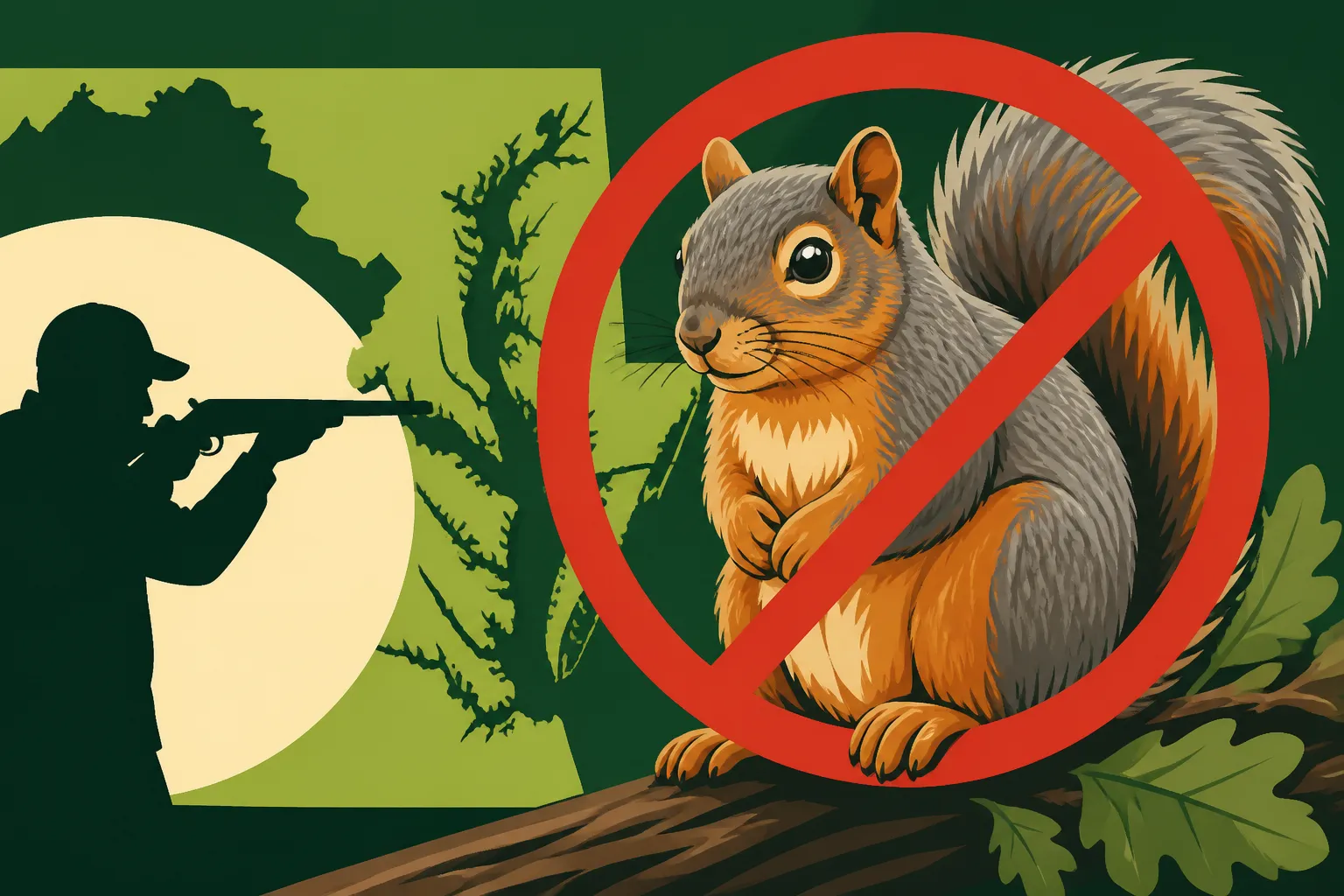
Why the Delmarva Fox Squirrel Is Off Limits
It can be incredibly frustrating to be out in the woods, see a beautiful fox squirrel, and then remember that it's completely off-limits for hunting in Maryland. Many hunters, especially those new to the Eastern Shore, might not even realize that not all squirrels are fair game. This guide will clarify exactly why the Delmarva fox squirrel is a protected species, what makes it so unique, and how you can avoid any accidental misidentification while still enjoying Maryland's abundant small game hunting opportunities.
A Special Squirrel with a Special Status
When you think of squirrel hunting in Maryland, your mind probably goes straight to the plentiful grey squirrel, or maybe even the smaller red squirrels in the western mountains. But there's another, much larger squirrel that calls parts of the Eastern Shore home: the Delmarva fox squirrel. This magnificent rodent stands out in the timber, not just for its size, but for its strikingly different appearance and, most importantly, its protected status. For decades, this creature faced an uphill battle for survival, and its journey back from the brink is a testament to dedicated conservation efforts.
Distinguishing Features of the Delmarva Fox Squirrel
Imagine a squirrel that looks almost like a small, chunky cat scampering through the trees – that's closer to the Delmarva fox squirrel than your typical bushy-tailed grey. These aren't your average backyard squirrels. They are significantly larger, often weighing twice as much as a grey squirrel, with a body length that can stretch over two feet, including their impressive tail.
Their coloration is another key identifier. While grey squirrels are, well, grey, Delmarva fox squirrels typically sport a silver-gray coat on their back, with white or light gray undersides. The most distinctive feature, however, is their head: they have a prominent white nose and muzzle, which makes them look like they've dipped their face in powdered sugar. Their ears are often small and rounded, and their tail, while long, is less bushy than a grey squirrel's, often appearing more flattened or "streamlined." If you see a squirrel that seems unusually large, moves a bit slower, and has that characteristic white face, put your binoculars on it immediately, because you're likely looking at a protected species. When you're hunting a farm woodlot point or working through a mature stand of timber, paying attention to these details can save you a lot of trouble.
Where They Still Roam (and Why It Matters)
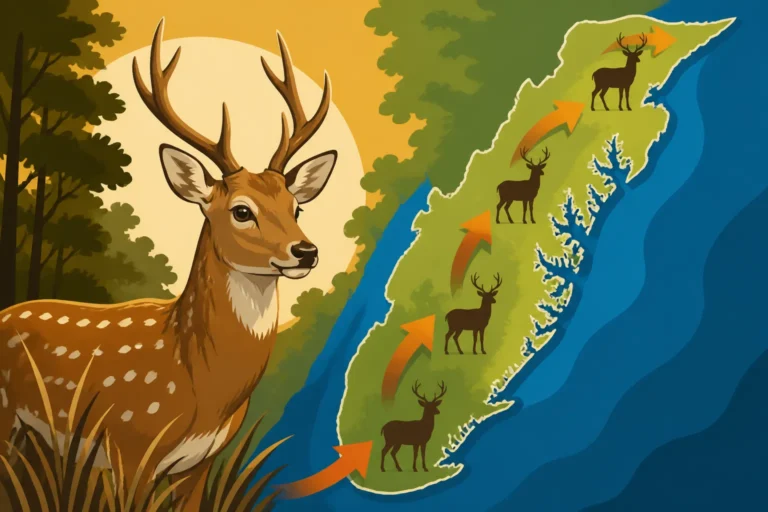
The historical range of the Delmarva fox squirrel once covered the entire Delmarva Peninsula, stretching through parts of Delaware, Maryland, and Virginia. However, habitat loss and fragmentation drastically reduced their numbers and confined them to isolated pockets. Today, in Maryland, you'll find these squirrels primarily in the central and southern portions of the Eastern Shore, particularly in counties like Dorchester, Talbot, Caroline, and parts of Kent and Queen Anne's. Their habitat preference is very specific: they thrive in mature, open hardwood and pine forests with an open understory, which allows them to see predators and forage on the ground more easily. They prefer large trees for denning and mast production.
This specific habitat requirement is crucial because it highlights their vulnerability. As old-growth forests were cleared for agriculture and development, their preferred homes vanished, leading to their decline. The fragmented nature of their current habitat means that individual populations are often isolated, making them more susceptible to localized threats. Understanding their preferred environment is key not just for conservationists, but for hunters. If you're Hunting a Loblolly Pine Cutover or any mature timber stand on the Eastern Shore, especially near waterways or large tracts of forest, there's a higher chance you could encounter one. Tools like GoHunt can be invaluable here, helping you understand different timber types and identify potential Delmarva fox squirrel habitat when scouting.
The Road to Protection: A Conservation Success Story (But Not a Hunting Opportunity)
The story of the Delmarva fox squirrel is a compelling narrative of decline and recovery, showcasing how dedicated conservation efforts can bring a species back from the brink. However, for hunters, it also serves as a stark reminder of the boundaries that exist to protect vulnerable wildlife.
From Near Extinction to Recovery Efforts
By the mid-20th century, the Delmarva fox squirrel population had plummeted to alarmingly low numbers, largely due to extensive deforestation and habitat destruction. Their preferred mature, open woodlands were systematically cleared for farming and urban expansion, leaving them with very few places to live and breed. By the 1960s, they were listed as an endangered species by both federal and state authorities, a classification that meant they were on the verge of extinction.
This dire situation spurred significant conservation action. Efforts focused on habitat preservation, restoration, and translocation programs. Scientists and wildlife managers began moving individuals from healthy, surviving populations to suitable but empty habitats within their historical range. This involved meticulous planning, careful handling of the squirrels, and extensive habitat assessments to ensure the new locations could support them. Landowners and public agencies also worked to protect existing mature forests and implement forest management practices that favored the squirrels, such as selective timber harvests that maintain an open understory. These efforts have slowly but surely paid off, leading to a remarkable rebound in their numbers and range.
Legal Protections and the Federal Listing
Due to these successful recovery efforts, the Delmarva fox squirrel was officially delisted from the federal Endangered Species Act in 2015. This was a monumental achievement, celebrating decades of hard work and demonstrating that conservation truly can work.
However, being delisted federally does not mean they are open for hunting. Maryland still maintains state-level protections for the Delmarva fox squirrel. The species is listed as "Threatened" in Maryland, which means it is still considered vulnerable and requires continued protection and monitoring. This state-level protection prohibits the hunting, trapping, or possession of Delmarva fox squirrels. So, while you might see signs of grey squirrels like Scrape Lines Along a Maryland Field Edge or Late Season Food Sources for Maryland Deer, if you encounter a Delmarva fox squirrel, you must let it be. This continued protection is a safeguard to ensure that the species' recovery is sustained and that it doesn't backslide into endangered status. The state's careful management acknowledges the progress made while also recognizing the need for ongoing vigilance.
Why Hunters Need to Know: Avoiding Costly Mistakes
For any ethical hunter, knowing your target is paramount. With the protected status of the Delmarva fox squirrel, this takes on an even greater importance. Mistaking a protected species for a legal game animal isn't just a simple mistake; it carries significant legal consequences.
The Importance of Positive Identification
When you're out in the field, whether you're deer hunting or specifically targeting small game, you need to be absolutely certain of what you're shooting. This means taking the extra moment to truly identify the animal. Don't just assume every large squirrel is fair game. Remember the key identifiers: the much larger size, the silver-gray back and white belly, and especially that distinct white muzzle and nose. They also tend to move a bit more deliberately than the frantic grey squirrel.
If there's any doubt in your mind, let it walk (or climb). A missed opportunity is far better than facing legal repercussions for an accidental harvest of a protected animal. This diligence is part of responsible hunting and ensures that you're contributing to the conservation efforts that benefit all wildlife. When you're Reading Sign in Maryland Mountain Timber for deer or Hunting a Maryland Hedgerow for Rabbits, keep these distinguishing features in mind, even if you don't expect to see them in all habitats.
Consequences of Accidental Harvest
Accidentally taking a protected Delmarva fox squirrel can lead to serious legal penalties. While regulations can vary, violations of state wildlife laws can include hefty fines, confiscation of equipment (including firearms or bows), loss of hunting privileges, and even potential jail time, depending on the severity and whether it's considered an intentional act. It’s not a situation any hunter wants to find themselves in.
Wildlife enforcement officers are well-versed in the species and their habitats. If you are found with a Delmarva fox squirrel, claiming ignorance is often not a sufficient defense. The responsibility falls squarely on the hunter to know the regulations and accurately identify their target. Education is your best defense against these consequences. Always be aware of the species that are off-limits, especially in areas where their ranges might overlap with huntable species. Understanding Maryland Hunting Licenses and What They Cost is just the start; knowing what you can't hunt is just as vital.
Hunting Other Squirrels in Maryland: Abundant Opportunities Remain
While the Delmarva fox squirrel is off-limits, Maryland still offers fantastic opportunities for small game hunters to pursue other squirrel species. Don't let the protection of one species deter you from enjoying a challenging and rewarding hunt for the others.
Grey Squirrels: Maryland's Common Bushytails
The vast majority of squirrels you'll encounter in Maryland's woodlands are the Eastern Grey Squirrel. These are the adaptable, energetic, and often vocal squirrels that are a staple of small game hunting throughout the state. Grey squirrels are typically smaller than their Delmarva fox squirrel cousins, with a gray coat, white belly, and a noticeably bushy tail that often has a white fringe. They are incredibly common, found in almost every county, from suburban woodlots to vast state forests.
Hunting grey squirrels can be a great way to hone your woodsmanship, practice stalking, and enjoy a brisk morning in the woods. They provide excellent table fare and a rewarding challenge. Maryland's squirrel season is typically long, offering ample opportunity. Whether you're Squirrel Hunting Maryland's September Opener or Working a Maryland Creek Bottom Late in the Season, grey squirrels offer consistent action. Remember, you can check the current Small Game Season Dates and Daily Limits through official Maryland DNR resources to plan your hunt.
Western Maryland's Red Squirrels
For hunters in the westernmost counties of Maryland, like Garrett and Allegany, another species might dart across your path: the American Red Squirrel. These are the smallest of Maryland's huntable squirrels, often recognized by their reddish-brown fur, white belly, and often a faint white ring around their eyes. They're also much more vocal, often emitting a chattering scold when they spot an intruder.
Red squirrels prefer coniferous forests and mixed woodlands, making them a common sight in the higher elevations and denser timber stands of Western Maryland. They're quick, feisty, and can provide a challenging hunt for those seeking a different experience. While less common statewide than grey squirrels, they are a legal and enjoyable target in their specific habitats. When you're Hunting Savage River's High Country or Still-Hunting Western Maryland Mountain Timber, keep an eye out (and an ear open) for these little dynamos.
Here’s a quick comparison to help you distinguish between Maryland's squirrel species:
| Feature | Delmarva Fox Squirrel (Protected) | Eastern Grey Squirrel (Huntable) | American Red Squirrel (Huntable) |
|---|---|---|---|
| Size | Large (up to 25 inches, 2-3 lbs) | Medium (16-20 inches, 1-1.5 lbs) | Small (10-14 inches, 0.5-0.7 lbs) |
| Coloration | Silver-gray back, white belly, white muzzle/nose | Grey back, white belly, sometimes reddish tinges | Reddish-brown back, white belly, often white eye-ring |
| Tail | Long, somewhat flat, less bushy | Very bushy, often with white fringe | Moderately bushy, often reddish |
| Habitat | Mature, open hardwoods/pines (Eastern Shore) | Diverse forests, urban/suburban areas | Coniferous/mixed forests (Western MD) |
| Movement | More deliberate, often on the ground | Agile, quick, mostly arboreal | Extremely quick, vocal, arboreal |
| Status | Protected (Threatened in MD) | Legal game species | Legal game species |
Remember, the goal is always to be a responsible and informed hunter. Knowing which species are protected, where they live, and how to identify them ensures that Maryland's wildlife resources are managed sustainably for future generations.
Disclaimer
This article is for general informational purposes only and does not constitute professional advice. Laws, prices and regulations vary by location and change over time. Consult a qualified professional for guidance on your specific situation.