Hunting a Beaver Swamp on the Lower Shore
Many Maryland hunters feel like they're constantly competing for space in the typical woods or open fields, leading to frustration and fewer productive days afield. But what if I told you that some of the most overlooked, yet incredibly productive, hunting grounds lie in those mucky, tangled beaver swamps scattered across the Lower Shore? This guide is going to walk you through how to unlock the hidden potential of these challenging but rewarding habitats, helping you find success where others might simply see an impenetrable mess.
Understanding the Beaver Swamp Ecosystem on the Lower Shore
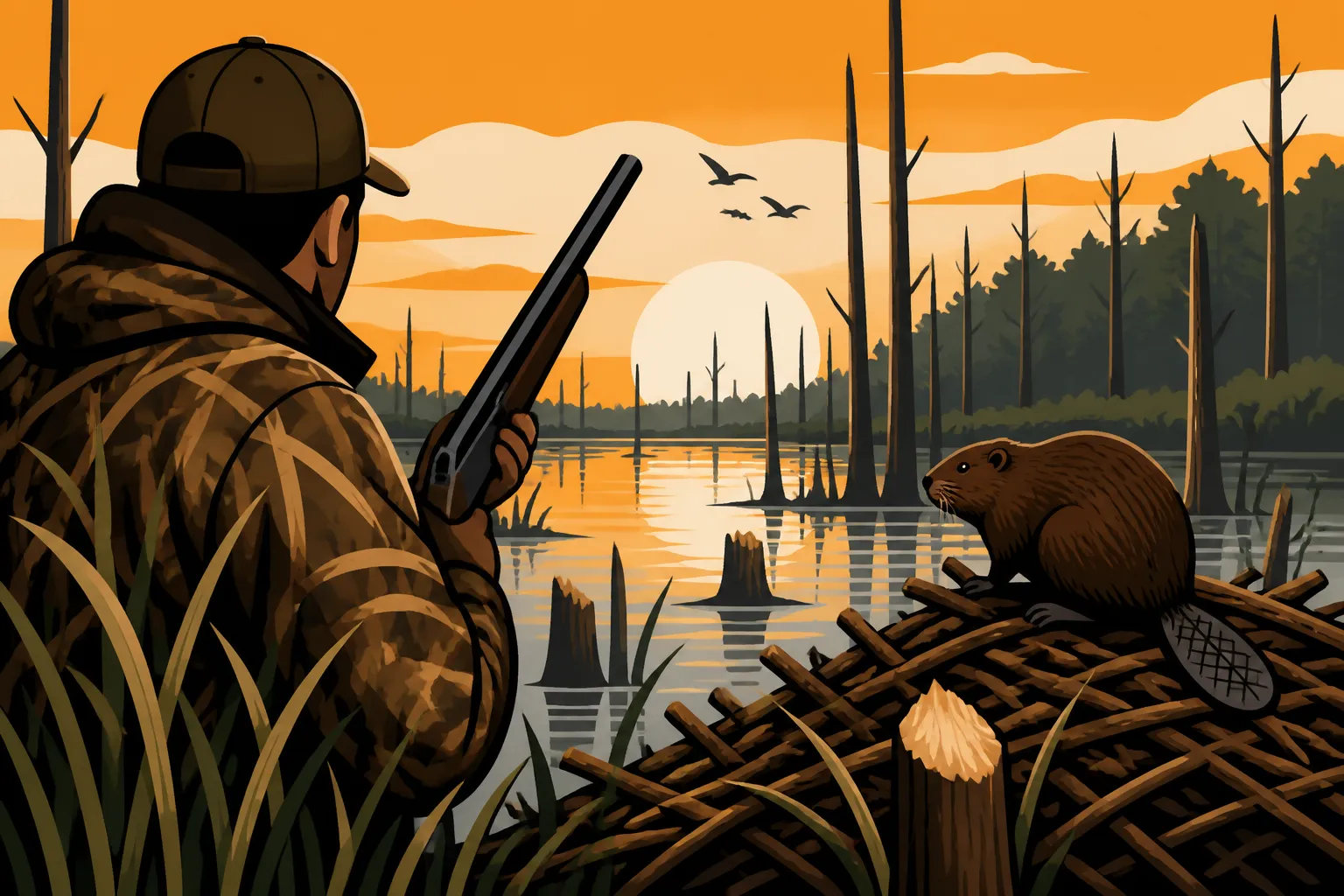
Beaver swamps, particularly on Maryland's Lower Shore, are far more than just soggy, mosquito-ridden patches of woods. They are vibrant, dynamic ecosystems created by one of nature's most industrious engineers, the beaver. These areas are often tucked away, off the beaten path, and demand a bit more effort to access, which is exactly why they tend to hold less hunting pressure and more resident game. If you've ever felt like you're always a step behind other hunters, focusing on these unique habitats can give you a real edge.
Why Beaver Swamps Are Goldmines for Game
Think about it from a deer's perspective, or a duck's, or even a muskrat's. A beaver swamp offers everything they need to thrive, all in one relatively small, protected package. The dams built by beavers create flooded timber and backwater ponds, which then kill off some trees and promote the growth of new, tender vegetation along the edges. This isn't just a watery obstacle; it's a buffet and a fortress.
Deer find both thermal cover and escape cover within the thick, tangled growth and flooded areas that often deter human predators. The mix of woody browse, emergent aquatic plants, and edge habitat provides a diverse food source year-round. They'll use the drier humps and dam tops as bedding areas or travel corridors. For waterfowl, these swamps are literal oases, providing shallow, food-rich waters for dabbling ducks and quiet loafing spots on beaver lodges or humps. You'll find wood ducks, mallards, and even black ducks readily using these pockets of water, especially during migration or cold snaps. Furbearers like muskrats, otters, and of course, beavers, make their homes here, relying on the aquatic environment for survival and sustenance. It’s a complete ecosystem that benefits a wide array of game animals, often right under our noses.
Identifying Productive Beaver Swamps
So, how do you find these hidden gems? It starts with good reconnaissance, usually from the comfort of your home. Aerial maps are your best friend here, and tools like onX Hunt or GoHunt are absolutely invaluable. Look for irregular-shaped water bodies that don't quite fit the natural flow of a stream or creek. You'll often see distinct lines that indicate beaver dams, creating flooded areas upstream. Look for standing dead timber in water, which is a sure sign of past or present beaver activity. The edges will often show dense, varied vegetation compared to surrounding mature timber.
Once you’ve identified potential spots on the map, it’s time for some ground-level detective work. This means pulling on those rubber boots – or chest waders if you’re brave – and getting your feet wet. Look for freshly chewed trees, especially saplings with clean, sharp cuts. You might spot beaver lodges, which are tell-tale mounds of sticks and mud in the water. Keep an eye out for "slides" where beavers or otters enter and exit the water, leaving smooth, muddy trails. Pay close attention to trails leading into and out of the swamp, especially along the dryer edges. These often reveal where deer are accessing the water for a drink or crossing through the dense cover. Don't just focus on the water; the transition zones where swamp meets upland timber are often critical travel corridors.
Scouting Strategies for Lower Shore Beaver Swamps
Scouting a beaver swamp isn't like scouting a typical woodlot. You're dealing with water, dense cover, and often tricky footing. It requires a different mindset and a keen eye for subtle clues that can unlock success during the season. It’s easy to feel overwhelmed by the tangled mess, but a methodical approach will pay dividends.
Reading the Water and Terrestrial Sign
The first thing to understand is how water levels influence game movement. If the swamp is connected to a tidal creek, high and low tides can drastically change access points and food availability. Deer might move through certain areas more freely at low tide when mudflats are exposed, or stick to drier ground when the water is high. Observe where the water pools, where it flows, and where dry pockets or islands exist. These small, elevated areas become critical bedding and staging spots, acting as magnets for deer trying to escape the damp ground.
For deer, you’re looking for those subtle signs along the slightly higher ground and the edges of the swamp. Fresh rub lines on small saplings or established scrape lines can indicate a buck's travel patterns. Scrape Lines Along a Maryland Field Edge Pay close attention to where these deer trails enter and exit the swamp, as these will be your primary ambush points. For waterfowl, you'll be looking for signs of feeding: muddy edges with disturbed vegetation where dabblers have been tipping up, or even just droppings along logs or on top of beaver lodges where birds rest. Knowing what species are using the swamp helps you tailor your hunting approach. Furbearer tracks – the distinct five-toed tracks of a muskrat or the larger, webbed prints of a beaver – will be evident in the soft mud along the water's edge, telling you who else calls this place home.
Timing Your Scouting Missions
Timing is everything when scouting a beaver swamp. Your pre-season visits, usually in late summer or early fall before the foliage gets too dense, are crucial for identifying the main travel corridors, bedding areas, and potential stand sites. This is when you can map out entry and exit routes without alerting game. Use aerial photos on your onX Hunt app to mark these spots, creating waypoints for future reference. It helps immensely to see how the swamp relates to surrounding habitat, like agricultural fields or mature timber, which deer might use for feeding before retreating to the swamp for cover.
Once the season starts, your scouting shifts. Now, you’re looking for fresh activity, new beaver work, and how game movement has changed in response to hunting pressure or weather shifts. A cold snap might push more ducks into the sheltered waters, or a heavy rain might make certain trails impassable, forcing deer to use others. This ongoing observation helps you stay nimble and adapt your tactics. If permitted, trail cameras can be a game-changer for beaver swamps, allowing you to monitor activity in real-time without constant physical presence. Where to Hang a Camera on a Maryland Field Edge Placing cameras on those narrow dry passages or along the edge of the water can reveal exactly when and where deer are moving.
Hunting Tactics for the Beaver Swamp Environment
Hunting a beaver swamp is not for the faint of heart, but the rewards can be significant. It demands patience, specialized gear, and a willingness to embrace the challenging environment. The dense cover and water create natural funnels and sanctuaries that game animals instinctively gravitate towards.
Deer Hunting in the Flooded Timber
When it comes to deer, beaver swamps act as incredible security cover. Often, the deer you find here are mature animals that have learned to avoid pressure by sticking to these thick, wet areas. Your stand placement is paramount. Look for pinch points where dry ground funnels deer movement—perhaps a narrow strip of land between two flooded sections, a sturdy beaver dam they cross, or the subtle elevation changes that create an island within the swamp. Identify these natural bottlenecks by following the deer trails you found while scouting. Setting up an elevated stand or even a ground blind on a solid hummock can give you the visibility you need in the dense cover.
Entry and exit strategies are critical here, perhaps more so than in any other habitat. The sound of wading through water or rustling through thick briars can carry surprisingly far in the still air of a swamp. Plan your approach and departure meticulously, ideally using prevailing winds and routes that minimize disturbance. Entry Routes Through Cut Corn Before Daylight Often, the best routes involve wading rather than pushing through brush, as water movement can be quieter. For weaponry, bowhunting is often the most practical choice due to the close quarters and dense cover. A clear shooting lane might only be 20 yards. Bowhunting Maryland's Long Archery Season Be prepared for a tough retrieve; tracking a deer into knee-deep mud and water after dark is a challenge. Blood Trailing in Marsh Grass After Dark
Waterfowl Opportunities in Beaver Ponds
Beaver ponds can be absolute magnets for dabbling ducks like wood ducks, mallards, and black ducks, especially during migration or when larger bodies of water freeze over. One effective tactic is jump-shooting. This involves quietly approaching the edges of the swamp, often by wading along channels or sneaking through dense cover, to surprise ducks that are loafing or feeding. Jump-Shooting a Marsh Gut on a Falling Tide It requires stealth and quick reflexes, but can be incredibly exciting.
Another option is to set up a small decoy spread. You don't need dozens of decoys in these tight spaces. A half-dozen mallards and wood ducks, strategically placed near a beaver lodge or along a flooded timber edge, can be very effective. Look for natural breaks in the vegetation or open pockets of water where ducks will feel comfortable landing. Subtle calling—soft hen quacks and feed calls—is often all you need, as loud calling can sound unnatural in such a confined area. Concealment is key; use natural vegetation like fallen logs, thick cattails, or a small pop-up blind on a dry hump to blend seamlessly into the environment.
Small Game and Furbearer Potential
Don't overlook the incredible opportunities for small game and furbearers in a beaver swamp. The upland edges and dryer islands within the swamp are often teeming with squirrels and rabbits. Gray squirrels will often use the mature timber around the perimeter, while fox squirrels might prefer the more open, mixed woods found near swamp edges in some areas. Squirrel Hunting Maryland Hardwood Ridges The dense briar patches and woody debris along the transition zones provide perfect cover for cottontail rabbits. Rabbit Hunting Maryland Farm Hedgerows Hunting these areas can be a great way to introduce new hunters to the field or simply enjoy a different kind of challenge.
For those interested in trapping, beaver swamps are prime real estate. Muskrats thrive in the emergent vegetation and channels, and beavers, of course, are the architects of the entire habitat. Setting traps for muskrats in a Dorchester Marsh beaver swamp can be very productive. Trapping Muskrat in a Dorchester Marsh Additionally, otters are often found in these areas, preying on fish and other aquatic life. Understanding the habits of these furbearers and placing your traps strategically can yield significant success, turning a challenging landscape into a valuable resource. Trapping Maryland Furbearers Through Winter Retrieval of trapped animals, just like shot game, can be a muddy and wet endeavor, so always be prepared.
Essential Gear and Safety for Swamp Hunting
Hunting a beaver swamp is undeniably challenging, and it demands the right gear and a healthy respect for the environment to ensure a safe and successful trip. You can't just show up with your typical deer hunting setup and expect to have an easy time of it. Preparation is your best friend here.
Wading Gear and Navigation
Your choice of wading gear is probably the most critical decision you'll make. The water in a beaver swamp can range from ankle-deep to waist-deep, sometimes within a few steps. Hip boots might suffice for the very shallow edges, but for true exploration and getting into the heart of the swamp, chest waders are almost always a better bet. You want something durable and puncture-resistant, as you'll be pushing through briars, submerged sticks, and sharp stumps. Always consider the temperature, too. Neoprene waders offer warmth in colder weather, while breathable models are better for early season or warmer days. If you're debating between the two, think about the deepest water you might encounter, not just what you expect. Hip Boots Versus Chest Waders in Sika Country
Navigation is another huge hurdle in these dense, disorienting environments. The thick timber and meandering water make it incredibly easy to get turned around, especially when focused on tracking game or during low light conditions. A reliable GPS unit or a smartphone with detailed mapping apps like onX Hunt or GoHunt is essential. Mark your entry point, your stand locations, and any tricky obstacles. Always carry a compass as a backup, and know how to use it. Tell someone exactly where you're going and when you expect to return. Getting lost in a swamp can quickly become a serious situation, so never cut corners on navigation.
Retrieval and Processing Challenges
The moment of truth arrives when you've successfully harvested an animal in a beaver swamp, and now you face the formidable task of getting it out. Extracting a deer, or even a heavy bag of ducks, from deep mud and water is an immense undertaking. Drag sleds can be helpful, but they're not always practical if you're frequently wading or crossing deep channels. If you're fortunate enough to hunt an area with some slightly firmer ground, a game cart might work on the edges, but don't count on it for the really swampy parts. Often, it comes down to sheer muscle power and teamwork with a hunting buddy. Don't be afraid to field dress your animal right there in the swamp to lighten the load; it's going to be a messy job regardless. Field Dressing a Deer in Warm September Weather
Processing your game after a swamp hunt also presents unique challenges. The Lower Shore can be warm even into the late fall, so keeping your game cool and clean is paramount to preserving the meat. Once you get the animal out, get it cooled down as quickly as possible. This might mean having coolers full of ice ready at your vehicle. The nature of swamp hunting often means more mud and debris on your animal, so extra care will be needed during skinning and butchering to ensure cleanliness. Plan ahead for these logistical hurdles, and you'll thank yourself later.
| Gear Item | Purpose | Why It's Essential in a Beaver Swamp |
|---|---|---|
| Chest Waders | Staying dry and warm in deep water/mud | Navigating flooded timber, crossing channels, staying concealed |
| GPS/Mapping App | Navigation and marking waypoints | Preventing getting lost in dense, disorienting terrain |
| Waterproof Backpack | Protecting electronics, food, extra layers | Keeping essentials dry from splashes and accidental submersions |
| Headlamp/Flashlight | Visibility in low light conditions | Safe entry/exit, tracking, and field dressing after dark |
| Game Vest/Decoy Bag | Carrying harvested game or decoys | Transporting ducks or small game through challenging terrain |
| First-Aid Kit | Addressing minor injuries | Essential for cuts, scrapes, insect bites, and falls |
| Puncture Repair Kit | Fixing wader leaks in the field | Preventing a miserable, wet hunt from a small tear |
| Water Bottle/Filter | Staying hydrated | Physical exertion and difficulty of access to clean water |
Disclaimer
This article is for general informational purposes only and does not constitute professional advice. Laws, prices and regulations vary by location and change over time. Consult a qualified professional for guidance on your specific situation.