Maryland Outfitters on the Lower Eastern Shore
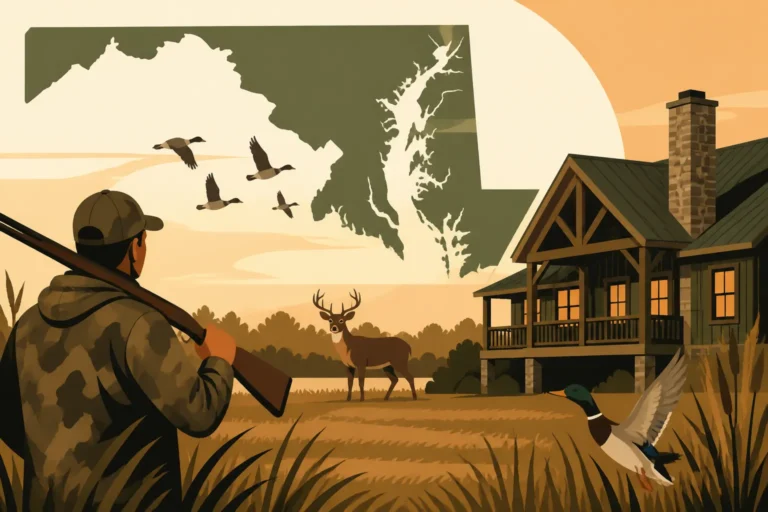
Trying to navigate the world of guided hunts on Maryland's Lower Eastern Shore can feel like wading through an unfamiliar marsh at high tide – a little disorienting, and you're not quite sure where solid ground is. You've heard tales of incredible sika deer experiences and fantastic waterfowl hunts, but actually finding a reputable outfitter who can deliver on those promises, especially if you're not from the area, can be a real challenge. This comprehensive guide is here to shed light on what to expect from Maryland outfitters on the Lower Eastern Shore, helping you understand your options, vet potential guides, and ultimately book a successful and memorable hunting adventure.
What Makes the Lower Eastern Shore Unique for Hunters?
The Lower Eastern Shore of Maryland isn't just a geographical location; it's a distinctive hunting ecosystem unlike many other parts of the state. Its unique blend of habitat, species, and hunting culture sets it apart, making guided trips particularly appealing for those looking to experience its distinct offerings.
Geography and Habitat
When you think of the Lower Eastern Shore, visions of vast tidal marshes, winding creeks, and dense loblolly pine forests immediately come to mind. Counties like Dorchester, Somerset, and Wicomico are dominated by this landscape. This is a region shaped by the Chesapeake Bay and its tributaries, where land often transitions seamlessly into water. The wetlands, particularly the phragmites and Spartina grasses, create incredibly dense cover for game and offer challenging, yet rewarding, hunting environments. Access can be difficult, often requiring specialized boats or intimate knowledge of tide charts and marsh trails. This intricate network of land and water is precisely why many hunters seek out a local guide; navigating it successfully requires experience and specialized equipment that an outfitter can readily provide.
Target Species
While Maryland offers a variety of game, the Lower Eastern Shore is particularly renowned for two species that draw hunters from far and wide: sika deer and a diverse array of waterfowl. Sika deer, often called "Japanese elk" by locals, are an introduced species that thrive in the marsh and pine habitats. Their smaller size, unique whistling calls, and challenging terrain make them a highly sought-after trophy. Alongside them, healthy populations of white-tailed deer roam the agricultural fields and woodlots.
For waterfowl hunters, the Lower Eastern Shore is legendary. Its proximity to the Chesapeake Bay and the Atlantic flyway means a steady migration of ducks and geese. You'll find a mix of puddle ducks like mallards and black ducks in the shallow marshes and impoundments, while the open waters attract diving ducks such as canvasbacks, redheads, and bluebills. Canada geese also utilize the vast grain fields of the region, offering incredible field hunting opportunities. Sika Deer Hunting in Maryland's Tidal Marshes and Waterfowl Hunting Maryland's Chesapeake Bay are defining experiences here.
Hunting Pressure and Regulations
Like any popular hunting destination, the Lower Eastern Shore does experience hunting pressure, especially on public lands and during peak seasons like the sika rut or the opening of waterfowl season. However, many outfitters operate on large tracts of private land, which can offer a more controlled and less pressured hunting experience. Understanding the local regulations, specific bag limits for sika deer, and waterfowl zone dates is crucial. Maryland also has specific rules regarding Sunday hunting, which can vary by county and land type, so always double-check with your outfitter. A good guide will be intimately familiar with all these nuances, ensuring a legal and ethical hunt. Keep in mind that securing the appropriate Maryland Hunting Licenses and What They Cost and specific stamps, like the Maryland's Sika Deer Stamp and Bag Limits, is a prerequisite for any hunt in the area.
Types of Guided Hunts Available on the Lower Eastern Shore
The Lower Eastern Shore offers a rich tapestry of hunting experiences, primarily centered around its unique deer populations and world-class waterfowl opportunities. Outfitters here specialize in delivering these distinct adventures.
Sika Deer Hunts
Sika deer hunting is arguably the most iconic experience the Lower Eastern Shore has to offer. These smaller, elusive deer are a formidable challenge, and many hunters choose a guide specifically for this species. Guided sika hunts often involve navigating the dense marshlands by boat, setting up in strategically placed ground blinds or elevated stands along marsh guts or pine islands, and calling during the rut. The guides possess an intimate knowledge of sika behavior, their preferred bedding areas in phragmites, and the intricate trail systems through the seemingly impenetrable marsh grass.
A typical guided sika hunt might start before dawn, with a boat ride through winding creeks to a remote marsh island. Your guide will have scouted the area extensively, looking for fresh sign like rubs, scrapes, and wallows. They'll know the tide patterns and how sika deer move in response to them. You might spend hours listening for the distinctive sika "whistle" – a sound unlike any other deer vocalization – or watch the edges of loblolly pines for movement. Outfitters like those found through platforms like BookYourHunt often highlight their success rates with sika, but it's important to understand that it's a challenging hunt. What a Dorchester County Sika Guide Provides typically includes access to prime hunting ground, transportation, and expert calling.
Whitetail Deer Hunts
While sika deer get a lot of attention, the Lower Eastern Shore also offers excellent white-tailed deer hunting, especially on the numerous farms and private timber tracts. Many outfitters here offer combination hunts or dedicated whitetail packages. These hunts typically involve hunting from treestands or ground blinds overlooking agricultural fields (corn, soybeans, winter wheat), food plots, or natural funnels between woodlots.
The whitetail season runs concurrently with much of the sika season, offering flexibility. Guides will focus on areas with ample food sources and cover, often using trail camera intelligence to pattern deer movement. If you're looking for a chance at a mature Eastern Shore buck, a guided whitetail hunt can provide access to well-managed private properties that are otherwise inaccessible. This can be a more traditional deer hunting experience compared to the rugged marsh sika hunt, often involving comfortable blinds and established travel corridors.
Waterfowl Hunts (Ducks and Geese)
Waterfowl hunting on the Lower Eastern Shore is a deeply ingrained tradition. Outfitters specialize in various types of waterfowl hunts, catering to different preferences and target species.
- Marsh Duck Hunts: These hunts typically target puddle ducks such as mallards, black ducks, and teal. Guides will set up elaborate decoy spreads in natural marsh guts, impoundments, or along shorelines. You'll often hunt from a well-camouflaged boat blind, layout blind on the bank, or a permanent marsh blind. The action can be fast and furious, especially during strong migration pushes. The guides are masters of decoy placement and calling, understanding how local weather and tides influence duck movement. Jump-Shooting Ducks on an Eastern Shore Gut is another exciting, albeit less common with guides, method often found in these marshes.
- Field Goose Hunts: Maryland's Eastern Shore is famous for its incredible Canada goose hunting. Outfitters manage large grain fields where geese feed, utilizing pit blinds, layout blinds, or standing blinds to conceal hunters amidst massive decoy spreads. These hunts can offer incredibly close-range shooting as large flocks of geese commit to the decoys. Guides often employ callers to bring birds in range, making for an exhilarating experience.
- Open Water Diver Hunts: For those seeking the thrill of diving ducks like canvasbacks, redheads, and bluebills, outfitters operating on the larger tidal rivers and open bays offer specialized hunts. These can involve hunting from stationary offshore stake blinds, traditional sink boxes, or even layout boats. This type of hunting requires specific gear and knowledge of open water safety, making a guide almost essential for those unfamiliar with the region. Decoying Divers on Maryland's Open Bay is a classic Eastern Shore pursuit.
Key Considerations When Choosing a Lower Eastern Shore Outfitter
Selecting the right outfitter can make or break your hunting trip. On the Lower Eastern Shore, where specialized knowledge and access are paramount, careful vetting is even more important.
Researching Reputable Guides
Before you commit to a hunt, dedicate significant time to researching potential outfitters. Start by looking for guides who specialize in the species and type of hunt you're interested in (sika, whitetail, waterfowl). Websites like BookYourHunt can be great starting points, as they often feature reviews and detailed descriptions of services. Don't just rely on flashy websites; dig deeper.
- Online Reviews and Testimonials: Look for consistent patterns in reviews, both positive and negative. Pay attention to comments about communication, guide knowledge, property access, and overall experience. Remember, a bad review doesn't always mean a bad outfitter, but repeated issues should be a red flag.
- References: A reputable outfitter should be happy to provide references from past clients. Call these references and ask specific questions: Was the hunt as described? Did the guide communicate well? Were they professional and knowledgeable? What was the general atmosphere of the camp or blind? Did you feel safe and well-prepared?
- Social Media: While not always a definitive source, an outfitter's social media presence can offer a glimpse into their operations, recent successes, and how they interact with clients. Look for consistency in their content and responsiveness.
- Forums and Hunting Groups: Online hunting forums dedicated to Maryland hunting or specific species like sika deer can be invaluable. Ask for recommendations or inquire about specific outfitters. You'll often get honest, unfiltered opinions from fellow hunters.
Licensing and Insurance
This is a critical, non-negotiable aspect of choosing a guide. Maryland has specific licensing requirements for hunting guides, especially for waterfowl. An outfitter or guide should be properly licensed by the Maryland Department of Natural Resources (DNR). For waterfowl guides operating on navigable waters, they often need additional U.S. Coast Guard credentials. Never hesitate to ask an outfitter for proof of their licenses and insurance.
- Guide Licenses: Ensure your guide holds a valid Maryland hunting guide license. This indicates they've met the state's requirements. For waterfowl, a separate Maryland Migratory Bird Stamp Requirements is also essential, and guides often operate under specific outfitter permits.
- Insurance: A professional outfitter will carry liability insurance. This protects both them and you in the event of an unforeseen incident. Accidents, though rare, can happen in the field, and knowing your guide is insured provides peace of mind.
- Permits for Public Land: If the hunt involves any public land, confirm that the outfitter has the necessary permits or special use authorizations. For example, some areas like Blackwater National Wildlife Refuge or certain WMAs have specific lottery or permit requirements even for guides.
Communication and Expectations
Clear and consistent communication before, during, and after your hunt is vital. A good outfitter will be proactive in discussing expectations, what's included, and what's not.
- Ask Detailed Questions: Don't be shy. Inquire about the typical hunting day, group size, equipment they provide, expected weather conditions, success rates (and what "success" means to them – a kill, an opportunity, or a great experience?), and how they handle wounded game. Ask about specific details related to Hunting Maryland's Lower Eastern Shore Marshes like boat access or wading requirements.
- Define "Success": Be realistic about what constitutes a successful hunt for you. Is it bagging a trophy sika stag, just seeing one, enjoying the marsh environment, or filling a limit of ducks? Communicate this clearly to your guide. A professional outfitter manages expectations responsibly; they won't guarantee a kill, but they will guarantee a dedicated effort and a safe, enjoyable experience.
- Review Contracts: Reputable outfitters often provide a contract outlining the dates, services, payment schedule, cancellation policy, and liability waivers. Read it carefully and ask for clarification on anything you don't understand.
Navigating the Logistics of a Guided Hunt
Once you've chosen your outfitter, the next step is to prepare for the actual trip. Logistical planning is crucial, especially when traveling to a new area like the Lower Eastern Shore.
Booking Process and Deposits
Booking a guided hunt often requires planning well in advance, especially for prime dates during the sika rut or peak waterfowl migration. Many reputable outfitters book out a year or more in advance.
- Timing Your Booking: If you have specific dates in mind, especially for popular seasons like Hunting the Rut in Early to Mid November for whitetails or the September sika whistle, you'll want to contact outfitters early. Summer is often a good time to book for the following fall/winter season.
- Deposit Requirements: Almost all outfitters require a non-refundable deposit to secure your hunt dates. This typically ranges from 25-50% of the total hunt cost. Understand the terms regarding this deposit, including deadlines for final payment and cancellation policies. What happens if they have to cancel due to unforeseen circumstances? What if you have to cancel? Clear policies protect both parties.
- Confirm Everything in Writing: After booking, ensure you receive a written confirmation detailing your hunt dates, the agreed-upon services, pricing, and payment schedule. This document is essential for your records. Consider using platforms like GoHunt or BookYourHunt to help manage your bookings and track communications.
What to Pack for the Region
The Lower Eastern Shore can present diverse weather conditions, from warm early-season archery days to bitterly cold winter waterfowl mornings. Packing appropriately is key to comfort and safety.
- Clothing Layers: Think layering. Early fall can be mild, but mornings are cool, and evenings can get chilly. Winter hunting demands serious insulation. Waterproof outer layers are non-negotiable, especially for marsh or waterfowl hunts where you'll be exposed to dampness, rain, or spray. Good quality base layers, fleece, and a windproof, waterproof outer shell will serve you well.
- Footwear: For sika and marsh hunts, chest waders are often a must. Your guide will advise on specific requirements. For field hunts or whitetail, waterproof, insulated boots are standard. Always bring an extra pair of socks! Hip Boots Versus Chest Waders in Sika Country is a real question many hunters face here.
- Gear:
- Firearm/Bow and Ammunition: Ensure your weapon is sighted in and you have appropriate ammunition (non-toxic shot for waterfowl is mandatory).
- Optics: Binoculars are crucial for spotting game, especially in dense cover or across open water.
- Thermos: Hot coffee or soup can be a lifesaver on cold mornings.
- Snacks and Water: Stay hydrated and fueled.
- Headlamp: For early morning setups and late evening retrieves.
- Bug Spray: Especially important for early season sika hunts in the marsh.
- Cooler: For transporting your game meat home.
- Safety Gear: A personal flotation device (PFD) is required for boat travel during waterfowl hunts. Your outfitter should provide these, but always ask. Blaze orange is required during certain firearms seasons for deer. Maryland Blaze Orange Requirements specify when and how much.
Travel and Accommodation
Getting to and staying on the Lower Eastern Shore requires a bit of planning, especially if you're coming from out of state.
- Driving vs. Flying: The Lower Eastern Shore is accessible by car, but for those flying in, Salisbury Regional Airport (SBY) is the closest option, offering connections to larger hubs. Baltimore/Washington International Thurgood Marshall Airport (BWI) is a larger international airport but involves a longer drive (2-3 hours) across the Chesapeake Bay Bridge. Which Airport to Fly Into for the Hunt really depends on your starting point and budget.
- Local Lodging: While some outfitters offer lodging as part of their package, many do not. You'll likely need to arrange your own accommodations in nearby towns such as Easton, Cambridge, Salisbury, or Princess Anne. Options range from chain hotels to charming bed and breakfasts, or even rental properties like those found on Airbnb or VRBO. Discuss this with your outfitter to find the most convenient location relative to your hunting grounds. Maryland Hunting Lodges on the Eastern Shore often cater specifically to hunters.
- Meals: Clarify with your outfitter whether meals are included. If not, plan to either bring your own food or dine at local restaurants. Many Eastern Shore towns offer fantastic seafood, so you might want to factor in a celebratory meal!
Understanding Outfitter Services and Pricing
Deciphering what's included in a guided hunt package and how pricing is structured can sometimes feel like trying to read a tide chart without knowing the moon phase. Here’s a breakdown to help you understand.
What's Typically Included
Most guided hunt packages on the Lower Eastern Shore aim to provide a comprehensive experience, covering the essentials you'll need for a successful and enjoyable trip. However, the exact inclusions can vary widely between outfitters and specific hunt types.
- Access to Private Land: A primary reason to hire an outfitter is gaining access to prime hunting ground that you wouldn't otherwise be able to reach. This often means large tracts of private land managed specifically for hunting, reducing pressure and increasing your chances.
- Guide Services: This is the core offering. Your guide will lead the hunt, provide expertise on game movement, habitat, and calling, and assist with tracking and retrieval. For waterfowl, this includes setting decoys and calling. For deer, it might involve scouting, stand placement, and game recovery. What a Guide Fee Usually Covers is primarily this expert labor and access.
- Transportation During the Hunt: This typically means getting you from a meeting point to the hunting location. For marsh hunts, this is usually via a specialized boat. For field hunts, it might be an ATV or a truck to reach blinds.
- Blinds/Stands: Outfitters provide pre-established, safe, and effective hunting positions, whether it's a comfortable pit blind for geese, a layout blind in a field, a permanent marsh blind for ducks, or a treestand for deer.
- Field Dressing/Game Recovery: Most guides will assist with field dressing your harvested animal and getting it out of the woods or marsh. This can be particularly challenging with a sika deer in a deep marsh, where specialized equipment and effort are needed. Recovering a Deer From a Tidal Marsh is a skill your guide will undoubtedly possess.
- Assistance with Registration: Your guide may also help you with the mandatory Registering a Maryland Deer by Phone or App after a successful harvest.
Understanding Hidden Costs and Exclusions
It's crucial to clarify what is not included in the advertised price to avoid any unpleasant surprises. Many first-time guided hunters get caught off guard by these additional expenses.
- Licenses and Stamps: This is almost universally not included. You are responsible for purchasing your Maryland hunting license, specific deer stamps (like the Bonus Antlered Deer Stamp), and the Maryland Migratory Game Bird Stamp if hunting waterfowl. Always budget for these well in advance.
- Lodging and Meals: As mentioned, some outfitters offer these, but many operate purely as guide services, meaning you'll need to secure your own accommodations and food. Be sure to ask.
- Weapon and Ammunition: You'll bring your own firearm or bow and ammunition. While some outfitters might have rentals available in a pinch, it's best to rely on your own familiar equipment.
- Meat Processing and Taxidermy: After the field dressing, you are responsible for getting your game processed and, if desired, to a taxidermist. Your guide can usually recommend local services, but the cost is yours. Finding a Processor Near Your Maryland Hunt is an important piece of research if you plan to take meat home.
- Gratuities (Tips): Tipping your guide is standard practice and expected, just like tipping in other service industries. This is a significant part of a guide's income.
- Personal Gear: Your clothing, boots, optics, and other personal hunting gear are your responsibility to bring.
Tipping Etiquette
Tipping is an important part of the hunting guide industry, and it reflects your appreciation for their hard work, expertise, and dedication.
- General Guidelines: A typical tip for a hunting guide ranges from 15-20% of the total hunt cost. For an exceptional experience, you might offer more. If the experience was subpar, you might adjust, but always consider the effort put in, even if game wasn't harvested. Remember, many factors are beyond a guide's control (weather, animal movement).
- When to Tip: It's customary to give the tip directly to your guide at the end of the hunt, often on the last day. Cash is usually preferred.
- Factors to Consider:
- Effort and Dedication: Did the guide work tirelessly to put you on game? Did they adapt to changing conditions?
- Professionalism: Was the guide knowledgeable, safe, and courteous?
- Hospitality: Did they go the extra mile to make your trip comfortable and enjoyable?
- Success (but not solely): While harvesting game is the goal, it shouldn't be the only factor in determining a tip. A skilled guide can give you an incredible experience even on a tough day.
- Tipping Support Staff: If there are other staff members who significantly contributed to your trip (e.g., camp cooks, bird dog handlers), it's considerate to offer a smaller separate tip to them as well. For more on this, look into How Much to Tip a Waterfowl Guide or How Much to Tip a Big Game Guide.
Common Misconceptions and Tips for Success
Even with the best outfitter, approaching a guided hunt with the right mindset is crucial. There are common pitfalls and misunderstandings that can sour an otherwise great experience.
"Guaranteed" Kills Versus Ethical Hunting
One of the biggest misconceptions, especially for newer hunters, is that booking a guided hunt guarantees a kill. This simply isn't true, and any outfitter promising a "guaranteed kill" should be viewed with extreme skepticism.
- Wild Animals are Wild: You are hunting wild animals in their natural environment. Weather, animal movement, and even your own shooting ability all play a role. A guide's job is to put you in the best possible position and maximize your opportunities, but they cannot control every variable.
- Ethical Hunting First: A reputable outfitter prioritizes ethical hunting practices and fair chase. They will not resort to unethical methods to ensure a harvest. This means respecting bag limits, season dates, and the animals themselves. They are there to facilitate a genuine hunting experience, not a shooting gallery.
- Focus on the Experience: Shift your focus from just pulling the trigger to the entire experience: the beautiful marsh sunrises, the thrill of hearing a sika whistle, the camaraderie, learning new skills, and connecting with nature. If a harvest happens, it's the fantastic culmination of that experience.
The Reality of Public vs. Private Land Access
The Lower Eastern Shore has a mix of public and private hunting lands. While some public lands offer excellent opportunities, outfitters primarily thrive by providing access to private, often well-managed, ground.
- Private Land Advantages: Outfitters who lease or own extensive private acreage offer several advantages: reduced hunting pressure, game management practices that can lead to higher quality animals, exclusive access to prime feeding and bedding areas, and more flexibility in blind placement. This is often where the significant investment in a guided hunt truly pays off.
- Public Land Hunting: While Maryland has fantastic public lands like Fishing Bay Wildlife Management Area and Deal Island Wildlife Management Area that offer challenging DIY hunts, a guided trip on public land is less common and often involves different regulations. If an outfitter does use public land, clarify what permits or special access they have, as public land can sometimes be very crowded.
- Respecting Boundaries: Even on private land with a guide, understanding and respecting property boundaries is vital. Guides are meticulous about this, as trespassing can lead to serious legal issues for both them and you.
Making the Most of Your Experience
To ensure your guided hunt on the Lower Eastern Shore is everything you hoped for and more, take an active role in making it a success.
- Be Prepared and Punctual: Show up on time (or early!) with all your gear in order. A guide's schedule is often tight, especially for waterfowl hunts that start well before dawn. Being late impacts everyone.
- Listen to Your Guide: They are the experts on the ground. Pay attention to their instructions regarding safety, shooting lanes, calling, and animal behavior. They know the property and the game better than anyone.
- Practice Your Shooting: Whether it's bowhunting for deer or shooting clays for waterfowl, practice extensively before your trip. There's nothing more frustrating than missing an opportunity because you weren't proficient with your weapon. Practicing Before a Guided Waterfowl Hunt is crucial.
- Stay Positive: Even on slow days, maintain a positive attitude. Hunting is about perseverance, enjoying the outdoors, and the pursuit. A good attitude is infectious and makes the experience better for everyone.
- Ask Questions: Don't be afraid to ask your guide about the local ecology, the history of the area, or their techniques. This is an incredible opportunity to learn from a seasoned professional.
Here's a quick comparison of what to expect from common outfitter services on the Lower Eastern Shore:
| Hunt Type | Primary Target Species | Typical Terrain | Common Inclusions | Gear Often Required from Hunter | Key Challenges |
|---|---|---|---|---|---|
| Sika Deer Hunt | Sika Deer | Tidal Marshes, Pine Islands | Boat transport, stands/blinds, calling, game recovery | Chest waders, binoculars | Dense cover, tide changes, elusive deer |
| Whitetail Deer | White-tailed Deer | Agricultural fields, woodlots | Stands/blinds, scouting, game recovery | Waterproof boots, quiet clothing | Wary deer, patterning movement |
| Marsh Duck Hunt | Mallards, Black Ducks, Teal | Shallow marshes, impoundments | Boat transport, decoy spreads, calling, blind | Chest waders, non-toxic shot | Weather dependency, decoy placement, bird ID |
| Field Goose Hunt | Canada Geese, Snow Geese | Cut grain fields | Pit/layout blinds, large decoy spreads, calling | Warm clothing, non-toxic shot | Wind/weather, committing large flocks |
| Diver Duck Hunt | Canvasbacks, Redheads | Open bay, tidal rivers | Offshore blinds/layout boats, decoys, calling | Waterproof gear, PFD, non-toxic shot | Open water safety, rough conditions, long shots |
Ultimately, a guided hunt on the Lower Eastern Shore is an investment in an experience. With proper research, clear communication, and realistic expectations, you can embark on a truly unforgettable adventure in one of Maryland's most unique hunting landscapes.
Disclaimer
This article is for general informational purposes only and does not constitute professional advice. Laws, prices and regulations vary by location and change over time. Consult a qualified professional for guidance on your specific situation.