Outfitters in Southern Maryland
For many hunters, gaining consistent access to quality hunting ground in Southern Maryland can feel like an uphill battle. With a mix of private land, limited public tracts, and sprawling suburban areas, figuring out where to pursue deer, waterfowl, or turkeys often becomes the biggest challenge before the season even opens. This guide will walk you through the world of hunting outfitters in Southern Maryland, detailing the types of services they offer, what to consider when booking, and how they can unlock prime hunting opportunities you might otherwise miss.
Understanding Southern Maryland's Unique Hunting Landscape
Southern Maryland, encompassing Calvert, Charles, and St. Mary's counties, presents a distinct hunting environment compared to other parts of the state. While it might not have the vast public forests of Western Maryland or the expansive grain fields of the Eastern Shore, it offers its own blend of diverse habitats and species, often in surprising proximity to populated areas.
Deer Population and Habitat in the Southern Region
White-tailed deer thrive in Southern Maryland, often reaching impressive sizes thanks to a mix of agricultural fields, mature hardwoods, and dense creek bottoms. However, much of the prime deer habitat is on private land, making access a real concern for many hunters. You'll find deer utilizing everything from small woodlots tucked between housing developments to large tracts of timber and sprawling farm fields. The deer here are often accustomed to human activity, which can make them both challenging and rewarding to hunt. An outfitter often has exclusive access to these private parcels, which can be a game-changer when you're tired of competing on pressured public lands.
The terrain itself is generally rolling, with numerous small creeks and drainages feeding into the Chesapeake Bay and Potomac River. These water features create natural funnels and bedding areas that deer rely on. Hunters often find success by focusing on these pinch points or identifying key food sources like acorns in oak bottoms or browse in recent timber cuts. Understanding these nuances is where an experienced local outfitter truly shines, as they've spent countless hours scouting these specific areas. Hunting Southern Maryland's Woods and Creeks offers more insight into these local conditions.
Waterfowl Opportunities Along the Bay and Rivers
Southern Maryland's extensive shoreline along the Chesapeake Bay and its tributaries, particularly the Patuxent River and Potomac River, provides fantastic opportunities for waterfowl hunting. You'll find a variety of ducks, from puddle ducks like mallards and black ducks in the tidal guts and shallow marshes to diving ducks such as canvasbacks and scaup on the open water. Canada geese also frequent the region, often flying between agricultural fields and their roosting waters.
Access to prime waterfowl spots often requires private land permission for shore blinds or specialized boats for open water hunting. This is where many outfitters in Southern Maryland focus their efforts, providing access to established blinds, layout boats, or marsh access that would be difficult or impossible for the average hunter to secure independently. Decoying strategies are key, and a good outfitter will have well-maintained spreads and intimate knowledge of local bird movements. You can learn more about these birds in Ducks of Maryland's Chesapeake Bay and Maryland's Canada Geese and Their Two Populations.
Turkey, Small Game, and Upland Birds
Beyond deer and waterfowl, Southern Maryland also offers a vibrant wild turkey population. Spring gobbler hunting can be excellent, particularly on larger tracts of timbered land with mixed agriculture. These birds can be challenging, but a knowledgeable guide can help you locate roosts and understand local patterns. Wild Turkeys in Maryland provides a broader overview of the state's turkey population.
Small game like rabbits and squirrels are also present, often found in hedgerows, brushy fields, and mature hardwoods. While not typically the focus of outfitter services, some private landowners offering deer or turkey hunts might also allow small game opportunities if specifically requested. Upland birds are less common for guided hunts, with wild pheasant and quail populations being quite limited, though released bird hunts might be available on some private preserves.
Types of Outfitter Services Available in Southern Maryland
Southern Maryland outfitters cater to a range of hunting interests, but the vast majority specialize in deer and waterfowl, given the region's strong populations of these species and the challenges of access. They provide a vital service, offering not just a place to hunt, but often an entire experience designed for success and enjoyment.
Guided Whitetail Deer Hunts
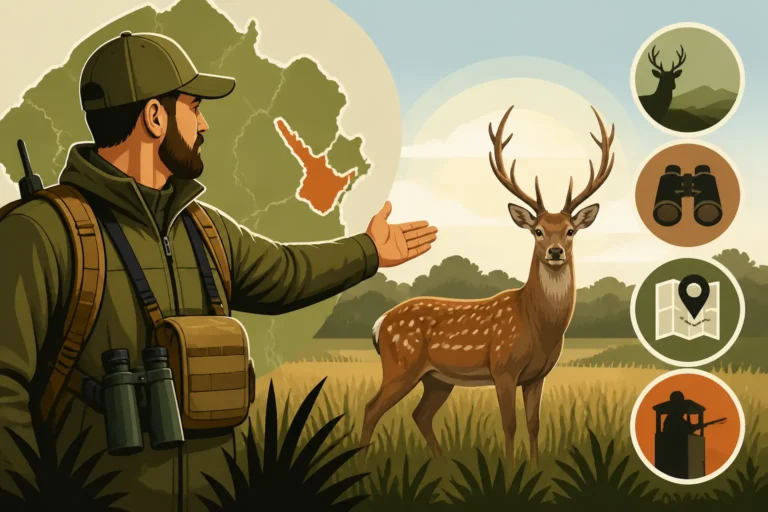
Deer hunting is probably the most popular guided offering in Southern Maryland. Outfitters typically manage large tracts of private land, sometimes through long-term leases, that are carefully managed for deer habitat and population health. This means less hunting pressure than on public lands and often a better chance at seeing mature animals.
These hunts can range from stand placement on pre-scouted properties, where you hunt independently from a provided stand, to fully guided experiences where a guide accompanies you, helps with tracking, and assists with recovery and field dressing. Weapon choices usually align with Maryland's regulations for the specific county and season, meaning archery, muzzleloader, and firearms options are often available. An outfitter can also help you understand Maryland's Legal Weapons by County and Maryland's Deer Bag Limits and Antler Rule. They take the guesswork out of scouting and access, allowing you to focus on the hunt itself.
Waterfowl Hunts for Ducks and Geese
Waterfowl outfitters in Southern Maryland leverage their access to prime bay shorelines, tidal marshes, and agricultural fields. Hunts typically take place from established pit blinds, permanent shore blinds, or portable layout blinds in fields. For open water diving duck opportunities, some guides operate specialized layout boats from larger tender boats, which is an incredible experience for the adventurous waterfowler.
A good waterfowl outfitter provides everything from decoys and calling to transportation to and from the blind. They understand the nuances of tides, wind, and bird movements, which are critical for a successful hunt on the water. Many will also provide a trained retriever, which is a huge benefit for duck and goose hunting. When booking, always confirm what gear is provided versus what you need to bring, especially regarding waders and appropriate clothing. Maryland Waterfowl Zones and Season Dates are crucial to understand before booking, and a reputable outfitter will always be operating within these regulations.
Spring Turkey Hunts
Spring turkey hunting in Southern Maryland, while less prevalent for guided services than deer or waterfowl, can still be an exciting option. Outfitters offering turkey hunts usually have access to large, privately-owned timberlands that harbor healthy turkey populations. These hunts are almost always fully guided, with the outfitter doing the calling, setting up decoys, and positioning the hunter for a shot.
The challenge of calling in a wary gobbler requires intimate knowledge of local bird patterns and excellent woodsmanship. A guide can significantly increase your odds of success, especially if you're new to turkey hunting or unfamiliar with the area. Expect early mornings and patient waits, often setting up against large trees or using pop-up blinds. Roost Hunting Gobblers on Maryland Farmland is a common tactic guides employ.
Combination and Multi-Species Hunts
Some Southern Maryland outfitters offer combination packages, allowing hunters to pursue multiple species over a few days. For example, a "cast and blast" might involve morning waterfowl hunting and afternoon fishing, or a multi-day package could include deer hunting along with a spring turkey hunt. These packages are great for maximizing your time and experience in the region.
These combination hunts often represent a better value than booking separate single-species hunts and allow for a more diverse hunting adventure. It's always worth asking potential outfitters about any multi-species options they might have, especially if your group has varied interests or you want to experience the full breadth of Maryland's hunting opportunities.
What to Look for When Choosing a Southern Maryland Outfitter
Selecting the right outfitter is crucial for a successful and enjoyable hunting trip. It’s not just about finding someone with land, but finding a professional who prioritizes safety, ethics, and a quality experience. Taking the time to do your homework upfront can save you a lot of headache later.
Licensing and Credentials
First and foremost, verify that any outfitter you're considering is properly licensed and insured in Maryland. For waterfowl, guides are required to have specific guide licenses and, if operating a boat for hire, a valid U.S. Coast Guard Captain's License. While not strictly required for deer or turkey guides on private land, a reputable outfitter will carry commercial liability insurance. Don't be shy about asking for proof of these documents. A legitimate operation will be happy to provide them, and it gives you peace of mind that you're hunting with a professional outfit that adheres to legal standards.
Beyond state licensing, inquire about any professional affiliations or certifications the guide might hold. Some guides are members of professional hunting or outfitting associations, which often indicates a commitment to ethical practices and industry standards. These details demonstrate a guide's professionalism and dedication to their craft, ensuring you're in capable hands during your hunt.
References and Reviews
One of the best ways to gauge an outfitter's reputation is through past client reviews and references. Reputable outfitters should have no problem providing contact information for recent clients you can speak with. Ask those references specific questions about their experience: Was the guide prepared? Were the facilities as described? Did the outfitter communicate effectively before, during, and after the hunt? Did they feel safe?
You can also check online platforms like BookYourHunt or GoHunt, which often feature client reviews and ratings for various outfitters. While online reviews should be taken with a grain of salt (every operation gets a bad review sometimes), a consistent pattern of positive feedback is a strong indicator of quality. Look for comments that speak to the guide's knowledge, the quality of the hunting grounds, and the overall experience. A lot of hunters today find these aggregate sites invaluable for comparing different services.
Communication and Expectations
Clear and open communication is vital from your very first inquiry. Does the outfitter respond promptly and thoroughly to your questions? Do they provide a detailed breakdown of what's included and not included in the hunt package? A good outfitter will set realistic expectations about hunting success rates, the species you'll encounter, and the level of physical exertion required. They won't make guarantees about harvesting an animal, as hunting is, after all, hunting.
Discuss everything from lodging and meals to weapon restrictions, hunting methods, and what happens in case of bad weather or an unexpected cancellation. Ensure you understand their deposit and cancellation policies fully. Don't hesitate to ask about hunter-to-guide ratios, especially for waterfowl or turkey hunts where a single guide might be managing multiple hunters. This upfront clarity helps prevent misunderstandings and ensures everyone is on the same page for a smooth and enjoyable experience.
The Cost of a Guided Hunt in Southern Maryland
Understanding the financial investment involved in a guided hunt is a key part of the planning process. Guided hunts offer convenience, expertise, and access that often justifies the cost, but prices can vary significantly based on the species, duration, and level of service.
Day Hunt Versus Multi-Day Packages
Generally, guided hunts are priced either as a single "day hunt" or as part of a "multi-day package." Day hunts are ideal for local hunters or those looking for a quick experience without committing to overnight stays. They typically include a morning or afternoon hunt, guide services, and perhaps transportation to the hunting spot.
Multi-day packages, on the other hand, usually include lodging, meals, and multiple hunts over several days. These are often preferred by out-of-state hunters or those looking for a more immersive experience. While the upfront cost is higher, the per-day rate can sometimes be more economical than booking several individual day hunts. Always compare what's included in each option to determine the best value for your hunting goals and budget. Remember to budget for a Maryland Resident Hunting License Cost or Maryland Nonresident Hunting License Cost as well.
What's Typically Included in a Guided Hunt
When reviewing pricing, pay close attention to what's explicitly included. For many Southern Maryland outfitters, a guided deer hunt might cover:
- Access to private hunting land
- Pre-scouted stands or blind locations
- Guide services (e.g., transport to stand, tracking, field dressing)
- Some basic amenities (e.g., cooler space for game)
For waterfowl, inclusions might be more extensive:
- Access to prime blinds or boat setups
- Decoy spreads and calling
- Guide services and a dog
- Transportation to the blind
- Light refreshments
What's never included, regardless of the package, are your hunting licenses and stamps, personal gear (weapons, ammunition, specialized clothing), and typically alcoholic beverages. Some outfits might offer meals and lodging, but these are often extra, or only included in higher-tier packages. Always clarify these details before booking to avoid any surprises. A clear understanding of What a Maryland Guided Hunt Costs can help in this regard.
Tipping Etiquette for Your Guide
Tipping your guide is standard practice in the hunting industry and a way to show appreciation for their hard work and dedication. While not mandatory, it's highly encouraged, especially if you felt your guide provided an excellent experience. The amount can vary, but a common range is typically a percentage of the total hunt cost.
Consider the effort your guide put in: Did they work hard to put you on game? Were they knowledgeable, friendly, and helpful? Did they go above and beyond to make your trip enjoyable? Even if you don't harvest an animal, a guide's effort in calling, scouting, and ensuring your safety is valuable. It's customary to give the tip directly to your guide at the end of the hunt. Many hunters often factor in the expected tip when budgeting for their overall trip costs. You can find more detailed information on How Much to Tip a Big Game Guide or How Much to Tip a Waterfowl Guide.
Here's a quick comparison of common guided hunt inclusions:
| Feature/Service | Deer Hunt (Guided) | Waterfowl Hunt (Guided) | Turkey Hunt (Guided) |
|---|---|---|---|
| Land Access | Private land, pre-scouted | Private shoreline/fields/water | Private timber/farmland |
| Guide Service | Stand placement, tracking | Calling, decoy spread, dog | Calling, setup, positioning |
| Transportation | To/from stands (often ATV) | To/from blind (truck/boat) | To/from setup spots (truck/walk) |
| Field Care of Game | Field dressing, transport out | Bird retrieval, bagging | Field dressing, transport out |
| Lodging/Meals | Often extra or in packages | Often extra or in packages | Often extra or in packages |
| Weapons/Ammo | Hunter provides | Hunter provides | Hunter provides |
| Licenses/Stamps | Hunter provides | Hunter provides | Hunter provides |
| Success Guarantee | Never guaranteed | Never guaranteed | Never guaranteed |
Preparing for Your Guided Southern Maryland Adventure
Booking a guided hunt is just the first step. Proper preparation ensures you get the most out of your investment and helps the outfitter provide you with the best possible experience. Thinking ahead about your gear, physical condition, and paperwork will make your trip much smoother.
Essential Gear and Clothing
Your packing list will largely depend on the type of hunt you've booked and the time of year. For deer, warm, layered clothing in appropriate camouflage is essential, especially for sitting in a stand in late fall or winter. Don't forget comfortable, waterproof boots and perhaps hand warmers. You'll also need to carry your firearm or bow, along with appropriate ammunition or arrows. For safety, remember your Maryland Blaze Orange Requirements, which are mandatory during most firearms seasons and even some archery seasons.
Waterfowlers will need chest waders, waterproof and insulated outer layers, waterproof gloves, and a warm hat. Layering is critical, as temperatures can change dramatically throughout the day on the water. Bring your shotgun and plenty of appropriate steel shot shells. A dry bag for personal electronics is also highly recommended. Always confirm with your outfitter if there are any specific gear requirements or restrictions. What to Pack for a Maryland Marsh Hunt can offer more specific advice for waterfowlers.
Physical Fitness and Shooting Skills
While Southern Maryland generally doesn't have the extreme mountainous terrain of Western Maryland, being in reasonably good physical condition will always enhance your hunting experience. You might need to walk through thick cover to reach a stand, or wade through shallow marsh edges for a waterfowl retrieve. Don't underestimate the physical demands, especially if you're planning a multi-day hunt.
Equally important is your shooting proficiency. A guided hunt is an investment, and you owe it to yourself and your outfitter to be ready when an opportunity arises. Spend time at the range practicing with your hunting weapon, ensuring you're comfortable and accurate at various distances. For waterfowl, practice swinging on moving targets. Nothing is more frustrating than missing a shot on a quality animal or bird after all the effort put in by your guide and yourself.
Licensing, Permits, and Regulations
Before you even step foot on hunting ground, ensure all your Maryland hunting licenses and stamps are in order. This typically includes a base hunting license, a bow stamp, muzzleloader stamp, or firearms stamp depending on your chosen weapon, and potentially a federal and state migratory bird stamp for waterfowl. If you are hunting sika deer, you might also need a Maryland Sika Deer Stamp Rules. Non-residents will need to purchase a non-resident license, which is often more expensive. Maryland Hunting Licenses and What They Cost is a great resource.
Most licenses can be purchased online through Maryland's COMPASS portal. Double-check all season dates and bag limits for the specific species and county you'll be hunting, especially if you're booking an early or late season trip. Your outfitter can guide you on the specific requirements, but ultimately, it's your responsibility to be legal. Don't show up to your hunt without having these critical documents in hand.
Disclaimer
This article is for general informational purposes only and does not constitute professional advice. Laws, prices and regulations vary by location and change over time. Consult a qualified professional for guidance on your specific situation.