What Guides Supply Versus What You Bring
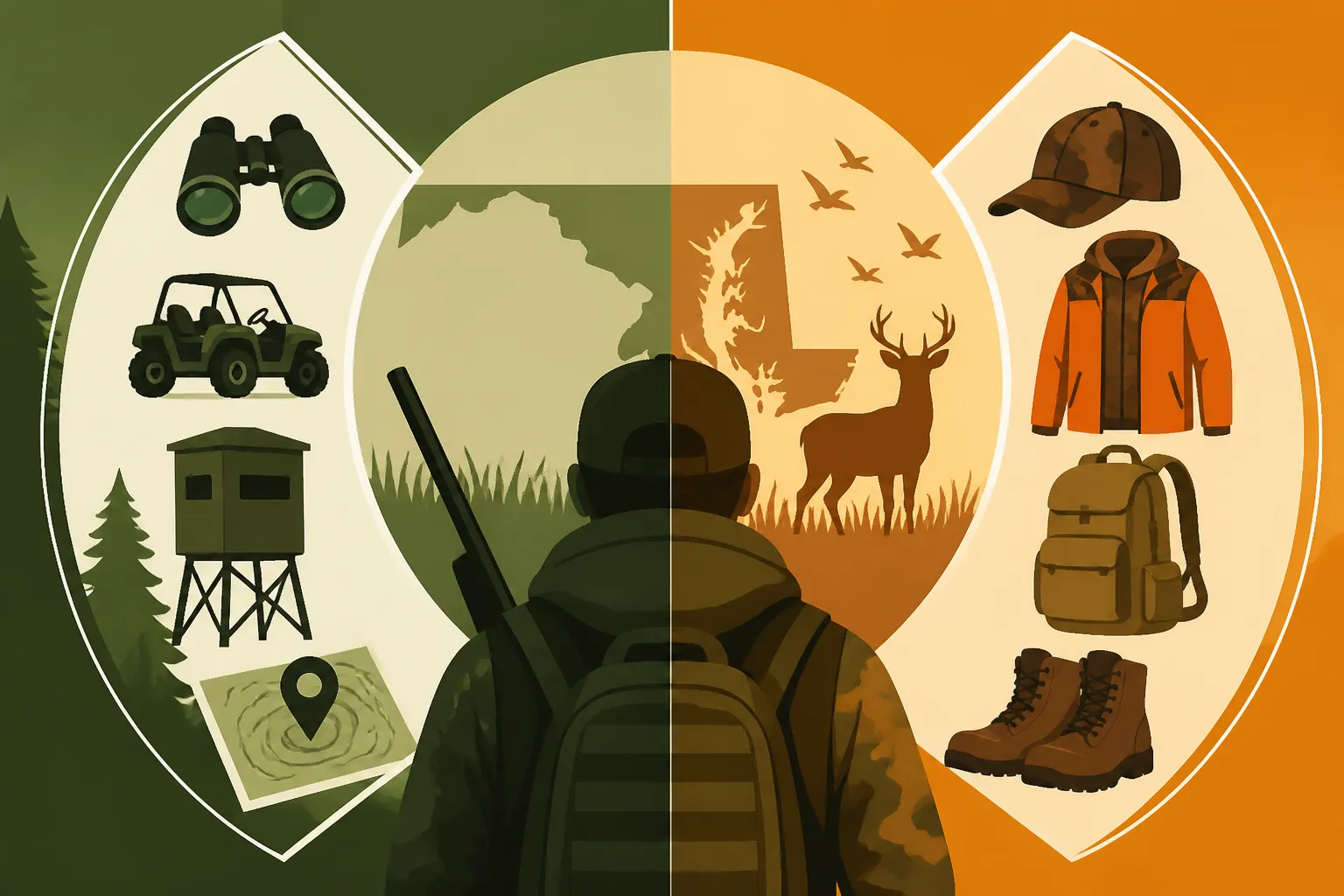
One of the biggest anxieties before a guided hunting trip, especially if it's your first time or your first time in a new area like Maryland, is figuring out what in the world you're supposed to bring versus what the guide is going to provide. It can feel like walking into a pop quiz you didn't study for, and nobody wants to be that person who shows up completely unprepared, right? This guide is here to clear up that confusion, helping you understand the typical division of gear and responsibilities so you can pack smart and focus on the hunt.
Understanding the Guide's Role and Equipment
When you book a guided hunt, you're essentially hiring expertise, access, and often, a significant amount of specialized equipment that would be impractical or impossible for you to transport and deploy yourself. Guides are professionals who have invested heavily in the tools of their trade to ensure a successful and efficient experience for their clients.
Core Equipment Provided by Most Guides
Think of the "big ticket" items and logistical necessities that define a particular hunt. These are almost universally covered by your guide. For waterfowl, this means the entire spread: dozens, if not hundreds, of decoys, specialized blinds (layout blinds in cut corn, pit blinds along a field edge, or boat blinds on the open water), and the boats themselves to get you there safely. Imagine trying to haul a hundred Canada goose decoys, a layout blind, and a retriever across a muddy field or launch a shallow-draft boat into a tidal marsh by yourself at 4 AM—it's a massive undertaking.
For big game like deer or bear, this often translates to pre-scouted locations, strategically placed treestands or ground blinds, and transportation to those hunting spots. If you're chasing sika deer deep in a Dorchester County marsh, the guide will have the appropriate shallow-water boat, often an airboat or a specialized mud motor skiff, to navigate the maze of guts and reeds. They've already done the legwork, put in the hours, and have the gear to get you where the game is and keep you comfortable (or as comfortable as possible) while you're there. They'll also typically provide the calls appropriate for the species and season, whether it's the distinctive whistle for a sika stag or a series of clucks and purrs for a wary spring gobbler.
Specifics for Different Hunt Types
The exact list of what a guide supplies can vary dramatically based on the type of hunting. Let's break down a few common scenarios in Maryland:
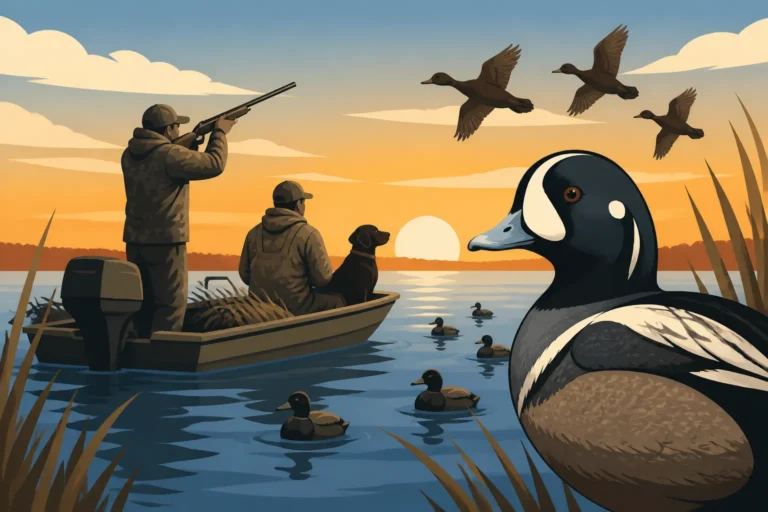
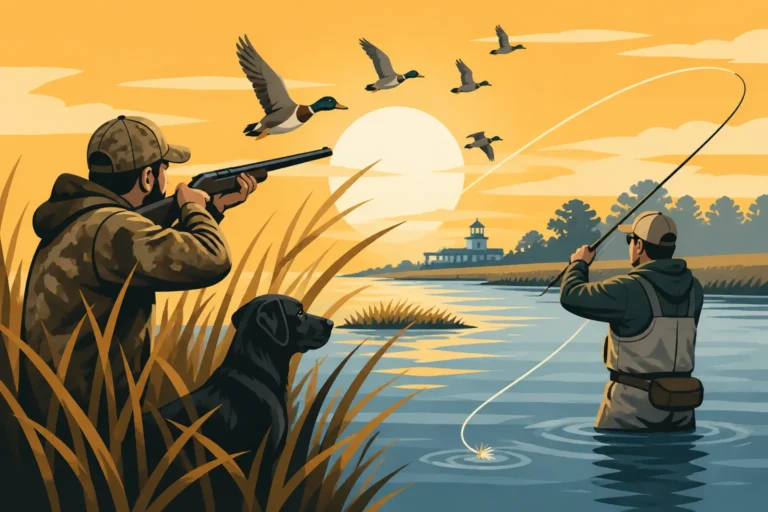
- Waterfowl Hunts (Ducks & Geese): This is where guides really shine with equipment. You can almost always expect the guide to provide all the decoys, various types of blinds (whether they are permanent pit blinds on a farm, layout blinds for field hunting, or mobile boat blinds for open water), and the boat for transport. Many guides also bring a well-trained retriever, which is a huge asset for bird recovery, especially in thick marsh cover or cold water. Your job is typically to show up with your shotgun, ammunition, and appropriate cold-weather/waterproof gear. If you're booking through a platform like BookYourHunt, the listing will usually detail these provisions. Decoying Divers on Maryland's Open Bay is a perfect example of a hunt where specialized gear is paramount.
- Sika Deer Hunts: For marsh sika, the guide is providing the crucial access. This means a specialized marsh boat, potentially a side-by-side or ATV for upland access, and often pre-hung treestands or strategically placed ground blinds in prime sika habitat. They will have done the scouting to find where Sika Deer Bed in Phragmites or where they're actively feeding. You'll bring your weapon, specialized clothing for wet environments, and personal gear.
- Western Maryland Deer or Bear Hunts: Here, the equipment might be less about elaborate setups and more about logistics and scouting. Guides typically provide knowledge of private land access, pre-scouted areas, and transportation to drop-off points in rugged terrain. They might have stands set up, but often these hunts involve more still-hunting or stalking. They'll know the best Late Season Food Sources for Maryland Deer in the mountains or where to Scouting Bear Sign in Garrett County.
- Turkey Hunts: A turkey guide will almost certainly bring the calls and will be doing most of the calling. They'll also likely provide decoys and help you pick the perfect setup location, perhaps against a large oak tree or along a field edge. You're responsible for your shotgun, ammo, and camouflage suitable for the spring woods.
What the Hunter Is Always Expected to Bring
While your guide handles a lot, there are certain things that are always, unequivocally, your responsibility. These are your personal hunting essentials and comfort items. Showing up without these is not only inconvenient but can also be unsafe or even illegal.
Personal Hunting Gear
This is your core kit, specific to you and the hunt. Nobody else can provide these for you, and they're critical for participating legally and effectively:
- Licenses and Stamps: This is non-negotiable. You absolutely must have your valid Maryland hunting license, the appropriate stamps (like a bow stamp, muzzleloader stamp, or a Maryland Sika Deer Stamp Rules if you're chasing those unique deer), and if applicable, federal and state migratory bird stamps for waterfowl. Guides can't issue these for you. Always check current Maryland regulations well in advance of your hunt. A quick check of the Maryland Department of Natural Resources (DNR) website will confirm Maryland Hunting Licenses and What They Cost and all the necessary endorsements.
- Weapon and Ammunition/Arrows: Your firearm (shotgun, rifle, muzzleloader) or bow, along with plenty of ammunition or arrows, is entirely on you. Make sure your weapon is sighted in and you're proficient with it before the hunt. A guided hunt is not the time to test out a new scope or practice your shooting.
- Optics: Binoculars, rangefinders, and spotting scopes are personal preference. While a guide might have a pair of binos, you'll want your own, especially for things like Reading a Marsh Trail for Sika Sign or picking apart distant cover for deer.
- Appropriate Clothing: This is perhaps the most critical item. Maryland weather can be incredibly fickle, especially on the Eastern Shore or in the mountains. Layering is key. Think waterproof outer shells (for rain, marsh spray, or snow), insulation for warmth (even in October, a marsh can be chilly before dawn), and breathable base layers. Camouflage patterns should match the environment – marsh grass patterns for waterfowl/sika, tree patterns for deer in the hardwoods. Don't forget proper footwear: waterproof boots, whether it's chest waders for marsh sika or insulated rubber boots for cold, damp woods. For safety, remember How Much Blaze Orange Maryland Requires during firearms seasons.
- Personal Safety Items: A small, personal first-aid kit (band-aids, pain relievers, blister treatment), a whistle, and any personal medications you require are crucial. While guides carry first-aid kits, having your own for minor issues is smart.
Personal Comfort and Essentials
These are the items that often get overlooked but make a huge difference in your overall experience and well-being in the field:
- Food and Water: Even if your guide mentions they provide lunch, it's always a good idea to bring extra snacks and plenty of water or other beverages. Hunting often means early mornings, long hours in the cold, and significant physical exertion. Staying hydrated and fueled is vital. Pack items that are easy to eat on the go and won't spoil, like granola bars, trail mix, or sandwiches.
- Thermos: A hot cup of coffee, tea, or soup on a frigid morning can be a game-changer.
- Headlamp or Flashlight: You'll be moving in the dark, both before dawn and after dusk. A reliable headlamp with fresh batteries (and spares!) is essential for navigating, setting up, or breaking down your gear without fumbling.
- Toiletries: While not glamorous, having some hand wipes or toilet paper can be a huge comfort when nature calls in the wild.
- Small Backpack or Dry Bag: You'll need something to carry all your personal gear, keeping it organized and protected from the elements, especially water. A good dry bag is indispensable for any marsh or boat-based hunt in Maryland. What to Pack for a Maryland Marsh Hunt specifically highlights the need for waterproof solutions.
- Game Processing Gloves: If you plan on assisting with Field Dressing a Deer in Warm September Weather or any game, having your own disposable gloves is a good idea for hygiene.
The Gray Areas and "Ask Before You Go" Items
There's a category of gear where expectations can vary wildly from one guide to another. This is where pre-hunt communication becomes absolutely vital. Never assume!
Calls, Scents, and Specialized Decoys
While a waterfowl guide will undoubtedly have their own goose or duck calls, the situation is different for deer or turkey.
- Deer Calls/Scents: Some deer guides prefer to do all the calling themselves and might even discourage you from bringing your own calls, wanting to maintain control over the rhythm and type of calls used. Others are perfectly fine with you bringing your favorite Grunt Calls in Maryland Hardwoods or rattling antlers, as long as it fits into their strategy. It's best to ask your guide directly if they want you to bring calls or scents, and if so, what kind they recommend or prefer.
- Turkey Calls/Decoys: Similar to deer, most turkey guides will handle the calling. They might also provide decoys, but sometimes hunters like to bring their own trusted setups. If you have a specific hen decoy or a jake fan you swear by, confirm with your guide if it's okay to use it.
- Specialized Decoys (e.g., Mojo for Ducks): While most duck guides have a full spread of static decoys, some might appreciate an extra spinning wing decoy or two, while others might have a specific setup they stick to. Again, a quick conversation beforehand clears this right up.
Game Retrieval and Processing Tools
After a successful hunt, there's the important task of getting your game out of the field and starting the processing.
- Knives/Processing Kits: A guide will typically have a knife for field dressing, but it's a good idea to have your own sharp knife. For larger game like bear, they might have more robust tools. For a sika deer, a smaller, sharp knife is often preferred.
- Game Bags/Dragging Sleds: While guides will assist with game recovery, especially for bigger animals or in difficult terrain like a marsh, you should be prepared for your part. Having game bags to keep meat clean or a small dragging rope/sled (if appropriate for the terrain) might be helpful, but often the guide will have their own methods for extraction. Discuss Recovering a Deer From a Tidal Marsh with your guide beforehand – they'll have the specialized equipment for it.
- Coolers/Ice: This is a big one, especially for multi-day hunts or if you're traveling a long distance. Guides might have a cooler on their boat for immediate game storage, but the responsibility for long-term storage and transport of your meat or trophy is usually yours. You'll need coolers and plenty of ice to get your game home safely. Finding a local processor is also usually on the hunter, though a good guide can provide recommendations.
Post-Hunt Logistics
- Lodging and Meals (Beyond Field Lunch): Unless specified in an all-inclusive package, your lodging, breakfast, and dinner are typically your responsibility. Some guides offer lodging options, or they might recommend local hotels or motels. Always confirm this. Maryland Hunting Lodges and Where to Stay is a good resource for exploring accommodation options.
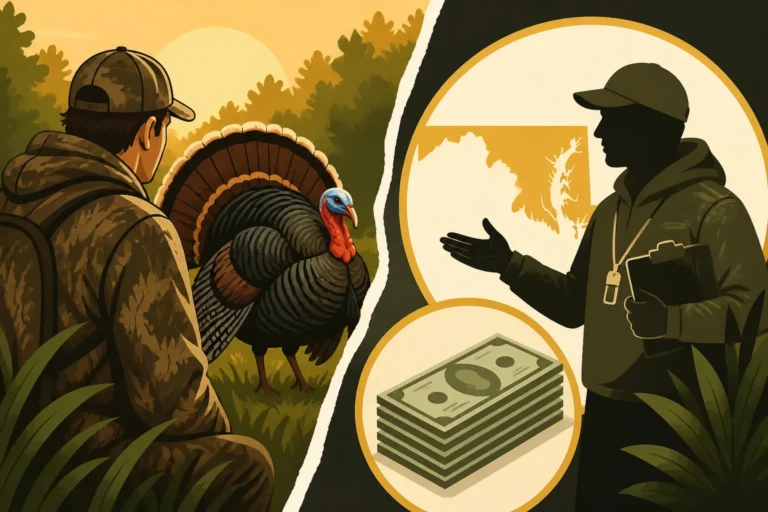
- Tipping: This is often overlooked by first-time guided hunters. Tipping your guide is customary and a huge part of their income. While not a "supply," it's an expectation. Know the appropriate amount before you go. How Much to Tip a Waterfowl Guide or How Much to Tip a Big Game Guide will give you a good starting point.
How to Confirm Expectations and Avoid Surprises
The absolute best way to eliminate any uncertainty about what to bring is proactive communication. Don't leave it to chance or assume.
Reviewing Outfitter Websites and Communications
Reputable guides and outfitters almost always have detailed information available.
- Website "What to Bring" Lists: Many outfitters will have a dedicated page or section on their website outlining exactly what hunters need to bring for specific hunts. This is your first stop for information. Pay close attention to clothing recommendations, as these are often tailored to the local conditions and type of hunting.
- Booking Confirmation Emails/Documents: When you book a hunt, the confirmation email or any attached documents often contain a packing list. Read these thoroughly. If you use a booking service like GoHunt or BookYourHunt, the hunt description should include a gear list provided by the outfitter. Always check these details.
- Reviewing the Itinerary: The daily plan of your hunt can also give clues. If it's an all-day marsh hunt, you know you'll need ample hydration and snacks. If it's a walk-in mountain hunt, lightweight gear is important.
Direct Communication with Your Guide
This is your most powerful tool. Don't be afraid to ask! Guides appreciate clients who are prepared and engaged.
- Send an Email or Make a Call: Once you've booked your hunt and a week or two before the trip, reach out to your guide directly. Start by asking if there's anything specific you need to bring that wasn't on their list, or if there's anything they particularly recommend.
- Ask Specific Questions: If you're wondering about a particular item, just ask. For example: "Should I bring my own rattling antlers for deer, or do you prefer to use yours?" or "I have a spinning-wing decoy; should I bring it for the duck hunt?"
- Clarify Environmental Needs: Ask about current weather patterns, mud conditions, or water levels, especially for marsh hunts. Knowing if it's been particularly dry or wet can influence your clothing choices, such as whether Hip Boots Versus Chest Waders in Sika Country are more appropriate.
- Confirmation of Logistics: Double-check meeting times, locations, and any specific driving instructions. Confirm what the guide expects for post-hunt game handling. Questions to Ask Before Booking is an excellent resource for shaping your pre-hunt conversation.
Here's a quick reference table for common items:
| Item Type | Guide Typically Provides | Hunter Typically Brings | "Ask Your Guide" Items |
|---|---|---|---|
| Licenses & Permits | ✅ | ||
| Weapon & Ammo | ✅ | ||
| Clothing | ✅ | ||
| Boots/Waders | ✅ | ||
| Optics | ✅ | ||
| Decoys | ✅ | Specialized or electronic decoys | |
| Blinds | ✅ | Personal pop-up blinds | |
| Boats/Transportation | ✅ (during hunt) | ✅ (to meeting point) | Personal ATV for certain access |
| Retrievers | ✅ | Your own hunting dog (if permitted) | |
| Calls | ✅ | Personal deer/turkey calls | |
| Food & Water | (sometimes lunch) | ✅ (snacks, extra water) | Full meals (unless all-inclusive) |
| Headlamp/Flashlight | ✅ | ||
| First-Aid Kit | ✅ (guide's) | ✅ (personal small kit) | |
| Knives | ✅ (guide's) | ✅ (personal sharp knife) | |
| Coolers/Ice | (sometimes for field) | ✅ (for transport home) | |
| Tipping Money | ✅ |
By taking the time to understand these general guidelines and, more importantly, communicating directly with your Maryland guide, you'll be well-prepared for your adventure. This thoughtful preparation allows you to relax, enjoy the unique experience, and focus on the thrill of the hunt, knowing you've got everything you need.
Disclaimer
This article is for general informational purposes only and does not constitute professional advice. Laws, prices and regulations vary by location and change over time. Consult a qualified professional for guidance on your specific situation.