Multi-Species Maryland Hunt Packages
It can feel like a real scramble trying to maximize your time afield, especially if you're traveling from out of state or simply have limited days to dedicate to hunting in Maryland. Between navigating different seasons, weapon restrictions, and diverse habitats, many hunters dream of a way to combine their passion for multiple species into one unforgettable trip. This comprehensive guide will walk you through the exciting world of multi-species hunt packages in Maryland, helping you understand what's available and how to plan a truly epic adventure.
What Exactly Are Multi-Species Hunt Packages?
When we talk about multi-species hunt packages, we're really discussing a unique offering from outfitters and guides that bundles the pursuit of two or more game animals into a single trip. Instead of booking a dedicated deer hunt and then a separate waterfowl excursion, these packages aim to provide a more comprehensive experience, often over several days. For many hunters, this concept is incredibly appealing because it streamlines logistics, travel, and often, the overall cost compared to booking individual hunts.
Think about it: you've made the journey, you're set up, and you're in the hunting mindset. Why pack up and go home when you could transition from chasing Sika deer in the morning to decoying ducks in the afternoon, all with the same expert guidance? These packages are particularly popular with hunters who have a broad interest in different types of game, or those looking to check multiple species off their bucket list in one fell swoop. It's about efficiency and experiencing the incredible diversity that Maryland's hunting landscape has to offer, from its western mountains to its famed Chesapeake Bay marshes. It's a way to immerse yourself fully in the hunting culture of a region without the constant travel and setup associated with multiple single-species trips.
Why Hunters Seek Combo Hunts
The desire for multi-species hunts stems from a few key motivations. First and foremost, there's the sheer thrill of diversity. Imagine the mental shift from glassing a distant mountain slope for whitetails to setting decoys in a tidal marsh for pintails. It keeps things fresh and challenges you with different hunting techniques and environments. For hunters coming from afar, the logistical simplicity is a huge draw. Instead of planning two or three separate trips, which means more flights, more packing, and more time off work, a combo hunt consolidates everything into one block of time. This saves precious vacation days and often reduces overall travel expenses.
Another major factor is the chance to experience a broader slice of Maryland's unique ecosystems. You might start your day knee-deep in a Dorchester County marsh, listening to the distinctive whistle of a Sika stag, and end it in a Kent County grain field, watching Canada geese cup their wings. It provides a deeper appreciation for the state's natural beauty and the intricate balance of its wildlife. Plus, let's be honest, successfully harvesting multiple species on one trip feels like a real accomplishment, a testament to skill, perseverance, and good planning. It’s an efficient use of both your time and your investment into a guided hunt.
The Role of Outfitters in Combo Packages
Outfitters are the backbone of successful multi-species hunt packages. They leverage their intimate knowledge of local terrain, game movements, and seasonal patterns to craft these multifaceted experiences. A good outfitter isn't just a guide; they're a planner, a scout, a logistics expert, and often, a camp chef all rolled into one. They have access to diverse hunting properties—whether that's private farmland, marsh access, or timber leases—that allow for varied hunting opportunities within a reasonable travel distance.
Their expertise means they understand how to transition from one type of hunt to another seamlessly. For example, if you're on a Sika and duck combo, they know which tides are best for marsh access and when the ducks are most active, allowing them to schedule your days effectively. They also handle the necessary permits, licenses, and local regulations that can be daunting for someone unfamiliar with Maryland's specific rules. This level of service is precisely why hunters choose guided hunts, and it becomes even more critical when you're juggling the demands of multiple species. Without an experienced outfitter, coordinating such a trip on your own would be an immense undertaking.
Common Multi-Species Combinations in Maryland
Maryland's diverse landscapes offer a fantastic array of game, making it a prime destination for multi-species hunts. While some combinations might seem unconventional, others are incredibly popular due to overlapping seasons and proximity of habitats. Understanding these common pairings will help you visualize what your ultimate Maryland hunting trip could look like.
Sika Deer and Waterfowl Combos
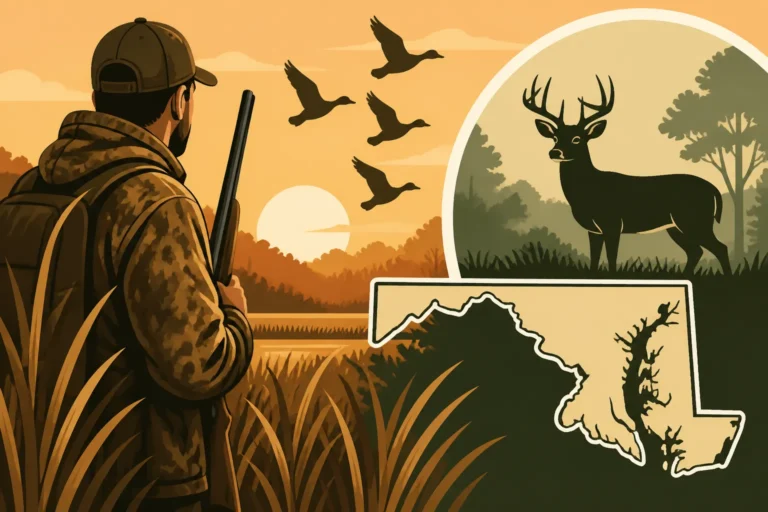
This is arguably the most famous and sought-after multi-species hunt in Maryland, particularly on the Eastern Shore. The tidal marshes of Dorchester, Somerset, and Wicomico counties are home to a thriving population of both Sika deer and abundant waterfowl, making a natural pairing. Imagine spending your early morning hours Wading Into a Dorchester Marsh Before Daylight in pursuit of a sika stag, listening for their distinct whistle, and then, as the sun gets higher, moving to a nearby blind or marsh gut to decoy ducks or geese.
Outfitters who specialize in this combo often have extensive access to private marshland or strategically located blind sites. They understand the tides—crucial for both Sika movement and waterfowl access—and can effectively transition you from one hunt to the next. You might hunt Sika from a strategically placed stand along a marsh ditch bank or still-hunt through patches of loblolly pines, then return to a boat and motor to a layout blind for sea ducks or a shore blind for puddle ducks. It's a truly immersive experience that showcases the unique challenges and rewards of hunting Maryland's coastal plain. Many hunters come to Maryland specifically for this unique combination, often seeking the elusive "Japanese elk" as locals call them, alongside the state's renowned duck and goose hunting.
Deer and Turkey Hunts
Another excellent combination, especially in areas with good timber and agricultural lands, is deer and turkey. While deer seasons stretch from September archery openers into late January firearms seasons, spring turkey season offers a completely different challenge. Many outfitters in Maryland's Western Mountains or on farms across the Eastern Shore and Southern Maryland can arrange combo packages that capitalize on this. For instance, you might book a late fall trip that allows for firearms deer hunting, potentially targeting a buck during the peak of the rut, and simultaneously offers opportunities for a fall turkey hunt.
Alternatively, some hunters will book a spring turkey hunt, hoping to call in a big tom, and then transition to scouting for deer sign in preparation for the fall, or even pursue shed antlers in March after deer season closes. The key here is habitat overlap. Deer and turkeys often share the same hardwood ridges, creek bottoms, and agricultural edges. An outfitter with diverse property access can guide you to a prime Setting Up Against a Big Oak for Turkeys in the morning and then to a deer stand overlooking a Late Season Food Sources for Maryland Deer in the afternoon. It's a fantastic way to experience both the quiet patience of deer hunting and the thrilling interaction of turkey calling.
Waterfowl and Upland Game Combos
While perhaps less common than the Sika/waterfowl pairing, some Maryland outfitters offer combinations of waterfowl hunting with upland game like pheasants (often released birds) or even small game like rabbits and squirrels. This type of hunt often targets the hunter who enjoys a fast-paced, high-action experience alongside the more stationary waterfowl pursuit.
Imagine a morning spent in a layout blind Decoying Canada Geese on the Upper Eastern Shore over cut corn, followed by an afternoon walking hedgerows and field edges with a pointing dog, chasing Rabbit Hunting Maryland Farm Hedgerows or Hunting Released Pheasants on Maryland Public Land. These kinds of packages are less about wild, free-ranging upland birds and more about a varied shooting experience. They typically involve properties managed for these game types or access to public land where released pheasant hunts are conducted. It's a great option for hunters who want to keep their shotguns busy and enjoy the camaraderie of a dog hunt in addition to their waterfowl endeavors.
Benefits and Considerations for Booking a Combo Hunt
Multi-species hunt packages in Maryland can be incredibly rewarding, offering a depth of experience that single-species hunts simply can't match. However, like any significant undertaking, there are both substantial benefits and important considerations to weigh before you book.
Advantages of a Multi-Species Package
The most obvious advantage is efficiency. For the out-of-state hunter, or anyone with limited vacation time, bundling multiple species into one trip is a game-changer. You save on travel costs, accommodation changes, and the sheer effort of planning multiple separate excursions. Instead of booking a specific Maryland Waterfowl Zones and Season Dates hunt and then a distinct Muzzleloader Deer Hunting in Maryland trip, you consolidate your time and resources.
Another huge benefit is the diverse hunting experience. You get to engage different skill sets and enjoy varied forms of hunting within a single trip. This can keep fatigue at bay and maintain a high level of excitement. Imagine the satisfaction of calling in a gobbler in the morning and then bagging an antlerless deer in the afternoon. It adds a rich tapestry to your hunting story. Furthermore, many outfitters offer these packages at a potentially better value than booking two separate guided trips, though this requires careful comparison of what's included. You’re also likely to gain a deeper understanding of the local ecosystem, observing how different species interact within the same landscape.
Key Considerations Before Booking
Before you dive headfirst into booking a multi-species hunt, there are several crucial factors to consider to ensure a successful and enjoyable trip.
First, physical demands. Combining multiple species often means longer days, more diverse terrain, and potentially less downtime. Are you physically prepared to wade through a marsh for Sika and then sit in a cold duck blind for hours? Discuss the physical expectations openly with your outfitter.
Second, gear requirements. You might need different firearms, ammunition, clothing, and specialized equipment for various hunts. For a Sika and waterfowl combo, you'll need suitable camo for both marsh and open water, potentially different shotguns or a rifle, and appropriate footwear like Hip Boots Versus Chest Waders in Sika Country. Confirm with your guide exactly what they recommend you bring.
Third, licensing and stamps. Maryland has specific license, stamp, and permit requirements for each game species. You'll need a basic hunting license, migratory game bird stamps for waterfowl, and a Sika deer stamp if that's part of your plan. Make sure you understand Which Stamps a Deer Hunter Needs and secure all necessary permits well in advance. Your outfitter can often help clarify these, but it's ultimately your responsibility to be legal.
Finally, cost and inclusions. Multi-species hunts can be more expensive than single-species trips, but often represent a better value package. Be absolutely clear on what the package price includes: lodging, meals, transportation during the hunt, field dressing, guide fees, and any processing or taxidermy arrangements. Platforms like BookYourHunt and GoHunt are great for comparing what different outfitters offer and scrutinizing the details of their packages. Don't assume anything; get it in writing.
Here’s a quick overview of common multi-species packages and what they generally involve:
| Package Type | Primary Species Combination | Typical Season Overlap (General) | Key Gear Needs | Typical Challenge Level |
|---|---|---|---|---|
| Sika & Waterfowl | Sika Deer, Ducks, Geese | Fall/Early Winter | Rifle/Shotgun, Marsh Camo, Waders, Waterproof Gear | Moderate to High |
| Deer & Turkey | White-tailed Deer, Wild Turkey | Fall (for firearms deer & fall turkey) | Rifle/Shotgun, Hardwoods Camo, Calls, Binoculars | Moderate |
| Waterfowl & Upland Game | Ducks/Geese, Pheasant/Rabbit/Squirrel | Late Fall/Winter | Shotgun, Waterfowl Camo, Upland Gear, Dog (optional) | Easy to Moderate |
| Deer & Predator (Coyote) | White-tailed Deer, Coyote | Fall/Winter (overlap with deer) | Rifle, Deer Camo, Predator Calls, Optics | Moderate |
Finding and Booking Your Multi-Species Adventure
So, you're convinced a multi-species hunt package in Maryland is for you. Great! Now comes the exciting part: finding the right outfitter and securing your spot. This process requires thorough research and clear communication to ensure your expectations align with what the guide can deliver.
Researching Maryland Outfitters
The first step is always research. Start by searching for Maryland outfitters that specifically advertise multi-species or combo hunt packages. Look for guides with strong reputations, experience with both the target species, and positive client testimonials. Websites like BookYourHunt are excellent resources for browsing outfitters and comparing packages side-by-side. You can often find detailed descriptions of what's included, typical success rates (though remember what "success rates" truly mean and manage expectations), and photo galleries that give you a sense of their operation.
Pay close attention to where they operate. An outfitter specializing in Sika Deer Hunting in Maryland's Tidal Marshes might also be perfectly set up for Waterfowl Hunting Maryland's Chesapeake Bay. Similarly, a guide offering excellent Black Bear Hunting in Western Maryland might also be well-versed in Still-Hunting Western Maryland Mountain Timber for whitetails. Don't be afraid to read between the lines and look for guides who operate in diverse habitats.
Questions to Ask Potential Guides
Once you've identified a few potential outfitters, it's time to start asking questions. This is crucial for clarifying expectations and avoiding any misunderstandings down the road. Here are some key inquiries:
- Specifics of the Combo: "Exactly which species are included in this package, and what's the typical daily itinerary? For example, if it's Sika and ducks, will we hunt Sika in the morning and ducks in the afternoon, or dedicate full days to each?"
- Success Rates and Expectations: "What are your realistic success rates for each species in this combo? What factors most influence success during these types of hunts?" Be wary of anyone guaranteeing a kill.
- Gear List: "Can you provide a detailed gear list for both components of the hunt, including specific clothing, firearms, and ammunition recommendations?"
- Physical Demands: "What's the expected physical exertion level? Are there long walks, boat rides, or strenuous retrieves involved?"
- What's Included (and Excluded): "Please outline everything included in the price: lodging, meals, transportation, field dressing, caping, guide fees. What common expenses are not included?" This is where clarity on What a Guide Fee Usually Covers versus What Is Never Included in a Guided Hunt is vital.
- Booking and Payment Terms: "What are your deposit and cancellation policies? When is the final payment due?"
- References: "Can you provide references from hunters who have booked multi-species packages with you in the past?"
Platforms like GoHunt can also offer valuable insights into different areas and potential outfitters, helping you formulate even more targeted questions about the specific zones or regions they hunt.
The Booking Process
Once you've chosen your outfitter, the booking process typically involves securing your dates with a deposit. Most reputable outfitters require a non-refundable deposit to hold your spot, with the remaining balance due closer to the hunt date. Always read the contract carefully and understand the cancellation policy. It's also a good idea to confirm that your selected dates align with the appropriate seasons for both species you plan to hunt. Maryland's seasons can be complex, so having your outfitter double-check ensures you're legal and maximizing your opportunities.
Before your trip, your outfitter should provide you with detailed instructions regarding travel, meeting points, gear lists, and any pre-hunt preparations. Stay in communication, especially if you have any last-minute questions or need to confirm your license and stamp purchases. Planning a multi-species hunt is an investment in an incredible experience, and a little upfront diligence will ensure it's a memorable one for all the right reasons.
Disclaimer
This article is for general informational purposes only and does not constitute professional advice. Laws, prices and regulations vary by location and change over time. Consult a qualified professional for guidance on your specific situation.