Guided Small Game and Pheasant Hunts
It can be tough to find consistent, quality small game hunting in Maryland, especially if you don't have private land access or extensive knowledge of the best public spots. Many hunters dream of those classic upland bird hunts or a productive day chasing rabbits, but the reality of finding unpressured ground and active game can be a real challenge. This guide will walk you through the world of guided small game and pheasant hunts in Maryland, helping you understand how these services can provide fantastic opportunities and what to expect when you book one.
Why Consider a Guided Small Game or Pheasant Hunt in Maryland?
Let's face it, hunting small game and pheasants in Maryland can feel like you're constantly fighting for space or searching for elusive pockets of good habitat. The appeal of a guided hunt for these species often boils down to access, efficiency, and a truly enjoyable experience that might otherwise be hard to come by on your own.
Overcoming Access Challenges on Limited Public Land
One of the biggest hurdles for many Maryland hunters is simply finding a place to go. While our state offers some fantastic public lands, they can also be heavily pressured, especially for popular species. Small game like rabbits and squirrels, and certainly pheasants (which aren't native in huntable numbers), often thrive in specific habitat types that aren't always abundant or easily accessible on public ground.
A guide often has established relationships with private landowners, granting you access to prime fields, hedgerows, and woodlots that are otherwise off-limits. This means you're not spending precious hunting time scouting endlessly or competing with dozens of other hunters. For pheasants, specifically, this access often means hunting on a licensed preserve, which is designed to provide consistent opportunities. Trying to locate good concentrations of wild rabbits or squirrels on crowded public land can be a real exercise in frustration, but a guide can put you right where the action is, often with the landowner's explicit permission. You'll find that these private parcels often hold better numbers of game simply because they experience less pressure. This can be a huge relief, especially if you're coming from out of state or just don't have the time to scout extensively.
Maximizing Your Time and Efforts
Hunting, for many of us, is a cherished escape, and we want to make the most of every minute. A guided hunt is designed to do just that. Instead of guessing where the game might be, a guide uses their local knowledge and experience to put you in the best possible position for success. They understand the patterns of local wildlife, know which cover holds rabbits on a cold day, or where squirrels are likely to be foraging.
Furthermore, many small game and pheasant guides offer well-trained dogs, which are absolute game-changers. Imagine trying to flush pheasants or find shot rabbits in thick cover without a skilled retriever – it's a monumental task. A guide's dogs not only find game but also ensure a higher recovery rate, reducing lost birds and making the hunt far more ethical and enjoyable. You're not just paying for access; you're investing in an efficient and productive day afield. It’s also an incredible learning experience. You can watch how the dogs work, observe the guide's tactics for approaching different types of cover, and pick up tips that will make you a more effective hunter on your own future outings. For folks looking to learn the nuances of Squirrel Hunting Maryland Hardwood Ridges or Rabbit Hunting Maryland Farm Hedgerows, a guided trip offers an invaluable mentorship opportunity.
The Unique Experience of Preserve Hunting
While some hunters prefer chasing truly wild game, pheasant preserves offer a consistent and exciting alternative, especially in Maryland where wild pheasant populations are very limited. A guided pheasant hunt on a preserve provides a controlled environment specifically managed for upland bird hunting. Birds are typically released prior to or during your hunt, ensuring a robust population and higher success rates compared to trying to find the rare wild pheasant.
Preserves also extend hunting opportunities beyond the traditional state-regulated seasons for wild birds. This means you can often enjoy a pheasant hunt well into the winter months or even during periods when other game seasons are closed. For many, the joy comes from the camaraderie, the working dogs, and the exhilarating flush of a rooster, regardless of whether it's a wild bird or a preserve bird. Some preserves offer different hunt styles, from traditional walk-up hunts with pointing dogs to European-style driven shoots, providing a variety of experiences. If your primary goal is consistent action, plenty of shooting opportunities, and the thrill of bird dogs in action, a preserve hunt is an excellent choice. Maryland has a few great options, and it’s worth researching Maryland's Shooting Preserves and Their Seasons to see what fits your style. For hunters craving consistent action and the classic upland bird experience, preserves are truly hard to beat.
What to Expect from a Guided Small Game or Pheasant Hunt
So, you're leaning towards booking a guided small game or pheasant hunt? That's great! Knowing what to expect beforehand will help you prepare and ensure you get the most out of your experience. It’s not just about showing up; it’s about understanding the rhythm of the day, the costs involved, and how to pick the right outfit.
Typical Hunt Structure and What's Included
A guided hunt typically begins early, usually at a designated meeting point like a lodge, a local diner, or even a specific field entrance. You'll meet your guide, often share some coffee, and get a brief rundown of the day. Safety is always paramount, so expect a quick safety talk covering gun handling, field positions, and communication signals, especially if you're hunting with multiple people and dogs. The guide will also check your hunting license and any necessary stamps.
Once introductions and briefings are done, it's time to head out. If dogs are involved (and they almost always are for pheasants, rabbits, and many squirrel hunts), you'll witness them being released and beginning their work, quartering fields or sniffing out brush piles. The guide will instruct you on where to walk, how to move through cover, and when to be ready for a shot. They'll call the shots, ensuring safety and fair play among hunters. Lunch, often a field lunch, might be included, or you might break for a meal at a local spot depending on the package. At the end of the day, the guide will often assist with cleaning the birds or dressing the small game, or direct you to facilities that can do so.
What's typically provided by the guide?
- Access to private land: This is usually the biggest draw.
- Experienced guide: Someone who knows the property and game patterns.
- Trained hunting dogs: Essential for flushing and retrieving.
- Basic field support: Water, snacks, and often bird cleaning.
- Safety gear: Sometimes blaze orange vests if you don't have your own.
What you'll need to bring:
- Valid Maryland hunting license and any required stamps: Make sure you have checked Maryland Hunting Licenses and What They Cost well in advance.
- Shotgun and ammunition: Check with your guide on preferred gauges and shot sizes.
- Appropriate clothing: Layers are key, especially in Maryland's variable weather. Consider brush pants or chaps for protection in briars.
- Blaze orange: Maryland has specific requirements for How Much Blaze Orange Maryland Requires during various seasons, even on preserves.
- Eye and ear protection: Always recommended for shooting.
- Cooler: For transporting your harvested game home.
Costs and Booking Considerations
The cost of a guided small game or pheasant hunt in Maryland can vary quite a bit, depending on the species, the duration (half-day vs. full-day), the number of hunters in your group, and whether it's a preserve hunt or a wild game hunt. For preserve pheasant hunts, pricing might be per hunter, or it could be a "per bird" fee, sometimes with a minimum number of birds. Wild small game hunts (rabbits, squirrels) are often priced per hunter for a half or full day.
As a general rule, you can expect to pay anywhere from a couple of hundred dollars for a half-day small game hunt up to several hundred per person for a full-day pheasant preserve experience, potentially more for larger groups or premium packages. Remember, these figures are just to give you a shape of the cost; specific rates fluctuate. Always check the outfitter's current pricing directly or look at platforms like BookYourHunt or GoHunt which often list packages and rates.
Booking usually requires a deposit to secure your date, often 50% of the total fee. Be sure to understand the guide's cancellation policy. Life happens, and you want to know what your options are if you have to reschedule or cancel. It's also customary to tip your guide at the end of a successful and enjoyable hunt, typically 15-20% of the hunt cost, similar to how you would tip for other service-based activities. When you're talking to potential guides, don't be shy about asking direct questions about these details. A reputable guide will be transparent and happy to provide all the information you need to make an informed decision. For more general advice on selecting a provider, you might find our guide on Choosing the Right Maryland Outfitter helpful.
Finding the Right Maryland Small Game or Pheasant Guide
Finding the perfect guide for your small game or pheasant adventure can make all the difference. You want someone knowledgeable, experienced, and with a good track record. Start by doing your research online. Many guides have websites detailing their services, pricing, and available dates. Look for client testimonials or reviews, which can offer insights into the actual hunting experience.
Here are some key questions to ask potential guides:
- What species do you specialize in? (Ensure they focus on what you want to hunt.)
- What type of land will we be hunting on? (Private, preserve, public-access managed land?)
- Are dogs provided, and how many hunters do you take with one dog team?
- What is your typical success rate for these hunts? (Understand that this isn't a guarantee, but provides a general idea.)
- What is your group size policy? (Some guides prefer smaller groups for safety and quality of experience.)
- What is included in the price, and what additional costs should I expect? (Always clarify shells, bird cleaning, lunch, etc.)
- Can you provide references from past clients? (A good guide will gladly provide them.)
- Are you licensed and insured? (Crucial for your safety and peace of mind.)
Platforms like BookYourHunt or GoHunt can be good starting points for browsing available guided hunts in Maryland, offering a convenient way to compare options and read reviews from other hunters. However, always follow up with direct communication with the guide to get a feel for their personality and ensure they're a good fit for your group. Don't underestimate the importance of chemistry with your guide; a good connection can significantly enhance your experience. Ultimately, a little legwork upfront can save you a lot of disappointment later and ensure you have a fantastic day afield.
Common Small Game Opportunities and Pheasant Preserve Specifics
Maryland offers a surprising variety of small game hunting opportunities, and guided hunts can elevate these experiences, especially for pheasants, rabbits, and squirrels. Understanding the nuances of each type of hunt will help you set realistic expectations and choose the adventure that’s right for you.
Squirrels and Rabbits: Traditional Maryland Small Game
Squirrel and rabbit hunting are foundational small game pursuits in Maryland, offering fast-paced action and delicious table fare. While many hunters pursue them on their own, a guided hunt can introduce you to prime habitat you might not otherwise find, and often provides the invaluable assistance of well-trained dogs.
For squirrel hunting, a guide knows where the mast crops are abundant and where the squirrels are most active. They can lead you to prime oak flats, hickory groves, and mixed hardwood ridges that hold high concentrations of gray and fox squirrels. The guide's experience also helps with spotting these elusive creatures high in the canopy or tucked into tree cavities. While many squirrel hunters enjoy still-hunting or sitting quietly, a guide often incorporates techniques that maximize your chances, sometimes even employing squirrel dogs that bark at treed squirrels, making them easier to locate. If you're looking to consistently fill your bag on Maryland's plentiful squirrels, a guide's local expertise and ability to navigate dense woods can be a huge asset.
Rabbit hunting with a guide often involves beagles – and there's nothing quite like the sound of a good pack of beagles on a hot rabbit trail! A guide will know the best briar patches, hedgerows, thickets, and field edges that cottontail rabbits call home. They'll position you strategically along escape routes, allowing the dogs to flush the rabbits and push them towards you. This style of hunting is social, exciting, and often very productive. It’s also a fantastic way to introduce new hunters, especially youth, to the sport, as the action can be steady and the targets relatively predictable. A guide eliminates the need for you to spend hours walking through thick cover to find a rabbit – they'll put you in the right spot at the right time. For an immersive experience, delving into a guide's knowledge of Rabbit Hunting Maryland Farm Hedgerows can be truly educational.
Upland Birds: Pheasants, Quail, and More
When we talk about guided upland bird hunts in Maryland, pheasants on preserves are definitely the star. As mentioned, wild pheasant populations are minimal here, so guides offering pheasant hunts almost exclusively operate on licensed shooting preserves. These operations are specifically managed to provide a high-quality pheasant hunting experience.
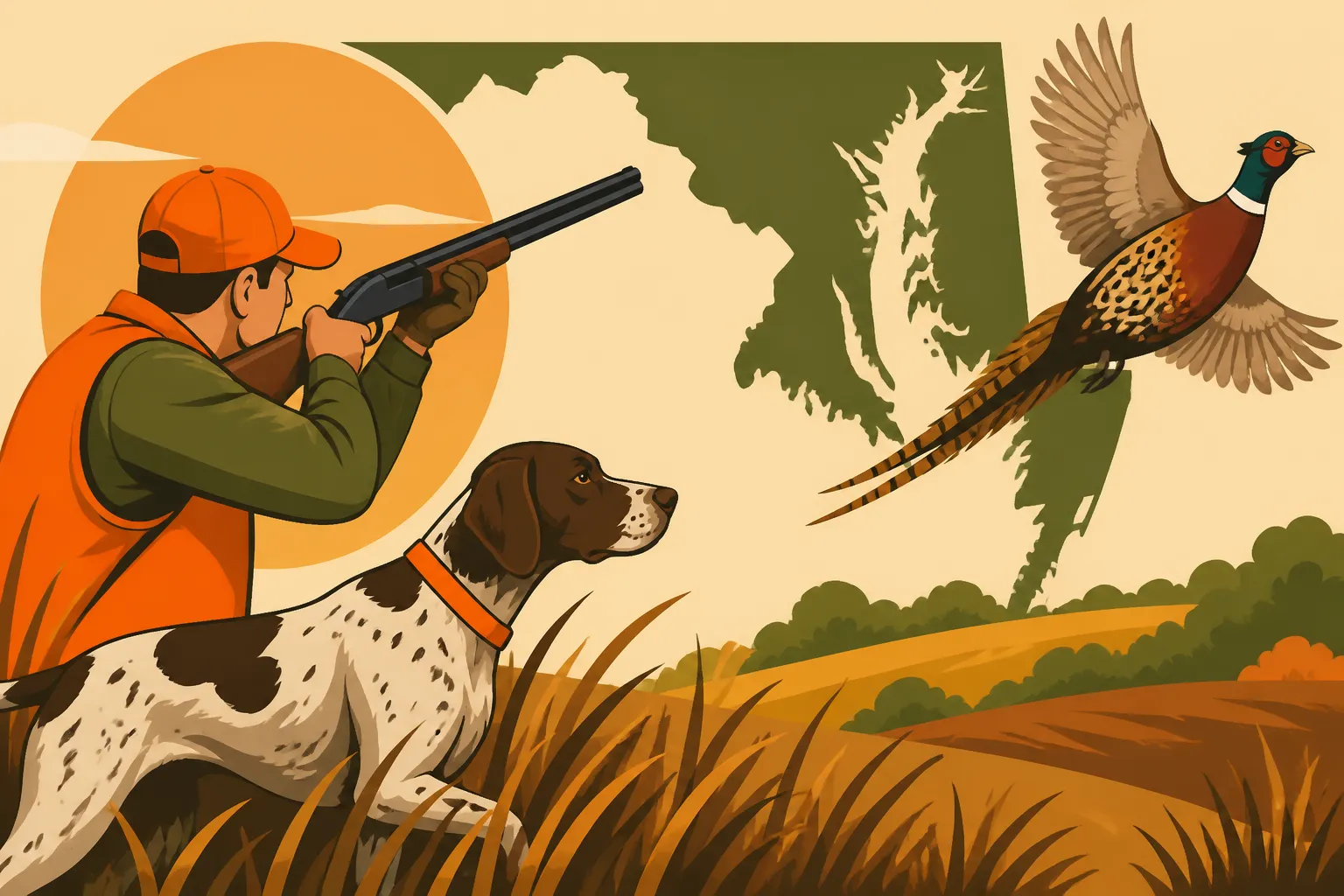
On a preserve, you might experience a traditional walk-up hunt, where hunters walk in a line with pointing or flushing dogs working ahead, kicking up pheasants that have been released. This mimics a classic wild bird hunt and provides plenty of thrilling flushes and shooting opportunities. Some preserves also offer European-style driven shoots, where blockers push birds towards a line of stationary shooters. This provides a high-volume shooting experience, often for larger groups. Regardless of the style, guides on preserves excel at managing the dogs, ensuring fair shooting, and maintaining a safe and enjoyable environment. The focus is on action, dog work, and camaraderie.
While much rarer, some guides might occasionally offer hunts for wild quail or ruffed grouse in specific, limited areas of Maryland, though these are typically much more challenging and less consistent than preserve pheasants. If you're interested in these incredibly elusive wild birds, be sure to thoroughly discuss expectations with your guide, as successful wild quail or grouse hunts in Maryland can be few and far between. It's important to be realistic about the challenges these species present, especially given the decline in populations like Bobwhite Quail in Maryland. For the most consistent upland bird hunting experience in Maryland, preserves are the go-to.
Post-Hunt Logistics: Processing and Regulations
After a successful day of hunting, you'll need to handle your harvest. Most guided small game and pheasant hunts include some level of assistance with game processing. For pheasants and other small birds, many guides will offer to breast out your birds or provide a cleaning station where you can do it yourself. Some might even have staff who can fully process the birds for a small additional fee. For rabbits and squirrels, guides typically assist with field dressing and advise on proper cooling and transport.
It's a good idea to bring a cooler with ice to keep your game fresh, especially on warmer days. If you're traveling a long distance, ask your guide about local processors or taxidermists if you plan to mount a trophy pheasant. While small game and preserve pheasants don't typically require the same online registration as deer or turkey, you are still responsible for complying with all Maryland hunting regulations. This includes possessing the correct Maryland Hunting Licenses and What They Cost, adhering to bag limits (which can vary for preserve birds vs. wild small game), and understanding shooting hours. Your guide will ensure you're aware of these rules, but it's always wise for you as the hunter to be familiar with the regulations yourself. Knowing these details beforehand helps ensure a smooth and legal hunt from start to finish.
Guided small game and pheasant hunts in Maryland offer a fantastic way to access quality hunting opportunities, especially if you're short on time, lack private land, or want to experience the thrill of hunting with expert dogs and a knowledgeable guide. From the fast action of a preserve pheasant hunt to the classic pursuit of rabbits with beagles, these guided trips provide a memorable and often highly productive day afield. They streamline the hunting experience, maximize your chances of success, and allow you to focus purely on the joy of the hunt.
Disclaimer
This article is for general informational purposes only and does not constitute professional advice. Laws, prices and regulations vary by location and change over time. Consult a qualified professional for guidance on your specific situation.