What Makes Region A Different for Deer Hunters
Navigating Maryland's deer hunting regulations can feel like deciphering a secret code, especially when you encounter terms like "Region A" and "Region B." Many hunters get frustrated trying to understand why the rules shift so drastically from one side of the state to the other, making it difficult to plan a successful hunt. This comprehensive guide will demystify Maryland's Region A, explaining precisely what makes it distinct for deer hunters, detailing its unique regulations, and offering practical strategies to adapt your approach for this challenging yet rewarding terrain.
Understanding Maryland's Deer Management Regions: A Deep Dive into Region A
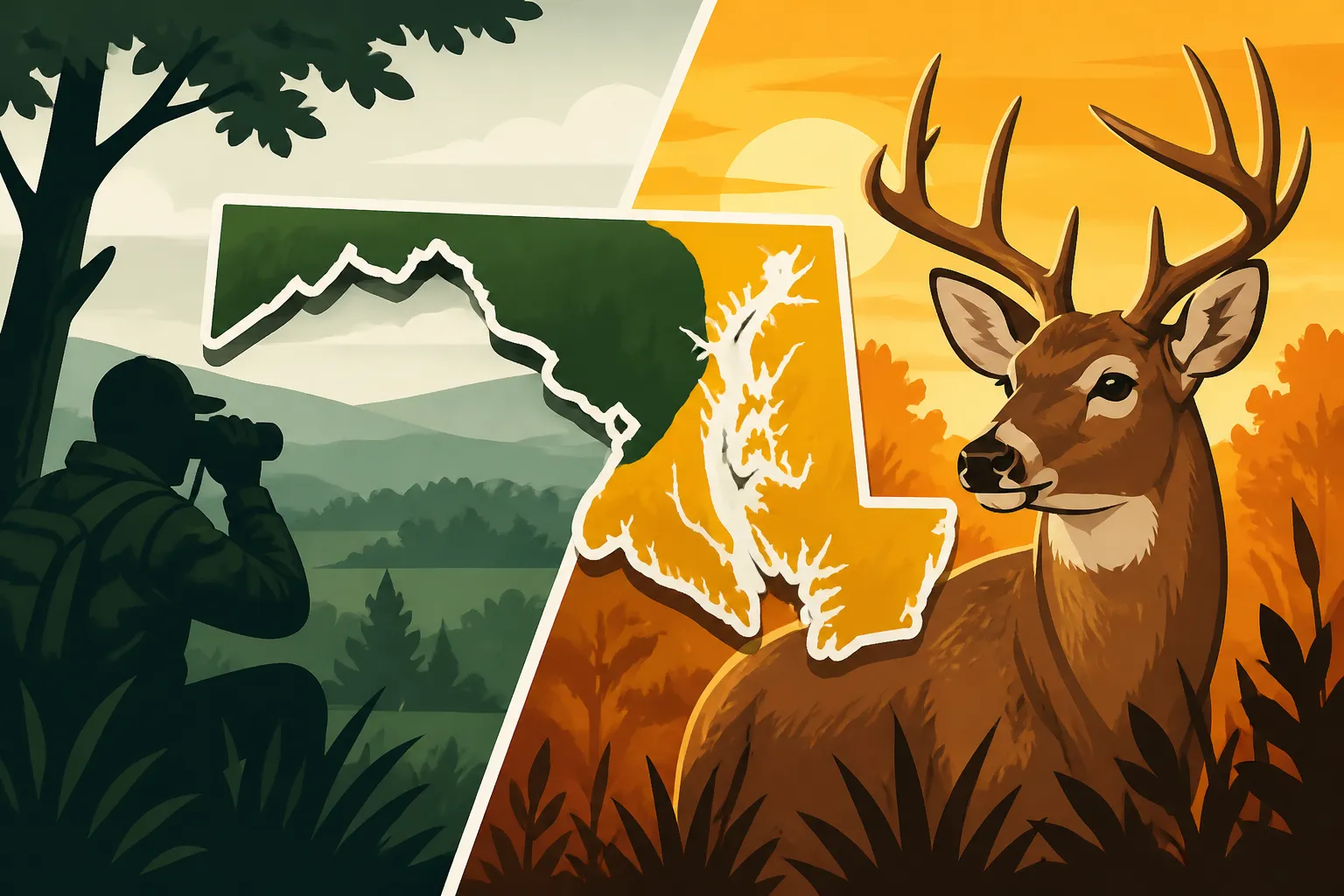
Maryland's approach to deer management isn't a one-size-fits-all system. The state is broadly divided into two distinct regions, A and B, each with tailored regulations designed to manage deer populations according to local ecological conditions, land use, and human impact. Region A, often referred to as the "mountain region," stands in stark contrast to the more densely populated and agriculturally rich Region B. For new hunters, or even seasoned veterans crossing over from other parts of the state, this distinction is absolutely critical to understand before heading afield.
Region A primarily encompasses the westernmost counties of Maryland: Garrett, Allegany, and portions of Washington and Frederick counties. Specifically, in Washington County, it's generally defined as west of Interstate 81, and in Frederick County, it's west of US Route 15. This delineation isn't arbitrary; it reflects significant differences in landscape, habitat, and deer population dynamics. When you picture Region A, think of the Appalachian Mountains, vast tracts of public and private timberland, steep ridges, deep hollows, and sparse agricultural areas. It's a rugged, wilder landscape compared to the rolling farmlands and suburban sprawl found elsewhere.
The deer population in Region A generally exhibits lower densities than in Region B. This is due to several factors: larger, contiguous blocks of forest habitat which can support fewer deer per square mile than mixed agricultural and forest lands, more challenging winters, and historically lower carrying capacities. The deer in Region A tend to be more spread out, and their movements are often dictated by mast crops (like acorns), elevation, and natural terrain features rather than field edges or suburban green spaces. This means hunting in Region A often requires more extensive scouting, greater physical exertion, and a different set of tactical skills. Understanding which counties fall into this category is your first step; you can always refer to resources like "Which Maryland Counties Fall in Region A" for precise boundaries.
Key Deer Hunting Regulations Unique to Maryland's Region A
The most significant difference that impacts deer hunters in Region A is the set of regulations governing antlerless deer harvest and season lengths. While the statewide antlered deer bag limit remains fairly consistent, and the "one buck can skip the three-point rule" still applies universally, the antlerless harvest is where Region A truly diverges. These rules are not designed to frustrate hunters, but rather to ensure a sustainable deer population in an environment less prone to the rapid population growth seen in agricultural or suburban areas.
Antlerless Deer Bag Limits
In Region B, particularly in areas with high agricultural damage or suburban deer conflicts, hunters often have generous, sometimes unlimited, antlerless deer bag limits. This is a primary tool for population control. In Region A, however, antlerless bag limits are much more conservative. Typically, hunters are limited to harvesting only one antlerless deer per weapon season (archery, muzzleloader, firearms). This means if you hunt archery season, you might fill your one antlerless tag with a bow, then you could potentially harvest another antlerless deer during the muzzleloader season, and then one more during the regular firearms season. This significantly lower quota reflects the management goal of maintaining a healthy, but not overly abundant, deer population in the western mountains. It encourages hunters to be more selective and emphasizes quality hunting experiences over sheer volume of harvest. For a complete breakdown, it’s always wise to consult the Maryland DNR website or check apps like GoHunt for the most current "Maryland's Deer Bag Limits and Antler Rule".
Season Lengths and Weapon Options
Another notable difference lies in the length of certain hunting seasons. While archery season often spans similarly across both regions, the firearms season in Region A is typically shorter than in Region B. Region A's firearms season is usually a single, contiguous block of days, whereas Region B often includes an extended season with an additional split in late January. This shorter firearms window in the west underscores the more conservative approach to deer harvest.
Muzzleloader season dates can also vary slightly between the regions, with the late muzzleloader season sometimes having different county-specific allowances. For instance, the general "Muzzleloader Deer Hunting in Maryland" guidelines might have nuances specific to the western counties that are critical to know. These differences mean that hunters planning a trip to Region A must pay close attention to the specific dates for their chosen weapon. Missing these details can lead to disappointment or, worse, a violation. Always double-check the opening and closing dates for "Maryland Firearms Season Opening Day" in Region A versus Region B.
Here’s a simplified comparison of key deer hunting regulations between Region A and Region B:
| Feature | Region A (Western MD) | Region B (Eastern/Central MD) |
|---|---|---|
| Antlerless Bag Limit | Generally 1 per season per weapon type | Generous, often unlimited in certain areas |
| Firearms Season | Shorter, contiguous block of dates | Longer, often with an extended late January split |
| Bonus Antlered Stamp | Not applicable (no additional antlered deer tags) | Allows for additional antlered deer harvest after certain conditions are met |
| Hunter Density | Generally lower, more spread out | Higher, especially on public land |
| Primary Habitat | Mountainous forests, steep terrain | Mixed agriculture, suburban woods, tidal marshes |
| Deer Population Goal | Maintain healthy, sustainable numbers | Reduce overpopulation, mitigate crop/suburban damage |
It's important to remember that these are general guidelines, and specific dates and bag limits can change annually. Consulting the official Maryland DNR hunting guide or using a reliable hunting app like GoHunt is essential for up-to-the-minute information.
Strategies for Deer Hunting Success in Region A's Challenging Terrain
Hunting in Region A demands a different mindset and skillset than pursuing deer in the agricultural fields of the Eastern Shore or the suburban woodlots near Baltimore. The vastness of the public lands, the rugged topography, and the often lower deer densities mean you need to be prepared for a more physically demanding hunt and employ different tactics.
Mastering Mountain Movement and Scouting
Still-hunting is often a highly effective strategy in Region A. Instead of sitting for long periods, you slowly move through the timber, pausing frequently to glass ahead and observe your surroundings. This allows you to cover more ground in areas where deer are scattered, increasing your chances of encountering a moving deer or one bedded in thick cover. When still-hunting, pay close attention to wind direction and thermals, as they play a critical role in the mountains. A good resource for this is "Wind and Thermals in Western Maryland Terrain". Also, mapping tools, such as those offered by GoHunt, can be invaluable for scouting potential travel corridors, bench cuts on hillsides, and areas with concentrated mast crops.
Scouting is paramount. Spend time before the season hiking prospective areas, looking for deer sign like rubs, scrapes, and feeding areas, especially around oak flats where acorns are dropping. Focus on saddles between ridges, benches along steep hillsides, and the edges of clear-cuts or recent timber harvests, which often provide excellent browse and cover. Identifying these key features will help you pinpoint areas where deer are likely to travel or feed. Check out "Scouting Maryland Public Land With Aerial Photos" for tips on how to effectively use technology for this purpose.
Gear and Physical Preparation
The terrain in Region A is unforgiving. Expect steep ascents and descents, rocky footing, and dense undergrowth. Good quality boots that offer ankle support and traction are not just a luxury; they're a necessity. Dressing in layers is also crucial, as mountain weather can change rapidly from chilly mornings to warm afternoons, and the physical exertion of climbing will quickly warm you up.
You'll also need to be prepared for a potentially long and challenging drag if you harvest a deer far from a road or trail. Consider bringing a sturdy deer cart or a game bag to make extraction easier. Given the effort involved, many hunters in Region A are more selective, holding out for a mature animal rather than harvesting the first legal deer they see. For a deeper dive into hunting these areas, you might find valuable insights in "Hunting Maryland's Western Mountain Forests".
The Ecological and Historical Factors Shaping Region A's Rules
The distinct regulations in Region A are not arbitrary; they are rooted in the unique ecological history and management goals for Maryland's western region. Historically, this area has always supported a lower deer population density compared to the fertile agricultural lands to the east. The habitat is predominantly mature forest, which, while beautiful, offers less diverse and abundant forage than areas with a mix of agriculture, early successional growth, and smaller woodlots.
Furthermore, Region A experiences harsher winters with deeper snow and colder temperatures, which naturally exert more pressure on deer populations. This is a stark contrast to the milder winters and abundant food sources often found in Region B, where deer can thrive and reproduce at higher rates. The management philosophy in Region A, therefore, focuses heavily on maintaining a healthy, sustainable deer population in balance with its natural environment. There's less emphasis on reducing deer numbers due to agricultural damage or suburban conflicts, simply because these issues are far less prevalent in the rugged western counties.
The presence of other large game species also plays a role. Western Maryland is the primary habitat for Maryland's burgeoning black bear population. While bears and deer often coexist, the broader ecosystem management in this region considers all large wildlife. If you're hunting in Garrett or Allegany, you're in prime "Black Bear Hunting in Western Maryland" territory, and understanding this shared habitat is part of the overall experience. The regulations in Region A are a reflection of a conscious decision to manage deer as a forest-dwelling species in a more wild, less human-impacted landscape, prioritizing long-term population health over short-term harvest maximization. This broader management approach often influences why you might see specific rules for Hunting Maryland's Two Deer Management Regions.
Final Thoughts on Hunting Region A
Hunting in Maryland's Region A is a truly distinct experience, offering a sense of wildness and challenge that sets it apart from the rest of the state. It requires a commitment to understanding the specific regulations, adapting your hunting strategies to the mountainous terrain, and being prepared for a more physically demanding adventure. The lower antlerless deer limits and shorter firearms seasons are designed to maintain a healthy deer population within its natural carrying capacity, reflecting the unique ecological conditions of western Maryland.
Before you plan your next deer hunt, take the time to study the regulations specific to Region A, utilize modern scouting tools like GoHunt, and prepare yourself for an unforgettable experience in Maryland's beautiful mountain country. While it might be more challenging, the rewards of harvesting a deer in this rugged landscape are immense.
Disclaimer
The information provided in this guide is for general informational purposes only and is not a substitute for official regulations. Hunters are responsible for knowing and abiding by all current Maryland Department of Natural Resources hunting laws and regulations. Always consult the latest Maryland hunting guide and local ordinances before heading afield.