Wild Turkeys in Maryland
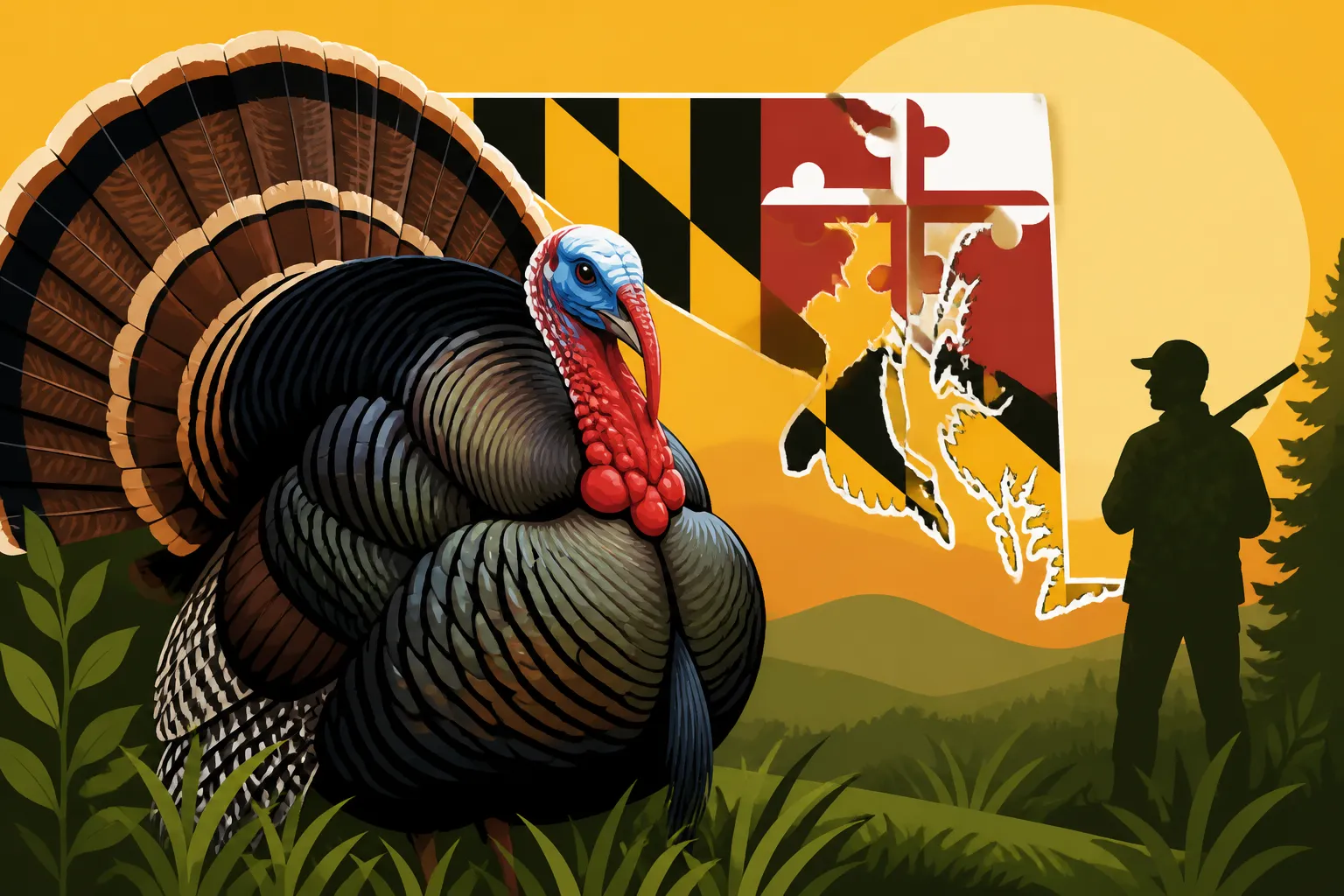
There's nothing quite like the sound of a spring gobbler sounding off on a crisp Maryland morning, but for many years, that sound was a rarity across much of our state. Maryland's wild turkey population has faced its fair share of ups and downs, leaving many hunters wondering where to even begin in their pursuit of these elusive birds. This comprehensive guide will walk you through everything you need to know about wild turkeys in Maryland, from their impressive comeback story and preferred habitats to hunting strategies, essential gear, and navigating regulations, ensuring you're well-prepared for your next adventure in the turkey woods.
Maryland's Turkey Population: A Comeback Story
It's truly remarkable to think about how far wild turkeys have come in Maryland. Not so long ago, hearing a gobble wasn't a given; in fact, for decades, these magnificent birds were practically non-existent across large swathes of the state. Early European settlers and market hunting in the 18th and 19th centuries devastated populations, pushing turkeys to the brink. By the early 20th century, if you wanted to find a wild turkey in Maryland, you'd likely have to venture deep into the remote, rugged mountains of Garrett and Allegany counties, where small, isolated pockets somehow managed to cling on. It was a dire situation, and many feared they might be lost forever from our landscape.
Historical Decline and Restoration Efforts
The story of the wild turkey's decline is a familiar one for many wildlife species across the country – unchecked hunting pressure, coupled with extensive deforestation for agriculture and timber, simply left them no place to live and no respite from human impacts. Maryland was no exception. By the 1950s and 60s, conservationists began to understand the critical need for active restoration. This wasn't just about protecting the few remaining birds; it was about re-establishing viable, self-sustaining populations in areas where they had been extirpated.
The Maryland Department of Natural Resources (DNR), alongside various conservation groups, spearheaded a monumental effort. This involved trapping wild turkeys from robust populations in other states and from Maryland's surviving western populations, and then carefully relocating them to suitable habitats across the state. This "trap-and-transfer" method was painstakingly slow and challenging, but it proved to be incredibly effective. Imagine the careful planning, the long nights, and the sheer dedication it took to capture these wary birds and transport them to new homes, hoping they would take hold and multiply. These initial reintroduction efforts laid the groundwork for the thriving populations we see today.
Current Population Status and Trends
Fast forward to today, and the results of those tireless efforts are undeniable. Maryland now boasts a healthy and widespread wild turkey population, with birds found in all 23 counties. It's a testament to sustained conservation work and responsible wildlife management. While the Western counties, particularly Garrett and Allegany, continue to hold significant numbers, excellent turkey hunting opportunities exist on the Eastern Shore, in Southern Maryland, and even in the central Piedmont region. You can really see the success when you look at how the Maryland Wild Turkey Population Trends have steadily climbed over the past few decades, allowing for consistent hunting seasons.
The state monitors these populations closely through various methods, including harvest data, hunter surveys, and brood surveys. These surveys track the success of nesting and poult survival, giving wildlife biologists a good idea of how the population is trending year to year. While there are natural fluctuations due to weather, predation, and habitat changes, the overall picture for wild turkeys in Maryland remains positive. This robust population is a direct result of the long-term vision and commitment to bring these iconic birds back from the brink, allowing us all to enjoy the distinct challenge and thrill of turkey hunting.
Understanding Maryland Turkey Habitat
Turkeys are incredibly adaptable birds, but they definitely have preferences when it comes to where they make their homes. In Maryland, you'll find them in a diverse array of landscapes, but a common thread runs through their ideal habitat: a mix of mature timber, open areas, and reliable water sources. Understanding these preferences is key, not just for hunting, but for appreciating why certain areas hold more birds than others. The variety of terrain across Maryland, from the mountains to the coastal plain, offers different nuances to turkey habitat.
Preferred Forest Types and Cover
Wild turkeys thrive in mature deciduous and mixed forests, particularly those with a strong component of oaks, hickories, and other mast-producing trees. These trees are crucial because they provide a seasonal bounty of acorns and nuts, which are a primary food source, especially in the fall and winter. Turkeys are constantly on the move, scratching through leaf litter to find these treasures. Beyond just food, these forests offer essential cover. The dense canopy protects them from aerial predators, and the understory provides concealment for nesting hens and roosting birds.
You'll often find them favoring areas with irregular topography – ridges, hollows, and stream bottoms – that offer a mix of open woods for feeding and thicker cover for security. Pine stands, particularly older ones, can also be used, offering dense roosting sites and often bordering deciduous areas. In places like Cedarville State Forest in Southern Maryland or the large tracts of Green Ridge State Forest in the west, you can see these habitat components play out beautifully. A good place to start your scouting is by looking for areas that blend mature hardwoods with some younger, thicker growth, or even adjacent open fields.
Importance of Openings and Water Sources
While forests are crucial, wild turkeys also rely heavily on open areas within or adjacent to their wooded homes. These can be agricultural fields, powerline cuts, clearings, or even well-maintained food plots. These open spaces provide crucial foraging opportunities for insects, seeds, and tender new greens, particularly important for poults in the spring and summer. Hens often lead their broods into these openings to feed, as the insect-rich environment helps their young grow quickly.
Open areas are also vital for strutting gobblers during the spring breeding season. They prefer clear lines of sight to display for hens, making field edges, logging roads, and open timber ideal spots for their morning performances. Beyond food and display, turkeys need regular access to water. While they can get some moisture from their food, reliable sources like streams, ponds, and even temporary puddles are important, especially during dry periods. Looking for these habitat combinations is a big part of knowing Where Maryland Turkeys Live Best and will greatly increase your chances of finding birds. Turkeys don't just randomly wander; they follow a pattern based on these essential needs.
Key Behaviors and Biology of Maryland Turkeys
Understanding how wild turkeys operate on a daily and seasonal basis is like unlocking a secret code. They are intelligent, wary birds with a complex social structure and distinct behavioral patterns that govern their lives. From their daily routines to their seasonal migrations, every action is driven by survival and reproduction. Knowing these behaviors is not only fascinating but also incredibly beneficial for hunters trying to outsmart them.
Daily Routines and Seasonal Movements
Turkeys are creatures of habit, especially when it comes to their daily routine. They start their day by flying down from their roost trees shortly after first light, usually around the same time each morning, provided the weather is cooperative. Once on the ground, they begin foraging for food, often heading towards open fields, food plots, or rich mast crops in the timber. Throughout the day, they'll feed, dust bathe, loaf in shady areas during warmer hours, and sometimes move considerable distances between feeding and resting spots. As evening approaches, usually an hour or two before dark, they'll begin their journey back to their chosen roost trees.
Seasonally, their movements are driven largely by food availability and breeding cycles. In the spring, gobblers are focused solely on breeding, often covering significant ground to find hens. Hens, after breeding, will seek out secluded nesting sites. In the summer, flocks of hens and poults will often stick to areas with abundant insects and protective cover. Come fall and winter, large flocks form, and their movements become primarily dictated by finding reliable food sources like acorns. These seasonal shifts in behavior are critical to grasp; a strategy that works in spring will likely fail in the fall.
Roosting Habits and Flock Dynamics
Roosting is a fundamental turkey behavior. Each evening, turkeys fly up into tall, sturdy trees to spend the night, seeking safety from ground predators like coyotes and foxes. They often use the same roost trees or general roosting areas repeatedly, especially if undisturbed. Prime roost trees are typically large, often pines or mature hardwoods, offering strong horizontal limbs and good visibility. Locating these roost sites, especially in the evening, can be a major advantage for early morning hunts. Knowing how to effectively Roost Hunting Gobblers on Maryland Farmland can be a game-changer for spring success.
Turkey social dynamics are also fascinating. During the breeding season in spring, gobblers are typically solitary or in small "bachelor groups," aggressively competing for hens. Hens, on the other hand, might form small groups or be solitary as they nest. As summer progresses, hens and their poults will form larger "brood flocks." In the fall and winter, these smaller groups coalesce into much larger, mixed-sex flocks that can number dozens of birds. Within these large flocks, there's a clear pecking order, with dominant birds asserting their authority. This hierarchy influences how they feed, move, and react to calling, making fall hunting a distinct challenge from the spring.
Spring Turkey Hunting in Maryland: The Thrill of the Gobble
Spring turkey hunting is an experience unlike any other, a true chess match played out in the woods. The air is electric with anticipation, and the sound of a booming gobble cutting through the morning stillness is enough to send shivers down any hunter's spine. It's a time when the entire landscape awakens, and hunters are immersed in nature's most dramatic courtship ritual. Maryland offers excellent spring opportunities, but success often hinges on preparation and understanding the unique strategies this season demands.
Season Dates and Permit Requirements
Maryland's spring turkey season is a highly anticipated event, typically running from mid-April through mid-May, with a special youth hunt day preceding the general opener. This season structure allows for hunters to pursue gobblers during their peak breeding activity. It's crucial to check the current year's Maryland DNR Hunting Guide for precise dates, as they can shift slightly. You don't want to miss that first morning fly-down!
To participate, you'll need a valid Maryland hunting license, and most importantly, a Maryland Spring Turkey Permit. This permit is an additional stamp or endorsement you purchase, specifically for spring turkey hunting. It's a key requirement, so make sure you have it before you head out. Junior hunters also have specific Maryland Spring Turkey Permit Rules and hunt days, which are fantastic opportunities for young folks to get into the field with a mentor. Always carry your license and permit with you, and remember, adherence to these regulations ensures the future of our turkey hunting traditions.
Calling Strategies and Decoy Use
Calling is the heart and soul of spring turkey hunting. It's how we mimic the sounds of turkeys to draw in a curious gobbler. There's a whole symphony of calls a turkey hunter can master: yelps, clucks, purrs, cutts, and gobblers. Each call has its place and purpose. Often, starting with soft tree yelps from your box call or slate call before fly-down can grab a gobbler's attention on the roost. Once on the ground, more aggressive yelping or cutting might be needed to challenge a dominant tom or pique the interest of a lonely one. Learning to use various calls, from a diaphragm call to a friction call, allows for versatility in different hunting situations.
Decoys can also be incredibly effective, especially when paired with convincing calling. A hen decoy, or a pair of hen and jake decoys, can often be enough to lure a gobbler into range. The visual of a potential breeding partner can overcome a tom's natural caution. However, it's essential to set your decoys up carefully. Position them where an approaching gobbler will have to come into your shooting lane to investigate. Remember, safety is paramount with decoys; never carry an unbagged decoy, and always be aware of other hunters in the area. Mastering Decoy Placement for Pressured Maryland Gobblers is an art form, as too many decoys or poor placement can sometimes spook wary birds.
Fall and Winter Turkey Hunting: A Different Challenge
While spring hunting captures most of the fanfare, fall and winter turkey hunting in Maryland offers a completely different, yet equally rewarding, experience. The landscape has changed, the birds' behaviors have shifted dramatically, and the strategies you employ must adapt accordingly. It's less about the passionate courtship of spring and more about the intricate social dynamics of established flocks. If you're looking for a quieter, more strategic hunt, the fall and winter seasons might just be for you.
Fall Turkey Season and Regulations
Maryland offers a fall turkey season, typically running through portions of October and November, with precise dates varying by region. Unlike the spring, the focus in the fall is generally on breaking up established flocks and then calling birds back together. This method, often called "flock busting," relies on the turkeys' strong social instinct to reassemble after being scattered. It’s a very traditional approach to fall hunting.
The regulations for fall turkey hunting also differ from spring. In the fall, hunters can generally take turkeys of either sex, whereas spring is typically restricted to bearded birds. Bag limits also vary, so always consult the current Maryland DNR Hunting Guide to ensure you're compliant. For example, Maryland Fall and Winter Turkey Rules specify these important distinctions. Hunting in the fall often involves more walking and scouting to locate flocks, rather than sitting and waiting for a gobbler to respond from a specific roost. It requires a different kind of patience and persistence.
Flock Busting and Locator Calls
The most common and often most effective strategy for fall turkey hunting is the "flock busting" method. This involves locating a large flock of turkeys, typically by scouting or by listening for their vocalizations, and then purposefully scattering them. Once the birds are broken up and have flown or run in different directions, you quickly set up in the area where they were dispersed. The goal then is to mimic the distress calls of a lost turkey or the assembly calls of a dominant hen trying to bring her flock back together.
This is where your calling skills come into play. Aggressive "kee-kee" runs, which simulate the lost calls of young turkeys, are incredibly effective, as are continuous yelps designed to sound like a lonesome hen. Turkeys have a powerful drive to reassemble, especially younger birds, and they will often come to these calls looking for their flock mates. Locator calls, like crow calls or owl hoots, can also be useful in the fall, not necessarily to make turkeys gobble, but to get them to reveal their location with a shock gobble or to simply announce your presence to a distant flock. Sometimes, just sitting quietly after a bust, waiting for the natural tendency of the birds to call back and gather, can be the most successful tactic.
Essential Gear for Maryland Turkey Hunters
Stepping into the turkey woods requires more than just a shotgun and a prayer. It demands a thoughtful selection of gear designed to give you an edge, keep you comfortable, and most importantly, keep you safe. The right equipment can make the difference between a frustrating day and a successful harvest. From head-to-toe camouflage to the various tools of the trade, every piece plays a role in your pursuit of Maryland's wild turkeys.
Shotguns and Ammunition Choices
For most turkey hunters in Maryland, a 12-gauge shotgun is the firearm of choice, though 20-gauge shotguns are also highly effective, especially with modern ammunition. The key is a tight-patterning shotgun, often achieved with a specialized "turkey choke" (such as a full or extra-full choke), which constricts the shot pattern for maximum density at critical ranges. You want a tight group of pellets aimed at the turkey's head and neck for a clean, ethical kill. Many hunters also prefer a shotgun with a shorter barrel for maneuverability in thick woods, and some opt for a pistol grip stock for added comfort and control when aiming.
When it comes to ammunition, modern turkey loads are nothing short of incredible. Gone are the days of hoping a few lead pellets would make it to the target. Today's high-density loads, featuring materials like tungsten super shot (TSS) or copper-plated lead, deliver devastating patterns and incredible knockdown power at extended ranges. Brands like Federal Premium's Heavyweight TSS or Winchester Longbeard XR are popular choices known for their performance. Always pattern your chosen shotgun and ammunition combination at various distances before the season to understand its effective range. Knowing your gun's limitations is paramount to avoiding missed shots and wounded birds.
Camouflage, Calls, and Optics
Complete camouflage is non-negotiable for turkey hunting. Turkeys have incredible eyesight, especially for movement, and can spot even the slightest inconsistency in your outline. This means head-to-toe camo, including a face mask or face paint and gloves, is essential. Popular patterns like Mossy Oak or Realtree, designed to break up your human form, work wonderfully in Maryland's diverse woodlands. You want to blend into your surroundings completely, disappearing into the backdrop of trees and brush.
Your arsenal of turkey calls is just as crucial as your shotgun. A good selection typically includes at least one friction call (like a slate or box call) and one diaphragm call. Friction calls are excellent for clear, consistent sounds and can be loud for reaching distant birds. Diaphragm calls offer hands-free operation, which is critical when a gobbler is close and you need to remain motionless. Many hunters also carry locator calls, such as an owl hooter or crow call, to provoke a shock gobble from a distant bird without making turkey sounds. Finally, a good pair of binoculars, like a 10×42, can be invaluable for spotting subtle movements, identifying distant birds, or confirming details without moving too much. For mapping and scouting, a GPS device or a robust hunting app like GoHunt on your smartphone can help you navigate public land and mark important locations like roost sites or strut zones.
Maryland Turkey Hunting Regulations and Ethics
Hunting wild turkeys in Maryland is a privilege, and with that privilege comes the responsibility to understand and strictly adhere to all state regulations and ethical guidelines. These rules are in place not only for safety but also to ensure the sustainable management of our turkey population and to maintain a positive public perception of hunting. Ignoring them can lead to fines, license revocation, and ultimately, harm to the resource we all cherish.
Licenses, Bag Limits, and Shooting Hours
Before you even think about stepping into the turkey woods, you need to ensure all your paperwork is in order. As mentioned, a valid Maryland hunting license and the specific Maryland Spring Turkey Permit are mandatory for spring season. You can purchase these easily through the Maryland DNR COMPASS system online or at authorized license agents. Make sure you understand the bag limits for the season you're hunting. For instance, in spring, the limit is typically one bearded turkey per season, though junior hunters might have slightly different allowances. Knowing Maryland Turkey Seasons and Permits is your first step to a legal hunt.
Shooting hours are also strictly defined. Generally, hunting is allowed from half-hour before sunrise until noon during most of the spring season. However, there can be exceptions, so always confirm the exact legal shooting hours in the current year's hunting guide. Hunting outside of these hours is illegal and dangerous. Additionally, familiarize yourself with legal weapons for turkey hunting, which typically include shotguns with certain shot sizes, and some archery equipment. Rifles are generally not permitted for turkey hunting in Maryland.
Safety Practices and Ethical Considerations
Safety should always be your top priority. Turkey hunting, while exciting, carries inherent risks, especially due to the use of camouflage and decoys that can be mistaken for actual birds. Always assume any sound or movement you hear is another hunter, not a turkey. Never stalk a gobbling bird; instead, call it to you. If you use decoys, place them in an open area where you have a clear shot, and never behind you, positioning yourself so that an approaching hunter would see you before the decoy. Wearing blaze orange when entering or exiting the woods, and when carrying a harvested turkey, is also a smart and often required safety measure.
Beyond safety, ethical hunting practices are crucial. This includes making clean, humane shots, only shooting at a bird when you have a positive identification of a legal bird and a clear shot at its head and neck. Never take a "body shot." If you wound a bird, make every effort to recover it. Respect private property and always secure permission before hunting on private land. Responsible hunters also play a role in reporting any suspicious or illegal activity they witness to the Maryland DNR. By upholding these standards, we ensure that turkey hunting remains a respected and sustainable tradition for future generations.
Finding Public and Private Land for Maryland Turkeys
One of the biggest hurdles for any hunter, especially newcomers, is finding suitable ground to hunt. Maryland, despite its population density, offers a surprising amount of diverse terrain for turkey hunting. Whether you prefer the solitude of public lands or the controlled access of private property, there are options available. The key is knowing where to look and how to approach securing permission.
Maryland's Wildlife Management Areas and State Forests
Maryland boasts a network of Wildlife Management Areas (WMAs) and State Forests that offer significant public hunting opportunities for wild turkeys. These areas are managed by the Maryland Department of Natural Resources (DNR) with wildlife habitat and public recreation in mind. In Western Maryland, large tracts like Green Ridge State Forest and Savage River State Forest are renowned for their robust turkey populations and vast, rugged landscapes, making them prime destinations for those willing to put in the legwork. You can learn more about Hunting Maryland's Western Mountain Forests to get a better sense of these areas.
On the Eastern Shore, WMAs like Idylwild WMA or Millington WMA offer a mix of woodlands and agricultural fields that can hold good turkey numbers. Southern Maryland also has options like Cedarville State Forest, which can be an excellent choice for a public land turkey hunt. Many of these public lands might require a free public land permit or have specific rules, so always check the DNR's website or visitor centers for current regulations and maps before you go. Utilize tools like the GoHunt app to overlay public land boundaries with satellite imagery, helping you identify prime habitat and access points. Remember, public land often means more pressure, so be prepared to walk further or hunt mid-week to find less disturbed birds.
Gaining Private Land Permission
Hunting private land often offers a more secluded and potentially less pressured experience, but securing permission requires effort and respect. Many landowners in Maryland, particularly in rural areas, are open to allowing hunters on their property, especially if deer or turkey populations are impacting their crops or timber. The most effective approach is to knock on doors well in advance of the season, ideally during the off-season. This gives you time to build rapport and demonstrate your responsibility.
When asking for permission, always be polite, respectful, and prepared. Have your hunting license and proof of insurance ready. Offer to help the landowner with chores, such as mending fences or clearing brush, to demonstrate your commitment. Clearly outline your intentions: what you'll be hunting, when you'll be hunting, and how you'll access the property. Leave them with your contact information, and if granted permission, always leave the property better than you found it. A small gift, like a turkey breast from your harvest or a gift basket, can go a long way in showing appreciation and securing future access. Building these relationships is key, and understanding how to effectively Asking a Maryland Landowner for Permission is a skill every hunter should cultivate.
The Role of Conservation in Maryland Turkey Hunting
The thriving wild turkey populations in Maryland are not accidental. They are the direct result of decades of dedicated conservation efforts, sound wildlife management principles, and the financial contributions of hunters themselves. It’s a story of science, dedication, and a commitment to preserving our natural heritage for future generations. Understanding this connection reinforces why we must continue to support conservation initiatives.
Funding Conservation Through Hunting Licenses and Permits
It's a common misconception among the general public that hunters deplete wildlife populations. In reality, hunters are the primary drivers and funders of wildlife conservation in North America. In Maryland, a significant portion of the revenue generated from hunting licenses, permits, and stamps – like your Maryland Spring Turkey Permit – goes directly back into wildlife management programs. This money funds habitat restoration, population monitoring, law enforcement, and research that benefits not just turkeys, but countless other species, both game and non-game.
Additionally, the Pittman-Robertson Act, a federal excise tax on firearms, ammunition, and archery equipment, provides substantial funding to state wildlife agencies. This means every time you buy a box of turkey loads or a new shotgun, a portion of that money is specifically earmarked for wildlife conservation and hunter education. This "user pays, user benefits" model ensures that the very people who enjoy the resource are the ones directly supporting its longevity. It's a system that has proven incredibly successful, allowing Maryland's wild turkeys to rebound from near extinction.
DNR's Management Strategies and Future Outlook
The Maryland Department of Natural Resources (DNR) plays a pivotal role in managing the state's wild turkey resource. Their biologists conduct annual surveys to monitor population health, track harvest data, and assess factors like reproductive success and disease prevalence. Based on this scientific data, they set season dates, bag limits, and other regulations to ensure sustainable hunting opportunities while maintaining healthy turkey numbers. This adaptive management approach allows them to respond to changing environmental conditions or population trends.
Looking ahead, the future for wild turkeys in Maryland appears bright, largely due to ongoing conservation efforts. However, challenges remain, including habitat fragmentation due to development, predation, and the potential impact of diseases like Avian Pox or Lymphoproliferative Disease. The DNR, along with partners like the National Wild Turkey Federation (NWTF), continues to work on habitat enhancement projects, educate landowners, and promote responsible hunting practices. As long as hunters remain engaged and committed to supporting these efforts, the thrilling gobble of a Maryland tom will continue to echo through our forests for many years to come.
Disclaimer
Please remember that hunting regulations, season dates, and permit requirements can change. Always consult the most current Maryland Department of Natural Resources (DNR) Hunting Guide or visit their official website before planning any hunting trip to ensure you are in full compliance with all state laws and regulations. The information provided here is for general guidance and educational purposes only.