Atlantic Population Canada Geese
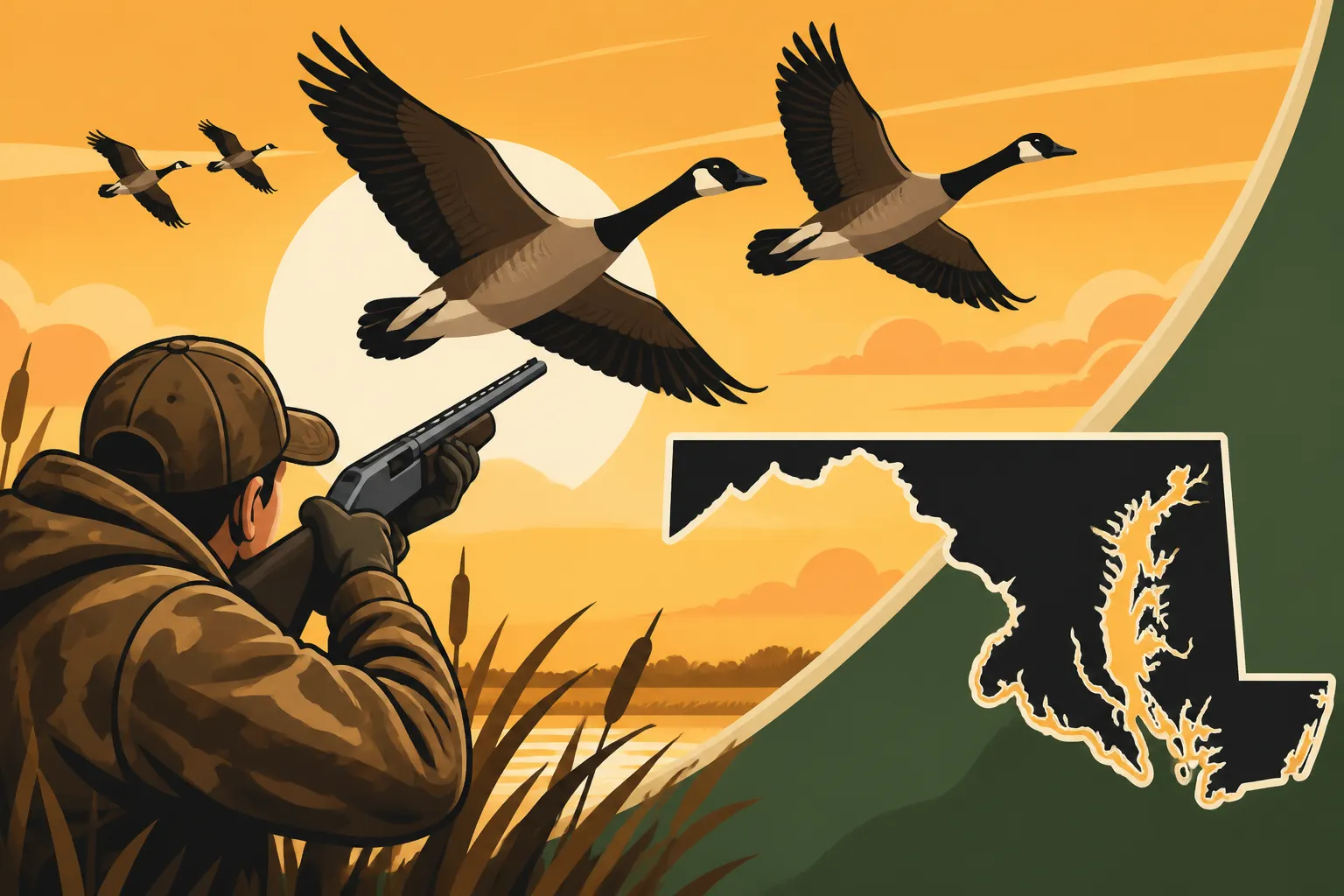
For many waterfowlers in Maryland, nothing gets the blood pumping quite like the sight of a perfect V-formation of Canada geese cupping their wings, preparing to commit to a well-placed decoy spread. But with various populations flying through our skies, it can be tricky to understand the specific dynamics of the Atlantic Population Canada Geese. This guide will dive deep into this particular population, helping you appreciate their journey, understand the regulations designed to protect them, and improve your chances in the field.
Understanding the Atlantic Population Canada Goose
When we talk about Canada geese in Maryland, it's easy to get confused. We've got geese everywhere, right? But what many hunters don't realize is that there are distinct populations, each with its own migration patterns, breeding grounds, and even management strategies. The Atlantic Population (AP) Canada goose is one of the most significant groups, especially for those of us who hunt the traditional flights that grace our Eastern Shore and Upper Bay regions. These aren't your backyard geese; these are true migrants.
Historical Context and Conservation Success
It’s truly remarkable how the Atlantic Population has rebounded over the decades. Back in the mid-20th century, these magnificent birds faced significant declines due to overhunting and habitat loss, particularly in their breeding grounds in northern Quebec. It was a serious concern, and many worried we might lose them forever. Thanks to concerted efforts by wildlife agencies like the Maryland Department of Natural Resources (DNR), alongside federal and international partners, strict regulations were put in place. This included shorter seasons and reduced bag limits, which, while frustrating for hunters at the time, were absolutely essential for their recovery. These measures, combined with habitat restoration projects, allowed the population to stabilize and eventually grow to healthy numbers again. It's a testament to what dedicated conservation can achieve, allowing us to still enjoy the tradition of Goose Hunting Maryland's Eastern Shore Grain Fields.
This conservation story is vital because it directly impacts current hunting seasons and limits. The management of the Atlantic Population is a balancing act, ensuring that hunters continue to have opportunities while safeguarding the long-term health of the flock. Wildlife biologists constantly monitor breeding success in the Arctic and track migration patterns to make informed decisions. This scientific approach ensures that future generations will also have the chance to witness these impressive migrations and participate in the hunting tradition. It’s a delicate ecosystem of management, and every hunter plays a part in its success by adhering to the rules.
Identifying Features and Behavior
Atlantic Population Canada geese generally exhibit classic Canada goose characteristics: a black neck and head with a distinctive white chinstrap, brown body, and black feet. However, seasoned hunters often note subtle differences that can help distinguish them from their resident counterparts, especially when seen side-by-side. AP geese tend to be slightly smaller and often possess a more streamlined body shape compared to some of the larger, stockier resident birds that have grown accustomed to easy pickings in urban and suburban environments. Their flight patterns are also quite telling; these are birds with a purpose, flying in tight, disciplined V-formations or long, undulating lines, often at higher altitudes, covering vast distances.
Beyond physical appearance, their behavior is a strong indicator. Atlantic Population birds are inherently wilder and more wary. They haven't spent their lives grazing on golf courses or city parks. They've faced predators and long migrations, making them acutely sensitive to anything out of the ordinary. This wariness is a key challenge for hunters. They'll circle high, studying a spread meticulously before even considering committing. Their calls often seem more urgent and less casual than those of resident birds. Observing these subtle cues, perhaps through a high-quality mapping app like GoHunt, which can help track their flight corridors, can be crucial for success, especially when trying to pinpoint their preferred feeding and loafing areas. Understanding these birds isn't just about bagging a limit; it's about appreciating their wild nature and the incredible journey they undertake each year.
Migration Patterns and Maryland's Role
Maryland, particularly the Eastern Shore, holds a truly special place in the epic annual migration of the Atlantic Population Canada Goose. For these birds, our state isn't just a fly-over zone; it's a vital wintering ground, a crucial stopover, and a place where they can refuel and rest before continuing their journey or settling in for the colder months. When those first big pushes of cold air come down from Canada, you can literally feel the landscape change as thousands upon thousands of these birds descend upon our fields and marshes.
The Annual Journey to the Chesapeake Bay
The journey for Atlantic Population Canada geese begins thousands of miles north in the subarctic tundra of northern Quebec, around the Ungava Bay region. These remote, vast breeding grounds are where they raise their young during the brief Arctic summer. As autumn approaches and the days shorten, instinct kicks in, and they begin their southward migration. This isn't a leisurely trip; it's a challenging, energy-intensive flight, often covering hundreds of miles each day. They follow ancestral migratory pathways, guided by celestial cues, magnetic fields, and prevailing winds.
By late October and November, the leading edge of this migration typically reaches Maryland, often coinciding with the cooling temperatures and increased agricultural activity on the Eastern Shore. They're drawn to our abundant grain fields—especially corn and winter wheat—and the relatively mild climate of the Chesapeake Bay region provides an ideal sanctuary. This influx of fresh, wild birds is what many waterfowlers eagerly await each season, marking the true beginning of the traditional goose hunting season. For more on the specifics, check out our guide on Maryland Waterfowl Zones and Season Dates.
Key Stopover and Wintering Areas in Maryland
Maryland's landscape offers a diverse mosaic of habitats that are irresistible to migrating Atlantic Population geese. The flat, fertile farmlands of the Eastern Shore, particularly in counties like Kent, Queen Anne's, Talbot, and Dorchester, provide an endless buffet of waste grain. These agricultural areas become critical feeding grounds where the geese can replenish the energy stores depleted by their long flight. It's common to see hundreds, if not thousands, of geese blanketing a cut cornfield in the early morning or late afternoon.
Beyond the fields, the vast expanse of the Chesapeake Bay and its countless tidal creeks, rivers, and marshes offer safe roosting and loafing areas. Places like the Blackwater National Wildlife Refuge, though primarily a sanctuary, still see immense concentrations of birds. Nearby public and private lands provide hunting opportunities. The geese will often feed in the fields during the day and then fly to the open water of the Bay or secluded marsh guts to roost overnight, feeling safe from predators. Understanding these flight lines between feeding and roosting is key for hunters looking to effectively target these birds, especially when planning to set up a spread for Decoying Canada Geese on the Upper Eastern Shore. Knowing their preferred safe zones can really help you narrow down where to focus your scouting efforts.
Management and Hunting Regulations for AP Geese
Hunting Atlantic Population Canada Geese in Maryland isn't just about finding birds; it's about understanding and adhering to a complex set of regulations designed to sustain this incredible resource. These rules are a direct result of ongoing scientific monitoring and collaborative management efforts across multiple states and federal agencies. Ignoring them isn't just illegal; it undermines the very conservation efforts that make our hunting seasons possible.
Specific Hunting Zones and Season Dates
Maryland is divided into several waterfowl hunting zones, and the Atlantic Population (AP) Canada geese are specifically managed under the Atlantic Population Goose Zone rules. This zone covers the vast majority of the state, essentially excluding only a few westernmost counties that fall into the Resident Goose Zone or the Late Western Zone. It's critical to know which zone you're hunting in, as season dates and bag limits can vary significantly. Generally, the AP Goose Zone has a more conservative season structure, reflecting the migratory nature and management goals for this specific population.
The Maryland DNR website is the absolute best place to find the most up-to-date information on these seasons, as dates can shift slightly year to year based on population assessments. Typically, the AP season will feature a shorter, more concentrated period, often with a mid-season split to further protect the birds during peak migration or harsh weather. These dates are set with precision, aiming to offer hunters opportunities while ensuring the maximum number of geese can safely reach their wintering grounds and eventually return north to breed. Always double-check the official regulations before heading out, perhaps by looking up Maryland Canada Goose Season Dates.
Bag Limits and Special Considerations
Along with season dates, bag limits are carefully set for Atlantic Population Canada geese. Historically, these limits have been more restrictive than those for resident geese, again due to the conservation-focused management of the AP population. For example, during much of the AP season, the daily bag limit might be one or two birds, while the Resident Goose Zone might allow a higher take. It's easy to accidentally overharvest if you're not paying close attention, especially if you're hunting a mixed flock of resident and migratory birds.
Here's a quick look at how the limits can vary, though always consult the current Maryland DNR regulations for precise numbers:
| Goose Population/Zone | Typical Daily Bag Limit (Example) | Season Length (Example) | Primary Focus |
|---|---|---|---|
| Atlantic Population | 1-2 Canada Geese | Shorter, Split Season | Migratory birds from northern breeding grounds |
| Resident Population | 3-5 Canada Geese | Longer, Earlier Season | Non-migratory birds, often locally raised |
| Snow Goose Conservation | 15-Unlimited Snow Geese | Extended Season | Overabundant snow geese, no federal stamp needed |
Note: These are illustrative examples. Always refer to the official Maryland DNR hunting guide for current, precise regulations.
Another important consideration is the Federal Duck Stamp Rules for Bird Hunters and the Maryland Migratory Bird Stamp Requirements. Even if you're only hunting geese, you'll need these stamps in addition to your regular Maryland hunting license. These funds directly contribute to habitat conservation, benefiting all migratory waterfowl. Also, remember that shooting hours for migratory birds are typically from one-half hour before sunrise to sunset. Adhering to these rules isn't just about legality; it's about ethical hunting and contributing to the health of the Atlantic Population.
Distinguishing AP Geese from Resident Populations
This is where the rubber meets the road for many Maryland hunters. When you're sitting in a blind, watching a flock approach, how do you tell if they're those wary, long-distance migrants from the Atlantic Population or the more localized, often more numerous resident geese? It's a skill developed over years, but there are some reliable indicators that can help you make the right call. It's not always easy, especially in low light or when birds are far off, but paying attention can save you from an accidental violation and enhance your hunting experience.
Behavioral Differences in the Field
The most telling distinction often lies in their behavior. Atlantic Population geese, having traveled thousands of miles and endured the harsh realities of the wild, are generally far warier than their resident cousins. When they approach a field or a decoy spread, they tend to be much more cautious. They'll often circle higher, wider, and make multiple passes, meticulously scrutinizing the setup below. They're looking for any sign of danger – a glint of sun off a blind, a poorly hidden hunter, or an unnatural spread. Their commitment to the decoys is often a much more drawn-out affair.
Resident geese, on the other hand, which typically breed and spend their entire lives within the mid-Atlantic region (as discussed in Resident Canada Geese in Maryland, can be less suspicious. They're more accustomed to human activity and often come into decoys with less hesitation, sometimes even landing directly without extensive circling. They might feed closer to roads or in fields with more human presence. While not always true, their calls might sound less urgent, more conversational, as they feed or move about. Recognizing these subtle behavioral patterns is critical, especially when trying to manage your shot opportunities according to the different bag limits for The Atlantic Population Goose Zone Limit.
Habitat Preferences and Feeding Habits
While both populations will utilize agricultural fields, there are often subtle differences in their preferred habitats and feeding habits. Atlantic Population geese, especially during the peak of their migration and early winter, often gravitate towards large, open agricultural fields with ample waste grain. Cut cornfields, winter wheat, and soybean stubble are prime targets. They prefer locations that offer wide sightlines, allowing them to detect potential threats from a distance. Their feeding can be more intense, driven by the need to refuel after their long journey.
Resident geese, while also enjoying grain fields, are often found in a wider variety of habitats, including smaller fields closer to residential areas, golf courses, suburban ponds, and even urban parks. They are less confined to remote agricultural areas and are more likely to be seen grazing on lush green grass year-round. Their feeding patterns might be more opportunistic, as they don't have the same migratory pressures. By understanding these habitat preferences, hunters can make more informed decisions about where to set up. Using resources like GoHunt to scout aerial imagery can help identify those larger, more remote fields that are likely to attract the wary AP birds, giving you an edge when planning your approach.
Effective Hunting Strategies for Atlantic Population Geese
Hunting Atlantic Population Canada geese can be one of the most rewarding challenges in waterfowling. Their inherent wariness and migratory patterns mean that success often hinges on meticulous planning, attention to detail, and a deep understanding of their behavior. You can't just throw out a few decoys and expect them to pile in; these birds demand respect and cunning.
Scouting and Decoy Spreads
Scouting is paramount when targeting Atlantic Population geese. These birds are creatures of habit but will readily shift locations if they feel pressured or if food sources change. You need to put in the windshield time, observing where they fly, where they feed, and where they roost. Pay close attention to flight lines—the invisible highways they use to travel between feeding and roosting areas. These often follow waterways, treelines, or terrain features. Tools like GoHunt can be invaluable here, helping you map out potential flight corridors and identify prime feeding fields based on satellite imagery.
Once you've identified a consistent feeding field, your decoy spread becomes critical. AP geese are much more likely to commit to a realistic, well-maintained spread. Here are some tips:
- Numbers Matter: For AP geese, more is often better. A large spread of 100-200 decoys creates a visual magnet that can pull in high-flying flocks.
- Realism is Key: Use full-body decoys whenever possible. Silhouettes and shells can work, but full-bodies offer a three-dimensional realism that can convince wary birds. Keep your decoys clean and free of unnatural shine.
- Natural Patterns: Avoid perfect "V" or "U" shapes. Geese feed and loaf in loose, natural clusters. Create family groups, feeding pairs, and sentinels. Leave a landing zone—a clear, open space within your spread where the birds feel safe to land.
- Wind Direction: Always set your decoys and position your blind with the wind at your back or quartering. Geese land into the wind, so they should be approaching your spread from the front, setting them up for a shot within range. For more on this, check out Setting a Goose Spread in Cut Corn.
Calling Techniques and Concealment
Calling for Atlantic Population geese requires finesse and restraint. These aren't birds that respond to frantic, over-aggressive calling. Start with softer, more inviting calls like clucks and moans, mimicking content birds on the ground. As they get closer, you can introduce more pleading calls, like double clucks and comeback calls, to convince them to drop. If they circle high, a slow, deep moan can often pique their interest without overdoing it. A good goose call, combined with the ability to read the birds' reactions, is an art form.
Concealment is perhaps even more important than calling. AP geese have incredible eyesight and will flare at the slightest unnatural glint or movement.
- Blinds: Layout blinds are highly effective in open fields, allowing you to disappear into the stubble. Ensure your blind is well-brushed with natural vegetation from the field you're hunting. Avoid anything that stands out.
- Natural Cover: If hunting from a natural blind along a hedgerow or field edge, make sure you're truly hidden. Use natural brush, cornstalks, or other available cover to break up your outline.
- No Movement: This cannot be stressed enough. Wait until the birds are committed and within range before making any movement. Even a slight turn of the head can send a wary flock rocketing skyward.
- Eyes to the Sky: Wear face masks or paint and dark gloves to conceal your exposed skin. Shine from your face or hands is an instant alarm bell.
Remember, the goal is to make your spread and blind look as natural and inviting as possible. These wild birds have seen it all, so every detail matters when you're trying to fool a flock of Atlantic Population Canada geese.
The Future of AP Canada Goose Hunting in Maryland
The tradition of hunting Atlantic Population Canada geese in Maryland is deeply woven into the fabric of our state's outdoor heritage. However, like all wildlife resources, it faces evolving challenges. Understanding these challenges and how hunters contribute to solutions is crucial for ensuring that future generations can also experience the thrill of a big flock of migrants dropping into a field.
Conservation Challenges and Climate Impact
One of the primary challenges facing the Atlantic Population is the dynamic nature of their environment. While the population has largely recovered from historical lows, it's constantly monitored for shifts in breeding success and survival rates. Habitat changes, both on their northern breeding grounds and their southern wintering areas, can have significant impacts. Development pressures in Maryland, for instance, slowly chip away at the agricultural land and marsh habitat that these birds rely on.
Climate change also introduces a layer of uncertainty. Warmer winters in the mid-Atlantic region can sometimes mean that fewer geese feel the need to push as far south, potentially altering their traditional distribution in Maryland. Conversely, extreme weather events, both in the Arctic and along their migratory corridor, can affect breeding success or survival during migration. The Maryland DNR and other agencies are continually studying these patterns to adapt management strategies, ensuring that regulations remain responsive to the needs of the population. This constant adaptation means that hunters need to stay informed, checking annually for updates on Maryland's Canada Geese and Their Two Populations.
Hunter's Role in Sustainable Management
Hunters are, and always have been, integral to wildlife conservation. For the Atlantic Population Canada goose, our role is multi-faceted and vital:
- Adherence to Regulations: The most fundamental responsibility is to strictly follow all season dates, bag limits, and shooting hours. These rules are scientifically determined to ensure a sustainable harvest and protect the population's health. Know your zones, know your limits, and don't push the boundaries.
- Accurate Reporting: If asked to participate in hunter surveys or wing-bee collections, contribute readily. This data is invaluable to biologists for assessing population health and reproductive success.
- Habitat Conservation: Support organizations that work to protect and restore waterfowl habitat. This can include groups like Ducks Unlimited, the Chesapeake Bay Foundation, or local land trusts. The purchase of your Maryland Migratory Bird Stamp directly funds these efforts.
- Ethical Practices: Promote ethical hunting practices, including responsible shot selection, quick and humane retrieves, and respecting landowner property. Every hunter is an ambassador for the sport.
- Distinguishing Populations: Continue to hone your skills in differentiating Atlantic Population geese from resident birds. This helps ensure that the more conservative bag limits for AP geese are respected, directly contributing to their long-term health. Using tools like GoHunt can help you scout and understand flight patterns, which aids in discerning migratory behavior.
The future of Atlantic Population Canada goose hunting in Maryland depends on a collaborative effort between wildlife managers and the dedicated hunters who cherish this resource. By staying informed, being responsible, and actively participating in conservation, we can ensure that the majestic V-formations continue to darken Maryland skies for generations to come.
Disclaimer
Please remember that hunting regulations can change frequently. Always consult the most current Maryland Department of Natural Resources (DNR) hunting guide and federal regulations before planning any hunt. This guide is for informational purposes only and does not supersede official government regulations.