Maryland’s Released Pheasants and Where They Go
If you've ever dreamt of experiencing classic pheasant hunting in Maryland, you've likely faced the stark reality that wild pheasants are practically nonexistent here anymore. It's a real bummer, especially for those of us who grew up hearing tales of roaring flushes. Thankfully, Maryland's pheasant release program offers a different kind of opportunity to chase these beautiful birds. This guide is all about navigating that program, understanding where these released pheasants go, and how you can maximize your chances of a successful hunt.
Understanding Maryland's Pheasant Stocking Program
Let's be honest, finding wild pheasants in Maryland is like finding a needle in a haystack – an incredibly rare and often disappointing endeavor. The habitat just isn't what it once was for a self-sustaining wild population. That's where the Maryland Department of Natural Resources (DNR) steps in with its pheasant stocking program, a fantastic effort to provide hunting opportunities that otherwise wouldn't exist. This program isn't about re-establishing a wild population; it's about creating "put-and-take" hunting experiences for folks who want to enjoy chasing these magnificent game birds.
Why Maryland Stocks Pheasants
The primary goal of stocking pheasants is pure and simple: hunter opportunity. Without the releases, many Maryland hunters, especially those new to the sport or those without access to private hunting preserves, would never get the chance to experience a pheasant hunt. It fills a void left by habitat loss and changes in agricultural practices over the decades. Think of it as a way to keep the tradition alive, introduce new hunters to upland bird hunting, and give seasoned wingshooters a chance to work their dogs and enjoy the thrill of a pheasant flush without traveling out of state. It's a public service, really, providing accessible recreation on public lands.
How and When Pheasants are Released
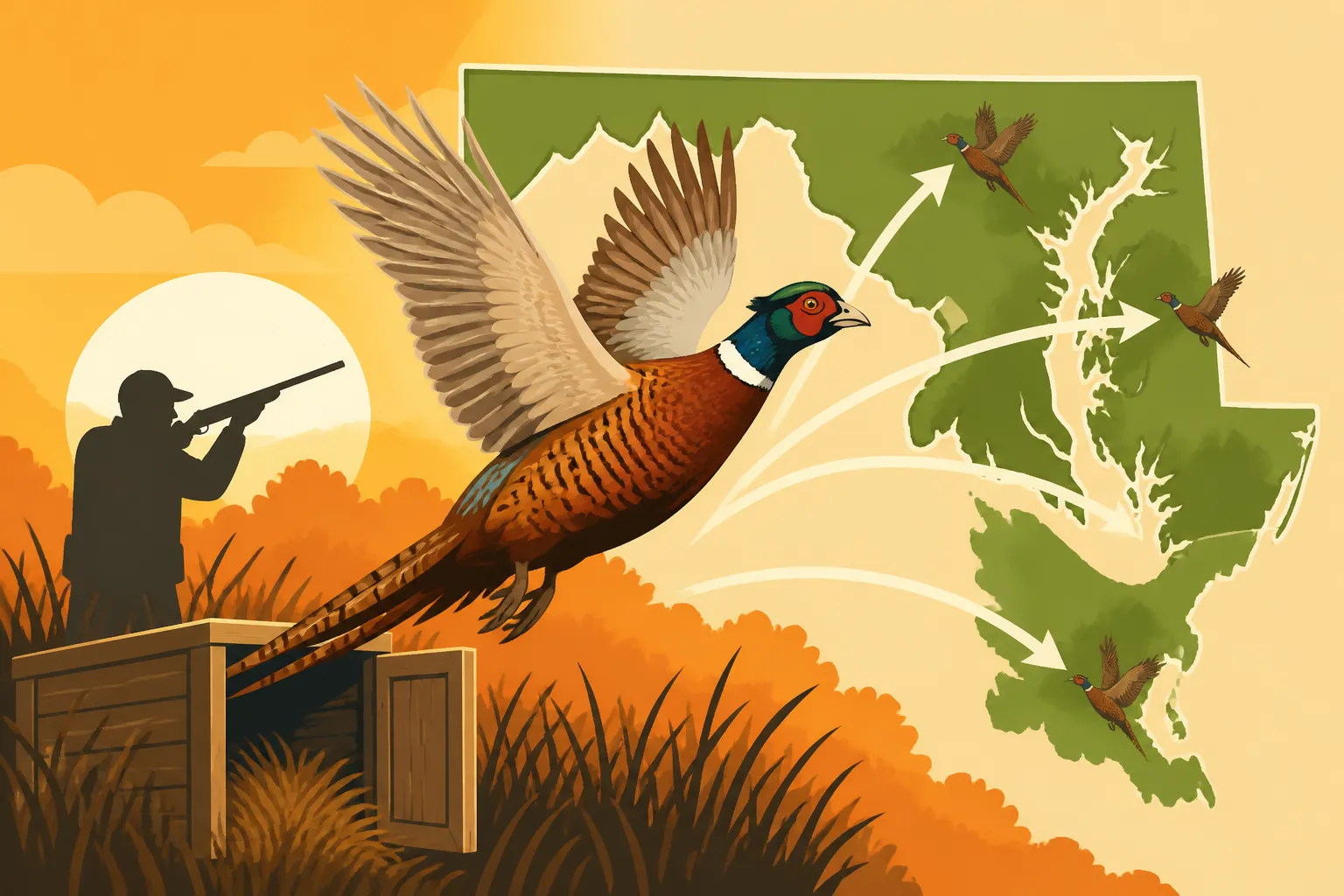
The pheasants used in the program are raised on game farms, specifically for release. They're typically released in designated Wildlife Management Areas (WMAs) that offer suitable cover, often areas with good grass fields, brushy edges, and diverse habitat that can hold birds, at least temporarily. The DNR usually announces a schedule for these releases, with specific "pheasant release days" during the fall and sometimes into early winter. These days are usually Tuesdays, Thursdays, and Saturdays in certain WMAs, designed to concentrate hunting effort and provide fresh birds regularly. It’s not a secret, but you do need to keep an eye on the DNR's official announcements or check the specific WMA rules to know when and where the birds will be put out. These birds are literally driven to the sites and released, usually from crates, directly into the cover.
The Behavior of Released Birds
Now, here's where realism comes in. These aren't wild pheasants that have survived harsh winters and outsmarted predators for seasons. They're farm-raised birds, and their behavior reflects that. When first released, they might be a bit disoriented or walk around openly for a short while. Some will quickly adapt and act more like wild birds, running and holding tight in cover. Others might be a bit lazier, or even fly a short distance and land, allowing for easier retrieves. They don't have the same ingrained survival instincts as their wild cousins, which means they can be a bit unpredictable. They're also often quite vulnerable to predators like foxes and coyotes, so they don't stick around long if they aren't harvested quickly. This is why knowing the release schedule and hunting close to it is often key.
Where to Find Released Pheasants in Maryland
Knowing that released pheasants aren't going to just pop up in your backyard woodlot is the first step. The key is understanding where the DNR concentrates these efforts. They do a great job of identifying specific WMAs that have the right kind of habitat and infrastructure to support a put-and-take pheasant program. These areas are spread across different regions of the state, though you'll find a heavier concentration on the Eastern Shore and in some central Maryland locations.
Designated Wildlife Management Areas (WMAs)
Maryland has a number of fantastic WMAs that are part of the pheasant release program. These are the absolute hotspots you'll want to target. Examples often include places like Idylwild WMA in Caroline County, which is known for its open fields and brushy cover. Another popular spot is Millington WMA in Kent County, offering similar prime pheasant habitat. The DNR manages these areas specifically with small game hunting in mind, ensuring there's a mix of tall grass, crop fields, and edge cover that pheasants love to hide in. Before you head out, I always recommend checking the DNR's specific hunting guide for current details, as designated areas can change. You can use mapping tools like GoHunt to scout these WMAs, looking for areas with dense grass or brush lines that would be perfect holding cover for newly released birds. It’s much easier to plan when you have a visual of the landscape.
Here's a look at some common pheasant release WMAs and what they often offer:
| WMA Name | Region | Typical Habitat | Notes |
|---|---|---|---|
| Idylwild WMA | Eastern Shore | Grass fields, hedgerows, crop edges | Popular, can be busy on release days. |
| Millington WMA | Eastern Shore | Open fields, brushy cover, timber edges | Good for dogs, mix of terrain. |
| Gwynnbrook WMA | Central Maryland | Mixed fields, thickets | Smaller, but provides opportunities near Baltimore. |
| Hugg-Thomas WMA | Central Maryland | Old fields, woods, stream corridors | Offers diverse cover, less open than Eastern Shore. |
| Myrtle Grove WMA | Southern Maryland | Mature pine, open fields, clearcuts | Check specific release locations within the WMA. |
This table provides general information; always confirm specific release sites and dates with the Maryland DNR.
Identifying Productive Cover within WMAs
Once you're at a designated WMA, not every inch of ground will hold pheasants. Your goal is to identify the specific types of cover where these birds are most likely to stick around. Think about what a pheasant needs: protection from predators, places to roost, and food. Tall, dense grassy fields are prime real estate. Look for areas with switchgrass, native warm-season grasses, or even unharvested standing crops. These offer overhead cover from aerial predators and dense concealment from ground-based ones. Brushy hedgerows and thickets along field edges are also excellent spots. Birds will often run to these areas when pressured, so working these edges meticulously can pay off. Don't overlook creek bottoms or drainages with thick growth; these can serve as natural travel corridors and hiding spots. Using an app like GoHunt to review satellite imagery can help you pinpoint these promising patches of cover before you even step out of your truck. Identifying these specific habitat types is a key part of Scouting Maryland Public Land Before Season.
Dealing with Hunting Pressure
Here's the rub: if you know about the pheasant release program, so do a lot of other hunters. Opening Weekend Crowds on Maryland Public Land are a real thing, and pheasant release days are no exception. These WMAs can get quite busy, especially on the mornings of release days. This pressure impacts bird behavior. Some pheasants will be flushed quickly by the first hunters through, while others will run and hold incredibly tight, trying to avoid detection. You'll need to be mindful of other hunters, communicate clearly, and practice good safety. Sometimes, waiting until later in the day, or even the day after a release, can lead to good hunting if you're willing to work harder for those birds that have settled in and become "wiser." Don't get discouraged if the first field you walk is empty; keep moving, and be thorough.
Hunting Strategies for Released Pheasants
Hunting released pheasants isn't quite the same as a wild bird hunt in the Dakotas, but it still requires skill, persistence, and often, a good dog. The tactics you employ will depend a lot on whether you're hunting right after a release or a day or two later, and how much pressure the birds have seen. Adaptability is your best friend when chasing these put-and-take birds.
Hunting with Dogs
Without a doubt, a well-trained bird dog is your single biggest asset when hunting released pheasants. These birds can run, and they can hide in incredibly dense cover. A flushing dog, like a Springer Spaniel or a Labrador, is excellent for pushing birds out of heavy grass or brush. They'll enthusiastically work the cover, getting birds airborne so you can get a shot. Pointers, like German Shorthaired Pointers or English Pointers, will scent the birds and lock up, allowing you to walk in for the flush. This can be especially effective for birds that are holding tight.
Even if you don't have your own dog, consider going with a friend who does. The dog's nose and energy will find birds that you'd walk right past. When hunting with a dog, pay attention to their body language. A change in tail wag, a heightened intensity in their nose work, or a sudden stop often signals a bird is nearby. It’s also crucial to practice Dog Training on Maryland Public Land well before the season, so your dog knows how to work with you in the field.
Tactics for Different Scenarios
- Freshly Released Birds (Day of Release): On release days, especially early in the morning, birds might be a bit disoriented. Some will hold tight, others might get up quickly. Walk slowly and thoroughly, covering all available cover. If you have multiple hunters, spread out in a line, about 20-30 yards apart, and walk forward, effectively sweeping a field. This helps push birds forward and prevents them from running back behind the line. Maintain your line, move at a consistent pace, and be ready for sudden flushes.
- A Day or Two After Release: These birds are often "smarter" and will have settled into the cover. They're more prone to running than flying. This is where a good dog is invaluable. Without one, you'll need to be even more meticulous. Focus on dense, thick cover where birds feel safest. Walk slower, stop and start frequently, which can sometimes make a nervous bird flush. Circle around heavy patches of cover, approaching from different angles. Pay extra attention to corners, ditches, and brush piles.
- Solo Hunting: If you're hunting alone, it's a tougher task, especially without a dog. Focus on working edges, fencelines, and narrow strips of cover that you can effectively cover yourself. Move deliberately and quietly. You'll rely more on surprising birds or flushing them from smaller pockets of cover. A push-and-pause technique can sometimes work: walk a short distance, pause for a moment to see if a bird flushes, then continue.
Group Hunting Dynamics
Hunting pheasants in a group can be incredibly productive, but it requires coordination and clear communication. A common strategy is to form a line of hunters, often with dogs working out front, and walk a field or cover strip. The idea is to push birds towards the end of the field or into blocking hunters. Designate a leader who calls the shots and directs the line. Safety is paramount: always know where your hunting partners are, and only shoot at birds that are flying safely away from the line and against a clear backdrop. Hearing other groups flushing birds nearby can be a good indicator of where birds are concentrated, or where they've been pushed.
Pheasant Hunting Regulations and Requirements
Just like any other hunting pursuit in Maryland, chasing pheasants comes with a set of rules and requirements you absolutely need to follow. Ignoring these can lead to fines, loss of privileges, and unsafe situations. It's not just about what gun to carry, but what paperwork you need and how you conduct yourself in the field.
Licensing and Stamps
To hunt pheasants in Maryland, you'll need a valid Maryland hunting license. For residents, this is your basic hunting license. Non-residents will need a non-resident hunting license. Beyond the base license, you'll also typically need a Maryland Migratory Game Bird Stamp if you plan on hunting any migratory birds in the same trip (though pheasants are resident game, many hunters will combine trips). Always verify what specific stamps are required for upland game birds. You can generally purchase these through the COMPASS portal online or at licensed agents. Make sure your licenses and stamps are current and properly displayed or easily accessible, especially if you carry your Maryland Hunting Licenses and What They Cost on your phone.
Blaze Orange Requirements
Safety is non-negotiable, and when hunting upland birds, especially on crowded public lands, blaze orange is essential. Maryland requires hunters to wear a certain amount of visible blaze orange during certain seasons and in specific hunting scenarios. For pheasant hunting, especially during firearms deer season overlaps, it's highly recommended, and often legally required, to wear a minimum amount of blaze orange above the waist. This could be a cap and vest, ensuring you're clearly visible to other hunters. Even if not strictly required by law for small game on a particular day, wearing it is a smart practice for hunter safety. Always check the current regulations for How Much Blaze Orange Maryland Requires during the dates you plan to hunt.
Shooting Hours and Legal Means
Pheasant hunting, like most small game hunting, falls under specific legal shooting hours in Maryland. Generally, these hours run from one half-hour before sunrise to one half-hour after sunset. It's critical to adhere to these times. You can't be out there chasing birds in the dark, and you definitely can't shoot outside those legal windows. For pheasants, shotguns are the typical weapon of choice. Most hunters use 12 or 20 gauge shotguns with open chokes (like improved cylinder or modified) and shot sizes ranging from 5 to 7 ½, which are effective without being overkill for these medium-sized birds. Always consult the Maryland DNR regulations for any specific ammunition restrictions or legal weapon types for the specific WMA or season you're hunting. These details are important, and part of understanding Maryland Shooting Hours and Legal Light.
Public Land Permits and Rules
Many of the WMAs where pheasants are released require a Public Hunting Lands Permit or specific check-in procedures. Some areas might have daily check-in stations, either physical sign-in boards or online systems, to monitor hunter numbers and harvest. Always check the specific rules for the WMA you plan to visit. Some WMAs may also have specific rules regarding vehicle access (Vehicle Rules on Maryland Public Land), where you can park, or even limits on group sizes. Familiarize yourself with these local regulations before you go to ensure a smooth and legal hunt. Remember, respecting the rules helps ensure these programs continue to operate for everyone's enjoyment.
The Experience: Expectations vs. Reality
Heading into a pheasant hunt, especially one involving released birds, it's easy to conjure up images of endless flushes and easy limits. While those moments can certainly happen, the reality often involves more walking, more working for birds, and a fair share of unexpected challenges. Managing your expectations will go a long way in enjoying the experience.
The Thrill of the Flush
No matter how many times you've heard it, the sudden, explosive flush of a pheasant is truly exhilarating. That cackle, the rapid wingbeats as the bird bursts from cover – it gets your heart pounding every single time. It's why we do it! With released birds, you might get a mixture of these explosive flushes and some more casual, almost walking-away flushes. Be ready for either. The challenge is often in anticipating when and where that flush will happen, and being quick enough to shoulder your gun and make a clean shot. This is especially true when hunting close to the release site, where birds are a little more concentrated.
The Challenge of Finding Birds
Here’s where reality often kicks in. Even on release days, birds don't just sit there waiting for you. They spread out, they run, they hold incredibly tight, and some inevitably fall victim to natural predators before hunters arrive. You will walk a lot. You will work dense cover. There will be times you wonder if there are any birds left at all. The reward comes from that persistence – when your dog finally locks up, or a bird explodes from a patch you swore was empty. It's a testament to patience and effort. Don't go in expecting easy pickings; go in ready for a good workout and the satisfaction of earning your birds.
Ethical Considerations and Conservation
Hunting released pheasants still carries ethical responsibilities. The goal is a clean, quick kill. This means practicing your shooting before the season and knowing the effective range of your shotgun and ammunition. Avoid "sky-busting" – shooting at birds that are too far away for a clean kill, only to wound them. Also, remember that these programs are designed to provide opportunity, not necessarily to sustain a wild population. While you might encounter other small game during your hunt, the primary focus is often the released pheasants. Supporting these programs through your license purchases and adherence to regulations contributes to the future of small game hunting in Maryland, a critical part of the larger Maryland's Small Game Species conservation picture.
Maximizing Your Day: Tips for Success
Making the most of your pheasant hunting day in Maryland requires more than just showing up. A bit of planning, smart execution, and the right gear can significantly improve your chances and make the experience more enjoyable, even when the birds are sparse.
Timing Your Hunt
This is perhaps one of the most crucial elements for hunting released pheasants. Hunting on a designated release day, particularly early in the morning, offers the best chance at fresh, less pressured birds. However, these days can also see the highest hunter traffic. If you're willing to work harder, hunting a day or two after a release can be productive. The crowds thin out, and the birds that remain have had a chance to settle in and become a bit more "wild." They'll be harder to find and might run more, but the satisfaction of finding them is immense. Avoid hunting too long after a release; farm-raised birds don't tend to survive long in the wild.
Essential Gear and Apparel
Don't underestimate the importance of appropriate gear. You'll be walking through dense cover, often in unpredictable weather.
- Footwear: Waterproof, comfortable boots are a must. You'll be crossing wet grass, ditches, and potentially muddy terrain.
- Clothing: Layered clothing is key. Start with moisture-wicking layers, add insulation, and finish with a tough, briar-resistant outer layer. You'll be busting through thorns and thickets. A good pair of briar pants or chaps will save your legs.
- Blaze Orange: As mentioned, wear it! It's about safety first.
- Gun and Ammo: A reliable shotgun, typically a 12 or 20 gauge, with sufficient pheasant loads (size 5 or 6 shot is common). Bring plenty of shells; it's better to have too many than run out.
- Water and Snacks: You'll be exerting yourself, so stay hydrated and keep your energy up.
- GPS/Map: Even on familiar public land, it's easy to get turned around when following a dog or a hot scent. A handheld GPS or a mapping app like GoHunt on your phone can be invaluable for navigation and staying within WMA boundaries. This is especially helpful if you're trying to differentiate between public and private land, which can often be confusing.
Post-Hunt Procedures
Once you've successfully harvested a pheasant, there are a few important steps. First, ensure the bird is ethically retrieved, especially if you're hunting with a dog that does the fetching. Field dress your bird promptly, especially on warmer days, to ensure the meat stays fresh. This usually involves removing the entrails. Then, make sure you register your harvest if required by the DNR for upland game. While deer and turkey registration are well-known, always double-check if smaller game species have similar requirements. Lastly, get ready to enjoy some delicious pheasant for dinner! The meat is lean, flavorful, and a true culinary reward for your efforts.
Consider a Mentor or Guided Hunt
If you're completely new to pheasant hunting or hunting in Maryland, consider joining an experienced hunter or even booking a guided hunt through a preserve that offers released pheasants. A mentor can teach you the ropes, from reading dog behavior to understanding pheasant habits and navigating the regulations. Maryland also has an Maryland Apprentice and Mentored Hunting program, which is a great way for newcomers to get started under the wing of an experienced hunter. While preserves aren't technically part of the DNR's public land release program, they offer guaranteed bird numbers and a controlled environment to learn the sport. It's a fantastic way to build confidence before venturing out onto crowded public lands.
Disclaimer
This article is for general informational purposes only and does not constitute professional advice. Laws, prices and regulations vary by location and change over time. Consult a qualified professional for guidance on your specific situation.