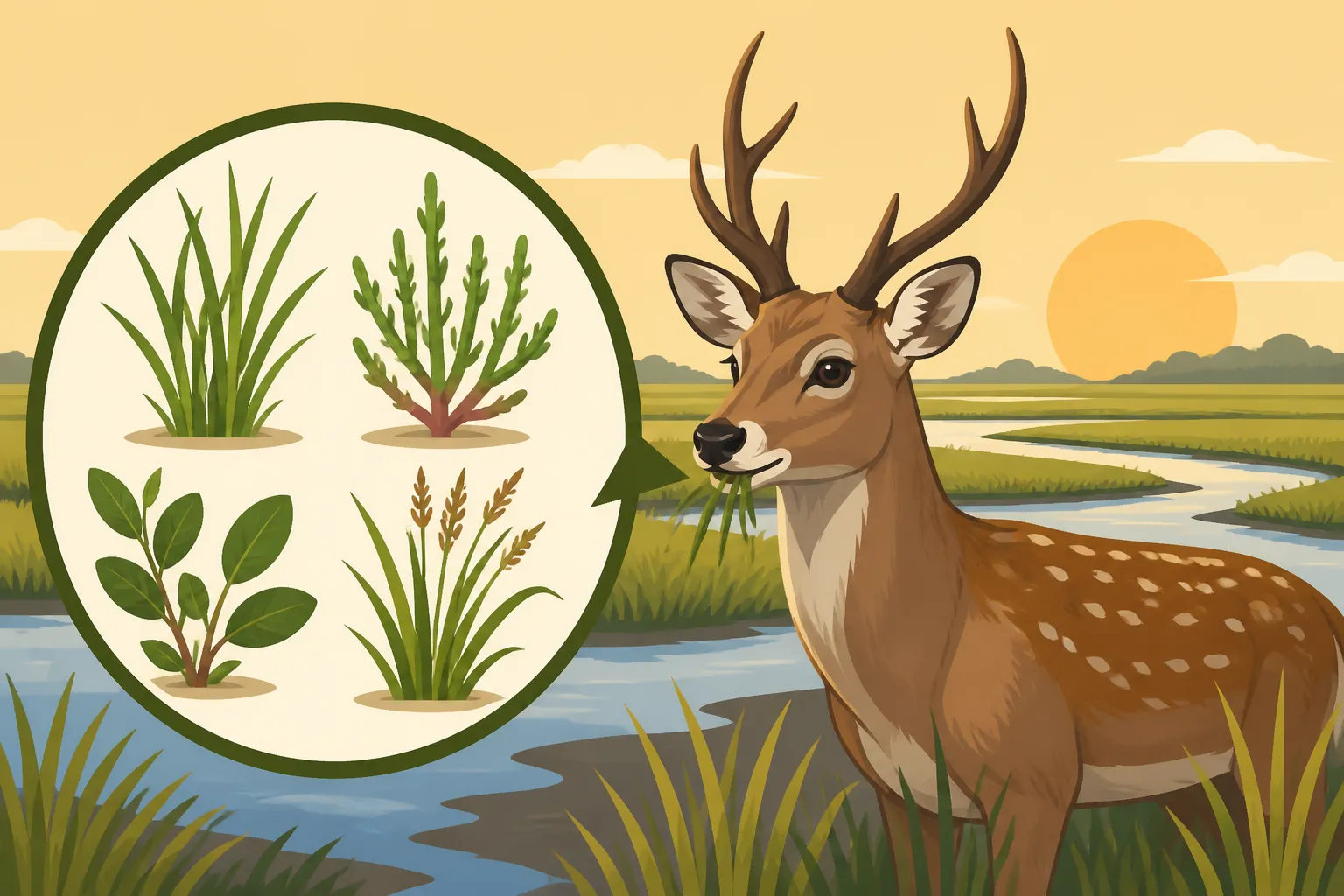
What Sika Deer Eat in a Tidal Marsh
If you've spent any time at all trying to hunt Sika deer in Maryland's vast tidal marshes, you know the struggle: finding these elusive, small elk is tough. They seem to vanish into the dense vegetation, and understanding what keeps them there—their primary food sources—is the key to unlocking their patterns. This guide will dive deep into the diverse diet of Sika deer in a tidal marsh, helping you pinpoint where they feed and, consequently, where you might find them.
The Unique Tidal Marsh Environment and Sika Adaptation
Hunting the marshes of Maryland, particularly the lower Eastern Shore, is an experience unlike any other. The air hangs heavy with the scent of salt and mud, the cries of marsh birds are constant, and the landscape is an intricate puzzle of water, mud, and vegetation. For Sika deer, this environment isn't just a place to live; it's a grocery store, a hiding spot, and a challenge all rolled into one. Understanding this unique ecosystem is the first step to understanding what Sika deer eat.
Life in the Salt and Brackish Water Interface
Tidal marshes are dynamic zones, constantly influenced by the ebb and flow of the Chesapeake Bay and its tributaries. This means the vegetation here has to be incredibly resilient, capable of handling fluctuating salinity levels and regular inundation. For a deer species, this creates a very specific menu. Unlike a forest, you won't find a buffet of acorns everywhere, nor vast expanses of lush clover. Instead, Sika thrive on tough, fibrous plants adapted to this harsh environment. They're masters of finding sustenance where other deer might struggle, an adaptation that has allowed them to flourish since their introduction to the region. The ever-changing water levels also mean that certain food sources are only accessible at specific tides, which is a crucial detail for hunters to consider. For more on navigating this environment, check out How Tides Move Marsh Game Around.
Sika's Survival Instincts in a Limited Foodscape
Sika deer, often affectionately called "Japanese elk" by locals, are smaller than our native white-tailed deer, but they are incredibly hardy and resourceful. This smaller stature is actually an advantage in the dense, often impenetrable marsh. They can slip through thickets of reeds and tall grasses that would slow down a bigger animal. Their diet reflects this tenacity; they aren't picky eaters, readily consuming a variety of plants that most other deer species might pass over. This allows them to exploit a food base that might seem limited to the untrained eye but is actually quite abundant for a creature perfectly evolved for it. They're always looking for the next bite, which often means moving constantly through the marsh, sometimes along Reading a Marsh Trail for Sika Sign.
Primary Forage: Marsh Grasses and Emergent Vegetation
When you think of a marsh, what comes to mind? Tall, swaying grasses, right? Well, for Sika deer, those grasses are often the main course. They spend a significant portion of their day browsing on the abundant marsh grasses and emergent plants that dominate the landscape.
Phragmites: The Controversial Staple
Let's talk about Phragmites australis, also known as common reed. It's an invasive species, no doubt, and a headache for marsh conservationists. But for Sika deer, it's a lifeline. This towering grass forms dense, often monoculture stands that provide incredible cover and a surprisingly vital food source. Sika will browse the tender new shoots in the spring and early summer, which are much more palatable and nutritious. As the season progresses, they'll still consume the older stalks, particularly the greener parts lower down, and will even dig up and eat the rhizomes (underground stems) which are rich in starches and sugars. If you’re scouting, look for evidence of Sika clipping these reeds, especially near the base, and you’ll find a hotspot. Understanding Where Sika Deer Bed in Phragmites can also help you connect their bedding areas directly to their most convenient food sources.
Cordgrasses and Other Native Marsh Grasses
While Phragmites gets a lot of attention, Sika deer aren't exclusively dining on invasives. They also rely heavily on native marsh grasses. Spartina alterniflora, or saltmarsh cordgrass, is common in the lower, more saline zones, and Sika will browse its leaves. In slightly higher, less frequently flooded areas, you'll find Spartina patens, or saltmeadow cordgrass, which is another preferred forage. These grasses, along with various sedges and rushes, make up a substantial portion of their diet, offering both fiber and nutrients. A skilled hunter using an app like GoHunt can often identify these different vegetation types from satellite imagery, helping to predict Sika movements based on preferred forage. Imagine seeing a strip of saltmeadow cordgrass bordering a phragmites stand – that's a Sika superhighway!
Broadleaf Emergent Plants
Beyond the typical grasses, several broadleaf emergent plants offer additional sustenance. Look for pickerelweed (Pontederia cordata) with its distinctive purple flowers, especially in fresher or brackish water sections of the marsh. Cattails (Typha spp.) are also utilized, with Sika consuming the tender shoots and even the starchy rhizomes, much like they do with Phragmites. Various species of sedges, with their triangular stems, are also part of the marsh menu. These plants add variety and often concentrated pockets of nutrition, making them attractive spots for Sika to linger. When you're Wading Into a Dorchester Marsh Before Daylight, pay attention to these patches, as they could be morning feeding grounds.
Woody Browse and Shrubs: Beyond the Grasses
While marsh grasses form the foundation of their diet, Sika deer are opportunists. They won't pass up woody browse, especially when they venture to the slightly higher, drier edges of the marsh or into the small islands of timber that dot the landscape.
Bayberry and Wax Myrtle
Along the transition zones where marsh meets higher ground, or on the scattered hummocks within the marsh, you’ll often find shrubs like bayberry (Myrica pensylvanica) and wax myrtle (Myrica cerifera). These evergreen shrubs provide critical browse, especially during the colder months when other herbaceous plants have died back or become less palatable. Sika will strip the leaves and nibble on the tender twigs. These areas are excellent places to set up a stand, as Sika will often travel through the marsh to access these nutrient-rich shrubs. They offer cover and food, a combination that's hard to beat for a wary Sika stag. Many successful hunters, often sharing tips on platforms like GoHunt, swear by focusing on these higher ground transitions.
Loblolly Pine Needles and Shoots
The Eastern Shore marshes aren't just open wetlands; they're often punctuated by islands or fingers of loblolly pine (Pinus taeda) forests. Sika deer will readily browse on the needles and young shoots of these pines, especially the tender new growth. This provides a different kind of forage, rich in certain nutrients, and again, offers evergreen sustenance during leaner times. If you're hunting a marsh that borders or contains these pine stands, these become key areas for Sika activity. They provide both food and excellent cover. I've spent many days in Dorchester County trying to catch a Sika moving between the marsh grass and a Hunting a Loblolly Pine Island in the Marsh. Look for clipped needles and rubbed saplings as clear signs of Sika presence.
Opportunistic Foraging: Beyond the Obvious
Sika deer, like many wild animals, are adaptable. While the bulk of their diet comes from marsh vegetation, they will absolutely take advantage of other food sources when available, especially those found in adjacent habitats or during specific seasons.
Acorns, Berries, and Fungi
On the rare, higher ground or along the fringes of the marsh that transition into traditional woodlands, Sika will readily consume acorns from oak trees, a universal deer attractant. Various wild berries, such as those from greenbrier or huckleberry, also provide seasonal treats. While less studied, they are also known to consume certain fungi, though this is likely a minor part of their overall diet. These "bonus" foods are highly sought after and can concentrate deer when they are abundant. If you find a patch of oak trees on a slightly elevated knob in the marsh, you've found a jackpot. Even the smallest dry patch in the vast wetland can hold surprising amounts of mast that draws deer. For those serious about finding these hidden gems, using GoHunt's satellite imagery can help identify these elevated areas before you even put your boots on the ground.
Agricultural Crops on Marsh Edges
It's not uncommon for Maryland's tidal marshes to be bordered by agricultural fields, especially on the Eastern Shore. Farms growing corn, soybeans, or winter wheat offer a highly palatable and nutritious food source that Sika deer are quick to exploit. They will often travel from the security of the marsh at dusk to feed in these fields, sometimes returning to the marsh before dawn. This creates prime hunting opportunities along the field edges and travel corridors leading back into the dense marsh cover. Hunters often refer to these as "transition areas" because they blend the abundant food of the fields with the impenetrable security of the marsh. Pay attention to ditch banks and fencerows that lead from the marsh right into these fields; they are often well-worn trails.
Summary of Sika Deer Forage in Maryland Tidal Marshes
Here's a quick look at the typical diet of Sika deer in a marsh environment:
| Food Category | Primary Examples | Seasonal Importance | Notes |
|---|---|---|---|
| Marsh Grasses | Phragmites (shoots, rhizomes), Cordgrasses (saltmarsh, saltmeadow), Sedges, Rushes | Year-round, especially new growth in spring/summer | Core diet, offers cover and nutrition, accessible even in deep marsh. |
| Broadleaf Emergent Plants | Pickerelweed, Cattails (shoots, rhizomes) | Spring, Summer, Early Fall | Provides variety and concentrated nutrients in fresher marsh areas. |
| Woody Browse/Shrubs | Bayberry, Wax Myrtle (leaves, twigs), Loblolly Pine (needles, shoots) | Year-round, critical in fall/winter | Found on higher marsh edges or timbered islands, offers consistent forage. |
| Mast & Fungi | Acorns, Wild Berries | Fall, Early Winter | Opportunistic, found on elevated dry ground or adjacent woodlands. |
| Agricultural Crops | Corn, Soybeans, Winter Wheat | Late Summer, Fall, Winter | Highly attractive when available on marsh-adjacent farmland. |
Understanding what Sika deer eat is paramount to understanding their movements and habits. These animals are incredibly adapted to their unique tidal marsh environment, utilizing a wide variety of plants for sustenance. From the ubiquitous Phragmites to the tender shoots of cordgrasses and the woody browse of pine and bayberry, Sika find a way to thrive. By focusing your scouting and hunting efforts on areas that provide these crucial food sources, especially considering the influence of tides and transitions to higher ground, you'll significantly increase your chances of success when you're Hunting Maryland's Sika Deer, an Imported Herd. Happy hunting!
Disclaimer
This article is for general informational purposes only and does not constitute professional advice. Laws, prices and regulations vary by location and change over time. Consult a qualified professional for guidance on your specific situation.