Feral Hogs in Maryland and the Response
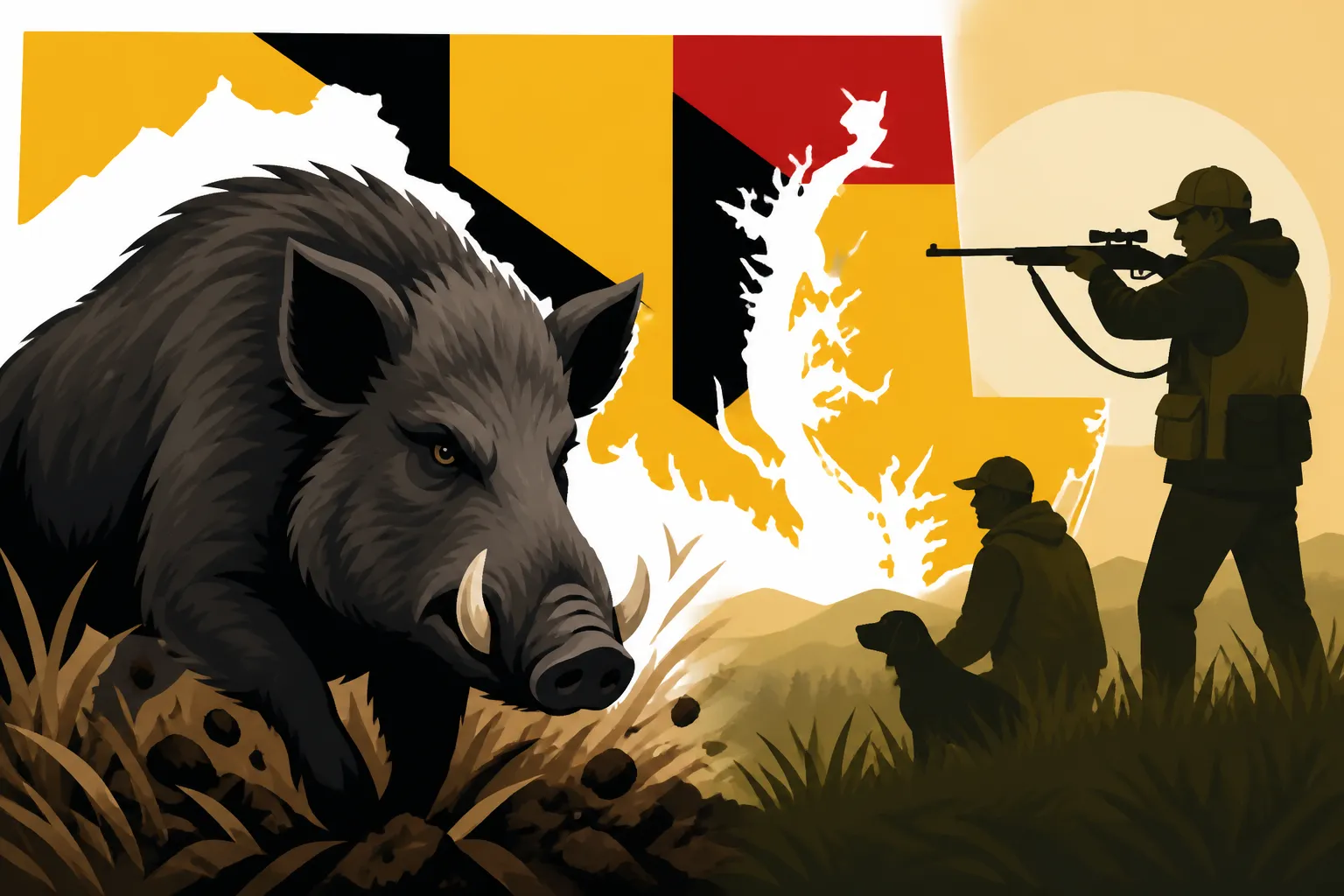
You're out there, enjoying the beautiful Maryland woods or farmland, perhaps scouting for deer sign or looking for turkeys, when you stumble upon something truly unsettling: a patch of ground torn up like a rototiller went through it, or a muddy wallow unlike anything a deer would make. Your mind might jump to thoughts of an unseen wild boar, and suddenly, that peaceful outing feels a little less serene. The reality is, feral hogs have been detected in Maryland, and their presence, while thankfully not widespread, poses a serious threat to our ecosystems, agriculture, and native wildlife. This guide is here to shed light on these unwelcome intruders, explain why they're such a big deal, and detail Maryland's aggressive strategy to keep them from getting a foothold, and how you can play a part.
The Unwelcome Guests: Understanding Feral Hogs in Maryland
Feral hogs aren't some mystical beast of the Maryland wilderness; they are, quite simply, domestic pigs that have either escaped from farms or were intentionally released into the wild. Once they're out there, they adapt with astonishing speed, reverting to a wild state and losing many of their domestic traits. They are incredibly tough, intelligent, and prolific breeders, which makes them one of the most destructive invasive species we face.
Where Do Feral Hogs Come From?
The history of feral hogs is a complex tapestry of human activity, often unintentional but sometimes deliberate. Globally, their ancestors were domesticated thousands of years ago, but some always managed to slip away and establish wild populations. In North America, the story usually begins with European settlers bringing domestic pigs to the continent. These animals were often allowed to range freely, essentially living as semi-wild stock. Over generations, these populations developed the physical and behavioral traits needed to survive without human intervention.
More recently, their spread has been exacerbated by illegal releases, sometimes by individuals who mistakenly believe they're creating new hunting opportunities. These animals quickly revert to their wild instincts, becoming incredibly wary and formidable. They learn to avoid humans and develop a keen sense of smell and hearing, making them extremely difficult to catch or eradicate once established. Their rapid reproductive cycle — sows can breed as young as six months old and have multiple litters of 4-10 piglets per year — means a small group can explode into a damaging population very quickly, turning a minor issue into a major crisis in just a few seasons.
Why Are Feral Hogs a Problem?
The destructive power of feral hogs cannot be overstated. They are ecological bulldozers, capable of causing immense damage to Maryland's natural resources and agricultural economy. Their primary method of destruction is their relentless "rooting" behavior, where they use their powerful snouts to dig up soil in search of roots, tubers, and invertebrates. This activity doesn't just look messy; it actively destroys crops, pastures, and delicate forest undergrowth. Imagine a farmer's freshly planted cornfield or a carefully managed food plot for deer being ripped to shreds overnight – that's the reality with feral hogs.
Beyond direct economic damage to agriculture, their rooting disturbs natural plant communities, can spread invasive plant species by moving seeds around, and degrades water quality in streams and wetlands as they churn up sediment. They create wallows that destroy riparian zones and can contaminate water sources with their waste.
Environmentally, they compete directly with native wildlife for food sources. A sounder of hogs can quickly decimate acorn crops, berries, and other vital mast, leaving less for species like White-Tailed Deer in Maryland, Black Bears in Western Maryland, and various small game. They've also been known to prey on ground-nesting birds, fawns, and even young domestic livestock.
Perhaps one of the most concerning aspects is their role as disease carriers. Feral hogs can carry a host of diseases, including pseudorabies, brucellosis, leptospirosis, and even classical swine fever. While many of these aren't directly transmissible to humans, they pose a significant threat to Maryland's commercial swine operations, potentially leading to devastating economic losses if an outbreak occurs. They can also transmit diseases to other wildlife species, creating broader ecosystem health problems. This makes them a threat not just to farms, but to the health of our entire wild population, a concern Maryland takes very seriously, especially with existing efforts like Maryland's CWD Management Area Rules.
Identifying Feral Hogs and Their Impact
Knowing what to look for is the first step in combating these invasive animals. You might not see the hogs themselves, especially since they're often nocturnal and highly secretive, but their tell-tale signs are usually pretty obvious once you know them.
What to Look For: Signs of Feral Hog Activity
Spotting feral hog activity takes a keen eye, but once you recognize the patterns, they're hard to miss. Unlike deer or other native animals, hogs leave a unique signature of destruction.
- Rooting: This is the most distinctive sign. Feral hogs use their powerful snouts to dig up and overturn soil, often in extensive patches. It looks like a tiller has been through the area, with dirt, roots, and rocks churned up. You'll see this in fields, pastures, food plots, and forest floors, particularly in areas with moist soil where they can easily dig for grubs, roots, and fungi.
- Wallows: Hogs love to cool off and rid themselves of parasites by rolling in mud. These wallows are typically muddy depressions, often near water sources, that can range from small puddles to larger, bowl-shaped excavations. You might find hair embedded in the mud around the edges.
- Tracks: While they have cloven hooves like deer, hog tracks are generally rounder and wider, with the dewclaws (the two small toes at the back) often showing, especially in soft ground. Deer tracks are typically more heart-shaped and pointed, with dewclaws less frequently visible unless the animal is running or sinking deep. It takes some practice, but comparing a known deer track with a suspected hog track can make the difference clear.
- Rubbing: Hogs will rub against trees, fences, and utility poles to remove mud and parasites. You might see mud and coarse, dark hair rubbed off on surfaces, often at a lower height than deer rubs.
- Scat: Their droppings are highly variable, depending on their diet. They can resemble dog scat, often cylindrical, and containing evidence of whatever they've been eating—plant matter, seeds, or even insect parts. They're usually found in piles or scattered.
Geographic Presence: Where Hogs Have Been Found in Maryland
While Maryland thankfully doesn't have the widespread, established feral hog populations seen in some southern states, isolated incidents and small sounders have popped up in various locations over the years. These detections are usually sporadic and often linked to escapees from small farms or, unfortunately, illegal releases. Historically, there have been concerns and confirmed sightings in parts of the lower Eastern Shore, particularly in agricultural areas or near large tracts of timber and marsh, where they can find cover and food. Some isolated incidents have also been reported in central Maryland, often around more rural farm country.
It's crucial to understand that these aren't large, breeding populations spanning entire counties. Maryland's strategy is to aggressively pursue and eradicate any detected sounder before it can establish itself and reproduce extensively. This means that while they might not be "everywhere," vigilance is key in all areas of the state. If you spend time Scouting Maryland Public Land Before Season or even on private properties, keeping an eye out for these signs is part of being a responsible land user. The absence of widespread, permanent populations is a testament to the state's proactive approach, but it only works if everyone remains alert and reports suspicious activity.
| Sign Type | Feral Hog Characteristics | White-tailed Deer Characteristics |
|---|---|---|
| Rooting | Extensive areas of overturned soil, looks like tilled ground. | Minimal to no rooting; may paw at ground for acorns, but not deep soil disturbance. |
| Wallows | Muddy depressions, often with hair rubbed on edges, used for cooling/parasite removal. | Do not create wallows; may lie down in dry, dusty areas. |
| Tracks | Rounder, wider hoof print; dewclaws often visible (especially in soft mud or running). | More pointed, heart-shaped hoof print; dewclaws rarely visible unless running hard or sinking deep. |
| Rubbing | Low rubs on trees/posts (often mud/hair visible), removing mud/parasites. | Antler rubs on saplings (bucks), removing velvet or marking territory. |
| Scat | Highly variable, often cylindrical, resembling dog droppings; composition reflects varied diet. | Pellets (often in piles), dark and consistent, resembling large rabbit droppings. |
| Trails | Create distinct, often wider trails through dense vegetation, sometimes leading to wallows. | Create narrower, more subtle trails, often between bedding and feeding areas. |
Maryland's Comprehensive Response to Feral Hogs
Maryland takes the threat of feral hogs extremely seriously. The state's approach isn't about managing an existing population; it's about preventing one from ever becoming established. This aggressive stance is vital to protecting our state's ecology and agricultural interests.
Eradication, Not Management
When it comes to feral hogs, Maryland's philosophy is clear and uncompromising: eradication. This isn't like managing deer populations through hunting seasons and bag limits, or dealing with Small Game Species in Maryland where sustainable harvest is the goal. Feral hogs are considered an invasive, destructive pest. The aim is to eliminate every single animal found, not to control their numbers or maintain a "huntable" population. This is a critical distinction, as allowing them to become established would mean permanent damage and ongoing control efforts that would dwarf current costs and efforts.
This eradication strategy requires a multi-pronged, coordinated effort between state agencies, landowners, and the public. It relies heavily on rapid response to sightings and the use of specialized techniques designed to remove entire family groups, known as "sounders," rather than individual animals. The moment a feral hog is confirmed, the clock starts ticking, and resources are deployed to prevent any further spread or reproduction. It’s an urgent mission because every breeding female left unchecked can quickly undo months of effort.
Tools and Techniques for Control
Successfully eradicating feral hogs is a tough job, requiring persistence, expertise, and the right tools. Maryland uses a combination of methods, often simultaneously, to maximize effectiveness.
- Trapping: This is hands-down the most effective method for eradicating an entire sounder. State wildlife professionals use large, specialized corral traps that can capture multiple hogs at once. The strategy often involves "pre-baiting" the area for an extended period, allowing the hogs to become accustomed to feeding within the trap's enclosure before the trigger is set. This patient approach ensures that as many members of the sounder as possible, including wary older hogs, enter the trap before it's sprung. Once caught, the entire sounder is humanely dispatched, preventing any remaining individuals from dispersing and restarting the problem elsewhere.
- Shooting: While opportunistic shooting by hunters holding a valid Maryland Hunting Licenses and What They Cost is legal (more on that below), it's generally not considered an effective eradication method on its own. Shooting individual hogs can often scare and scatter the rest of the sounder, making them even warier and much harder to trap. It can also break up family units, leading to wider dispersal and a more difficult overall eradication effort. Therefore, while legal, it's often discouraged as a primary control method for initial sightings by agencies focused on complete removal.
- Advanced Detection Technologies: Modern tools are invaluable in the fight against nocturnal and elusive hogs. Thermal imaging cameras allow wildlife professionals to locate hogs at night, when they are most active, even in dense cover. Drones equipped with thermal sensors can quickly survey large areas, making it easier to identify potential hot spots of activity. These technologies significantly increase the efficiency of trapping efforts by pinpointing exact locations and monitoring hog behavior without disturbing them.
- Collaborative Scouting & Information: While not a direct control tool, advanced mapping and scouting applications, like those offered by GoHunt, can indirectly assist in managing the overall landscape awareness. Hunters and landowners using such platforms for general Hunting Maryland's Chesapeake Forest Lands or even just understanding property lines when Getting Private Land Permission in Maryland might inadvertently come across fresh hog sign. By using detailed satellite imagery and property line overlays, hunters become more informed observers of the land. This increased awareness, when coupled with proper reporting channels, can be a valuable asset in detecting new incursions quickly.
Reporting and Collaboration: Your Role
You are on the front lines in this battle. Because feral hogs are often elusive and their populations are still small and isolated in Maryland, early detection is absolutely critical. If you see signs of feral hog activity or, even rarer, actually spot a feral hog, do not hesitate to report it immediately.
- Who to Contact: Your first call or email should be to the Maryland Department of Natural Resources (DNR) Wildlife and Heritage Service. They have dedicated biologists and staff trained to handle these reports and coordinate response efforts. Provide as much detail as possible: the exact location (GPS coordinates are best), the date and time of the sighting, a description of the hog or its sign, and any photos or videos you were able to capture.
- Landowner Partnerships: The DNR often works directly with private landowners where hogs are detected. This collaboration is essential, as much of Maryland's landscape is privately owned. Landowners who report hogs can expect to work with state professionals on trapping and eradication efforts, often at no cost to the landowner. This partnership protects not only their land but also surrounding properties and ecosystems.
- Citizen Science and Vigilance: Every hunter, hiker, and outdoor enthusiast is an extra set of eyes. Your vigilance directly contributes to the state's ability to maintain its eradication strategy. Think of it as a community watch program for our wildlife and wild places. Regularly checking for unusual ground disturbance, especially in areas with potential cover and water, is a simple but impactful way to contribute. The sooner a new incursion is reported, the higher the chance of successful, complete eradication.
Hunting Feral Hogs in Maryland: Regulations and Ethics
Given their destructive nature, many hunters wonder about their role in controlling feral hogs. Maryland's regulations reflect the state's aggressive eradication policy.
Is it Legal to Hunt Feral Hogs?
Yes, absolutely. Feral hogs are not considered game animals in Maryland. Instead, they're classified as a nuisance and destructive invasive species. This means that if you encounter a feral hog while legally hunting or even just on your property, you can generally take it without specific season dates or bag limits.
However, it's vital to remember that all other hunting laws and landowner permissions still apply.
- Hunting License: You must possess a valid Maryland hunting license, such as a Maryland Resident License Options or Maryland Nonresident License Options, if you are hunting on property other than your own deeded land.
- Firearms Regulations: You must adhere to all county-specific regulations regarding legal weapons, discharge setbacks, and Sunday hunting rules. For example, if you are in a county where rifles are prohibited for deer hunting, you cannot use a rifle to shoot a feral hog. Similarly, you cannot hunt on Sunday in counties where Sunday hunting is not permitted, or outside of legal Maryland Shooting Hours and Legal Light.
- Landowner Permission: If you are on private land that isn't yours, you absolutely need prior permission from the landowner to hunt or dispatch a feral hog, just as you would for deer or turkey. This is enshrined in Maryland Trespass and Permission Law.
- No Bag Limits or Seasons: Because the goal is eradication, there are no closed seasons or daily/seasonal bag limits for feral hogs. If you have the opportunity, you are encouraged to take them.
Best Practices for Hunter Involvement
While it's legal to shoot a feral hog, there's a strategic way to approach it that aligns with Maryland's eradication goals. Remember, the ultimate aim is to eliminate the entire sounder, not just individual animals.
- Prioritize Trapping, Then Shooting: If you discover signs of feral hogs, your first and best course of action is to report it to the Maryland DNR. They have the expertise and equipment to set up sophisticated traps designed to capture the entire sounder. Shooting an individual hog can break up the sounder, scattering them and making them much more difficult to trap later on. This scattering can actually hinder eradication efforts in the long run. If you happen upon a lone hog that you can ethically and safely dispatch without alerting others, that's one thing. But for a group, letting the professionals handle it via trapping is usually the most effective strategy.
- Avoid Scattering Sounders: This point bears repeating. When hunting other species, a missed shot or a spooked animal might be frustrating, but for feral hogs, it can be counterproductive to the overall eradication effort. They are highly intelligent and learn quickly. Once a sounder has been "shot at," they become incredibly wary and difficult to approach or trap again.
- Proper Carcass Disposal: Feral hogs can carry diseases that could affect domestic livestock and other wildlife. If you do harvest a feral hog, proper disposal of the carcass is crucial. Do not simply leave it to rot where other animals might scavenge it. The best practice is to bury it deeply or follow any specific instructions from the DNR regarding carcass handling. This helps prevent the spread of potential diseases.
- Report All Kills and Sightings: Whether you harvest a hog or just see evidence of their presence, always report it to the Maryland DNR. This data is invaluable for tracking their movements, identifying new incursions, and understanding the effectiveness of control measures. Unlike deer, where you use systems like Registering a Maryland Deer by Phone or App for management purposes, hog reporting is purely for eradication and monitoring. Every piece of information helps Maryland maintain its status as a state largely free of widespread feral hog problems.
Being a responsible hunter in Maryland means not just understanding game seasons and bag limits, but also being an active participant in protecting our natural heritage from invasive threats. Your vigilance and cooperation with the DNR are essential in keeping Maryland's wild spaces healthy for generations to come.
Disclaimer
This article is for general informational purposes only and does not constitute professional advice. Laws, prices and regulations vary by location and change over time. Consult a qualified professional for guidance on your specific situation.