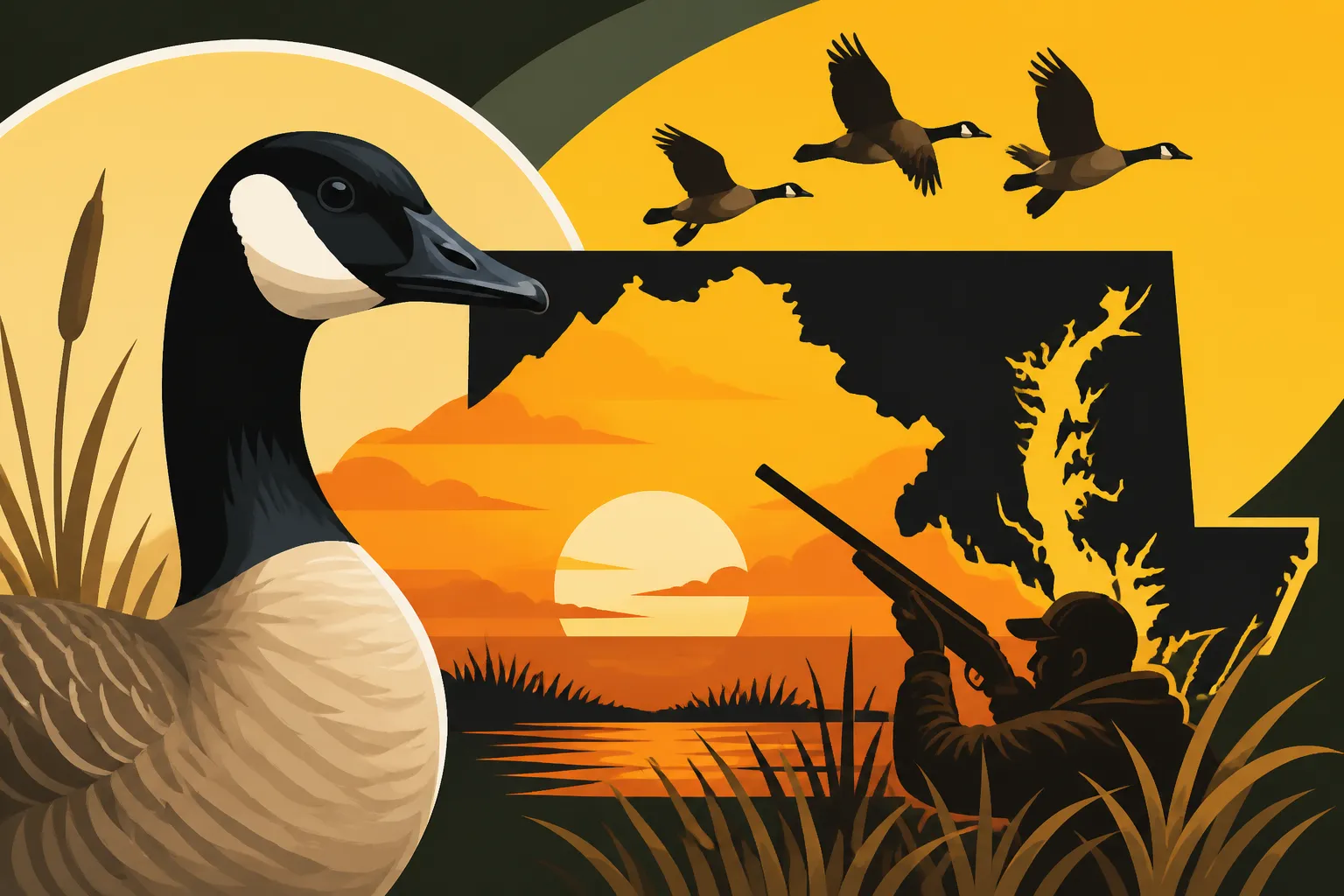
Booking a Maryland Goose Hunt
Thinking about a guided goose hunt in Maryland can feel like stepping into a whole new world, especially if you’re coming from out of state or new to waterfowling. There's so much to consider – from finding a reputable outfitter to understanding the unique regulations of the Chesapeake Bay region. This guide is here to walk you through everything you need to know about booking a Maryland goose hunt, helping you cut through the confusion and plan an unforgettable experience.
Why Maryland Is the Ultimate Destination for Goose Hunting
Maryland, particularly its famed Eastern Shore, holds a legendary status among waterfowl hunters. It's not just a place to hunt; it's an institution, a tradition steeped in the rich history of the Chesapeake Bay. For generations, hunters have flocked here, drawn by the sheer numbers of geese that call this region home or pass through on their annual migrations. If you've been dreaming of that iconic hunt, Maryland is where those dreams come to life.
The Lure of the Chesapeake Flyway
The Chesapeake Bay, with its vast network of marshes, agricultural fields, and tidal waters, sits squarely in the Atlantic Flyway, making it a critical wintering ground and migration corridor for countless waterfowl. When those north winds start to blow and the temperatures drop, this region becomes a magnet for geese. It’s truly a spectacle to behold – the sky darkening with massive flocks, the cacophony of their calls echoing across the fields. This isn't just a handful of birds; we're talking about concentrations that can be mind-boggling, offering a hunting experience unlike almost anywhere else.
The unique geography and abundant food sources here, from scattered cornfields to lush winter wheat, provide everything these birds need to thrive. This consistent availability of prime habitat and sustenance is what makes Maryland such a reliable destination year after year. It's not just luck; it's a perfect storm of geography, habitat, and migratory patterns that converge to create a waterfowler's paradise. You really feel connected to something ancient and powerful when you're out there.
Resident vs. Migratory Birds
Maryland's goose hunting isn't a one-trick pony; it benefits from two distinct populations: the resident Canada geese and the migratory Atlantic Population (AP) Canada geese. While both offer fantastic hunting opportunities, understanding the difference is key to planning your trip and setting your expectations. Resident geese are birds that breed and live in Maryland year-round, often becoming quite habituated to human activity in certain areas. They provide consistent hunting opportunities, especially in the early and late seasons.
On the other hand, the Atlantic Population geese are the true travelers, breeding in the far north of Canada and migrating south to winter in states like Maryland. These birds often arrive in waves as winter progresses, bringing fresh birds and renewed excitement to the fields and marshes. The sheer numbers of these migratory geese can be astounding, and their arrival often dictates the peak of the season for many outfitters. Hunters specifically targeting these wilder, more elusive birds often plan their trips around the traditional peak migration windows. Atlantic Population Canada Geese are a different beast entirely from their resident cousins.
Iconic Hunting Experience
There's something deeply ingrained in the hunting culture of Maryland's Eastern Shore. It's the scene you've seen in countless magazines and videos: vast spreads of decoys covering a freshly cut cornfield, hunters nestled perfectly into layout blinds, the distant honking growing louder and louder until the birds are circling right overhead. This isn't just a hunt; it's an experience, almost a pilgrimage for serious waterfowlers.
Beyond the actual shooting, it's about the camaraderie in the blind, the hot coffee before dawn, the shared anticipation as the first rays of light paint the sky, and the stories told after the hunt over a warm meal. Many outfitters have been guiding in the same families for generations, carrying on traditions that are as old as the bay itself. This rich heritage adds an incomparable layer to your hunt, making it much more than just a quest for geese. It's about being a part of something bigger, a living tradition.
Understanding Goose Hunting in Maryland
Before you even think about picking up the phone to book a guide, it's vital to have a grasp on the specific rules and regulations governing goose hunting in Maryland. This isn't just about legality; it's about understanding the nuances that will directly impact your hunting experience, from the types of geese you can target to the dates you can hunt them. Maryland has distinct zones and seasons, and knowing these details will help you choose the best time and place for your trip.
Canada Geese: Atlantic vs. Resident Populations
As mentioned, Maryland hosts both resident and migratory Canada geese, and the seasons and bag limits for these two groups can differ significantly. Generally, there are earlier and later seasons designed to target the more abundant resident populations, often with more liberal bag limits. These seasons are a great opportunity, especially if you're looking for consistent action. These birds are often less wary, having grown up around human activity, which can sometimes make for a more forgiving hunt.
The mid-winter season often targets the migratory Atlantic Population. These birds, having flown hundreds of miles, can be incredibly challenging and require expert calling and decoy placement. Outfitters will often adjust their strategies based on which population they expect to be hunting. It’s critical to check the current Maryland Waterfowl Zones and Season Dates each year, as these can shift slightly. Your chosen outfitter should, of course, be completely up-to-date on all regulations, but a little homework on your part never hurts.
Snow Geese: Conservation Order Hunts
Beyond the Canada geese, Maryland also offers incredible opportunities for snow goose hunting, particularly during the "Conservation Order" season. This special season, often running outside the regular waterfowl dates, is designed to help reduce the burgeoning snow goose population, which has grown to such an extent that it's damaging fragile Arctic breeding grounds. The rules for Conservation Order hunts are usually more liberal, allowing for electronic calls, extended shooting hours, and no daily bag limit.
A snow goose hunt is an entirely different beast from a Canada goose hunt. It's often high-volume, fast-paced, and involves enormous spreads of white decoys – sometimes hundreds or even thousands – to attract the massive flocks. If you're looking for an action-packed, high-octane experience, a guided snow goose hunt in Maryland can be absolutely exhilarating. Many outfitters specialize in these hunts, offering a truly unique experience. Snow Geese on Maryland's Eastern Shore are a sight to behold, and hunting them during the Conservation Order can be non-stop excitement.
Season Dates and Bag Limits
Maryland's waterfowl seasons are complex, with different dates and bag limits for various species and management zones. For geese, this often means specific frameworks for Canada geese (split into resident and AP populations), snow geese, and occasionally specklebellies, depending on the year's federal frameworks. These dates and limits are set annually by the Maryland Department of Natural Resources (DNR) in coordination with federal guidelines.
It is absolutely crucial to consult the most current Maryland hunting guide, often published online by the DNR, or to confirm directly with your guide the exact season dates and bag limits for the period you plan to hunt. While a good outfitter will always operate within these guidelines, knowing them yourself provides an extra layer of confidence. Also, remember that you'll need a Maryland hunting license, a Maryland Migratory Game Bird Stamp, and a federal duck stamp, among other requirements. The nuances of Maryland Migratory Bird Stamp Requirements are important to understand before you arrive.
Finding the Right Guide or Outfitter for Your Goose Hunt
Deciding to book a guided hunt is a fantastic step, but the next challenge is finding the right guide or outfitter for your specific needs and expectations. Maryland has a wealth of experienced waterfowl guides, but they vary in their offerings, specialties, and overall approach. This isn't a decision to rush; a little research here can make or break your trip.
Deciding Between Guided, Semi-Guided, or Blind Rental
When you're looking for a Maryland goose hunt, you'll generally encounter a few different service levels. A fully guided hunt is the most common and comprehensive. With this option, the outfitter provides everything from the blind and decoys to the calling and bird retrieval, along with expert knowledge of the local conditions and bird movements. This is ideal for newcomers, out-of-state hunters, or anyone wanting a truly turn-key experience. You show up, hunt, and the guide handles the rest.
Semi-guided hunts might offer a blind and decoys setup, but you might be responsible for calling your own birds or managing some of the hunt logistics yourself. This can be a good option for experienced hunters who prefer a bit more independence but still want access to prime hunting ground and established setups. Finally, some operations offer blind rentals, where you essentially lease a pre-set blind for the day. This is typically the least expensive option but requires you to have all your own gear, calls, and expertise. Consider your experience level and desired involvement carefully before choosing.
Researching and Vetting Outfitters
The reputation of an outfitter is everything. Don't just pick the first one you find online. Start by looking for guides with a long history in the area, as local knowledge is absolutely paramount in waterfowl hunting. Read reviews on hunting forums, social media, and dedicated hunting travel sites. Pay attention to consistent themes – good communication, friendly staff, well-maintained equipment, and a strong commitment to hunter safety.
Reach out to outfitters directly and ask lots of questions. A good guide will be happy to talk through their operations, what they provide, and what you can expect. Don't hesitate to ask for references from past clients; a reputable outfitter should be able to provide them. This due diligence helps ensure you’re spending your hard-earned money wisely and setting yourself up for a positive experience. Remember, you're not just buying a hunt; you're buying into an experience and the guide's expertise. Maryland's Licensed Waterfowl Guides are usually proud to share their credentials.
Online Resources and Recommendations
In today's connected world, there are excellent online platforms designed to help you find and book hunting trips, and these can be invaluable for finding a Maryland goose outfitter. Sites like BookYourHunt.com or GoHunt.com specialize in connecting hunters with reputable guides and outfitters across various species and regions. These platforms often feature detailed profiles of outfitters, including photos, descriptions of their services, available dates, and, crucially, reviews from verified clients.
Using such resources can streamline your search, allowing you to compare multiple operations side-by-side. You can often filter by location, hunt type, and even specific species like Canada geese or snow geese. While these sites are a great starting point, always remember to follow up with direct communication to the outfitter to confirm details and get a personal feel for their operation. They can also provide a great overview of Maryland Goose Hunt Prices Per Gun, helping you budget effectively.
What to Expect from a Guided Goose Hunt
Once you’ve booked your hunt, it’s natural to wonder what the actual experience will be like. A guided goose hunt in Maryland is usually a highly structured and efficient operation, designed to maximize your chances of success while providing a comfortable and memorable day in the field. Knowing what to expect can help you prepare mentally and ensure you get the most out of your trip.
Types of Blind Setups (Layout, Pit, Shoreline)
Maryland goose outfitters utilize various blind setups, each suited to different terrains and hunting styles. The most iconic is arguably the layout blind hunt, where hunters lie concealed in low-profile blinds directly within a massive decoy spread in an open field. This provides an incredibly immersive experience, with geese often decoying right over your head. Layout Blind Hunting a Kent County Corn Field is a quintessential Maryland goose experience.
Pit blinds are another popular option, especially on well-established private farms. These are underground structures, offering excellent concealment and shelter from the elements. Hunters sit comfortably inside, often on benches, with a clear view of the decoy spread. Finally, shoreline blinds or box blinds are used when hunting geese feeding or loafing near water bodies, especially on the Chesapeake Bay's numerous points and islands. These offer a more traditional blind experience, often allowing you to stand and move a bit more freely. Your guide will choose the best setup based on current bird patterns and weather.
Typical Day on a Guided Hunt
A typical guided goose hunt day starts early, often well before dawn. You’ll usually meet your guide at a designated location, which could be a lodge, a local gas station, or a specific farm access point. After a quick briefing and a cup of coffee, you'll head out to the blind, often navigating dark fields in a UTV or truck. Upon arrival, the guide will ensure everyone is settled into their blind, guns are safely loaded, and all communication is clear.
As shooting light approaches, the anticipation builds. The guide will begin calling, working the birds as they start to fly off their roosts. When a flock commits and comes into range, the guide will typically give a clear "take 'em!" command, ensuring everyone shoots safely and effectively. After the shooting, the guide will quickly retrieve downed birds, reset decoys if necessary, and continue the hunt. Most hunts conclude mid-morning or early afternoon, depending on bird activity and limits. Hunting a Chesapeake Bay Blind at First Light is an experience that stays with you.
The Role of the Guide and Decoy Spreads
Your guide is the linchpin of your goose hunting success. They are far more than just someone who drives you to a blind. A professional guide possesses invaluable local knowledge, knowing where the birds are feeding, their flight patterns, and how local weather conditions affect their movement. They are experts in scouting, constantly monitoring fields and bird activity to put you in the best possible position.
Crucially, the guide is also a master of decoy placement and calling. They meticulously set up large spreads of decoys – sometimes hundreds of full-body geese, silos, or even large sock-decoys for snow geese – designed to mimic a natural flock and draw birds in close. Their calling skills are honed over years, using various calls and sequences to convince wary geese to commit to the spread. They also ensure safety, enforce hunting regulations, and handle bird retrieval and often field dressing. Trusting your guide's judgment is paramount for a successful hunt. Learning how to put together Setting a Goose Spread in Cut Corn is an art form in itself.
Costs and Financial Planning for Your Hunt
Budgeting for a guided Maryland goose hunt involves more than just the daily guide fee. You need to consider licenses, stamps, lodging, travel, and of course, gratuities. Being prepared for all these potential expenses will prevent any unwelcome surprises and allow you to fully enjoy your experience without financial stress.
Guide Fees and Inclusions
Guided goose hunt prices in Maryland can vary significantly based on the outfitter's reputation, the time of year, the type of hunt (Canada vs. Snow goose), and what’s included. Generally, you can expect to pay a per-person, per-day rate. This fee typically covers the guide's services, use of their blinds and decoys, and often bird retrieval. Some high-end packages might include meals, lodging, or bird processing, but these are usually clearly stated.
Always ask for a detailed breakdown of what is and isn't included in the quoted price. Are shot shells provided? Is bird cleaning part of the package, or is there an extra fee? Understanding these specifics upfront will help you compare different outfitters accurately and avoid any misunderstandings. Keep in mind that prime dates, like opening weekends or peak migration, might command higher prices or require booking far in advance. GoHunt.com or BookYourHunt.com often list average prices, giving you a good starting point.
Hidden Costs: Licenses, Stamps, Tips, Lodging
Beyond the guide fee, there are several other essential costs. First, licenses and stamps. As a nonresident, you'll need a Maryland hunting license, a Maryland Migratory Game Bird Stamp, and a Federal Duck Stamp. These costs add up, so factor them in. The nuances of Maryland Resident License Options and Maryland Nonresident License Options are worth reviewing. Second, gratuities. Tipping your guide is customary and expected, usually 15-20% of the daily hunt cost, depending on the quality of the experience and their effort. This is a significant portion of a guide's income and is well-deserved for their hard work.
Third, lodging and meals. Unless explicitly included in your package, you’ll need to budget for accommodations and food. Many outfitters have preferred local hotels or offer their own lodge accommodations for an additional fee. Fourth, travel. Whether you’re driving or flying, fuel, vehicle wear, or airfare are definite considerations. Finally, don’t forget bird processing or taxidermy if you plan to keep your birds for consumption or a mount. Some outfitters offer basic field dressing, but full processing services usually involve an extra charge from a local butcher.
Booking Deposits and Cancellation Policies
Most Maryland goose outfitters require a non-refundable deposit to secure your hunting dates. This deposit confirms your commitment and allows the guide to block out their calendar. The balance is typically due either on the day of the hunt or a specified period beforehand. It's crucial to understand the outfitter's cancellation and rescheduling policy. Life happens, and sometimes plans change.
Ask about their policy regarding bad weather. What happens if fog, heavy rain, or unsafe conditions prevent a hunt? Do they offer a refund, a credit for a future date, or is the day simply forfeited? Reputable outfitters usually have fair policies for unforeseen circumstances. Make sure you get all these terms in writing, or at least clearly documented in an email, to avoid any disputes down the line. A clear understanding of Maryland Deposit and Cancellation Terms will save you headaches later.
Preparing for Your Hunt
A successful and enjoyable guided goose hunt in Maryland isn't just about showing up; it's about being prepared. From having the right gear to understanding the local laws, taking the time to get ready will enhance your experience and ensure you're comfortable and confident in the field.
Essential Gear Checklist
Maryland goose hunting can expose you to a wide range of weather conditions, from mild early season days to frigid mid-winter blasts. Layering is key! Start with a good moisture-wicking base layer, add insulating layers, and top it off with waterproof and windproof outerwear in camouflage patterns suitable for field or marsh. Here’s a quick checklist:
- Clothing: Layered camo (outerwear must be waterproof/windproof), warm hat, gloves, face mask.
- Footwear: Insulated, waterproof boots (knee-high or chest waders might be needed for some marsh setups, check with your guide).
- Firearm: A reliable 12-gauge or 20-gauge shotgun is standard. Make sure it's clean and functional.
- Ammunition: Non-toxic shot (steel, bismuth, or tungsten) is legally required for all waterfowl hunting. Bring plenty!
- Hunting License & Stamps: Physical copies and/or digital verification as required.
- Other Essentials: Headlamp or flashlight, small backpack, snacks, drinks, hand warmers, small first-aid kit, game strap, calls (if you plan to call yourself, otherwise your guide will), cooler for birds if you're taking them home unprocessed.
Always confirm with your specific guide if they recommend any specialized gear or have particular requirements for the day you'll be hunting. This is especially true for What to Pack for a Maryland Marsh Hunt versus a dry field hunt.
Physical and Shooting Preparation
Goose hunting, while not typically as physically demanding as, say, mountain deer hunting, still requires a reasonable level of fitness. You might be walking across muddy fields, climbing in and out of blinds, or carrying your gear. Being able to safely and quickly move into position and swing your shotgun is important. Practice mounting your shotgun smoothly and swinging through a target.
More importantly, practice shooting! Take your shotgun to the range and pattern it with the non-toxic shot you plan to use. This will show you how your gun performs with specific loads and chokes, eliminating variables in the field. You'd be surprised how many hunters miss opportunities simply because they haven't practiced. Knowing your gun and your capabilities will boost your confidence and your success rate on fast-moving geese. Remember, a quick and decisive shot is far more ethical than a slow, hesitant one.
Understanding Maryland Regulations
Beyond season dates and bag limits, there are other important Maryland hunting regulations to be aware of. Blaze orange is generally not required for waterfowl hunting inside a blind, but it's often a good idea to wear it during transit to and from the blind for safety, especially on public lands where other hunting might be occurring. Ensure your firearm is legally configured (e.g., plugged to hold no more than three shells for migratory birds).
Also, understand the legal shooting hours, which are typically from one-half hour before sunrise to sunset. Your guide will manage this, but knowing it yourself is crucial. It’s also wise to know about basic gun safety rules, especially in a blind with multiple hunters. Always keep your muzzle pointed in a safe direction and only load your gun when the guide instructs you to. Familiarize yourself with Maryland Shooting Hours and Legal Light before your hunt.
Booking Your Hunt: The Process
Booking your goose hunt is the final step before the adventure truly begins. It involves clear communication, understanding agreements, and being proactive to ensure everything is in order.
Initial Contact and Key Questions
When you first contact an outfitter, whether by phone or email, have a list of questions ready. Don't be shy! A good outfitter will appreciate your thoroughness. Here are some key questions:
- What are your available dates for Canada goose or snow goose hunts?
- What is the total cost per hunter, and what exactly does that include?
- What are the requirements for licenses and stamps? (e.g., Maryland Nonresident Hunting License Cost, Federal Duck Stamp Rules for Bird Hunters)
- What type of blind setup will we be using (layout, pit, shoreline)?
- What kind of gear do I need to bring, specifically for clothing and footwear?
- What kind of ammunition do you recommend?
- What is your policy on bad weather or bird activity?
- Do you offer bird cleaning/processing, and what is the cost?
- How do you handle tipping the guide?
- Can you provide references from previous clients?
- What's the typical group size for your hunts?
- Is lodging or meals included, or can you recommend nearby options?
The answers to these questions will not only help you make an informed decision but also gauge the professionalism and communication style of the outfitter.
Contract and Payment Considerations
Once you've decided on an outfitter, you'll likely receive a booking confirmation or contract. Read this document carefully! It should outline the dates, costs, deposit requirements, cancellation policy, and any other specific terms and conditions. If anything is unclear, ask for clarification before signing or making a payment. This contract is your agreement with the outfitter and protects both parties.
Most outfitters accept payment via credit card, check, or bank transfer for deposits. The final payment might be cash, check, or card, depending on their policy. Always keep records of your payments and communications. Using platforms like BookYourHunt.com can sometimes simplify the payment process, as they may act as an intermediary, but confirm directly with the outfitter about their preferred payment methods.
Pre-Hunt Communication and Logistics
As your hunt date approaches, expect and initiate communication with your guide. They should provide details on the meeting time and location, weather expectations, and any last-minute changes to conditions or bird movements. This pre-hunt communication is vital. If you haven't heard from them a week or two out, don't hesitate to reach out yourself.
Confirm your travel plans, lodging, and make sure your license and stamps are in order. Double-check your gear list. Your guide might call or text you the evening before your hunt to confirm the morning's meeting time, specific blind location, and any final instructions based on their latest scouting. This level of detail shows a dedicated outfitter and helps ensure a smooth start to your unforgettable Maryland goose hunt.
Making the Most of Your Maryland Goose Adventure
A guided goose hunt is more than just pulling the trigger. It’s an immersive experience that engages all your senses and connects you to a rich natural and cultural heritage. To truly make the most of your Maryland adventure, consider aspects beyond the immediate hunt itself.
Embracing the Full Experience
Beyond the birds you harvest, cherish the moments in the blind: the pre-dawn drive under a canopy of stars, the smell of damp earth and marsh grass, the chilling sound of goose wings cutting through the fog, and the sunrise painting the Eastern Shore landscape in hues of orange and purple. These are the memories that truly last, long after the birds are in the freezer.
Engage with your guide. Ask questions about the local ecosystem, the history of waterfowl hunting in the region, and their experiences. Most guides love sharing their knowledge and passion. This interaction can deepen your appreciation for the sport and the area. You're not just a client; you're a participant in a long-standing tradition. Take it all in, from the subtle nuances of Pass-Shooting Geese Over Cut Corn to the intricate details of calling.
Post-Hunt Considerations: Processing and Taxidermy
After a successful hunt, you'll need to decide what to do with your birds. Many outfitters offer basic field dressing, but for full processing – plucking, cleaning, and packaging – you'll likely need to either do it yourself or find a local meat processor. Ask your guide for recommendations on reputable local processors. Make sure you have a cooler with plenty of ice ready for transport, especially if you have a long drive home.
If you’ve shot a particularly beautiful Canada goose, a rare specklebelly, or even a unique color phase snow goose, you might consider taxidermy. Discuss this with your guide as soon as possible after the hunt. They can advise you on how to properly care for the bird (e.g., not gutting it, carefully handling feathers) to ensure it’s in prime condition for a taxidermist. Your guide can often recommend local taxidermists who specialize in waterfowl and can ensure your trophy is preserved beautifully. Many outfitters are familiar with excellent taxidermists who can provide a stunning Getting a Sika Stag Mounted (though in this case, it would be a goose!).
Exploring Local Culture and Cuisine
The Eastern Shore of Maryland is rich in history, charm, and unique culinary traditions. Don't just arrive for your hunt and leave immediately after. Consider extending your stay for an extra day or two to explore the local towns, enjoy fresh seafood, and immerse yourself in the regional culture. Places like Easton, Cambridge, or Chestertown offer quaint shops, historical sites, and delicious restaurants.
Feasting on local crab cakes, fresh oysters, or other Chesapeake Bay delicacies can be the perfect complement to your hunting adventure. Visiting local museums or historical sites can give you a deeper understanding of the area's connection to the bay and its wildlife. This holistic approach transforms a simple hunting trip into a memorable vacation, leaving you with stories that stretch far beyond the field.
Comparing Guided Goose Hunt Options
To help you visualize the differences between popular guided goose hunt options in Maryland, here's a comparison table.
| Feature | Canada Goose Hunt (Field) | Snow Goose Hunt (Conservation Order) |
|---|---|---|
| Target Species | Canada Geese (Resident & Atlantic Population) | Snow Geese (and Blue Geese) |
| Seasonality | Primarily during regular federal waterfowl seasons (Fall/Winter) | Often extended "Conservation Order" seasons (Late Winter/Spring) |
| Typical Setup | Layout blinds in corn/grain fields, pit blinds, shoreline blinds | Large spreads of white decoys (up to thousands), e-callers, layout blinds |
| Calling | Manual calls by guide, realistic honks and clucks | Electronic calls, loud, continuous, often overwhelming flock sounds |
| Bag Limits | Strict daily bag limits (e.g., 5-8 per hunter, varies by zone/season) | No daily bag limit during Conservation Order season |
| Hunting Style | More traditional, focused on small groups decoying wary birds | High-volume, fast-paced, often targeting large, less wary flocks |
| Ammunition | Non-toxic shot (steel, bismuth, tungsten) | Non-toxic shot (often larger quantities due to volume) |
| Experience | Iconic, traditional, strategic, challenging | Action-packed, high-octane, unique, great for high volume shooting |
This table provides a snapshot, but remember to confirm all details with your chosen outfitter as specific offerings and rules can vary.
Disclaimer
This article is for general informational purposes only and does not constitute professional advice. Laws, prices and regulations vary by location and change over time. Consult a qualified professional for guidance on your specific situation.