How Much to Tip a Waterfowl Guide
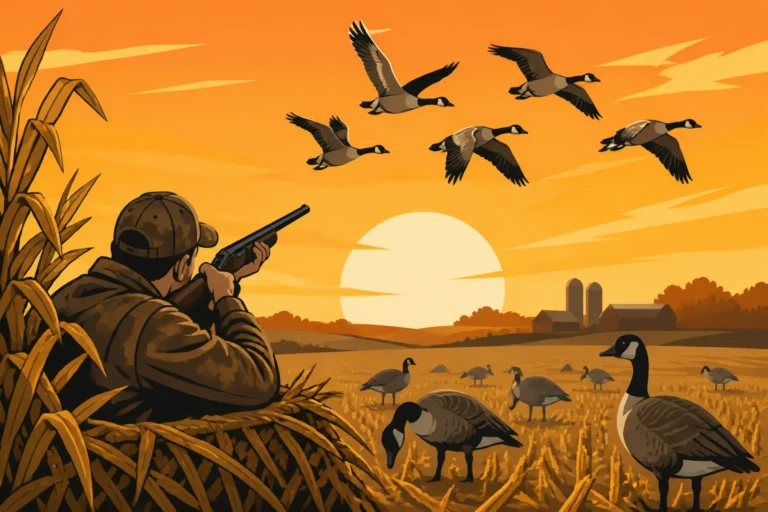
You’ve just wrapped up an incredible morning on the water, decoys are picked, birds are cleaned, and the boat is back at the dock. Your guide, who woke up before you did to scout and set up, is now smiling, shaking hands, and maybe even offering you a hot cup of coffee. The hunt was fantastic, a true Maryland waterfowl experience, but now that uncomfortable moment arrives: the tip. How much do you give? Is there a standard? Did you shoot enough birds to earn a big tip, or does their effort matter more? This guide is here to take the guesswork and awkwardness out of showing appreciation for your Maryland waterfowl guide.
Why Tipping Your Waterfowl Guide Matters So Much
Let's be honest, hunting guides, especially waterfowl guides, put in an incredible amount of work long before you ever step foot in their boat or blind. They aren’t just glorified chauffeurs to a good spot; they are professional bird hunters, navigators, dog handlers, meteorologists, tide experts, and often, incredible storytellers. Their income often relies significantly on tips, and understanding this goes a long way in appreciating their dedication.
The Guide's Investment in Your Hunt
Think about it: that perfectly placed blind you hunted from? It was probably built or maintained by your guide. The boat you rode in, the truck that hauled it, the hundreds of decoys, the calls they use, the dog that retrieves your birds – all represent a significant financial and time investment on their part. They spend countless hours scouting the Maryland Waterfowl Zones and Season Dates, watching bird movements, monitoring weather patterns, and maintaining equipment. This isn't just a hobby for them; it's a full-time passion and a livelihood. When you book a trip, whether it’s through a direct contact or a platform like BookYourHunt, you're paying for their expertise, access, and equipment. The tip is a personal thank you for their effort and for providing you with a memorable experience, regardless of how many ducks or geese hit the bag.
Consider the cost of diesel for their boat and truck, the wear and tear on their equipment, dog food and vet bills, and the licensing required to operate as a professional waterfowl guide in Maryland. These operational costs are substantial, and the base fee for a hunt might just barely cover their overhead. The tip, therefore, becomes a crucial part of their take-home pay, a direct reflection of your satisfaction with their service. It’s a way to acknowledge all the unseen work that goes into making your hunt a success, from calling birds on a foggy morning to retrieving a downed mallard from thick marsh grass.
Beyond the Shot: Unseen Effort and Hospitality
A great waterfowl guide does more than just get you to the birds. They wake up in the dead of night to prepare coffee, snacks, and sometimes even a hot breakfast in the blind. They ensure your safety above all else, navigating treacherous waters in the dark and keeping a keen eye on gun safety. They often clean your birds at the end of the day, sparing you the messy work, and will gladly share local insights about the Ducks of Maryland's Chesapeake Bay or Maryland's Canada Geese and Their Two Populations.
Their role extends to being a good host. Maybe they shared a funny story that lightened the mood on a slow morning, or helped a new hunter with their shooting form. These intangible contributions are what turn a mere hunting trip into a cherished memory. While the ultimate goal is to put birds in the boat, the experience of being guided, learning, and enjoying the camaraderie is often just as valuable. These "soft skills" of hospitality and mentorship are a huge part of what makes a guided hunt truly special, and they absolutely deserve recognition.
Understanding Standard Tipping Guidelines for Waterfowl Hunts
So, what's the magic number? While there's no official rulebook, a general consensus exists within the hunting community. Most guides expect a tip, and it's almost always based on a percentage of the total hunt cost.
The Percentage Approach
For most guided waterfowl hunts in Maryland, a tip of 15% to 20% of the total cost of the hunt is considered standard. This is a good starting point and generally what guides anticipate. If you had an absolutely incredible experience—the guide went above and beyond, worked tirelessly in tough conditions, or perhaps you shot your limit and felt incredibly well taken care of—then pushing towards the 20% mark or even a bit higher is a fantastic way to show your appreciation.
Let's say your hunt cost $500 per person. A 15% tip would be $75, and a 20% tip would be $100. This might seem like a lot, especially if you're hunting multiple days, but remember the extensive investment and effort discussed earlier. Many hunters budget for the tip as part of their overall What a Maryland Guided Hunt Costs because they understand it's an expected part of the experience. Platforms like BookYourHunt and GoHunt often provide general guidance on tipping in their FAQs, reflecting this industry standard.
However, if the experience was truly subpar due to the guide's lack of effort, poor attitude, or unsafe practices (not just bad hunting weather), then a smaller tip or even no tip might be warranted. This is rare with Maryland's Licensed Waterfowl Guides, as they typically strive to provide excellent service.
Here's a quick reference for common tipping scenarios:
| Experience Quality | Recommended Tip Percentage | Notes |
|---|---|---|
| Exceptional (Guide went above & beyond, excellent hospitality, worked incredibly hard regardless of birds) | 20% or more | This is for the guide who exceeded all expectations, perhaps offered extra services, or salvaged a tough day with sheer effort and positive attitude. |
| Very Good (Solid effort, good communication, safe, enjoyable hunt, met expectations) | 15% – 20% | The standard for a well-executed hunt where you felt safe, learned, and had a great time, even if the birds weren't cooperating perfectly. |
| Average/Satisfactory (Met basic expectations, no major issues, but nothing stood out) | 10% – 15% | If the guide performed their duties adequately but didn't necessarily go the extra mile. Still warrants a tip for their time and effort. |
| Subpar (Lack of effort, poor communication, unsafe practices, significant issues due to guide's fault) | 0% – 10% (or none if truly bad) | This is rare and should be reserved for genuinely negative experiences directly attributable to the guide. It's a strong signal that significant problems occurred. Always consider the guide's effort, not just the harvest numbers, before withholding. |
Cash is King (and Why)
When it comes to the actual exchange, cash is almost universally preferred by guides. There are a few reasons for this. Firstly, it's immediate and discreet. A guide can easily slip it into their pocket without a fuss. Secondly, it avoids transaction fees or waiting periods associated with credit card payments or digital transfers. Finally, it's a personal gesture of appreciation that feels more direct and tangible.
While some operations might allow you to add a tip to a credit card payment, always ask beforehand if you don't have cash. It’s always best to come prepared with enough cash in smaller denominations so you can give the exact amount you wish without hassle. This shows preparedness and respect for the guide's time and preference.
Factors That Influence Your Tip Amount
Tipping isn't just a blind percentage; it’s a nuanced decision based on your overall experience. While harvest numbers are a factor for many hunters, they shouldn't be the only factor influencing your tip.
The Quality of the Experience (Beyond Just Shooting)
It’s easy to tie a tip directly to how many birds you shot, but a truly great waterfowl hunt is about so much more. Did the guide work hard to put you on birds, even if they weren't flying well? Was the blind comfortable and well-maintained? Did you feel safe and confident in their boat handling and general knowledge of the area? Did they make an effort to teach you something new or share insights about the local environment, perhaps while Hunting a Chesapeake Bay Blind at First Light? These are all critical elements of a positive experience.
Imagine a day where the weather turned sour, the birds were scarce, and despite the guide's best efforts calling, moving the spread, and relocating, you only managed to bag a few birds. If that guide maintained a positive attitude, kept everyone’s spirits up, and educated you on why the birds weren't moving, they still deserve a generous tip for their exceptional effort and professionalism. Conversely, a guide who simply goes through the motions, ignores safety protocols, or has a poor attitude, even if you fill your limit, might warrant a smaller tip. The overall hospitality and the feeling of being genuinely cared for as a client are paramount.
When the Birds Aren't Flying: Guide Effort vs. Mother Nature
This is perhaps the trickiest part of the tipping dilemma. Waterfowl hunting is entirely dependent on forces beyond human control: weather, migration patterns, and bird behavior. A guide cannot conjure ducks out of thin air if they aren't there. Therefore, it's unfair to penalize a guide’s tip solely because the hunting was slow due to natural factors.
What you are tipping for is their effort, expertise, and attitude in the face of those conditions. Did they work harder when the birds weren’t flying? Did they have backup plans or alternative strategies? A good guide will try everything in their power to make the hunt successful, whether that means adjusting decoy spreads for the wind, switching calling techniques, or considering moving to another location like for Layout Hunting Canada Geese on the Upper Shore or Decoying Divers on Maryland's Open Bay. Their perseverance and positive outlook in challenging conditions are what truly shine through and deserve to be rewarded. A bad day of hunting with a great guide can still be a fantastic day afield, and that’s worth recognizing.
Group Size and Shared Responsibility
If you're hunting with a group, the tipping etiquette usually involves everyone contributing to a collective tip. The general rule of thumb is that each hunter contributes their individual share of the recommended percentage. For example, if the hunt is $1500 for three people, and you decide on a 20% tip, that's $300 total. Each person would then contribute $100.
It’s a good idea to discuss the tip amongst your group beforehand, perhaps the night before the last day of hunting, so there are no awkward moments at the dock. Designate one person to collect the money and present it to the guide. This keeps things smooth and ensures the guide receives a fair and consolidated amount. Just because there are more people contributing doesn't mean the overall tip should be smaller; the guide is still providing the same service and effort for the entire group.
Practical Tips for Tipping Your Guide Gracefully
The act of giving the tip itself should be as smooth and appreciative as possible. A little thought goes a long way in making this exchange comfortable for everyone involved.
Timing and Presentation
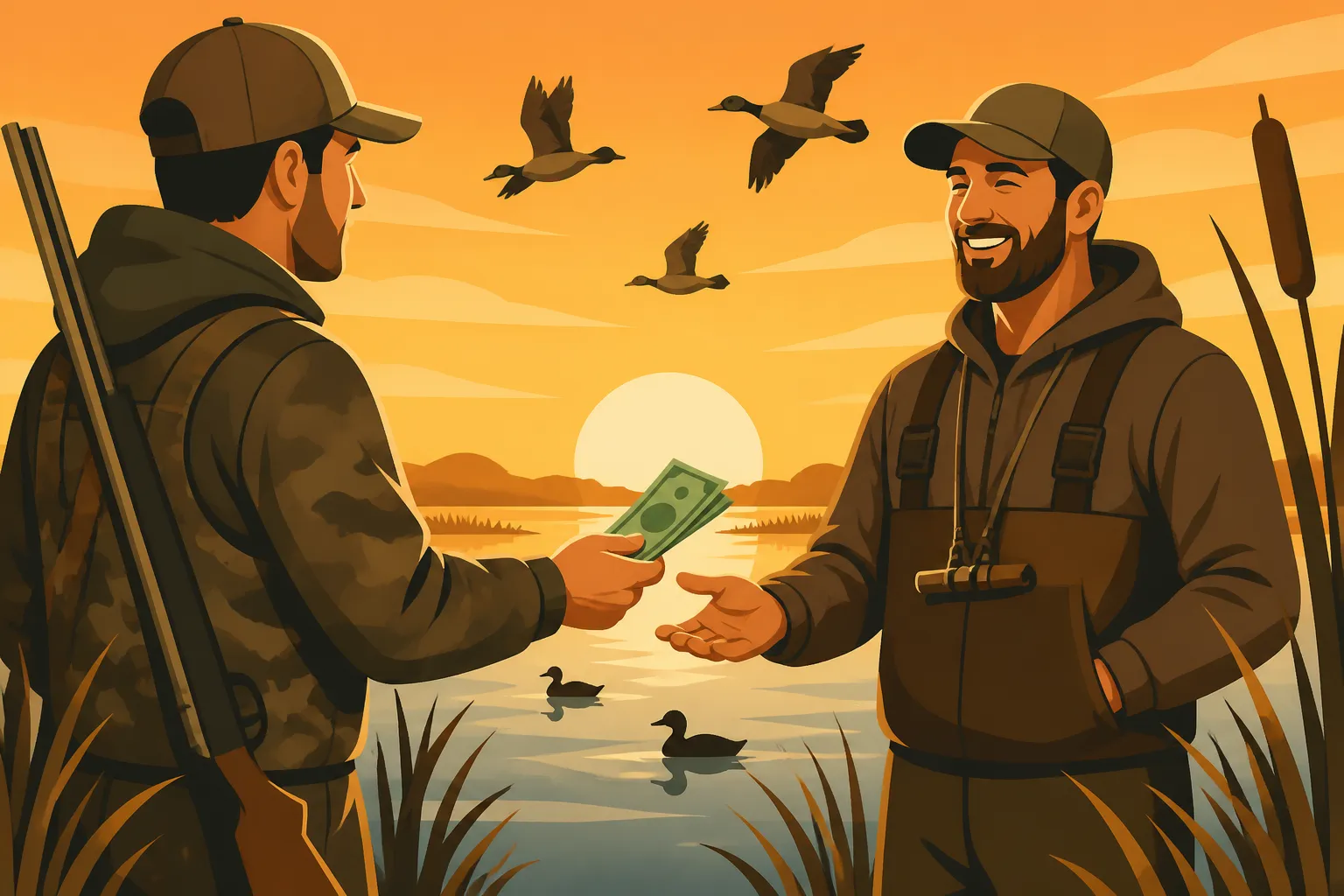
The best time to offer your tip is at the very end of the hunt, after all the gear is loaded, birds are cleaned, and you’re saying your goodbyes. This is typically done discreetly, often with a handshake and a sincere "thank you" for their hard work. Don't make a big show of it. A simple folded envelope or a firm handshake with the cash subtly passed over is the most common and respectful way.
Avoid giving the tip at the beginning of the hunt. While some might think this incentivizes better service, it can actually make a guide uncomfortable and feel like they’re being pre-judged. The tip should be a reward for service rendered, not a down payment. If you're using a booking service like BookYourHunt or GoHunt, their guides operate on the expectation of a tip at the conclusion of a successful (or well-efforted) trip.
Don't Forget the Dog Handler or Other Staff
Sometimes, especially on larger operations or for specialized hunts like Sea Duck Hunting Maryland's Offshore Zone, there might be additional staff involved – perhaps a dedicated dog handler, a boat mate, or a bird cleaner. If these individuals contributed directly to your experience, it’s good etiquette to tip them as well. You can either include their tip in the main amount and ask the guide to distribute it, or offer them a smaller, separate tip directly. A good rule might be to tip these additional staff members 50% of what you'd tip the main guide, or a flat amount around $20-$50 per person, depending on their level of involvement and the overall cost of the hunt. When in doubt, a discrete question to your main guide about tipping other staff can clarify expectations without being rude.
Communicating Your Gratitude
More important than the exact dollar amount (though that's crucial too!) is the genuine expression of gratitude. A heartfelt "Thank you for an amazing hunt, we really appreciate all your hard work and effort" goes a long, long way. Tell them what specifically you enjoyed – the calling, their dog, the stories, the safety. This positive feedback is invaluable to guides and reinforces why they do what they do.
Guides often live for positive word-of-mouth. If you truly had a phenomenal experience, consider writing a positive review on the guide’s website, a booking platform like BookYourHunt, or their social media pages. This can be just as valuable as a generous cash tip, as it helps them attract future clients and reinforces their reputation as a top-notch Maryland's Licensed Waterfowl Guides. Remember to ask Questions to Ask Before Booking any hunt, and one of them should certainly include what a guide's typical services cover, which helps set your expectations for what you are tipping for, beyond What a Guide Fee Usually Covers.
Disclaimer
This article is for general informational purposes only and does not constitute professional advice. Laws, prices and regulations vary by location and change over time. Consult a qualified professional for guidance on your specific situation.