Why a Guide’s Captain Credential Matters
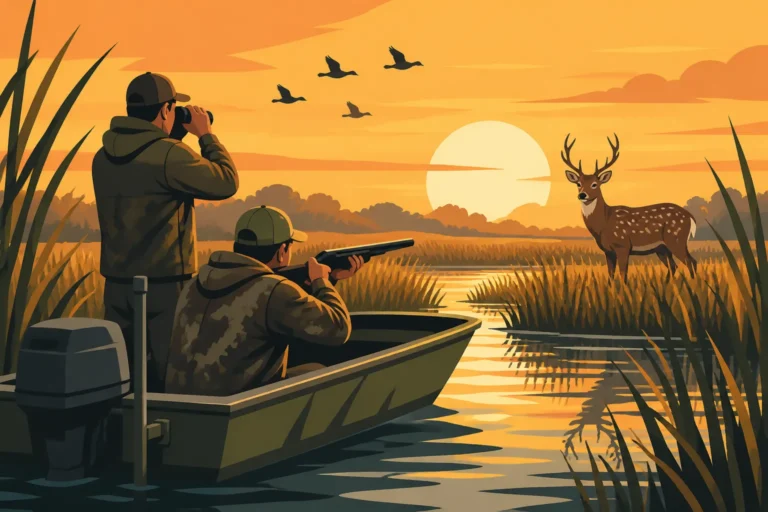
Navigating Maryland's diverse hunting landscapes can be an incredibly rewarding experience, especially when you consider the unique opportunities presented by our waterfowl-rich Chesapeake Bay or the elusive Sika deer in our tidal marshes. However, when your hunt involves setting decoys from a boat on open water or motoring through winding marsh guts before daylight, understanding the critical importance of your guide's captain credential isn't just a nicety; it's a fundamental aspect of your safety, your success, and frankly, staying on the right side of the law. This guide will walk you through why this certification is so vital, helping you make informed decisions for your next guided adventure.
What a Captain's Credential Actually Means
When you hear the term "captain's credential," it might conjure images of massive cargo ships or commercial fishing boats, but in the world of guided hunting, especially waterfowl or marsh-based Sika hunts in Maryland, it's just as crucial. This isn't just a fancy title; it signifies a serious commitment to safety, navigation, and regulatory compliance that protects everyone on board. It's the difference between someone who owns a boat and someone who is qualified to operate it commercially, taking paying passengers into potentially challenging environments.
Beyond Just Knowing How to Drive a Boat
A licensed captain possesses a depth of knowledge that goes far beyond simply knowing how to start an outboard motor or steer a straight line. They undergo rigorous training and testing covering everything from navigation rules, proper handling of different vessel types, and marine radio protocols, to emergency procedures like firefighting, first aid, and search and rescue operations. Think about being on the Chesapeake Bay on a blustery December morning. The waves are choppy, the wind is biting, and you're miles from the nearest ramp. An uncredentialed person might panic, but a licensed captain has been trained to assess the conditions, make sound judgments about safe passage, and troubleshoot mechanical issues under pressure. They understand how currents and tides affect boat handling, especially in shallow water, which is paramount when accessing those hidden honey holes for ducks or navigating narrow Sika marsh channels. This expertise ensures that your journey to and from the hunting spot is as safe and efficient as the hunt itself.
Moreover, they're proficient in marine safety equipment—knowing what's required by the U.S. Coast Guard, how to maintain it, and, most importantly, how to deploy it in a real emergency. This includes everything from life jackets and flares to fire extinguishers and proper signaling devices. It’s a comprehensive understanding of maritime operations, tailored to ensure passenger safety, which is frankly priceless when you’re out on the unpredictable waters of Maryland. They are trained to predict and react to rapidly changing weather conditions, which can be particularly volatile on large bodies of water like the Bay or even in sprawling marsh systems.
The Legal and Liability Aspects
Here's where the rubber truly meets the road. Operating a boat for hire—meaning you're taking paying clients out on the water—without a proper captain's license is illegal. It exposes both the guide and, surprisingly, the client, to significant legal risks. If an accident were to occur on the water with an unlicensed guide, the implications could be severe. Insurance coverage, if any exists at all, would likely be null and void because the operation was illegal from the start. This means you, as the client, could be left with astronomical medical bills or property damage costs with no recourse. It's a risk many hunters don't even consider when booking a trip, but it's a very real and frightening scenario.
A properly credentialed captain, on the other hand, operates within the bounds of federal and state maritime law. They carry the necessary commercial insurance policies to cover passengers and operations, providing a layer of financial protection should the unthinkable happen. This isn't just about covering accidents; it also speaks to the guide's professionalism and commitment to legitimate business practices. When you book a trip with a licensed captain, you're engaging with a professional who understands their responsibilities, not just as a hunter, but as a maritime operator. They know the regulations for things like passenger capacity, alcohol consumption on board, and even proper waste disposal, ensuring that your hunt is not only safe but also environmentally responsible and fully compliant with all governing bodies. You can learn more about official requirements in articles like Maryland Guide Licensing You Can Verify.
Navigating Maryland's Unique Waterfowl and Marsh Environments
Maryland offers some truly world-class hunting, but many of its prime locations are inherently tied to water. From the vast expanse of the Chesapeake Bay to the intricate labyrinth of tidal marshes, these environments demand a specific skill set and local knowledge that a credentialed captain is trained to provide. Without this expertise, even a seasoned hunter could find themselves in a dangerous situation.
The Chesapeake Bay: A World of Its Own
The Chesapeake Bay isn't just a large lake; it's a dynamic, complex ecosystem with its own personality and challenges. Think about hunting divers on the open Bay – you're often miles from shore, dealing with significant waves, strong currents, and rapidly shifting weather patterns. A true Maryland waterfowler knows that the Bay can turn from calm to treacherous in a matter of minutes. A licensed captain understands these nuances. They know how to read the water, predict the movement of strong tides, and understand how wind direction will impact wave height and boat performance. They're intimately familiar with the marked channels, the hidden shoals, and the safe havens in case of severe weather. This isn't information you pick up overnight; it comes from years of experience combined with formal training.
When you're out there Decoying Divers on Maryland's Open Bay, you need someone who can safely position your layout boat or blind, keep an eye on changing conditions, and make the call to pull stakes when things get dicey. They know the specific Maryland Waterfowl Zones and Season Dates and are up-to-date on all the migratory bird regulations, ensuring that your hunt is not only productive but also legal. This intimate knowledge of the Bay, both its hunting opportunities and its inherent risks, is a hallmark of a professional, credentialed guide. Without it, you might find yourself in a beautiful spot, but completely unprepared for the real-world conditions the Bay can throw at you.
Tidal Marshes and Sika Deer
Hunting Sika deer in Maryland's tidal marshes is an experience unlike any other, but it's one that almost always involves a boat. These marshes, particularly in Dorchester and Somerset counties, are a maze of winding guts, shallow mudflats, and dense phragmites that can easily disorient even experienced outdoorsmen. The tides play a massive role here, dictating access, deer movement, and even where you can safely leave your boat. Boating Into a Sika Marsh at Low Tide requires a very different skill set than navigating the open Bay. You need to know how to run a shallow-draft boat through mud, navigate by subtle landmarks, and understand how quickly the water can drop, leaving you stranded for hours.
A credentialed guide specializing in Sika deer hunts in these marshes will possess this critical expertise. They've spent countless hours studying tide charts, understanding the best entry and exit points, and knowing Where Sika Deer Bed in Phragmites. Their captain's license ensures they can safely transport you and your gear, often in the dark, to remote spots. They're trained to handle situations like getting stuck in the mud, engine failure in a remote creek, or even a medical emergency deep within the marsh. The potential for getting lost, stranded, or injured is significant without proper guidance. Articles like Maryland's Sika Deer, an Imported Herd often highlight the unique habitat these deer occupy, underscoring why boat access and navigation are so crucial to a successful hunt. This specialized knowledge and the safety training that comes with a captain's credential are indispensable for a successful and safe marsh hunt.
Safety First: Why It's Non-Negotiable
When you're talking about hunting, especially in environments involving boats and unpredictable natural elements, safety should always be the absolute top priority. This isn't just about avoiding a legal headache or a missed opportunity; it's about coming home in one piece. A guide with a captain's credential isn't just a skilled hunter; they are, first and foremost, a safety officer responsible for everyone on their vessel.
Emergency Preparedness
One of the cornerstones of a captain's training is emergency preparedness. It’s not just about having the right gear, but knowing exactly how to use it and what steps to take when things go sideways. Imagine a hunter slipping on a muddy bank and suffering a severe injury deep in a remote marsh. An unlicensed guide might panic, or at best, fumble through a slow response. A credentialed captain, however, has been trained for these scenarios. They know how to administer basic first aid, communicate effectively via marine radio to summon help, and stabilize the situation while awaiting rescue. They understand the "chain of command" in an emergency, ensuring that clear decisions are made under pressure.
This training extends to much more than just medical emergencies. What if a boat motor dies far from shore in freezing temperatures? A licensed captain knows the protocols for anchoring, deploying safety gear like flares or EPIRBs (Emergency Position Indicating Radio Beacons), and protecting passengers from hypothermia. They're prepared for fire, swamping, or even collision. This kind of readiness is built into their certification and is something you simply cannot expect from someone who hasn't gone through the rigorous process of earning that credential. The calm, decisive action of a trained captain in an emergency can literally be the difference between life and death.
Proper Boat Handling and Equipment
Beyond emergency response, a credentialed captain is adept at everyday safe boat handling and ensuring all equipment is up to snuff. This means they're not just driving the boat; they're meticulously checking safety gear before each trip, ensuring flares aren't expired, life jackets are accessible and in good condition, and the fire extinguisher is charged. They understand the dynamics of loading and unloading a boat, especially with heavy hunting gear and multiple passengers, to maintain stability and prevent capsizing. This is particularly important when Hunting a Chesapeake Bay Blind at First Light, where you might be transferring gear and people in challenging conditions.
They also adhere to navigation rules, maintaining safe speeds, especially in crowded waters or low visibility, and understanding right-of-way to avoid collisions. Their training covers proper fueling procedures to prevent explosions, cold weather operating techniques, and how to read the specific conditions of Maryland’s waterways. An uncredentialed person might operate purely on instinct or limited experience, potentially putting everyone at risk. A captain, by contrast, operates with a deep respect for the power of the water and a systematic approach to mitigating risks, making sure their vessel is always seaworthy and operated responsibly.
Avoiding Common Pitfalls with an Unlicensed Guide
The allure of a cheaper hunt or a "secret spot" whispered by an unverified guide can be tempting, but it often comes with a steep price, not just in terms of safety, but also legally and financially. Many hunters, especially those new to a specific area like Maryland, might not even realize they are risking so much by booking with an unlicensed operator. It's a classic case of "you don't know what you don't know."
The Risks You Unknowingly Take
When you book a trip with an unlicensed guide, you are essentially stepping into a void of accountability. The most immediate risk is safety. As we've discussed, these individuals haven't undergone the mandatory safety training, nor do they operate under the same regulatory oversight. If an accident occurs, you could be facing serious injury or worse, with no legal recourse or insurance coverage to fall back on. This isn't theoretical; severe accidents involving unlicensed operators do happen, and the consequences for passengers can be devastating.
Beyond personal safety, there are significant legal risks. In Maryland, it is illegal to operate a vessel for hire without the proper U.S. Coast Guard credentials. If discovered, both the guide and potentially the passengers could face fines or other penalties. Imagine your dream hunt being cut short by a law enforcement inspection, leading to a confiscated boat and heavy fines, all because your guide wasn't legitimate. Furthermore, an unlicensed guide is unlikely to have commercial liability insurance. This means if you are injured or your property is damaged, you are on your own. There is no large insurance policy to cover medical expenses or replace lost gear. This financial exposure is a critical, often overlooked, pitfall. Websites like BookYourHunt and GoHunt try to mitigate this by providing platforms where you can often find guides who have been vetted, or at least you can see their stated credentials. However, it's always on the client to perform due diligence.
The Importance of Due Diligence
Given these risks, performing due diligence before booking a guided hunt, especially one involving a boat, is paramount. This means more than just looking at pretty pictures of successful hunts on a website. It means actively verifying the guide's credentials. Don't be shy about asking direct questions. A legitimate guide will be proud to share their license information. If they hesitate, or offer vague excuses, consider it a major red flag.
You should inquire about their U.S. Coast Guard captain's license, their state guide permits (if applicable for Maryland hunting), and their commercial insurance coverage. These details are not trade secrets; they are professional qualifications. Look for guides listed on reputable booking platforms like BookYourHunt or GoHunt, which often have verification processes, although it's still wise to double-check independently. Remember that a great hunter doesn't automatically make a great guide, and a great guide certainly isn't great if they're putting you in harm's way or operating illegally. Investing a little time in research upfront can save you a world of trouble and ensure your Maryland hunting adventure is memorable for all the right reasons.
Here's a quick comparison of what to expect:
| Feature | Licensed Captain/Guide | Unlicensed Guide |
|---|---|---|
| Legal Operation | Operates legally, adhering to USCG and state regulations | Operating illegally, subject to fines/penalties |
| Safety Training | Extensive training in navigation, first aid, emergencies | No mandatory safety training |
| Insurance Coverage | Commercial liability insurance for passenger protection | No commercial insurance; high personal liability risk |
| Equipment Standards | Required to maintain specific safety equipment and vessel standards | Variable, often lacks mandated safety gear |
| Professionalism | Adheres to ethical and professional standards, often vetted | Varies widely, no consistent professional oversight |
| Liability for Accidents | Covered by guide's insurance (within policy limits) | Personal liability for all parties involved |
| Knowledge Base | Formal training + practical experience in marine ops | Solely relies on personal experience, potentially limited |
How to Verify a Maryland Guide's Captain Credential
So, you understand why it's important. Now, let's talk about how to actually check a guide's credentials to ensure you're making a safe and legal choice for your next Maryland hunting adventure. This isn't about being distrustful; it's about being responsible and informed.
What to Look For
First and foremost, for any guide operating a vessel for hire on navigable waters (like the Chesapeake Bay, its tributaries, or connecting tidal marshes), they need a U.S. Coast Guard (USCG) Merchant Mariner Credential, commonly referred to as a "Captain's License." This license will specify the tonnage of the vessel they are authorized to operate and the waters they can operate in (e.g., Near Coastal, Inland). Most hunting guides would hold an Operator of Uninspected Passenger Vessels (OUPV) license, often called a "6-pack" license because it allows them to carry up to six paying passengers. For larger operations or more complex vessels, they might hold a Master's license.
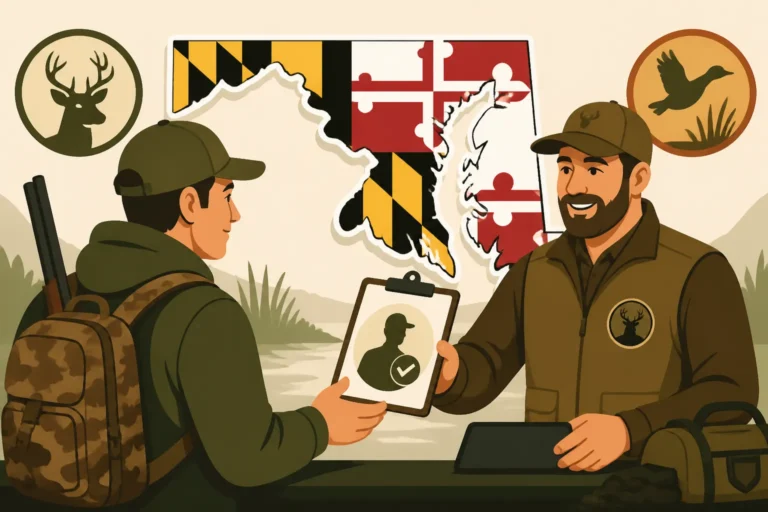
In addition to the federal USCG license, a guide operating in Maryland might also need a specific Maryland guide license or permit, depending on the type of hunting. For waterfowl, for example, guides are required to have a Maryland Commercial Waterfowl Guide License. This is separate from their federal captain's license but equally important for legal operation within the state. You should ask about both. When you inquire, a professional guide should be able to provide proof of these credentials without hesitation. Don't just take their word for it if you have doubts; ask for the license number or a photo of the actual credential. This allows you to potentially cross-reference it with public records or through official channels. Remember that these licenses have expiration dates, so ensure they are current. This is part of Choosing the Right Maryland Outfitter—you're looking for transparency and legitimacy.
Asking the Right Questions
When you're speaking with a potential guide, be upfront with your questions. A reputable guide will appreciate your thoroughness and see it as a sign of a responsible client. Here are some key questions to ask:
- "Are you a U.S. Coast Guard licensed captain, and what type of license do you hold?" Listen for the "OUPV" or "Master" designation, and ask if they can provide their license number or show you the physical credential.
- "Do you carry commercial liability insurance for your guiding operations?" A simple "yes" isn't enough; ask if they can provide proof or details of their coverage. This is crucial for your protection.
- "Do you possess a current Maryland Commercial Waterfowl Guide License (or relevant state permit for other game species)?" Again, ask for proof.
- "What safety equipment do you carry on your vessel, and how often is it inspected?" This shows their commitment to safety standards. They should mention things like life jackets for all passengers, flares, marine radio, first aid kit, and throwables.
- "What is your plan for adverse weather conditions or emergencies on the water?" This question helps gauge their preparedness and professionalism.
Don't feel pressured to book immediately. Take your time, verify the information, and compare it with other reputable guides. Resources like BookYourHunt and GoHunt often list guide credentials, but it's still a good practice to verify directly. While the cost of a guided hunt with a fully licensed and insured captain might be slightly higher than an unlicensed "fly-by-night" operation, the peace of mind, safety, and legal protection you gain are absolutely invaluable. It's an investment in a secure and enjoyable experience, allowing you to focus on the thrill of the hunt rather than worrying about what might go wrong. This due diligence extends to understanding other aspects of your trip, such as Tipping a Maryland Guide, so you're prepared for all aspects of the outing.
Conclusion
Ultimately, when planning a guided hunting trip in Maryland that involves boats—whether it's chasing ducks across the open Chesapeake Bay or navigating the labyrinthine guts of a Sika marsh—the guide's captain credential isn't just a piece of paper; it's a profound commitment to your safety, legal compliance, and a genuinely professional experience. It signifies that your guide has undergone rigorous training, understands the complexities and dangers of maritime operations, and carries the necessary insurance to protect everyone involved.
While it might be tempting to opt for a cheaper, uncredentialed option, remember the hidden costs: the risk of legal trouble, the absence of crucial safety training, and the complete lack of insurance coverage should an accident occur. These are not minor details; they are fundamental aspects that can turn a dream hunt into a nightmare. By taking the time to verify your guide's U.S. Coast Guard captain's license and any relevant Maryland state permits, you're not just being a meticulous client; you're being a responsible hunter. You're ensuring that your focus can remain squarely on the thrill of the chase, the beauty of Maryland's natural landscapes, and the camaraderie of the hunt, all while knowing you're in truly capable and legitimate hands.
Disclaimer
This article is for general informational purposes only and does not constitute professional advice. Laws, prices and regulations vary by location and change over time. Consult a qualified professional for guidance on your specific situation.