Maryland’s Turkey Harvest by Region
It's incredibly frustrating when you put in the time to scout, plan, and execute a turkey hunt, only to come up short. Sometimes, it feels like certain areas just don't produce, no matter how hard you try. This guide is designed to help you decode Maryland's regional turkey harvest data, giving you a clearer picture of where gobblers are being tagged across the state and why, so you can make more informed decisions for your next spring or fall outing.
Understanding Maryland's Turkey Regions
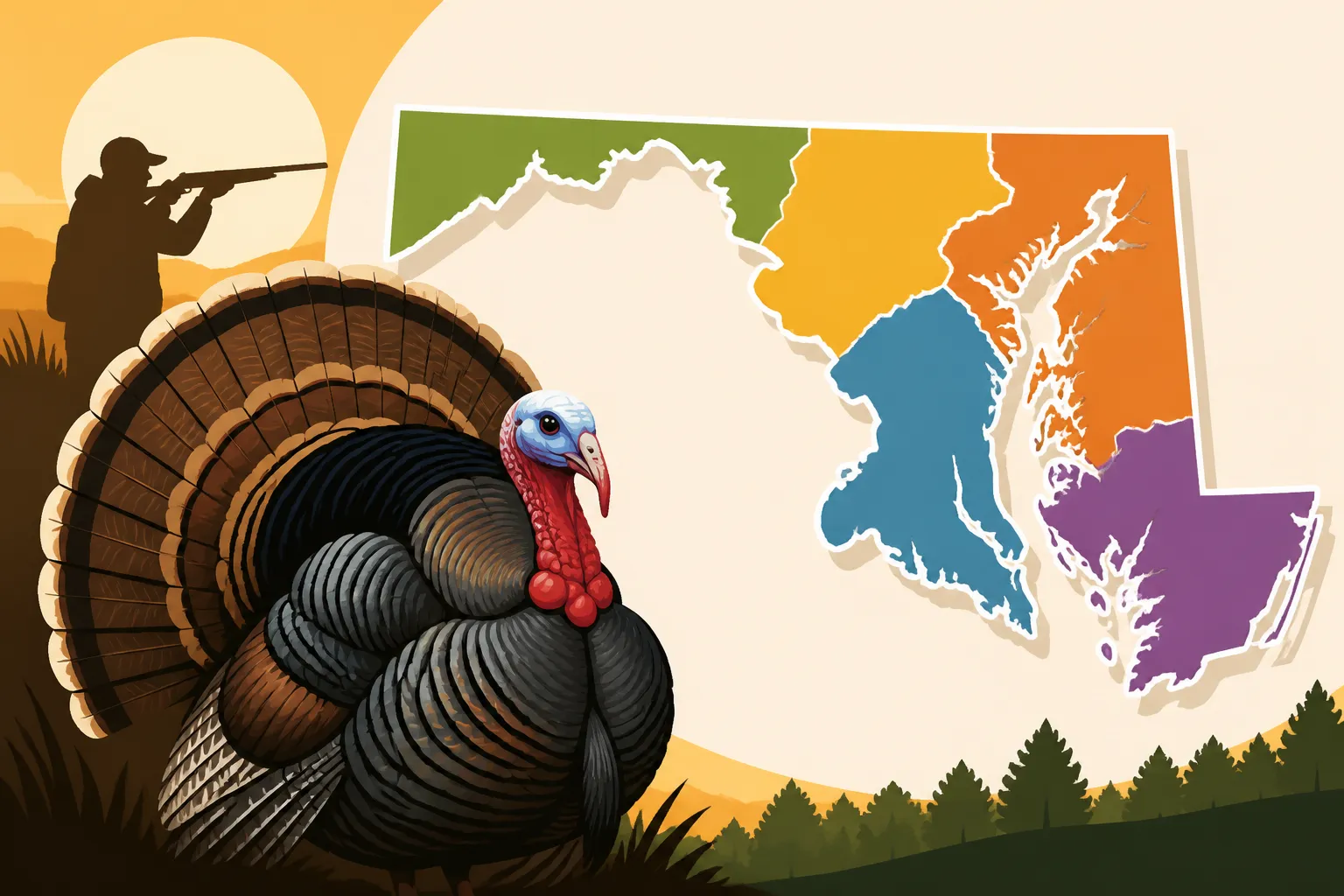
Maryland might be a smaller state, but it boasts a surprising diversity of terrain and habitat, and that diversity plays a huge role in where wild turkeys thrive and where hunters find success. The Maryland Department of Natural Resources often breaks the state down into distinct regions for management purposes, and these distinctions are incredibly helpful for understanding turkey populations and harvest trends. You simply can't expect the same kind of hunting experience or success rates in the dense forests of Western Maryland as you would in the agricultural patchwork of the Eastern Shore. Each area presents its own unique set of challenges and opportunities for hunters.
Western Maryland's Mountainous Havens
When you think of prime turkey hunting in Maryland, your mind probably goes straight to the western counties like Garrett and Allegany. These areas are characterized by vast tracts of public and private forest land, rugged mountains, and deep hollows. It's classic big woods turkey country. The mature hardwood forests provide excellent roosting sites and abundant mast crops like acorns, which are crucial food sources for turkeys, especially in the fall and winter. The harvest numbers here are often among the highest in the state, not just because of robust turkey populations, but also due to significant public land access like in the Savage River State Forest or Green Ridge State Forest, drawing hunters from all over.
However, hunting here is no walk in the park. The terrain is demanding, requiring physical stamina and a good understanding of how to use topography to your advantage. Gobblers in these big woods can be nomadic, moving long distances in search of food or hens, and their gobbling can be swallowed up by the vastness of the landscape. Success often comes down to persistent scouting, knowing how to interpret wind and thermals in Western Maryland terrain, and covering a lot of ground. Don't be surprised if you put in several miles before you even hear a distant gobble.
Central Maryland's Mixed Landscapes
Moving east, you hit the central Maryland counties, including places like Frederick, Washington, Carroll, and parts of Montgomery. This region is a blend of rolling hills, agricultural fields, suburban sprawl, and smaller, fragmented woodlots. It's a much different landscape than the mountains. Turkey populations here often thrive on the edge habitat created by farms and forests, finding abundant food in crop fields and cover in the adjacent timber. Harvest numbers can be strong in these areas, especially where private land offers good habitat and limited hunting pressure.
The primary challenge for hunters in Central Maryland is often access. Much of the land is privately owned, and getting permission to hunt can be a significant hurdle. Even when you find a good spot, hunting close to residential areas requires extreme caution and adherence to safety regulations, like setback rules near homes and roads. However, for those who do secure access, these areas can be incredibly rewarding. Turkeys here often become accustomed to human activity, requiring a different approach than the wary birds of the big woods. You might find yourself setting up on a Maryland farm edge, using your calls differently, or even Hunting a Suburban Woodlot in Montgomery County where rifles are often banned.
Eastern Shore's Farm and Forest Pockets
Crossing the Chesapeake Bay brings you to Maryland's Eastern Shore, a landscape dominated by agriculture, flat terrain, and scattered timber blocks, particularly loblolly pine plantations and mixed hardwood swamps. Counties like Kent, Queen Anne's, Caroline, and Dorchester have healthy turkey populations, especially in areas with a good mix of mature hardwoods for roosting and crop fields for feeding. While perhaps not as renowned for sheer numbers as the western mountains, the Eastern Shore consistently contributes a respectable portion to the state's overall turkey harvest.
Hunting on the Eastern Shore often revolves around these farm fields and smaller woodlots. You might find turkeys roosting in a tall stand of pines and pitching down into a cut cornfield at first light. The flatter terrain can make it easier to move quietly, but the lack of elevation changes also means birds have a wider field of view, making stealth paramount. Private land access is once again a major factor here, with many prime areas leased by hunting clubs. However, diligent scouting and knocking on doors in Maryland farm country can pay dividends. Understanding the unique habitat here, from tidewater swamps to vast agricultural fields, is key to success.
What Harvest Data Really Tells Us
Looking at raw harvest numbers by region is a great starting point, but it's just that – a start. To truly leverage this information, we need to dig a little deeper and understand the factors behind those figures. A high harvest count in a specific county doesn't automatically translate to easy hunting, nor does a lower count mean there are no turkeys to be found. It's about interpreting the story the data is trying to tell.
Beyond the Numbers: Interpreting Success Rates
When you see that Garrett County had X number of birds harvested, that's impressive, but how many hunters were out there trying? Harvest data, when available, often includes not just total birds, but also hunter effort statistics. A high harvest count might simply mean a massive influx of hunters, some successful, many not. Conversely, a county with slightly lower total harvest could actually boast a higher success rate per hunter, perhaps due to less pressure or more accessible private land opportunities. It's a complex puzzle.
Consider the notion of "pressured gobblers." In areas with high hunter density, especially on popular public lands, turkeys quickly become call-shy and wary. They might still be there in good numbers, but they're much harder to decoy or call in. You might hear them gobbling on the roost but go silent the moment they hit the ground. A good resource like GoHunt can help overlay public land boundaries and historical data, giving you a better sense of where the crowds might be. Understanding these dynamics is crucial for adapting your strategy, whether it means getting deeper into the woods, changing your calling sequence, or simply picking a less-traveled spot.
The Impact of Habitat and Land Use
The type of habitat available directly dictates the turkey population density and, subsequently, the potential for harvest. Western Maryland's unbroken forests support large, continuous turkey populations, leading to consistent harvest numbers. Here, the challenge is finding your bird in a sea of trees. In the central and eastern regions, where habitat is more fragmented by development and agriculture, turkeys tend to concentrate in smaller, isolated woodlots and riparian corridors. This can lead to localized hotspots of high harvest, even if the overall county numbers aren't as high as the western counties.
Land use also influences access. Large private farms on the Eastern Shore or in Central Maryland, if accessible, can offer incredible hunting with less competition. This is where Getting Private Land Permission in Maryland becomes invaluable. Public lands, while open to everyone, often see increased pressure, especially during the Maryland Spring Turkey Season Dates. The balance between available habitat, land access, and hunter density is what truly shapes the regional harvest numbers. Sometimes, finding good hunting isn't about the sheer number of turkeys, but about finding an unpressured turkey.
Factors Influencing Regional Turkey Harvests
Several key factors beyond just turkey numbers themselves can dramatically sway regional turkey harvests. These are the elements that can turn a promising season into a bust, or sometimes, deliver unexpected success in an otherwise "average" area. Understanding these influences can help you anticipate challenges and capitalize on opportunities.
Weather and Its Role in Spring Gobbler Behavior
Ask any turkey hunter, and they'll tell you that weather is a game-changer. A cold, wet spring can delay gobbling activity, keep hens on the nest longer, and make it generally miserable for hunters. Turkeys tend to be less vocal and less active in inclement weather, impacting the total regional harvest. Conversely, a stable, warm spring with clear mornings can send gobblers into a frenzy, increasing their vocalizations and making them more susceptible to calls. This can translate directly into higher regional harvest numbers.
Think about how a sudden cold front after a warm spell can shut birds down. Or how a rainy morning might keep gobblers on the roost longer, forcing you to adjust your approach for Roost Hunting Gobblers on Maryland Farmland. Knowing the typical weather patterns for your chosen region and checking the forecast relentlessly is crucial. While you can't control the weather, you can certainly adapt your strategy based on it. For example, in a cold spring, birds might be more focused on feeding, making food sources a better place to set up than simply listening for a distant gobble.
Hunter Pressure and Accessibility Challenges
It's no secret that the more hunters in an area, the more pressure the turkeys face. This is particularly evident on Maryland's public lands, especially on opening weekends. High hunter density can lead to turkeys becoming "educated" quickly, shutting down their gobbling, and making them incredibly difficult to call in. Regions with a lot of public land and easy access, while offering opportunities, can also suffer from this intense pressure, potentially depressing harvest rates even if the turkey population is healthy.
On the flip side, regions with abundant private land, or public land that requires significant effort to access, can offer more consistent hunting. For example, some of Maryland's State Forests Open to Hunters require a bit of a hike, which naturally filters out many hunters, leading to less pressured birds deeper in the timber. This is where tools like GoHunt can really shine, allowing you to identify areas with less obvious access points, or to confirm property lines when hunting the edges of private holdings. Finding those pockets of low pressure, even in high-pressure counties, is often the key to consistent success.
Disease and Predation Considerations
While not as immediately apparent as weather or hunter pressure, disease and predation are always underlying factors affecting turkey populations and, by extension, regional harvests. Avian pox, blackhead disease, and other maladies can weaken or kill turkeys, especially poults, which impacts recruitment into the adult population. Predator populations, including coyotes, raccoons, and bobcats in Western Maryland, also play a role, preying on eggs, poults, and sometimes even adult birds.
These factors can cause localized dips in turkey numbers, even in regions that traditionally have strong harvests. While hunters can't directly control disease or predation, understanding that these dynamics are at play helps to manage expectations. If a certain region experienced a severe disease outbreak the previous year, or if predator numbers are booming, you might find slightly fewer birds, or fewer older gobblers, contributing to a lower regional harvest figure. It's a reminder that wildlife management is a complex system, and many forces are constantly shaping the populations we hunt.
Using Regional Data for Your Next Hunt
Now that we've delved into what regional harvest data can tell us and the factors that influence it, let's talk about putting this knowledge into practice. This isn't just about finding the county with the highest numbers; it's about making smarter, more strategic decisions for your hunt, based on the unique characteristics of each area.
Scouting Smart with Regional Insights
Regional harvest data, coupled with habitat knowledge, forms a powerful scouting tool. If you're looking at a region known for high harvests, but also high hunter pressure, your scouting might focus on finding less accessible pockets of public land, or securing private land permission. You might spend more time listening for distant gobbles at different times of day, rather than just hitting known hotspots. For those venturing into the mountainous regions, understanding Wind and Thermals in Western Maryland Terrain becomes a critical part of scouting, as it dictates how sound travels and how turkeys move.
Similarly, if a region typically has lower overall harvest but good habitat, it might indicate lower hunter pressure or specific pockets where birds are thriving. Your scouting efforts could then be more focused on identifying prime habitat features like roosting areas near water, food sources, and travel corridors. Using tools like GoHunt to analyze topographical maps, aerial photos, and public land overlays can help you pinpoint these promising areas even before you step foot in the woods. This targeted approach saves time and effort, increasing your chances of finding unpressured birds.
Adapting Tactics to Regional Conditions
Knowing the regional characteristics allows you to adapt your hunting tactics before you even leave home. For instance, if you're Hunting Maryland's Western Mountain Forests, you might pack lighter, prepare for long hikes, and focus on aggressive calling to locate birds in the vast terrain. Once located, a more patient, subtle approach might be needed to seal the deal on a wary mountain gobbler. Your decoy placement for pressured Maryland gobblers might involve a single hen, or no decoy at all, to avoid spooking birds.
On the other hand, if you're hunting the more fragmented landscapes of Hunting Maryland's Upper Eastern Shore Farm Country, your tactics might revolve more around setting up on field edges, using observation to pinpoint bird movement, and employing more traditional calling setups with a few decoys. Turkeys here might be more accustomed to agricultural sounds and less wary of certain calls. It's about being a chameleon, blending your strategy with the environment and the behavior of the local birds. This adaptability is what separates consistently successful turkey hunters from those who struggle.
| Region Type | Typical Habitat | Hunter Pressure | Average Terrain | Key Challenge | Suggested Tactic |
|---|---|---|---|---|---|
| Western Mountains | Vast Hardwoods, Deep Hollows | Moderate to High | Steep, Rugged | Physical Effort, Locating Birds | Long-range calling, aggressive scouting, patient setups |
| Central Mixed | Fragmented Woodlots, Farms, Suburbs | Variable (often high near towns) | Rolling Hills, Flat | Access, Educated Birds | Private land permission, stealth, subtle calling |
| Eastern Shore | Crop Fields, Pine Plantations, Swamps | Moderate | Flat | Access, Field-Savvy Birds | Field edge setups, decoys, patterning daily movement |
Maryland Turkey Harvest Data by Region
While specific, up-to-the-minute harvest data isn't something I can provide, understanding the trends and general distribution is crucial. Historically, Maryland's western counties, particularly Garrett and Allegany, have led the state in turkey harvests due to extensive forest habitat and robust populations. Following them, counties in central and northern Maryland with good mixes of agriculture and woodland, such as Frederick, Washington, and Carroll, often show strong numbers. On the Eastern Shore, counties like Kent, Queen Anne's, and Dorchester consistently contribute, especially where prime farm-to-timber edges exist.
It's important to remember that these are general observations. A tough winter, a wet nesting season, or localized disease outbreaks can cause fluctuations. This is why staying informed about Maryland Wild Turkey Population Trends is so important. What remains constant, however, is that turkeys are adaptable, and they exist in huntable numbers across a surprisingly diverse range of Maryland landscapes.
Navigating the Seasons and Permits
Beyond knowing where the birds might be, you need to understand the rules of engagement. Maryland's turkey seasons are carefully structured, with specific dates for spring gobbler season, and sometimes fall or winter seasons that vary by county. For instance, knowing Maryland Turkey Seasons and Permits and understanding the Maryland Spring Turkey Permit Rules are non-negotiable. Don't forget that different seasons can also target different bird populations; spring is all about the gobblers, while fall seasons might allow either-sex harvest in certain areas, sometimes with a different focus on tactics like still-hunting or calling flocks.
Successfully navigating these seasons means more than just having a license. It means knowing when to apply for specific permits if they're required, understanding bag limits, and being aware of any county-specific regulations. For example, some counties might have restrictions on legal weapons or specific Sunday hunting rules that could impact your plans. Always consult the official Maryland Department of Natural Resources regulations booklet before heading afield to ensure you're compliant. This due diligence ensures your hunt is not only successful but also legal and ethical.
Disclaimer
This article is for general informational purposes only and does not constitute professional advice. Laws, prices and regulations vary by location and change over time. Consult a qualified professional for guidance on your specific situation.