Black Bears in Western Maryland
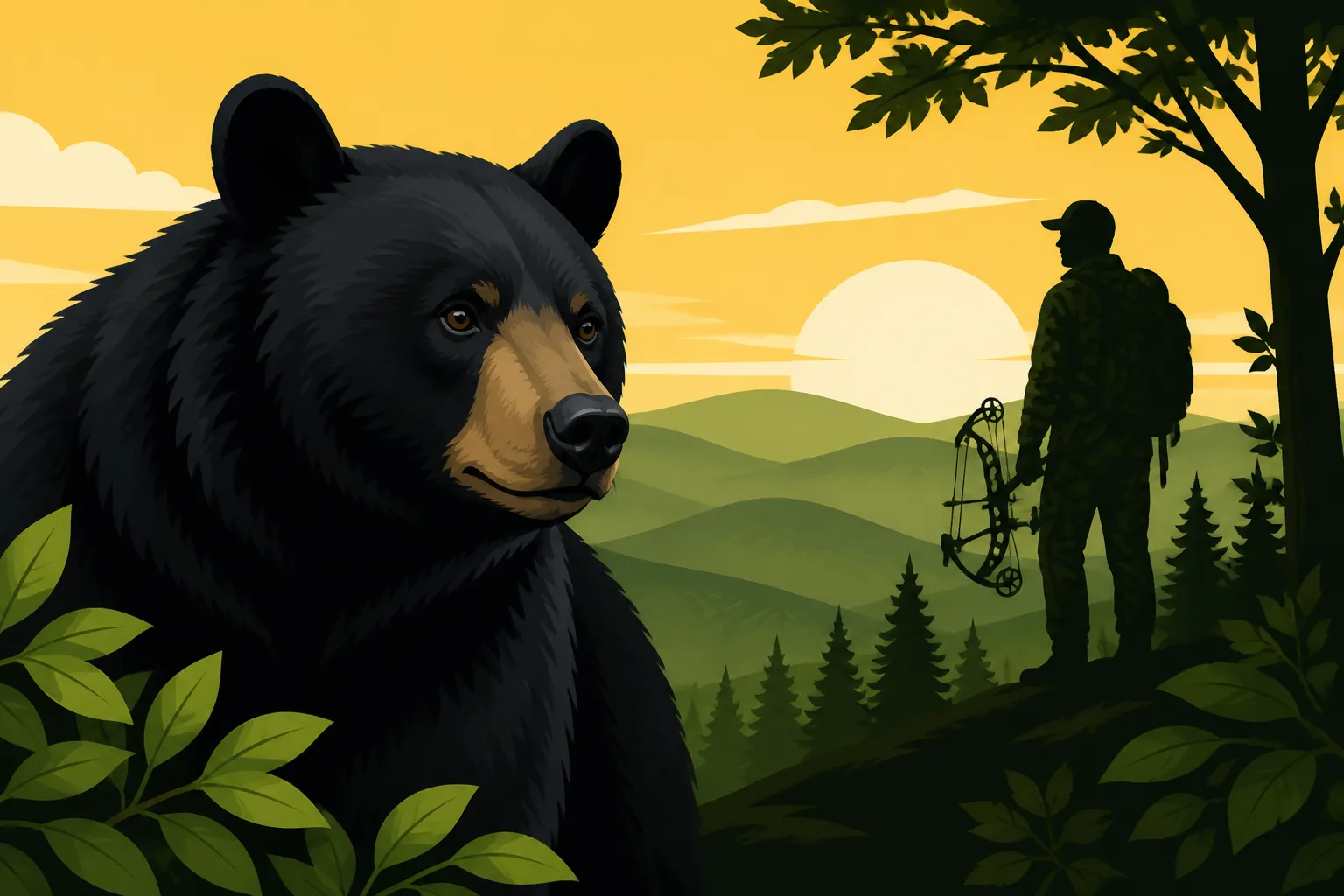
When you think about hunting big game in Maryland, most folks immediately picture whitetails on the Eastern Shore or even sika deer in the marshes. But tucked away in the rugged western reaches of our state lies a unique and thrilling opportunity: black bear hunting. It's an experience that offers a true taste of wilderness, but it comes with its own set of challenges, from understanding a complex lottery system to navigating vast mountain forests. This guide is here to unravel the mysteries of pursuing black bears in Western Maryland, helping you prepare for a truly unforgettable adventure.
The Resurgent Black Bear Population in Maryland
For many years, the idea of seeing a black bear in Maryland, let alone hunting one, seemed like a distant dream. But thanks to dedicated conservation efforts and the bears' incredible adaptability, Western Maryland now boasts a thriving black bear population. It's a testament to how wildlife can rebound when given the chance, offering hunters a unique opportunity in the Mid-Atlantic.
From Scarcity to Stability
The story of black bears in Maryland is one of remarkable recovery. Back in the early 20th century, habitat destruction, unregulated hunting, and human expansion pushed black bears to the brink in our state. They were largely extirpated from much of their historical range, with only a tiny, isolated population clinging to existence in the most remote corners of Garrett and Allegany counties. For decades, a bear sighting was a truly rare event, almost legendary among local residents.
However, as forest cover slowly began to return and conservation laws became more robust, bears from neighboring states like Pennsylvania and West Virginia started to naturally recolonize Maryland's western mountains. This gradual, organic expansion was carefully monitored by the Maryland Department of Natural Resources (DNR), which recognized the importance of these magnificent animals to the state's biodiversity. Their efforts focused on protecting existing populations, studying their movements, and educating the public on how to coexist with these returning giants.
The turning point came as the population stabilized and grew to a point where the DNR could consider reintroducing a limited hunting season. This wasn't a decision taken lightly; it was a carefully managed approach to control population growth, mitigate human-bear conflicts, and provide a sustainable hunting opportunity. Today, the once-rare black bear is a firmly established and celebrated part of Maryland's natural heritage, a true conservation success story that few other states can match in such a densely populated region.
Maryland's Black Bear Population Growth
The growth of Maryland's black bear population has been truly impressive, expanding steadily from its stronghold in the westernmost counties. What started as a few dozen animals has blossomed into an estimated population of over 2,000 bears, primarily concentrated in Garrett and Allegany counties. This robust increase led to the re-establishment of a regulated hunting season in 2004, a clear indicator of a healthy and sustainable population that requires careful management to thrive alongside human communities.
The DNR monitors this growth meticulously, using various methods like trap-and-release programs, genetic sampling, and citizen sightings to track trends. While Garrett and Allegany remain the core areas, there have been increasing reports of bears expanding their range eastward into Washington and Frederick counties, and occasionally even further. This expansion, while exciting for wildlife enthusiasts, also presents new challenges for managing human-bear interactions and educating residents in areas where bears have been absent for generations. Understanding How Many Black Bears Maryland Holds and the trajectory of Maryland's Black Bear Population Growth is crucial for both hunters and non-hunters alike.
However, managing such a dynamic population isn't without its complexities. As bear numbers rise and their range expands, so too does the potential for conflicts with people, particularly concerning property damage, pet encounters, and even public safety. The hunting season serves as a vital tool in this management strategy, helping to stabilize numbers, reduce conflicts, and distribute the population more evenly. Without controlled hunting, bear populations can outgrow their habitat's carrying capacity, leading to increased disease, starvation, and a greater likelihood of problem bears that must be removed.
Understanding Bear Behavior and Ecology
To successfully pursue black bears in Western Maryland, it’s absolutely essential to understand their behavior and ecological patterns. Bears are highly intelligent and adaptable creatures, and their daily routines are largely dictated by the availability of food and the changing seasons. Knowing these habits will dramatically increase your chances of finding them, whether you’re scouting or actively hunting.
In the fall, leading up to their denning period, bears enter a phase called hyperphagia, where they are driven to consume massive amounts of calories. Their diet shifts heavily towards mast crops like acorns, hickory nuts, and beechnuts, which are abundant in the extensive hardwood forests of Western Maryland. Locating prime oak ridges or areas with abundant wild berries and soft mast is paramount during this time. You'll often find them focusing on these food sources from dawn till dusk, building up the fat reserves they need to survive the winter. For more on this, check out What Maryland Bears Eat in Fall.
As the colder weather truly sets in, usually by late November or December, bears will begin to seek out suitable den sites. This can include rock crevices, hollow logs, brush piles, or even simple ground nests in dense thickets. Understanding When Maryland Bears Den for Winter is crucial, as their activity level decreases significantly once they start preparing for hibernation. Prior to denning, they might be found foraging intensely in specific areas, often within a few miles of their chosen winter sanctuary. During this transition, their movements can become less predictable as they crisscross the landscape in search of those final, critical meals and the perfect place to hunker down.
Where to Find Black Bears in Western Maryland
Finding black bears isn't like hunting deer in a suburban woodlot. These animals prefer expansive, unbroken tracts of forest, often with rugged terrain and plenty of cover. Western Maryland, with its Appalachian ridges and valleys, provides just that, but knowing where to focus your efforts can make all the difference.
Core Bear Counties and Beyond
When it comes to black bears in Maryland, Garrett and Allegany counties are the undisputed strongholds. These two westernmost counties are characterized by vast stretches of mixed hardwood and conifer forests, deep valleys, and rugged mountain terrain – ideal habitat for bears. Hunters will find the highest concentrations of bears, and therefore the best hunting opportunities, within these regions. This is why the state's bear season and lottery are primarily focused here, reflecting where the populations are robust enough to support a managed harvest. You can dive deeper into Which Counties Hold Maryland Black Bears for a detailed breakdown.
While Garrett and Allegany hold the core populations, it’s worth noting that bears are natural wanderers, especially younger males seeking new territories. This means that while less common, bear sightings and even occasional harvests have occurred in neighboring counties like Washington and Frederick. These areas, though primarily known for their whitetail populations, serve as corridors and potential expansion zones for bears. Bear Sightings Outside the Four Hunt Counties are becoming more frequent, indicating a healthy, expanding population that's slowly pushing its boundaries eastward, a fascinating development for wildlife enthusiasts.
For hunters, this expansion means that while the core counties are your best bet, being aware of bear activity in adjacent areas isn't a bad idea, especially if you hold a bear permit. However, always remember that bear hunting regulations, including open counties and quotas, are strictly defined by the Maryland DNR and can change. You must always consult the most current hunting guide to ensure you are hunting in a legal county.
Prime Habitat and Public Land Opportunities
Western Maryland offers some truly wild country, a stark contrast to the more developed central and eastern parts of the state. Within Garrett and Allegany counties, a hunter has access to an impressive amount of public land managed specifically for wildlife and recreation. Some of the premier locations include Savage River State Forest, Green Ridge State Forest, and Meadow Mountain Wildlife Management Area. These areas are vast, rugged, and provide excellent habitat for black bears, with their mix of mature hardwoods, dense undergrowth, and numerous natural food sources.
Savage River State Forest, for example, is a behemoth of nearly 55,000 acres, providing extensive areas for bears to roam. Its remote valleys and steep ridges are perfect for bears seeking solitude and abundant mast crops. Similarly, Green Ridge State Forest, Maryland's largest continuous tract of public land at over 47,000 acres, is known for its diverse forest types and challenging terrain, offering exceptional opportunities for those willing to venture deep. You can find excellent information on Hunting Savage River's High Country and Hunting Green Ridge State Forest to start planning your visit. Utilizing a mapping tool like GoHunt can be incredibly beneficial here, allowing you to scout terrain features, identify potential food sources, and locate public land boundaries even before you set foot in the woods. This kind of advanced preparation is invaluable in such expansive territories.
Beyond the major state forests, smaller wildlife management areas (WMAs) like Dan's Mountain and Warrior Mountain also offer excellent bear habitat. These public lands often feature a mix of mature timber, regenerating clear-cuts (which can be fantastic for berries and browse), and creek bottoms. When scouting these areas, look for thick, impenetrable cover where bears feel secure, often adjacent to prime feeding areas like oak flats or wild apple orchards. Remember, bears are looking for food, water, and cover, and these public lands deliver all three in spades.
Reading Bear Sign and Trail Cam Use
Successfully hunting black bears often comes down to deciphering the subtle clues they leave behind. Bears are creatures of habit when it comes to food, but their movements can be stealthy. Learning to read bear sign is like learning a whole new language of the forest, and it’s a skill that pays dividends. Tracks are an obvious indicator; a bear’s hind footprint often resembles a human foot, while their front paw is shorter and wider. Look for claw marks that might not show up on soft ground but are almost always present.
Beyond tracks, you’ll want to keep an eye out for scat (droppings), which can tell you a lot about what they’ve been eating. If it’s full of berries, you know they’ve been in a patch of wild grapes or blackberries. If it’s mostly acorn shells, you’re likely near a productive oak flat. Rub trees, where bears scratch their backs or mark their territory, are another great sign, often found along well-used travel corridors. Claw marks high up on trees, especially on beech or cherry, indicate bears climbing for nuts or fruit. For a detailed guide on what to look for, exploring Scouting Bear Sign in Garrett County can be a real game-changer.
Trail cameras have revolutionized scouting for all big game, and bears are no exception. Placing cameras on travel corridors between thick cover and known food sources, or near historical bear crossings, can provide invaluable intelligence. They can help you determine not only if bears are in the area but also their size, travel patterns, and even what time of day they are most active. This information allows you to refine your stand placement or still-hunting routes. Just remember to check state regulations regarding trail camera use on public lands before deploying them.
Navigating Maryland's Black Bear Lottery and Season
Unlike deer or turkey hunting, pursuing black bears in Maryland isn't as simple as buying a license and heading to the woods. It involves a tightly controlled lottery system designed to manage the population sustainably and provide fair chase opportunities while keeping success rates in check. Understanding this process is critical.
The Permit Application Process
The first and most important step to bear hunting in Maryland is successfully navigating the bear permit lottery. This isn't a guaranteed draw; thousands of hunters apply each year for a limited number of permits, typically ranging from 750 to 950 permits depending on the year and population objectives. The application period usually opens in the summer, often July, and closes in late August or early September. There's a modest non-refundable application fee, and you must hold a valid Maryland hunting license to apply.
The system utilizes a preference point system, which rewards persistent applicants. For every year you apply and are unsuccessful in drawing a permit, you earn a preference point. The more preference points you accumulate, the better your chances are in subsequent lotteries, as those with more points are given priority. This system acknowledges the long-term dedication of many hunters who have waited years for their chance. However, it's important to understand the Maryland Bear Preference Point Rules, particularly the new rule on expiring preference points if you fail to apply for consecutive years, as you could lose them. This is a critical detail that many hunters overlook, leading to frustration.
Drawing a permit is a moment of pure excitement, but it's essential to understand that it's just the first hurdle. The permit specifies which region (usually Garrett or Allegany County, though occasionally a split) you are allowed to hunt, and it's non-transferable. For a comprehensive overview, checking out the Maryland Bear Lottery Application Rules will provide all the necessary details and deadlines. The system ensures that the bear harvest remains within biologically sound limits, preventing overharvesting and maintaining a healthy population for future generations.
Understanding the Six-Day Season
Once you've secured that coveted permit, you're ready for Maryland's unique black bear season. This isn't a long, drawn-out affair; it's typically a short, intense six-day season, usually occurring in late October. The exact dates are announced annually by the Maryland DNR, so always check the current hunting guide. This concentrated season is designed to achieve the desired harvest quota quickly and efficiently, minimizing the time bears are disturbed.
What truly sets Maryland's bear season apart is its county-specific quotas and real-time management. Each of the designated hunting counties (primarily Garrett and Allegany, but sometimes others) has a specific quota of bears that can be harvested. Once that quota is met in a particular county, that county's season closes immediately, regardless of whether the six days have elapsed. This means hunters must stay constantly updated with the DNR's announcements. Maryland Bear Season Dates are important, but even more so is daily monitoring of the DNR website or phone line for closure announcements. Many a hunter has shown up only to find their chosen county already closed!
This real-time management requires hunters to be flexible and prepared to adapt their plans. You might intend to hunt in Garrett County, but if its quota is filled on day two, you may need to quickly pivot to Allegany County if it's still open. This adds an extra layer of strategic thinking to the hunt, Making a Six-Day Bear Window Count all the more critical. It’s a testament to the DNR’s commitment to scientific wildlife management, ensuring the long-term health of the bear population.
Essential Regulations and Requirements
Beyond securing your permit and knowing the season dates, several other regulations and requirements are absolutely essential for a legal and ethical black bear hunt in Maryland. First and foremost, you must have completed a certified Bear Hunter Education Course Requirement if you were born after July 1, 1973, or if you're a first-time hunter. This course covers not just safety but also bear biology, hunting ethics, and specific Maryland regulations.
When it comes to legal weapons, Maryland permits shotguns with slugs, muzzleloaders, and archery equipment (vertical bows and crossbows). Rifles are generally prohibited for bear hunting in Maryland, a distinction from some other states. You'll also need to be keenly aware of blaze orange requirements; typically, you'll need to wear a minimum of 250 square inches of solid blaze orange on your head, chest, and back during firearms seasons, for safety purposes. This is especially crucial given the rugged terrain and dense cover often found in bear country, and the fact that other hunters will be out for deer during this time.
Finally, proper tag validation and immediate registration are non-negotiable. Once you harvest a bear, you must immediately attach your kill tag to the animal and register it with the Maryland DNR within 24 hours. This registration process is vital not only for legal compliance but also for providing crucial biological data to the DNR, which helps them monitor the population and set future quotas. Failure to follow these steps can result in severe penalties, so always double-check the current Maryland Guide to Hunting & Trapping for the most up-to-date information.
Effective Hunting Strategies for Western Maryland Bears
Hunting black bears in Western Maryland can be a physically demanding and mentally challenging pursuit. The rugged terrain, dense cover, and the bear's wary nature mean you need a solid strategy and the persistence to see it through. It's not a sit-and-wait game like deer hunting from a suburban food plot; it often requires actively seeking the animal out in its domain.
Still-Hunting and Spot-and-Stalk
Given the vastness of Western Maryland's forests and the bears' tendency to inhabit dense cover, still-hunting is an incredibly effective strategy. This involves moving slowly, deliberately, and quietly through the woods, pausing frequently to scan your surroundings. You're looking for subtle movements, a flash of black, or the tell-tale shape of a bear in the shadows. Focus on areas where food sources like acorns are plentiful, or along the edges of thickets where bears might be bedded. The key is patience; bears have an incredible sense of smell and hearing, so your approach must be as silent and undetectable as possible. You might find great tips in articles like Still-Hunting Western Maryland Mountain Timber for improving your technique.
Spot-and-stalk is another thrilling method, especially in areas with good visibility, such as clear-cuts, powerline rights-of-way, or open ridges during prime feeding times. This involves using binoculars or a spotting scope to scan distant slopes or clearings for bears. Once a bear is spotted, the real challenge begins: using the terrain, wind, and available cover to close the distance undetected. This requires careful planning and often involves navigating steep inclines and difficult footing. Glassing these areas, as detailed in Glassing a Western Maryland Clear-Cut for Bear, can often reveal bears that would otherwise go unnoticed. Remember, the wind is your absolute best friend or worst enemy; always keep it in your face or quartering.
Both still-hunting and spot-and-stalk demand physical fitness and keen observation skills. Bears often blend seamlessly into their environment, so taking your time, using optics, and moving against the wind are paramount. This isn't a hunt for the faint of heart; it's a true wilderness experience that rewards dedication and persistence.
Stand Hunting Near Food Sources
While bears are constantly on the move, they do have predictable patterns, especially when it comes to food. Setting up a tree stand or ground blind near a prime, active food source can be a highly effective strategy, especially during the peak of the season when bears are heavily gorging on mast. Identifying productive oak flats, especially those with white oak acorns, is key. Bears will gravitate to these areas daily until the food source is depleted. Don't overlook areas with wild apple trees, persimmons, or even abandoned farmsteads with fruit trees, which can be bear magnets.
To make this strategy work, extensive scouting is required. You need to identify active feeding areas with fresh sign – tracks, scat, and overturned rocks or logs where bears have been foraging. Using mapping tools like GoHunt can help identify potential oak ridges or historical clear-cuts that might now offer good browse or berry patches. Once you locate a hot spot, set your stand or blind downwind, allowing for a clear shot while minimizing your scent. Bears are notoriously sensitive to human odor, so meticulous scent control is as important, if not more important, than in deer hunting.
Placement is everything. Consider the bear's likely approach and escape routes. Often, bears will utilize thick cover for bedding and then move to more open areas to feed. Your stand should be positioned to intercept them as they transition. This requires patience, sometimes sitting for long hours, often in dense timber where visibility can be limited. But the reward of seeing a large black bear casually feeding within shooting range is an experience that makes all the preparation worthwhile.
Post-Shot Protocol and Recovery
The moment you take a shot at a black bear is just the beginning of another critical phase: recovery. Bears are incredibly tough animals, and even a well-placed shot can result in them covering significant ground. Immediately after the shot, observe the bear's reaction, the direction it runs, and mark the last spot you saw it. This information is crucial for a successful track. Do not immediately jump down and pursue; give the bear some time – at least 30 minutes to an hour, sometimes longer for gut shots – to expire, especially if it was not an obvious hit.
When you begin tracking, proceed slowly and meticulously. Look for blood, broken branches, disturbed leaves, and hair. Bears have thick coats, and blood trails can often be sparse, especially initially. Mark your trail with flagging tape or toilet paper to ensure you can retrace your steps if you lose the sign. Pay close attention to subtle clues that indicate the bear's path. If the trail is particularly difficult, consider calling in experienced trackers or a tracking dog if legal in Maryland. Recovering a downed bear, especially in the steep, rugged terrain of Western Maryland, can be incredibly challenging, as detailed in Packing a Bear Out of Savage River State Forest.
Once you locate the bear, approach cautiously from behind, ensuring it is expired. A bear can appear dead and then suddenly spring to life. Once it's confirmed, tag it immediately as required by Maryland law. Then, prepare for the physical challenge of field dressing and extracting the animal. Bears are heavy, and getting one out of a remote hollow can be a monumental task. Consider having a plan for assistance, whether it's friends, a game cart, or even hiring a local guide with a UTV or ATV if the terrain allows. Proper post-shot protocol is not just about recovery; it’s about respect for the animal and ensuring a responsible and ethical hunt.
After the Harvest: Registration, Processing, and Meat Care
Harvesting a black bear in Maryland is a significant accomplishment, but the hunt isn't truly over until you've properly registered the animal and cared for the meat. These steps are not just legal requirements; they are crucial for both conservation efforts and ensuring you get the most out of your hard-earned harvest.
The Critical Registration Process
Maryland has a very strict and time-sensitive bear registration process. After you've tagged your bear at the site of the kill, you must report it to the Maryland Department of Natural Resources within 24 hours. This is not optional and is a crucial part of the state's bear management program. The DNR uses this real-time data to monitor the harvest against county-specific quotas and to close the season as necessary to prevent overharvesting. Failure to register your bear promptly can result in penalties. What to Do After Drawing a Maryland Bear Permit often includes a section on this critical step.
Registration typically involves contacting the DNR via phone or through designated check stations, which are often at local businesses or DNR offices in the western counties. During this process, DNR staff will collect important biological data from your bear. This might include its sex, weight, and a premolar tooth for aging purposes. This information is incredibly valuable to wildlife biologists who track the health, age structure, and overall dynamics of Maryland's bear population. They use this data to make informed decisions about future permit allocations and season structures, ensuring sustainable management for years to come.
Remember to keep your confirmation number or any documentation provided during registration. This is proof that you have legally reported your harvest. It's an essential part of the process that not only fulfills your legal obligation but also directly contributes to the ongoing success of Maryland's black bear conservation efforts.
Field Dressing and Meat Care in the Field
Proper field dressing and meat care are paramount immediately after harvesting a black bear, especially given that the season often falls in relatively warm late October. Bears have a thick layer of fat, which can insulate the carcass and cause rapid spoilage if not cooled quickly. The first step, as with any big game, is to eviscerate the bear as soon as possible. Remove all internal organs to allow the carcass to cool down from the inside out.
After evisceration, consider skinning the bear in the field if you can. While a large bear can be a challenge to skin, removing the hide significantly aids in cooling the meat. If you plan to have a hide tanned or mounted, be sure to make the proper cuts for a rug or a life-size mount, consulting with your taxidermist beforehand if possible. Once skinned, quartering the bear into manageable pieces will make it much easier to transport out of the woods. The shoulder, ham, and backstrap sections are substantial. You might want to consider taking game bags to protect the meat from dirt and insects.
Cooling the meat quickly is the highest priority. If temperatures are mild, consider packing ice around the meat if it's quartered and in coolers for transport. Never pile bear meat directly on itself without air circulation, as this will trap heat. Hang the quarters if possible to allow air to circulate around them. The goal is to get the internal temperature of the meat down as rapidly as you can to prevent bacterial growth and ensure the highest quality table fare. Overlooking this step can lead to spoiled meat, which is a disappointing end to any successful hunt.
Finding a Processor and Utilizing the Meat
Once your black bear is field-dressed and transported out of the woods, the next step is often finding a reputable meat processor. In Western Maryland, particularly in Garrett and Allegany counties, you'll find a few local butchers and processors who are experienced with handling bears. Places around Oakland, Grantsville, or Frostburg often have seasonal services for wild game. It's always a good idea to call ahead to confirm their availability and turnaround times, especially during the busy deer season.
Bear meat is delicious and versatile, often compared to pork or beef, though it can have a stronger flavor depending on the bear's diet. It’s important to remember that bear meat, like pork, must be cooked thoroughly to an internal temperature of at least 160°F (71°C) to kill any potential parasites, such as Trichinella. This isn't a concern with deer, but it's a non-negotiable safety precaution for bear.
Processors can cut your bear into steaks, roasts, and ground meat, and many will make sausages or jerky. Ground bear meat is excellent when mixed with pork or beef for burgers, chili, or meatloaf. Roasts can be slow-cooked to tenderness, and steaks, if from a younger bear, can be pan-seared or grilled. Don't forget about the rendered bear fat (lard), which can be excellent for cooking and baking, adding a rich flavor. Utilizing every part of the animal is a core principle of ethical hunting, and with bear, there's a lot of culinary potential to explore.
Coexisting with Black Bears and Wildlife Management
As Maryland's black bear population continues to thrive and expand, encounters between bears and humans are becoming more common, even outside the traditional western bear counties. This growing interaction necessitates a clear understanding of how to coexist safely and the vital role hunting plays in maintaining a healthy balance.
Preventing Bear Encounters and Conflicts
A growing bear population is a conservation success story, but it also means residents and visitors, even in some suburban areas, need to be "bear aware." The vast majority of human-bear conflicts stem from bears seeking readily available food sources, often inadvertently provided by people. The most important step in coexisting with black bears in Maryland is to eliminate these temptations. This means securing all trash in bear-resistant containers or keeping it inside until collection day. Never leave pet food bowls outside, especially overnight, as these are incredibly attractive to bears. Bird feeders, while lovely, should be taken down during bear active seasons or placed in areas inaccessible to bears.
Campers and hikers in Western Maryland's state forests and WMAs must be particularly vigilant. All food, toiletries, and scented items should be stored in bear-resistant canisters or hung from trees at least 10 feet off the ground and 4 feet from the trunk. Never leave food unattended, even for a short time. If a bear does approach, make noise, make yourself look as large as possible, and slowly back away. Never run, as this can trigger a chase instinct. Educating family, friends, and neighbors about these simple precautions is crucial, as often a single attractant in a neighborhood can draw a bear in.
The goal isn't to make bears fear humans but to teach them that human-provided food is not accessible. Bears are incredibly intelligent and will quickly learn where easy meals can be found. By removing these attractants, we encourage bears to remain wild and forage for natural foods, reducing the likelihood of them becoming habituated to human presence and preventing potential dangerous encounters.
The Role of Hunting in Bear Management
While it might seem counterintuitive to some, a regulated hunting season is a cornerstone of modern black bear conservation and management in Maryland. When bear populations grow unchecked, they can exceed the carrying capacity of their habitat, leading to increased competition for food, disease spread, and more frequent conflicts with humans, particularly farmers experiencing crop damage or suburban residents with property damage. Without management, these conflicts can erode public tolerance for bears, leading to calls for less humane solutions.
Maryland's bear lottery and short, controlled season are designed to harvest a sustainable number of bears annually, maintaining a healthy population within acceptable ecological and social limits. The DNR carefully monitors the population through various studies, and the data collected from harvested bears (such as age, sex, and health) informs future management decisions. This scientific approach ensures that the hunting season contributes directly to the long-term health and stability of the bear population. Hunters, through their license and permit fees, also provide essential funding for bear research, habitat management, and enforcement efforts, making them active partners in conservation.
Beyond population control, hunting also helps to distribute the bear population more broadly and can, to some extent, make bears warier of human presence, encouraging them to avoid populated areas. It’s a tool that balances ecological needs with human safety and economic concerns, representing a responsible and effective way to manage a thriving big game species in a relatively small, densely populated state.
Long-Term Outlook for Maryland's Bears
The future for Maryland's black bears looks cautiously optimistic, but not without its challenges. The population has demonstrated a remarkable ability to rebound and expand, and with continued sound management by the Maryland DNR, this trend is likely to continue. However, the biggest hurdle on the horizon is the increasing human footprint. As development expands, especially in the more rural areas of Western Maryland, prime bear habitat faces fragmentation and loss. This puts more pressure on existing bear populations and increases the potential for human-bear conflicts.
The DNR is continuously researching bear movements, habitat use, and the effects of human encroachment to adapt its management strategies. This includes educational programs for the public on living with bears, studying bear corridors, and carefully adjusting hunting quotas to reflect population dynamics. One significant challenge will be managing the expanding range of bears into counties where residents are less familiar with living alongside these large predators. This requires ongoing public outreach and enforcement of regulations designed to prevent bears from becoming habituated to human food sources.
Ultimately, the long-term success of Maryland's black bear population hinges on a delicate balance: robust scientific management, responsible hunting to maintain population health, and an informed public willing to coexist with these magnificent creatures. By understanding their needs and adapting our own behaviors, we can ensure that future generations of Marylanders will continue to share our wild spaces with the impressive black bear.
Maryland Black Bear Lottery and Season Summary Table
To help keep track of the key details regarding Maryland's black bear season, here's a quick summary. Always refer to the official Maryland DNR Hunting & Trapping Guide for the most current information, as dates and quotas can change annually.
| Aspect | Details | Notes |
|---|---|---|
| Application Period | Typically July – late August/early September | Check DNR website for exact dates annually. |
| Permit Lottery | Required for all bear hunters. Preference point system in place. | Application fee applies. |
| Season Dates | Usually a 6-day season in late October (e.g., last week of October). | Specific dates vary each year. |
| Hunt Counties | Primarily Garrett and Allegany counties, with potential for others based on population. | Always check current regulations; specific counties may be listed on your permit. |
| Quota System | County-specific harvest quotas. Seasons close immediately once a county's quota is met. | Hunters must monitor DNR announcements daily for closures. |
| Legal Weapons | Shotguns (slugs only), muzzleloaders, vertical bows, crossbows. | Rifles are prohibited. |
| Blaze Orange | Required (minimum 250 sq. inches on head, chest, and back) during firearms season. | Crucial for safety in dense timber. |
| Registration | Mandatory within 24 hours of harvest at designated check stations or by phone/online. | Provides vital biological data for DNR management. |
| Hunter Ed | Required for hunters born after 7/1/1973, or first-time hunters. | Includes specific bear hunting information. Bear Hunter Education Course Requirement is essential. |
Disclaimer
Please remember that hunting regulations, seasons, and licensing requirements can change. This guide provides general information based on current practices. It is your responsibility to consult the most recent official Maryland Department of Natural Resources (DNR) Hunting & Trapping Guide before engaging in any hunting activities. Always prioritize safety, ethical hunting practices, and compliance with all state and federal laws.