Maryland’s State Forests Open to Hunters
One of the biggest hurdles many Maryland hunters face, especially those without private land access, is simply finding a good, consistent place to hunt. It can feel like all the best spots are locked down, leaving you scrambling year after year. This guide is dedicated to unlocking the potential of Maryland's State Forests, offering you a comprehensive look at these valuable public lands and how you can successfully pursue game within their diverse landscapes.
Understanding Maryland's State Forest System for Hunters
Maryland's State Forests are incredible resources for outdoor enthusiasts, but for hunters, they represent vast, often rugged, opportunities that can sometimes feel overlooked. They offer a different experience than smaller Wildlife Management Areas (WMAs) or highly regulated State Parks.
What Makes State Forests Unique for Hunting?
When you think about public hunting land in Maryland, WMAs often come to mind first. They're explicitly managed for wildlife, often with food plots, controlled burns, and specific habitat improvements. State Forests, however, are managed with a broader mission, encompassing timber production, watershed protection, and diverse recreational uses like hiking, mountain biking, and camping, alongside hunting. This multi-use approach means the hunting experience can be quite different.
For starters, State Forests typically cover much larger contiguous tracts of land than many WMAs, especially in Western Maryland. This scale allows for more expansive hunting strategies, like all-day still-hunting or deeper pushes away from roads. You often find a more "wild" feel, with dense timber, challenging topography, and less overt habitat manipulation purely for game. While timber harvesting is a key component, these operations often create beneficial early successional habitat and improved browse for deer and other species, even if that's not their primary goal. The diverse management can lead to a mosaic of habitats, from mature hardwoods to regenerated clear-cuts, which can be fantastic for wildlife movement.
Another key difference is the general approach to public access. While WMAs might have more designated parking areas and clearly marked trails, State Forests often have extensive networks of old logging roads, fire breaks, and primitive trails that provide access deep into the woods. However, this also means you might need to be more self-sufficient in navigation and game recovery. Their sheer size can also mean less hunting pressure in the interior sections, especially if you're willing to walk a little further than most. This is a huge advantage for hunters seeking a more solitary experience or targeting pressured game that has learned to avoid easily accessible areas.
General Rules and Regulations Across State Forests
While each State Forest might have specific local rules, there are common threads that weave through the regulations across the system. Understanding these baseline rules is crucial before you ever set foot in the woods. Always, and I mean always, check the Maryland Department of Natural Resources (DNR) website for the specific forest you plan to hunt, as rules can change seasonally or for specific management objectives.
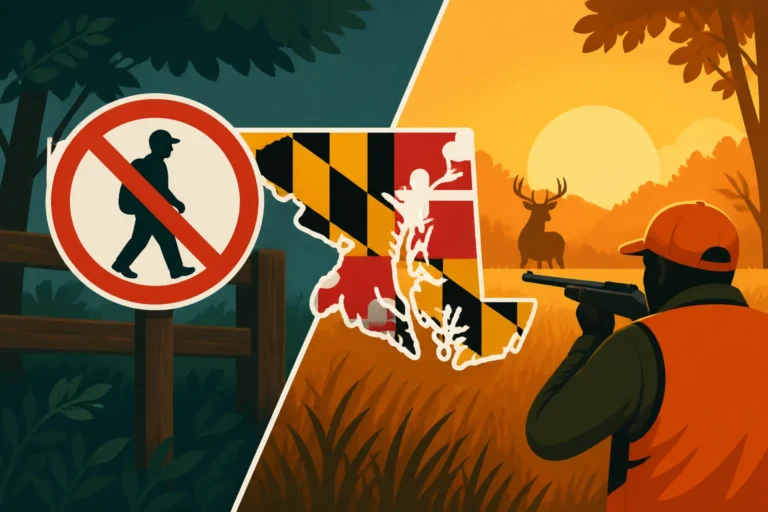
Parking is usually restricted to designated areas, and blocking gates or access roads is a definite no-no. Many State Forests have internal roads that are gated, indicating walk-in access only. Respecting these gates is paramount for maintaining access for everyone. Blaze orange requirements are generally consistent with statewide regulations, meaning specific amounts of fluorescent orange must be worn during certain firearms seasons for deer and bear. These rules are designed for safety, and they're not optional. How Much Blaze Orange Maryland Requires is a good resource to review.
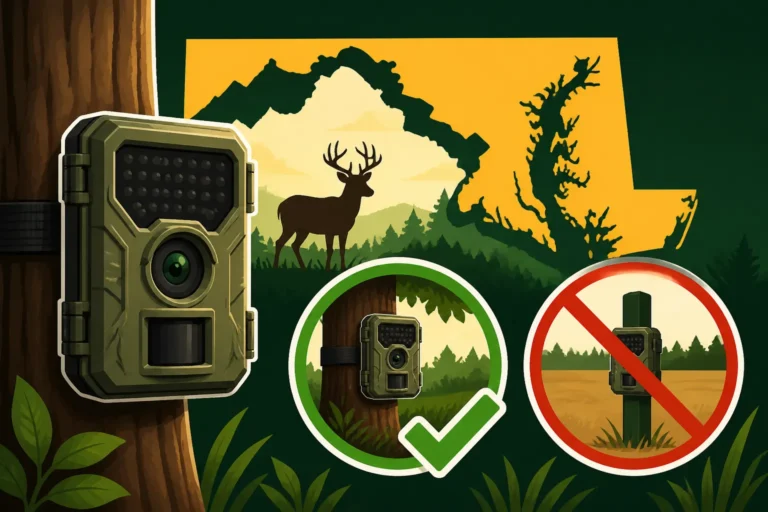
Trail camera use is often permitted, but placement usually can't damage trees, and you need to ensure they're not interfering with other users. Camping is allowed in designated areas within some State Forests, but dispersed camping is often prohibited or requires a permit, so check beforehand. Vehicle access beyond public roads is almost universally restricted to administrative use, meaning you'll be doing a lot of walking or biking to get to your hunting spots. This also means you need to plan for game recovery, especially if you're successful deep in the woods. It's not uncommon for hunters to use game carts or quarter animals to pack them out of remote areas.
Western Maryland's Mountain Giants: Deer and Bear Country
When Maryland hunters talk about big woods, rugged terrain, and a truly wild hunting experience, they're almost certainly talking about the State Forests of Western Maryland. These expansive tracts offer some of the state's best opportunities for deer, bear, and turkey.
Savage River State Forest: Rugged Beauty and Big Woods Hunting
Savage River State Forest, nestled primarily in Garrett County, is an absolute jewel for the adventurous hunter. Covering over 55,000 acres, it's Maryland's largest State Forest and truly embodies the essence of mountain hunting. The terrain here is no joke; you'll encounter steep ridges, deep hollows, and dense timber stands of oak, hickory, and maple, interspersed with areas of hemlock and pine. This is big country, and it rewards those who are willing to put in the miles and climb the hills.
The primary big game species here are white-tailed deer, black bear, and wild turkey. Deer are abundant, though often wary due to the hunting pressure and the sheer amount of cover available. Finding areas with good acorn crops or recent timber cuts that provide browse can be key to locating deer. Bear populations are strong in Garrett County, and while drawing a permit for Maryland's Black Bear Lottery is competitive, Savage River offers excellent habitat for these elusive animals. Turkeys thrive in the mixed hardwoods, and finding roosts along the ridges or food sources in the hollows can lead to success during spring or fall seasons. For more specific deer strategies, consider Still-Hunting a Savage River Oak Flat or understanding Wind and Thermals in Western Maryland Terrain.
Hunting Savage River requires a different mindset than hunting smaller, agricultural properties. You need to be prepared for all-day excursions, carry adequate supplies, and have robust navigation tools. Cellular service can be spotty in the deep hollows, so a reliable GPS or a physical map and compass are essential. The reward for this effort, however, is the chance to hunt in truly wild country, far from the sounds of traffic, where you can feel completely immersed in the hunt. Don't forget to pack out everything you pack in, and be mindful of private land in-holdings that occasionally dot the interior.
Green Ridge State Forest: Permits, Timber, and Opportunity
Green Ridge State Forest, located in Allegany County, is Maryland's second-largest State Forest, encompassing over 49,000 acres. Unlike the more pristine feel of Savage River, Green Ridge is actively managed for timber production, which creates a dynamic landscape that can be incredibly beneficial for wildlife. This forest also operates under a public land permit system for some activities, especially during peak hunting seasons, so you need to be aware of how to secure your access. Getting a Green Ridge Hunting Permit is a crucial step for many hunters.
The timber harvesting operations mean that you'll encounter a mosaic of clear-cuts, young regenerating forests, and mature timber stands. This diverse habitat structure provides excellent cover, browse, and bedding areas for deer, making it a prime location to hunt. White-tailed deer are the most popular game animal here, and hunters often target areas around recent cuts where new growth provides abundant food. Turkey populations are also strong, benefiting from the mixed forest and edge habitats created by timber management. While bear sightings occur, Green Ridge isn't typically the primary focus for bear hunting compared to Garrett County.
Hunting strategies in Green Ridge often revolve around understanding the timber cycles. Young clear-cuts can be excellent for early season deer browsing, while older cuts provide dense bedding cover. Hunting a Green Ridge Ridgetop Bench can be a productive tactic, as deer often travel along these features. The permit system is designed to manage pressure, so plan ahead to secure your spot. Make sure you understand the boundaries of the permit areas, and don't assume that all roads are open to vehicle traffic. Many are gated and offer excellent walk-in access that pushes hunters further into the forest, away from roadside competition.
Other Western Mountain State Forests (Dan's Mountain, Meadow Mountain)
While Savage River and Green Ridge get a lot of attention, don't overlook the other smaller, yet still highly productive, State Forests scattered throughout Western Maryland. Areas like Dan's Mountain State Forest in Allegany and Garrett counties, and Meadow Mountain State Forest, also in Garrett County, offer similar rugged terrain and diverse hunting opportunities, often with slightly less pressure simply due to their smaller scale.
Dan's Mountain, though smaller at around 10,000 acres, provides steep slopes and dense timber that are classic Western Maryland deer and turkey habitat. It's an excellent choice for hunters looking for a challenge and the chance to find some solitude. Hunting Dan's Mountain Wildlife Management Area (which borders and shares similar habitat with the State Forest) gives a good idea of the type of hunting experience to expect. Meadow Mountain State Forest, another gem in Garrett County, covers roughly 6,000 acres and is known for its mixed hardwoods and proximity to other vast public lands, creating large contiguous blocks of huntable ground.
These smaller State Forests are fantastic for all major Western Maryland game species: deer, turkey, and bear (permit required). The tactics remain largely the same – scouting for food sources like acorns, identifying bedding areas in thickets or laurel patches, and using the terrain to your advantage. Because they are smaller, access points might be fewer, so a detailed map (like those found on an onX Hunt app) is invaluable for understanding boundaries and access. Don't just drive past them; these smaller forests can often hold big surprises for the prepared hunter.
Central and Southern Maryland's Forests: Closer to Home, Still Wild
For hunters living in the more populated central and southern regions of Maryland, the idea of "wild" hunting can sometimes feel out of reach. However, several State Forests in these areas offer surprising opportunities, often within a reasonable drive of major metropolitan centers.
Patapsco Valley State Park & Forest: Urban Edge Opportunities
Patapsco Valley State Park and Forest, a sprawling linear park that follows the Patapsco River through Howard, Baltimore, and Anne Arundel counties, offers a unique hunting experience right on the edge of significant population centers. While primarily known for its extensive hiking and biking trails, specific sections of the State Forest are open to hunting, primarily for deer, often under special managed hunt programs. This means you'll need to pay extra attention to designated hunting zones and specific regulations, which can be more stringent than in Western Maryland.
Hunting here is almost exclusively focused on white-tailed deer, and given the proximity to urban areas, deer populations can be quite healthy. However, hunting pressure can be high in accessible areas, and deer are incredibly wary. Many hunts are either archery-only or shotgun-only, reflecting the need for safety in more populated zones. Bowhunting Small Parcels Near Baltimore offers relevant strategies for navigating these challenges. Success often comes from rigorous scouting, identifying overlooked pockets of cover, and understanding deer movement patterns between residential areas and the forest. You might find deer bedding in dense thickets and only moving during low-light hours.
The real challenge and opportunity here lie in adapting your tactics to a suburban-edge environment. You'll likely encounter more non-hunters (hikers, dog walkers) than in more remote forests, so extreme caution and adherence to all safety regulations are paramount. Using an application like onX Hunt can be incredibly helpful for clearly identifying huntable zones, safety buffers, and private property boundaries, which are often numerous and complex in these transitional areas. These managed hunts often require advanced registration or a draw, so planning well in advance is essential. It's a different kind of wild, but it offers a chance to hunt close to home.
Cedarville State Forest: Southern Maryland's Pine and Hardwood Mix
Cedarville State Forest, located in Prince George's and Charles counties, offers a distinct Southern Maryland hunting experience. At just under 4,000 acres, it's a smaller State Forest, but its diverse habitat provides excellent opportunities, primarily for white-tailed deer and wild turkey, with some small game potential. The forest is characterized by a mix of loblolly pines, mature hardwoods, and swampy bottomlands, creating a varied landscape for both game and hunters.
The pine stands offer excellent thermal cover in colder months and can hold deer that are trying to escape pressure. The hardwood ridges and creek bottoms, on the other hand, are prime areas for finding acorn crops and turkey roosts. During the fall, scouting for mast crops is crucial, as deer will often concentrate their feeding in areas with abundant acorns. For turkeys, understanding their daily patterns, from roosting in tall trees along ridges to feeding in open timber, is key. Setting Up Against a Big Oak for Turkeys could be a highly effective tactic here.
Hunting in Cedarville, like many Southern Maryland forests, often means navigating areas with dense undergrowth and occasional swampy sections. Waterproof boots and an understanding of the terrain are important. While not as rugged as Western Maryland, the subtle elevation changes and drainages can be used to funnel deer. Pressure can be moderate, especially on weekends, so considering mid-week hunts or exploring deeper sections away from main trails can increase your chances. It's a great example of how productive hunting can be found closer to Maryland's population centers if you know where to look.
Doncaster State Forest: A Gem in Charles County
Doncaster State Forest, situated entirely within Charles County, is another excellent option for Southern Maryland hunters. Spanning approximately 1,400 acres, it's one of the smaller State Forests but punches above its weight in terms of hunting quality. Like Cedarville, Doncaster features a mix of pine plantations, mature hardwoods, and some wetland areas, providing diverse habitats for game.
White-tailed deer are the primary draw here, and the mix of cover and food sources supports a healthy population. The mature hardwoods provide acorns, while the pine thickets offer excellent bedding and escape cover. Hunters often find success by focusing on the transition zones between these different habitat types, as deer frequently travel along these edges. Working a Chesapeake Farm Woodlot Point could be a relevant strategy, as even though Doncaster isn't a farm woodlot, the concept of hunting a natural funnel or transition zone between different cover types applies universally.
Wild turkeys are also present and can offer exciting spring and fall hunting opportunities. Scouting for turkey sign, like droppings and scratch marks, in the hardwood bottoms or along ridges can lead you to productive areas. Small game, such as squirrels, can also be found throughout the forest. Due to its size, Doncaster might see less hunting pressure than larger, more well-known public lands, making it an appealing option for those seeking a quieter experience. However, always verify current regulations, as smaller tracts might have more specific rules or limitations to manage usage.
Eastern Shore's Unique State Forests: Pine, Swamp, and Sika
Maryland's Eastern Shore is famous for its flat agricultural fields and tidal marshes, but it also hosts unique State Forests characterized by loblolly pines, cypress swamps, and, in some areas, the elusive Sika deer. Hunting these forests presents a distinct set of challenges and rewards.
Pocomoke State Forest: Cypress Swamps and Loblolly Pines
Pocomoke State Forest, located in Worcester County on the Lower Eastern Shore, is a truly distinctive hunting area. Covering approximately 18,000 acres, it's known for its extensive loblolly pine stands, dense hardwood bottoms, and the picturesque cypress swamps along the Pocomoke River. This unique ecosystem makes for challenging but incredibly rewarding hunting.
White-tailed deer are common, but the thick cover and often swampy conditions make them particularly wily. Hunters often find success by focusing on the pine and hardwood edges, or by slowly still-hunting through the more open pine stands. Wild turkeys also thrive in the mixed forest, with prime roosting spots often found along the river and creek drainages. Hunting the Pocomoke River Bottomlands is a fantastic strategy to explore, as these areas can be magnets for game.
The real allure for many hunters on the Lower Shore is the potential for Sika deer. While Sika are primarily marsh dwellers, they will utilize the edges of Pocomoke State Forest, particularly where the forest meets the marsh or agricultural fields. Spotting a small, elk-like Sika track in the sandy soil or hearing their distinctive "whistle" in the dense woods is an unforgettable experience. Be prepared for wet conditions, especially in the low-lying areas and swamps. Chest waders or good knee boots are often essential, and navigation can be tricky in the dense cover. This is a place where having an onX Hunt app to mark your route is not just convenient, it's practically a necessity.
Chesapeake Forest Lands: A Mosaic of Opportunity
The Chesapeake Forest Lands are not a single contiguous block but rather a collection of scattered parcels primarily across Dorchester, Wicomico, Somerset, and Worcester counties, totaling over 70,000 acres. These lands were once privately owned timber company property and are now managed by the state, often in partnership with other entities, for sustainable timber production, watershed protection, and public recreation, including hunting. Their scattered nature means you need to do your homework to identify huntable tracts and understand their specific access rules.
The habitat varies widely across these parcels, from mature pine and hardwood forests to recently harvested clear-cuts and even some marsh edges. This mosaic creates excellent opportunities for white-tailed deer, wild turkeys, and, crucially, Sika deer in many of the Dorchester and Somerset County tracts. These lands are a fantastic resource, but finding the specific parcel you want to hunt and understanding its boundaries is key. Hunting Chesapeake Forest Lands for Sika is a popular pursuit on many of these tracts, especially those near the Blackwater National Wildlife Refuge or other prime Sika habitat.
Hunting Chesapeake Forest Lands often requires a good mapping system like onX Hunt to differentiate between public and private land, as well as to identify access points. Some parcels are large and remote, while others are smaller and closer to roads or residential areas. Hunters should be prepared for varying levels of pressure depending on the accessibility and size of the parcel. The diverse habitat also means you might need to adapt your tactics, from still-hunting mature timber to setting up on the edge of a regenerating clear-cut. This is where diligent scouting and understanding the specific characteristics of each tract really pay off.
Wicomico Demonstration Forest: Smaller but Productive
The Wicomico Demonstration Forest, located in Wicomico County, is a smaller State Forest, covering just over 900 acres. While not as vast as some of its counterparts, it serves as an excellent example of sustainable forest management and offers accessible hunting opportunities, primarily for white-tailed deer and small game, with occasional turkey sightings.
The forest consists mainly of loblolly pine plantations of various ages, interspersed with some hardwood drains and wetland areas. This managed landscape provides good cover and food sources for deer, particularly in areas where timber harvesting has created new browse. Hunters often find success by keying in on these areas of new growth or by focusing on the edges where the pine stands meet more open areas or hardwood patches. Hunting a Loblolly Pine Cutover can be a very effective strategy here.
Due to its smaller size and proximity to Salisbury, the Wicomico Demonstration Forest can experience moderate hunting pressure, especially on weekends. However, if you're willing to walk a bit and explore the interior, you can often find unpressured pockets. It's an ideal spot for a day hunt, especially for new hunters or those looking for an easily accessible public land option. Always check the specific regulations for this forest, as its "demonstration" status might lead to unique rules or closures for specific forestry operations. It's a testament to the fact that even smaller public tracts can provide excellent hunting if approached with the right strategy.
Navigating and Preparing for Your State Forest Hunt
Hunting State Forests can be incredibly rewarding, but it demands a higher level of preparation and self-sufficiency than some other hunting experiences. These are often vast, sometimes rugged, and frequently multi-use lands where good planning is your best friend.
Essential Tools for Scouting and Navigation
Before you even step foot in a State Forest with your hunting gear, you need to dedicate significant time to scouting, and for that, modern navigation tools are indispensable. Gone are the days when a paper map and compass were your only options, though they should always be part of your backup plan. Today, digital mapping applications have revolutionized how hunters approach public land.
I can't stress enough how vital a good mapping app like onX Hunt is for State Forest hunting. It allows you to clearly see property boundaries, which is crucial when dealing with vast public tracts that often abut private land or have in-holdings. It provides detailed satellite imagery, topographic maps, and even public land ownership overlays. You can mark potential stand locations, game trails, food sources, and even your route in and out, ensuring you don't get turned around, especially when you're Scouting Maryland Public Land With Aerial Photos or Finding Maryland Property Lines Before You Hunt. This is especially true in areas like the scattered Chesapeake Forest Lands or the deep hollows of Savage River, where boundaries can be less obvious on the ground. You can also utilize features that show recent timber cuts, which are often magnets for deer due to new growth.
Beyond mapping, a reliable GPS unit (either dedicated or built into your smartphone with downloaded offline maps) is non-negotiable, especially in areas with limited cell service, which is common in many of Maryland's State Forests. Remember to bring a portable power bank for your phone if you're relying on it for GPS, as cold weather and constant use can drain batteries quickly. Binoculars are also essential for glassing distant ridges or open timber, helping you identify game or promising habitat features without having to walk miles. Don't underestimate the value of a physical compass and the knowledge to use it—batteries die, and electronics fail.
Understanding Access Points and Parking
One of the biggest differences between various State Forests, and even different sections of the same forest, lies in access. Knowing how to get into your chosen hunting area and where you can legally park is fundamental to a successful and stress-free hunt. Many State Forests have designated parking lots, often marked with signs. These are typically the safest and most legal places to leave your vehicle.
However, many prime hunting spots are often found off gated forest roads, old logging trails, or unofficial pull-offs. While these can provide excellent walk-in access deep into the woods, you must ensure you're not blocking a gate, a fire lane, or a private driveway. Always look for "No Parking" signs, or signs indicating private property. Some forest roads might be open seasonally to vehicles, so always check the specific forest's regulations. When in doubt, park safely off the main road, fully clear of traffic, and walk a little extra. It's far better to walk an extra half-mile than to return to a ticketed or towed vehicle.
During peak seasons, especially opening day or the rut, easily accessible parking areas can fill up quickly. This is where Opening Weekend Crowds on Maryland Public Land becomes a real factor. If you plan to hunt popular areas, arriving well before daylight is often necessary. Alternatively, consider scouting out lesser-known access points or areas that require a longer walk to reach. Often, the best hunting exists just beyond where most hunters are willing to trek. Remember that while you might park on one road, your retrieval of game could take you to a completely different access point, so have a plan for that.
Respecting the Resource and Other Users
Hunting in Maryland's State Forests means sharing the woods with a diverse group of outdoor enthusiasts. Hikers, mountain bikers, bird watchers, and equestrians all utilize these lands, and respecting their presence and safety is paramount. We are all stewards of these public resources, and courteous behavior ensures continued access for everyone.
Always be aware of your surroundings, especially when moving through the woods. If you encounter other users, make your presence known calmly and clearly. During firearms seasons, this is where your blaze orange becomes critical, not just for your safety but for signaling to others that hunting is occurring. Education is also part of it; many non-hunters might not understand hunting seasons or regulations, so a polite explanation can go a long way. Beyond direct interactions, practice Leave No Trace principles rigorously. Pack out all your trash, including spent shell casings, food wrappers, and anything else you brought in. Leave the forest cleaner than you found it.
Specific rules regarding hunting structures also apply. Treestand Rules on Maryland Public Land typically dictate that stands must be removed at the end of the season and cannot damage trees (e.g., no screw-in steps). Similarly, Ground Blind Rules on Maryland WMAs often apply to State Forests, usually requiring blinds to be temporary, portable, and removed after the hunt. Never leave permanent structures, bait, or litter behind. These actions not only degrade the environment but can jeopardize hunting access for everyone. Remember, your behavior reflects on all hunters, and acting responsibly helps maintain a positive image and preserves our hunting heritage on public lands.
Species-Specific Strategies in State Forests
Maryland's State Forests offer a diverse range of game species, from the ubiquitous white-tailed deer to the elusive black bear and the challenging wild turkey. Adapting your hunting strategy to the specific forest environment and species you're pursuing is key to success.
Deer Hunting Tactics in State Forests
Hunting white-tailed deer in Maryland's State Forests, especially the large, timbered tracts of Western Maryland, requires a different approach than hunting small farm woodlots. Here, understanding habitat, food sources, and pressure points is paramount. Deer in these environments are often less reliant on agricultural fields and more on natural forage.
Start by scouting for primary food sources. In oak-hickory forests, acorns are king. Pin oak, white oak, and red oak acorns can vary significantly in availability year to year, and deer will concentrate where the mast crop is abundant. What Acorn Crops Do to Maryland Deer Movement is a great piece to review. In pine forests, new growth from clear-cuts or prescribed burns can provide crucial browse. Water sources, especially in drier periods, are also key concentration points. Use your mapping app to identify creek bottoms, springs, and drainages that funnel deer movement. Look for fresh tracks, droppings, and rubbed trees—Reading Sign in Maryland Mountain Timber is an essential skill here.
Deer in State Forests are constantly on the move, and they will utilize thick cover for bedding. Focus your efforts on dense laurel thickets, regenerating clear-cuts, or areas of thick regrowth that offer security. Hunting funnels created by terrain features (like saddles between ridges or narrow strips of timber between open areas) can be highly effective. Due to the size of State Forests, finding overlooked areas that receive less hunting pressure can significantly increase your chances. This often means being willing to walk further than other hunters, exploring deep hollows, or ascending steep ridges. Finding Maryland Ground Others Walk Past is often the key to success. Consider subtle tactics like still-hunting slowly into the wind, or setting up ambush points along established game trails that connect bedding to feeding areas.
Turkey Hunting in State Forests
Wild turkeys are a challenging and rewarding quarry in Maryland's State Forests, particularly in the spring. Their keen eyesight, sharp hearing, and tendency to roam widely make them a formidable opponent. Success hinges on a combination of effective scouting, calling, and strategic setup.
Pre-season scouting is crucial for locating turkey roosts. Turkeys will often roost in tall trees, usually along ridge lines or above creek bottoms, providing them with a safe vantage point. Listening for gobblers at dawn or dusk during the weeks leading up to the season can pinpoint their general location. Once you know where they're roosting, you can plan your approach. For more on this, check out Roost Hunting Gobblers on Maryland Farmland, which provides principles applicable to forest settings.
During the hunt, early morning setups are often the most productive. Get into position well before daylight, near a known roost, and be absolutely still. Once the turkeys fly down, soft yelps and clucks can draw a gobbler in. Mid-morning to early afternoon can be tougher, as turkeys disperse to feed. Focus on areas with good mast crops or open timber where they can scratch for insects and seeds. Later in the day, try locating birds again by using locator calls (owl hoots, crow calls) to elicit a shock gobble, which can reveal their general whereabouts. Setting Up Against a Big Oak for Turkeys provides an excellent foundation for blind placement, ensuring you have good concealment and a clear shot lane. Remember that patience is paramount; turkeys can be notoriously fickle, and sometimes the best call is no call at all.
Bear and Small Game Considerations
While deer and turkey are the main draws, Maryland's State Forests also offer opportunities for black bear (by permit only) and various small game species. Each requires its own specific approach.
Black Bear Hunting: Bear hunting in Maryland is a highly regulated and highly sought-after opportunity, primarily occurring in the Western Maryland counties of Garrett, Allegany, Washington, and Frederick. It requires obtaining a permit through a lottery system (Maryland's Black Bear Lottery). If you're lucky enough to draw a tag, State Forests like Savage River and Green Ridge are prime locations. Scouting Bear Sign in Garrett County is a non-negotiable step. Look for overturned rocks and logs, claw marks on trees, fresh tracks, and scat, especially near natural food sources like acorns, berries, and beechnuts. Bear hunting often involves long hours of still-hunting or sitting in areas with high natural food concentrations, particularly in dense cover where bears feel secure. Due to the limited season and permits, every detail counts.
Small Game Hunting: State Forests also offer excellent small game hunting, particularly for squirrels and rabbits.
- Squirrels: Gray squirrels are abundant in nearly all State Forests, especially those with mature hardwood stands where mast crops are prevalent. Early archery season (September) often overlaps with the squirrel season opener, providing a great opportunity to combine hunts. Look for cut nut shells on logs or under trees. Squirrel Hunting Maryland Hardwood Ridges offers practical advice. Fox squirrels, larger and often more colorful, are also present, particularly in Western Maryland.
- Rabbits: Cottontail rabbits can be found in areas of dense brush, briar patches, and regenerating clear-cuts. While perhaps less common in deep timber, the edges of State Forests, powerline cuts, or areas of early successional growth can be productive. Running beagles is a traditional and effective method, but still-hunting or jump-shooting brush piles can also yield results. Rabbit Hunting Maryland Farm Hedgerows contains insights that can be adapted to State Forest edges and thickets.
Legalities, Licenses, and Logistics
Navigating the legal framework of Maryland hunting, especially on public lands like State Forests, can feel overwhelming. But understanding licenses, safety regulations, and how to verify specific rules is essential for a legal and enjoyable hunt.
Maryland Hunting Licenses and Stamps
Before you can even think about what game you'll pursue or which State Forest you'll visit, you need to ensure your licensing is in order. Maryland requires all hunters to possess a valid hunting license, along with any necessary stamps for specific game or weapon types. This isn't just a formality; it's a legal requirement, and conservation funds generated from license sales directly support wildlife management and public land maintenance.
For most residents, a basic Maryland Resident Hunting License is the starting point. Maryland Resident License Options covers the various choices. Depending on what you intend to hunt, you'll likely need additional stamps. For deer, if you plan to use a bow, you'll need an Archery Stamp. If you plan to use a muzzleloader, a Muzzleloader Stamp is required, particularly for the early and late muzzleloader seasons. If you're targeting Sika deer, especially on the Eastern Shore, a Sika Deer Stamp is also necessary. For migratory birds, even if hunting in a State Forest, a Maryland Migratory Game Bird Stamp and Federal Duck Stamp (if 16 or older) are typically required, along with HIP registration. You can purchase most licenses and stamps conveniently online through the Maryland DNR's COMPASS portal.
For non-residents, the process is similar but typically involves higher fees. Maryland Hunting Licenses and What They Cost will give you a comprehensive breakdown of the potential expenses. It's crucial to obtain all required licenses before you hunt, as wardens can and will check. While most people manage this themselves, a service like GoHunt can be useful for keeping track of application deadlines, especially for competitive draws like the bear lottery, or for managing multiple state license profiles if you hunt across state lines. They often provide tools and reminders that streamline the process, ensuring you don't miss out on an opportunity because of a forgotten deadline.
Blaze Orange and Safety Regulations
Hunter safety is paramount, and Maryland's blaze orange regulations are a critical component of that. These rules are designed to prevent accidents by making hunters visible to each other, especially during firearms seasons when visibility can be low in dense cover. It’s not just a suggestion; it’s the law.
During deer firearms season (including muzzleloader season, unless specified otherwise), hunters are generally required to wear a minimum amount of daylight fluorescent orange. This typically means a solid outer garment above the waist (like a vest or jacket) and a cap or hat of blaze orange. The exact requirements, including square inches, can sometimes vary slightly, so always consult the current Maryland Guide to Hunting & Trapping or the DNR website for the most up-to-date information. How Much Blaze Orange Maryland Requires details these specific measurements.
There are specific exceptions, such as during archery-only seasons (though many archers choose to wear orange when walking in or out for safety) or when actively hunting migratory game birds from a blind. However, when hunting deer or bear with firearms in a State Forest, blaze orange is a non-negotiable safety measure. Beyond the legal requirement, it's also about good judgment. Even when not legally required, wearing orange when walking to and from your stand, especially during low light or in areas of high hunter traffic, is a smart safety practice. Always identify your target positively, and be absolutely certain of what's beyond your target before taking a shot, especially in multi-use State Forests.
Checking Specific Forest Regulations
While this guide provides general information, the golden rule for hunting any Maryland State Forest is to always check the specific regulations for that particular forest. Maryland's diverse landscapes and varied management goals mean that rules can and do differ from one forest to another, and even within different sections of the same forest.
The best place to find these specific rules is on the Maryland DNR website. Each State Forest usually has its own dedicated page or a specific section within the general hunting regulations. Look for information regarding:
- Permit requirements: Some forests, like Green Ridge, require a special permit or registration for hunting specific periods. Maryland Public Land Registration Requirements outlines this process.
- Weapon restrictions: While statewide laws exist, certain State Forests (especially those closer to populated areas or with unique terrain) might have specific restrictions on weapon types (e.g., archery only, shotgun only, or limitations on straight-wall cartridges).
- Access limitations: Gated roads, seasonal closures, or specific vehicle access rules are common.
- Camping and recreational use: Understanding these helps you avoid conflicts with other users.
- Special hunts: Some forests participate in managed hunts for deer or other species that have their own set of unique rules and application processes.
Failing to check these specific regulations can lead to a ruined hunt, a fine, or even loss of hunting privileges. It's your responsibility as a hunter to be informed. Don't rely on word-of-mouth or assume rules are universal. A quick check of the DNR website or a call to the local forest office can save you a lot of grief and ensure you have a legal and enjoyable experience in Maryland's State Forests.
Disclaimer
This article is for general informational purposes only and does not constitute professional advice. Laws, prices and regulations vary by location and change over time. Consult a qualified professional for guidance on your specific situation.