Which Maryland County Kills the Most Deer
One of the most common questions I hear from fellow hunters across Maryland is, "Which county truly offers the best deer hunting?" It's a natural query, especially when you're planning your season, scouting new ground, or just dreaming about that next big buck. We all want to put ourselves in the best possible position for success, and often, that means trying to figure out where the deer are most abundant. This guide isn't just about listing a winner; it's about understanding the nuances of Maryland's deer population, the factors that contribute to high harvest numbers, and how you can use this knowledge to become a more effective hunter, no matter which county you choose to pursue game.
The Quest for Deer Density: Why Location Matters So Much
It’s easy to look at raw harvest numbers and immediately think one county is inherently "better" than another for deer hunting. But the truth is, a lot more goes into those figures than just the sheer number of deer. Maryland is a diverse state, from the Appalachian ridges of the west to the flat, fertile farmlands of the Eastern Shore, and each region presents unique challenges and opportunities for deer and deer hunters alike. Understanding these dynamics is key to unlocking your own success, rather than just chasing headlines.
Understanding Maryland's Deer Regions
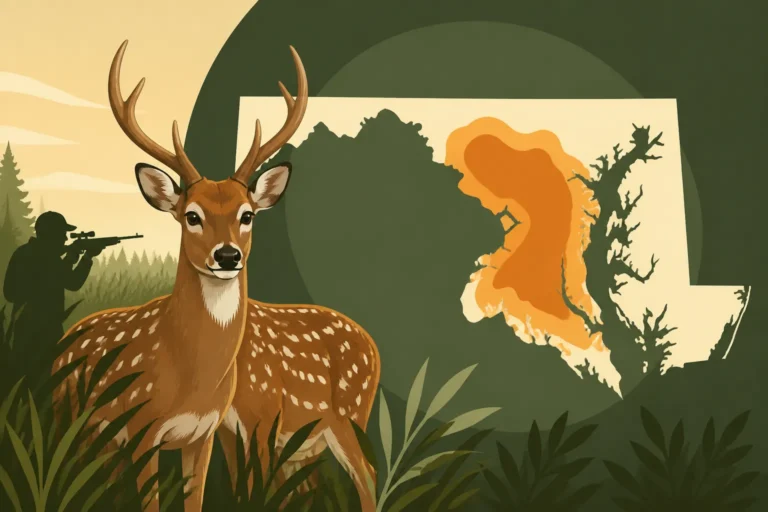
Maryland isn't just one big hunting ground; it's officially divided into two distinct deer management regions: Region A and Region B. This distinction is absolutely crucial because it dictates everything from antler restrictions to bag limits, and it’s a direct reflection of deer population densities and management goals across the state.
Region A encompasses the westernmost counties: Garrett, Allegany, and a portion of Washington County. This is Maryland's mountain country, characterized by vast tracts of public forest, steep terrain, and generally lower deer densities compared to the rest of the state. Because of the habitat and a desire to manage for quality, these counties often have more conservative antler point restrictions and lower overall bag limits. When you're Hunting Maryland's Western Mountain Forests, you're dealing with different challenges and strategies than someone hunting flat farmland. The deer here are often wilder, more spread out, and success might mean covering more ground through methods like Still-Hunting Western Maryland Mountain Timber.
Region B covers pretty much everything else—the Piedmont, Southern Maryland, and the entire Eastern Shore. This is where you'll find higher deer densities, more fragmented habitat, and a mix of suburban, agricultural, and timberland environments. Given the higher populations and often significant agricultural damage, Region B generally has more liberal antlerless deer bag limits and different rules regarding antlered deer. This is where most of the state's deer harvest happens, not just because there are more hunters, but because there are simply more deer spread across more accessible and productive habitat. The rules around Maryland's Deer Bag Limits and Antler Rule are a direct reflection of these regional differences.
Beyond Just Numbers: Factors Influencing Harvests
While the sheer number of deer in an area is obviously a primary driver of harvest statistics, it's far from the only factor. Think about it: a county could have a huge deer population, but if most of that land is inaccessible private property, you won't see those numbers reflected in public land harvest reports.
One major influence is habitat. Counties with a mosaic of agricultural fields, dense woodlots, and thick cover often hold more deer and make them easier to locate. Deer thrive on the edges where these different habitat types meet, providing food, cover, and travel corridors. On the Eastern Shore, for example, endless corn and soybean fields provide an incredible food source, while the surrounding timber and marsh offer security. You might find yourself Hunting a Funnel Between Two Grain Fields or Working a Chesapeake Farm Woodlot Point.
Hunter access is another colossal factor. Counties with significant amounts of accessible public land, or those where private landowners are more open to granting hunting permission, will naturally see higher harvest numbers. The total deer population might be high in a suburban county, but restricted access often means lower hunter participation and thus, lower reported harvests, even if the deer are plentiful.
Agricultural pressure plays a huge role too. In areas with extensive farming, deer can cause significant damage to crops. This often leads to landowners and wildlife managers actively encouraging higher deer harvests through nuisance permits and more liberal bag limits. This creates opportunities for hunters, especially for antlerless deer, to contribute to population management while filling their freezers.
Lastly, urban and suburban expansion impacts harvest numbers. While these areas might seem like odd places to hunt, increasing deer populations in suburban landscapes lead to conflicts with humans (car accidents, garden damage). Special deer management programs, often involving archery hunters, contribute significantly to local harvest numbers in these areas. You might be surprised at the success rates bowhunters have when Bowhunting Maryland Suburbs Where Rifles Are Banned.
Diving Deep into Maryland's Top Deer Counties
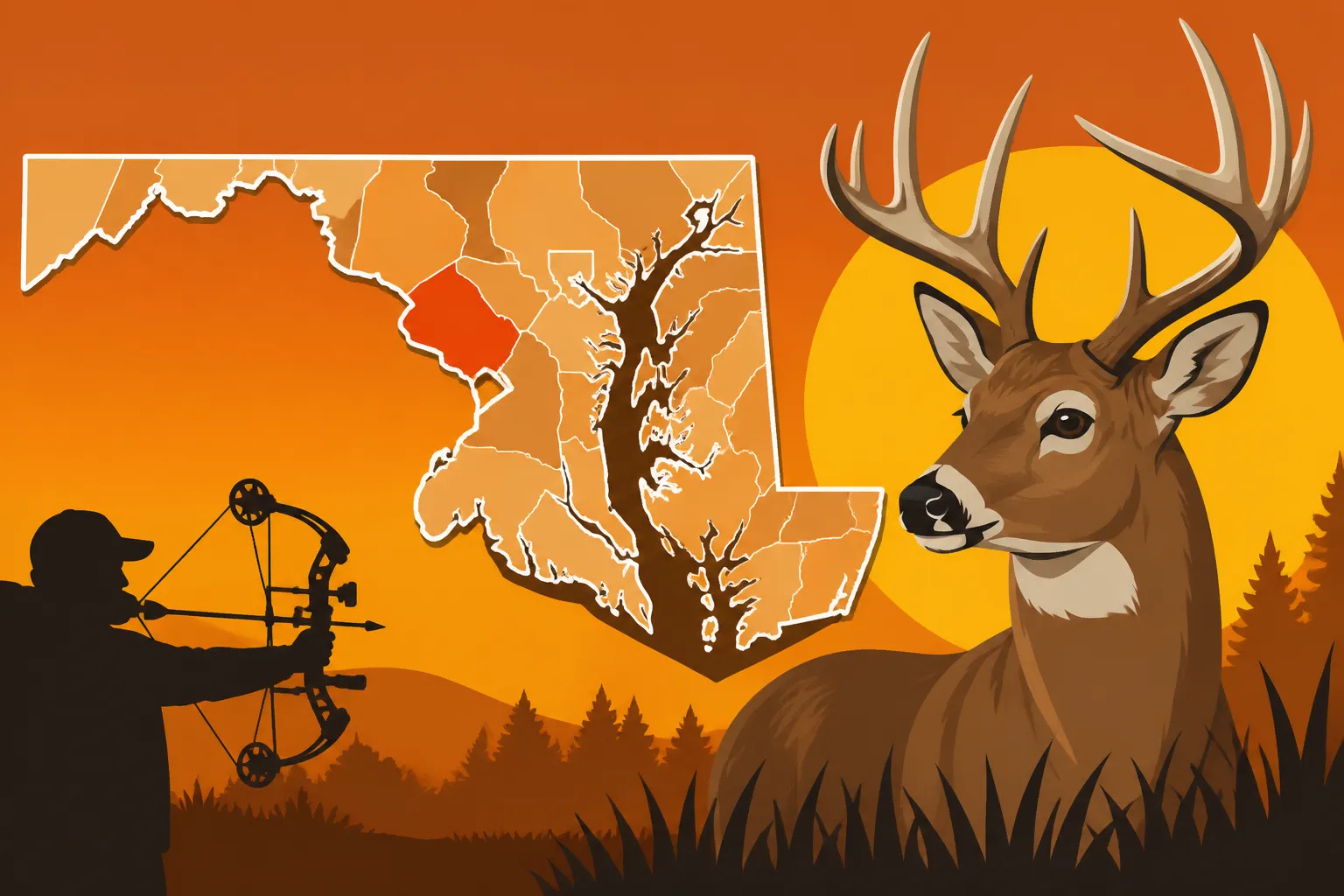
When we talk about which Maryland county kills the most deer, we're really looking at the convergence of all these factors: healthy deer populations, ample suitable habitat, and significant hunter access or opportunity. While the top spot can fluctuate slightly year to year, some counties consistently rank high.
The Eastern Shore Powerhouses
Without a doubt, the Eastern Shore counties frequently dominate the top of the deer harvest charts. Their combination of rich agricultural lands, extensive timber blocks, and often-lenient landowner access make them deer hunting meccas.
Dorchester County often leads the pack. This sprawling county is a diverse landscape of productive farmland, dense pine and hardwood forests, and vast tidal marshes. While it's famous for Sika Deer Hunting in Maryland's Tidal Marshes, its whitetail population is equally impressive. The sheer amount of prime deer habitat, coupled with a mix of public lands like Fishing Bay Wildlife Management Area and private farms, creates incredible opportunities. Deer here have abundant food, from corn and soybeans to acorns, allowing them to grow well. This makes it a consistent producer year after year.
Kent County and Queen Anne's County on the upper Eastern Shore are also perennial contenders. These counties are characterized by vast fields of corn, soybeans, and wheat interspersed with mature timber blocks and riparian corridors along the Chesapeake Bay tributaries. This environment provides everything a whitetail needs to thrive. Many hunters find success here by Setting Up on a Maryland Grain Field Edge or securing leases on private agricultural lands. The deer numbers are robust, and the flat terrain makes for relatively easy hunting, often focusing on food sources. When scouting these areas, especially before the season kicks off, mapping tools can be invaluable. A resource like GoHunt can help you identify prime habitat features, property lines, and potential pinch points in these agricultural landscapes, saving you countless hours of boots-on-the-ground scouting.
Caroline County often rounds out the Eastern Shore's top tier. Similar to its neighbors, Caroline offers a fantastic mix of agriculture and timber, with a slightly more rural feel than some of the heavily farmed areas. The deer here benefit from diverse food sources and plenty of cover.
| County (Region B) | Primary Habitat Type | Key Factors for High Harvests | Hunting Style Focus |
|---|---|---|---|
| Dorchester County | Agriculture, Pine Forests, Tidal Marsh | Abundant food, diverse cover, Sika deer contribution | Stand hunting, still-hunting, marsh hunting |
| Kent County | Agriculture, Hardwood Forests | Rich food sources, large private tracts, good access potential | Field edge stands, woodlot ambushes |
| Queen Anne's County | Agriculture, Hardwood Forests | High deer density, strong agricultural presence, good trophy potential | Food source focus, strategic stand placement, private land leases |
| Caroline County | Agriculture, Mixed Forests | Balanced habitat, good mix of public/private, steady populations | Adaptable to various methods, focus on timber/field transitions |
| Washington County | Mountain Forests, Agriculture | Mix of public/private, diverse terrain, good mast crops | Still-hunting, stand hunting, drives in some areas |
| Frederick County | Piedmont Forests, Agriculture | Suburban/rural mix, managed hunts, consistent agriculture | Suburban archery, farm edge hunting, public land stands |
Western Maryland's Consistent Producers
While the Eastern Shore often boasts the highest raw numbers, Western Maryland still offers fantastic hunting, especially if you're looking for a different experience. Counties in Region A, or those bordering it with similar terrain, hold their own.
Washington County, straddling both Region A and Region B, is a prime example of a Western Maryland county that consistently performs well. The eastern half benefits from agricultural influence and higher deer densities typical of Region B, while the western side presents the rugged, forested challenges of the mountains. This county offers a diverse hunting experience, from fields and woodlots to steep ridges and hollows. You might be Hunting a Green Ridge Ridgetop Bench or setting up near a farmer's cornfield. This variety, coupled with significant public land like Green Ridge State Forest, ensures consistent deer harvests.
Frederick County, nestled in the Piedmont region, also sees a substantial deer harvest. It combines rolling agricultural land with extensive timber, including parts of Catoctin Mountain. Its proximity to more populated areas means a higher number of hunters, but also robust deer populations that can sometimes be nuisance animals, leading to more opportunities. You'll find a mix of private land opportunities and public land options, especially for bowhunters. Many hunters focus on finding a good Orchard Edge in Frederick County or working the numerous stream valleys.
Even in Allegany and Garrett Counties, while the deer densities are lower per square mile, the vast tracts of public land and the challenge of hunting in mountain terrain draw a dedicated crowd. Success here often feels hard-earned, tracking a deer through thick cover or finding a remote ridge system. These are the places where you might put in serious work Still-Hunting a Savage River Oak Flat for that solitary mountain buck.
Central Maryland's Suburban Challenges and Opportunities
It might seem counterintuitive, but some central Maryland counties with significant suburban populations also report high deer harvests, particularly through managed hunts and archery seasons. These aren't the traditional "deer hunting" destinations, but they present unique scenarios.
Counties like Anne Arundel, Montgomery, and Howard have dense deer populations due to limited natural predators and abundant food sources (hello, suburban landscaping!). While rifles are often heavily restricted or banned, archery hunting and special managed hunts in parks and private lands contribute significantly to their harvest numbers. For hunters willing to navigate the complexities of suburban hunting, these areas can offer incredible opportunities, especially for filling antlerless tags. Think about the specific skills needed for Bowhunting Small Parcels Near Baltimore or Hunting Deer Behind a Maryland Housing Development. These hunts are critical for local deer management, helping to reduce deer-vehicle collisions and property damage.
More Than Just the "Top" County: Maximizing Your Own Success
While knowing which Maryland county kills the most deer is interesting, it's really just a starting point. Your personal success in the woods isn't solely determined by statistics; it's about preparation, persistence, and adapting to the conditions you face. Don't let the numbers make you feel like you have to drive hours to "the best" county. Often, the best county is the one you know intimately.
The Importance of Scouting and Local Knowledge
No matter where you choose to hunt, putting in the time to scout is non-negotiable. This means more than just a quick walk through the woods a week before opening day. It involves year-round observation, understanding deer travel patterns, identifying food sources, and locating bedding areas. Aerial photos and digital mapping tools are invaluable here. Applications like GoHunt allow you to dissect a piece of property from your couch, identifying terrain features, potential funnels, and access points. This kind of detailed planning can make all the difference, whether you're working a small woodlot in the Piedmont or navigating vast timber in Western Maryland.
Ground scouting fills in the details: looking for fresh rubs, scrapes, and tracks. Learning to Read Sign in Maryland Mountain Timber or understanding Scrape Lines Along a Maryland Field Edge will tell you exactly where the deer are moving and when. The more you know about a specific parcel of land, the better your chances, regardless of the county-wide harvest numbers. Even in a county that might not be a "top producer," hyper-local knowledge of a few key spots can make it feel like the best hunting in the state.
Weapon Choice and Season Dates
Maryland's diverse hunting seasons offer something for everyone, and your weapon choice can significantly impact your opportunities. For example, the Bowhunting Maryland's Long Archery Season opens in September, offering hunters a chance to pursue deer before firearm pressure sets in. This longer season, especially with its extensive Sunday hunting opportunities, provides more time in the woods and can lead to higher individual success rates.
Conversely, the Maryland's Split Firearms Deer Season provides intense, short windows of opportunity where hunters can cover more ground quickly. For those who prefer the tradition and power of a shotgun or straight-wall rifle, these seasons are prime time. Similarly, Muzzleloader Deer Hunting in Maryland offers unique challenges and often occurs during less pressured times, such as the Hunting Maryland's October Muzzleloader Week. Deciding which weapon season to spend your buck tag in Maryland can be a strategic decision based on your hunting style and the specific areas you plan to hunt.
Understanding the specific season dates and rules for each weapon, as well as the regional distinctions in bag limits and antler point restrictions, is crucial. For instance, knowing when the Maryland Archery Season Opening Day is, or planning for When the January Firearms Days Reopen, will help you maximize your time and effort.
Ethical Hunting Practices and Contribution to Management
Ultimately, being a successful deer hunter in Maryland isn't just about the numbers you see on a state harvest report; it's about being an ethical, responsible participant in wildlife management. Every deer you harvest, whether it's a trophy buck or an antlerless doe, contributes to the overall health and balance of Maryland's deer herd. By following regulations, respecting landowners, and practicing sound hunting ethics, you ensure that the tradition of deer hunting remains strong for future generations.
So, while the Eastern Shore counties might boast impressive harvest numbers, don't overlook the opportunities closer to home or in the mountains. With diligent scouting, a good understanding of local deer behavior, and a commitment to ethical hunting, you can make any Maryland county your personal "top" deer hunting destination.
Disclaimer
This article is for general informational purposes only and does not constitute professional advice. Laws, prices and regulations vary by location and change over time. Consult a qualified professional for guidance on your specific situation.